
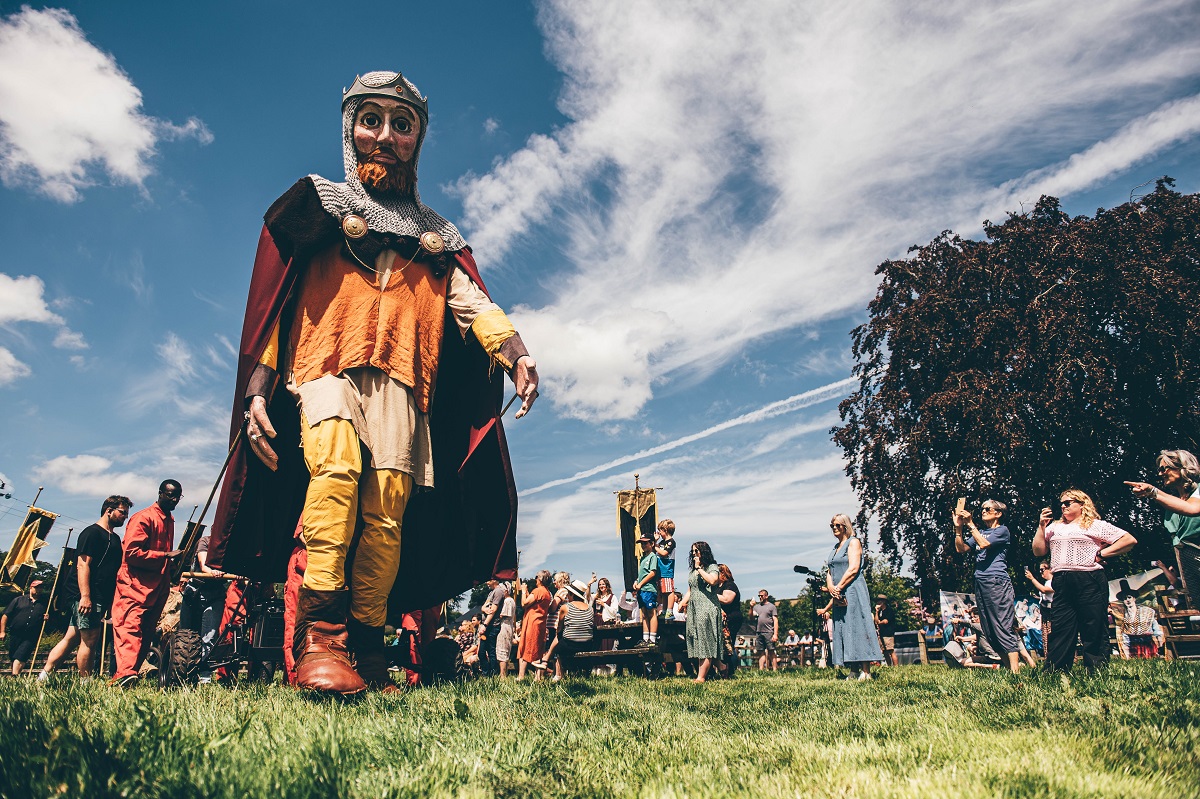
Wales’ most renowned moveable feast, the National Eisteddfod, is set to have a big birthday in a small village – its story begins in Cardigan circa 1176, and will write its latest chapter in Llantwd, just up the road, in 2026. Antonia Levay tells us more.
Buzz’s recent Super Furry Animals cover feature was a reminder that Welsh audiences have always had an appetite for live music, performance and shared cultural experiences. Long before festival wristbands, arena tours and streaming playlists, Wales had its own gathering place for creativity.
Eight hundred and fifty years ago, poets, musicians and storytellers came together in Cardigan Castle, under the patronage of Lord Rhys. Today, that tradition lives on through the National Eisteddfod – a festival that remains one of the most important celebrations of language, literature, music and identity anywhere in Europe.
In 2026, the Eisteddfod returns to its spiritual birthplace in west Wales to celebrate a remarkable milestone. A landmark anniversary not just for Welsh speakers, but for anyone interested in this nation’s cultural story – and the Super Furries will be just one among hundreds of performing acts from across Wales there this year.
The story begins with Rhys ap Gruffydd, better known as Lord Rhys, ruler of the ancient kingdom of Deheubarth. Following the completion of Cardigan Castle in 1176, he invited poets and musicians from across Wales and beyond to compete for prestigious chairs and rewards. Historians widely regard this gathering as the first recorded Eisteddfod.

The word ‘Eisteddfod’ derives from the Welsh for ‘a sitting’ or ‘session’, reflecting a gathering of artists and performers. While the modern festival has evolved considerably, its core purpose remains remarkably similar: celebrating artistic excellence through friendly competition and performance.
Over the centuries, the tradition ebbed and flowed. It was revived during the cultural awakening of the 18th and 19th centuries before developing into the National Eisteddfod we recognise today. That process has seen it grow into Wales’ largest cultural festival – and one whose great strength is that it belongs to the whole of Wales.
Rather than remaining in one place, the Eisteddfod changes location annually, transforming a different community into a cultural capital for a week every August. In 2025, for example, the festival brought tens of thousands of visitors to Wrexham, highlighting the city’s growing cultural confidence and delivering a significant economic boost to the region.
Wherever it goes, the Eisteddfod leaves a lasting legacy. New Welsh-language initiatives emerge, community projects flourish, and local people become involved in everything from competitions and performances to volunteering and fundraising. The festival remains one of the most visible expressions of Welsh identity, providing a platform for the language while welcoming learners and non-Welsh speakers alike. It is where new poets are crowned, writers are discovered, musicians find audiences and artists showcase their work.
In an era dominated by global culture, the Eisteddfod celebrates local stories, regional voices and a language that has survived against considerable odds. More than 150,000 visitors attend annually, while thousands compete across categories ranging from poetry and prose to dance, music, science, technology and visual arts. Importantly, though, the festival is not simply about preserving tradition, with contemporary music alongside ancient ceremonies, cutting-edge visual arts sharing space with centuries-old bardic customs, and prominent exposure for LGBTQ+ programming, spoken word, modern theatre and political debate.
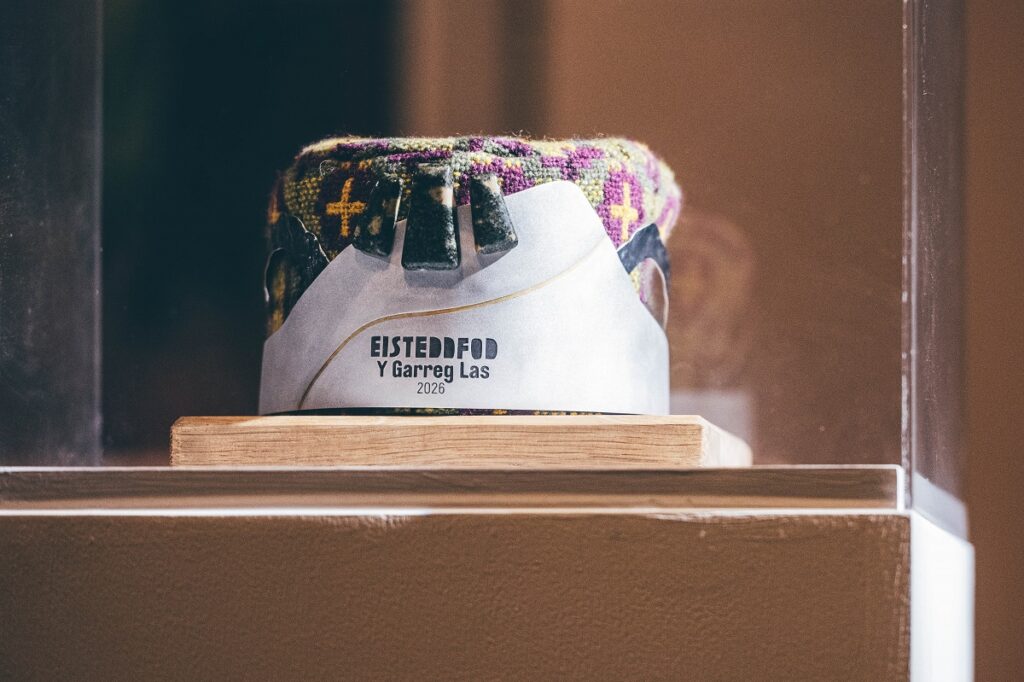
The 2026 National Eisteddfod – dubbed Y Garreg Las, or ‘blue stone’ in Welsh – takes place from Sat 1 to Sat 8 Aug in Llantwd, a tiny north Pembrokeshire hamlet not far from Cardigan Castle itself. The location was chosen to mark the 850th anniversary celebrations and reconnect the modern festival with its historic roots.
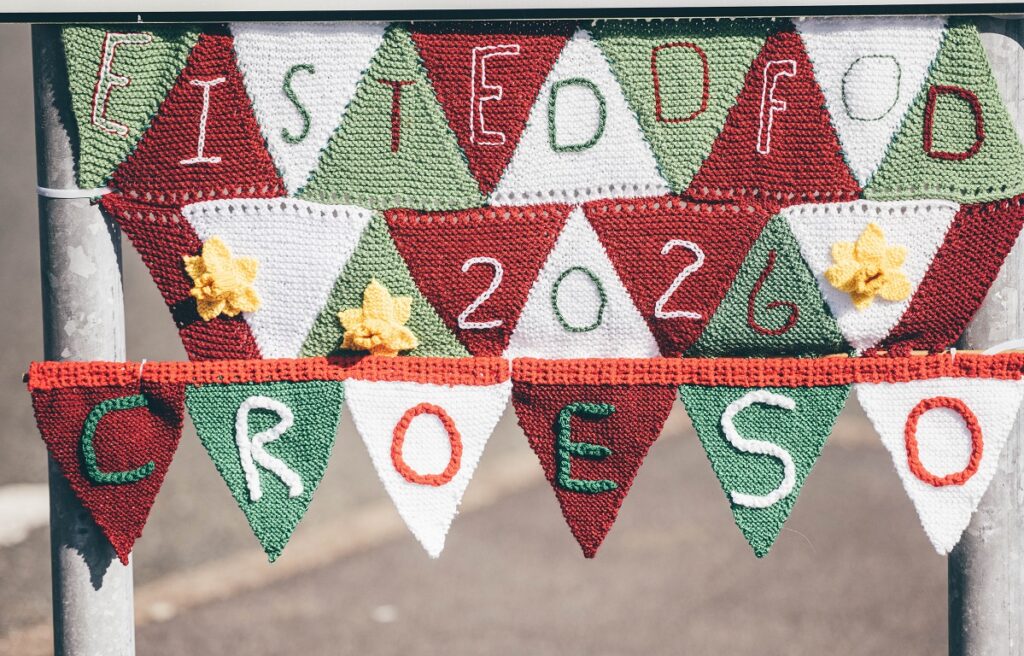
The programme will feature the traditional competitions, literary events, visual arts exhibitions, theatre performances, choir contests and major evening concerts that have become synonymous with Eisteddfodau. Visitors can also expect family activities, discussions, food and drink showcases and community events. The Pavilion remains the festival’s beating heart, while evening events across the Maes traditionally feature some of Wales’ biggest musical names alongside emerging talent.
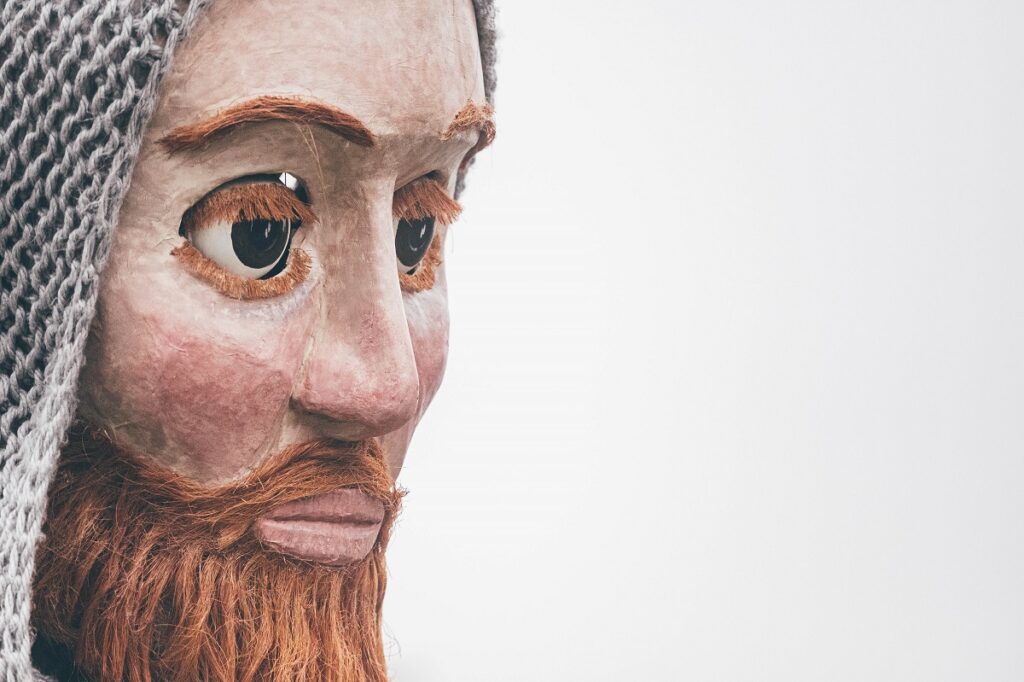
Ahead of the festival, a series of special events under the Carreg Filltir Las banner will celebrate the anniversary year. These include performances, talks, community projects and a symbolic journey retracing Lord Rhys’ route across west Wales towards Cardigan Castle [pictured here at various points of the journey]. A giant Lord Rhys puppet, cultural parades and educational projects for children are all part of the anniversary celebrations.
Perhaps the secret of the Eisteddfod’s 850-year history lies in its tendency to continually reinvent itself, and approaching culture as something built over generations. It belongs as much to the young poet nervously reading their first work as it does to established authors, musicians and performers.
The original prizes awarded by Lord Rhys in 1176 were reputedly given to the best poet and musician, and to this day winning the Eisteddfod Chair or Crown remains one of the highest honours in Welsh culture. Highlight of the week for many attendees will be the emotional Chairing and Crowning ceremonies, where entire audiences rise to celebrate literary achievement and poets receive rock star treatment.
The Eisteddfod has survived wars, political upheaval, industrialisation and the digital age. Few cultural events anywhere in the world can claim an unbroken legacy stretching back to the 12th century, and all this time after Lord Rhys welcomed artists to Cardigan Castle, Wales is still gathering to celebrate creativity.
Eisteddfod Y Garreg Las, various locations, Llantwd, Sat 1-Sat 8 Aug.
Tickets for the Maes: £25 per day/£24 senior/£20 under-19s/£15 under-16s/FREE under-5s. Family tickets also available; evening concerts priced individually. Info: here
words ANTONIA LEVAY

