

Wales Millennium Centre director Graeme Farrow talks to Antonia LeVay about the inaugural Annwn Prize, the future of immersive storytelling, and the state of the arts in Wales.
What can audiences expect from this exhibition?
It’s a major moment – the first ever Annwn Prize exhibition, and the first global award dedicated to immersive storytelling. It’s bringing together four of the most groundbreaking immersive works from across the world. Visitors will experience four very different story-driven works using augmented reality, interactive theatre, expanded cinema and AI-driven film. Each one pushes the boundaries of how stories can be told and felt.
The prize is produced with Crossover Labs alongside a global network of curators and nominators, and the artists on the shortlist are from France, Greece, the UK and the USA. It’s very much an international effort – and that’s important. We want Wales to be part of a global conversation around immersive storytelling.
Tell us about the shortlisted works.
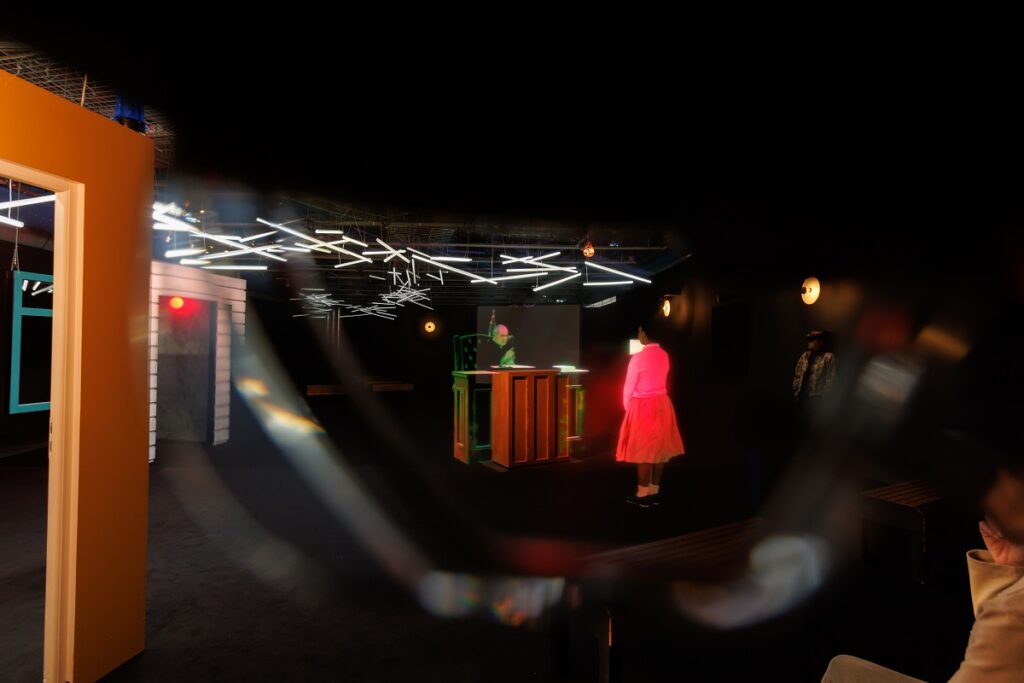
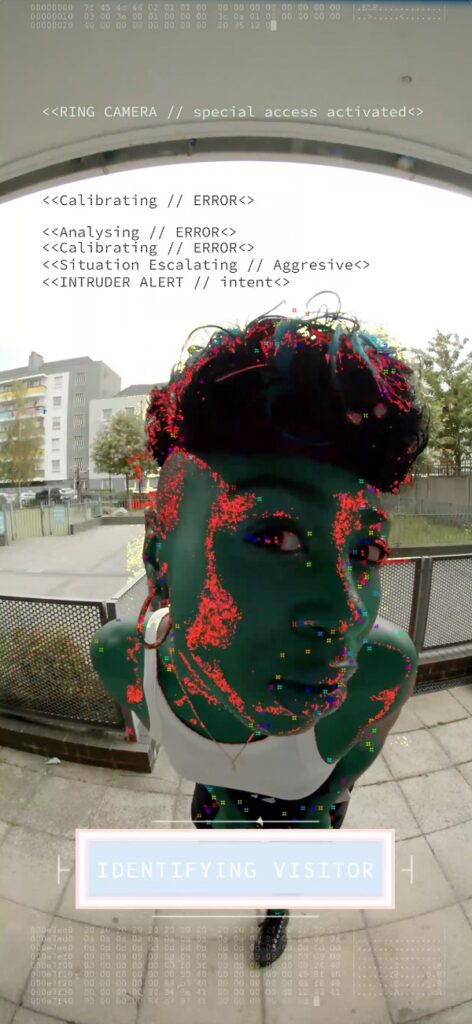
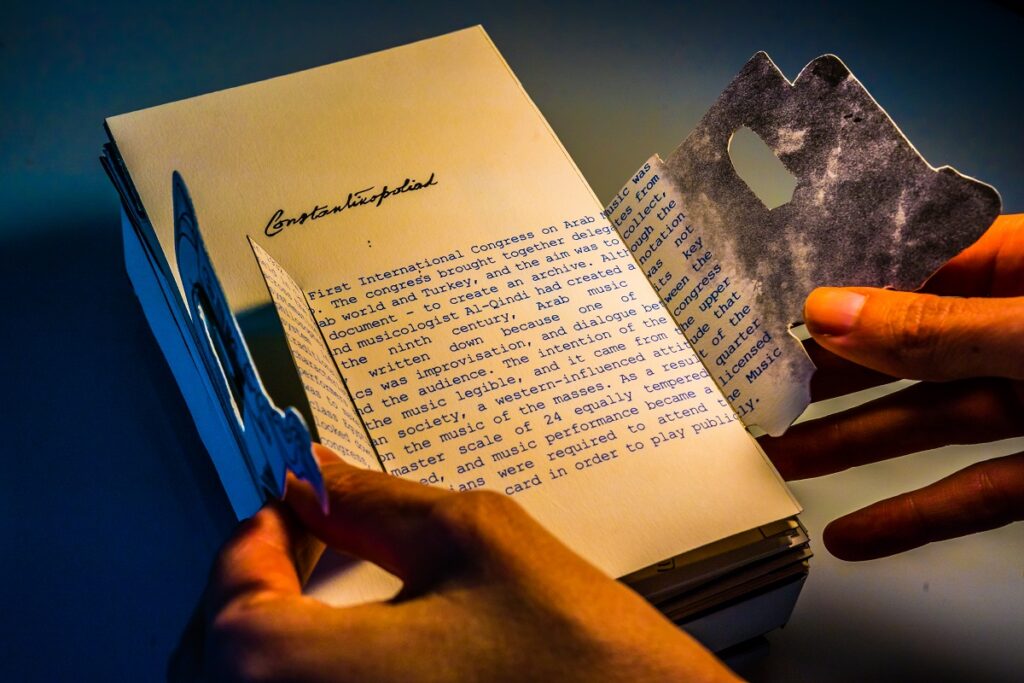
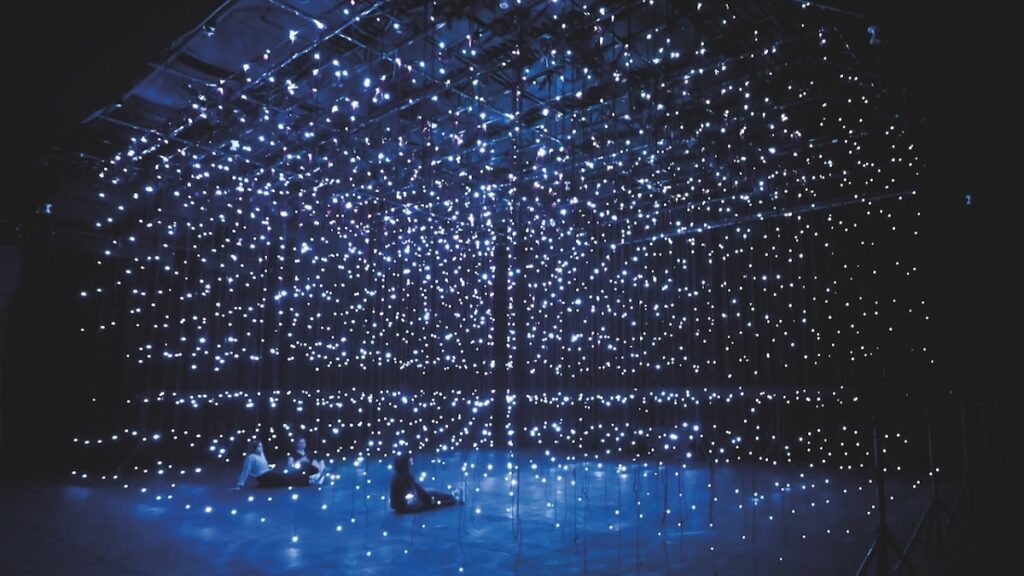
Colored / Noire, by Novaya, places you in 1950s Alabama through augmented reality, reliving Claudette Colvin’s act of defiance on a segregated bus. Consensus Gentium, by Karen Palmer, drops you into a near-future society shaped by AI surveillance, where your own reactions influence the story in real time. Constantinopoliad, by Sister Sylvester, is an expanded cinema piece exploring the fragmented archive of poet Constantine Cavafy through collective reading. And NOWISWHENWEARE (the stars), by Andrew Schneider, is a sensory, interactive installation where you move through darkness into a vast constellation of light and sound. So they’re incredibly varied, but all share that core idea of narrative and participation.
How will the prize work alongside the exhibition?
The four shortlisted works will be presented across the building over four weeks, and audiences can experience each piece, each lasting up to an hour, in one visit or spread across multiple days. There’ll also be a dedicated Annwn Prize Zone where people can explore more about the work and connect with others. The winner will be announced on Sun 14 June, selected by an independent panel, and awarded £20,000 plus a residency to develop new work. So it’s part of a longer journey for artists.
What kind of work in this genre excites you most?
Work where the audience is part of the story. That’s the key shift. We presented In Pursuit Of Repetitive Beats [at the Wales Millennium Centre, last autumn], which recreated the birth of the rave scene – you followed clues, travelled to a secret location, entered a warehouse, and lived the experience. It felt like theatre, but completely reimagined.
And then something like Abba Voyage shows how large-scale production can blend live performance and digital innovation. What we’re seeing now is a huge expansion of the creative palette, and artists can use whatever tools best serve the story.
There’s a lot of pressure on arts venues right now. How does that context shape what you’re doing?
[The WMC has] been operating on the same annual grant since 2007, while costs have continued to rise. If that funding had tracked inflation, we’d be getting around £6 million now – we’re still at £3.6 million. The reason we’re still here is because we’ve become more commercially effective: ticket sales, partnerships with promoters, bringing in major shows like Hamilton and The Lion King.
But not every venue has those levers. Smaller organisations don’t have that kind of draw, and they’re dealing with rising costs and aging infrastructure. It’s a sector-wide issue. Costs are up, public funding is static, and audiences have more competing demands on their time and money. It’s not an easy equation to solve.
So where does that leave the wider arts ecosystem in Wales?
It’s under real pressure. Artists are struggling, venues are struggling – it’s all connected. If you’re starting out, you’d have to seriously consider whether this is a viable career. And yet the solutions require long-term thinking – 10 to 20 years – while funding cycles tend to be much shorter. That mismatch is a big part of the challenge.
Is that what led to the creation of the Annwn Prize?
Yes, in part. The prize is about spotlighting new forms of storytelling, particularly immersive, narrative-driven work. There’s a lot of exciting practice emerging, often blending theatre, technology and audience participation.
We’re not interested in purely digital experiences – rather, human experiences enhanced by technology. The idea is to celebrate artists working in this space and help build audiences for it, because that’s essential to the future of what we do.
This connects to your wider plans – how does the Annwn Prize fit into the bigger picture?
It’s part of a much broader strategy. We’ve already launched Bocs, a space dedicated to immersive and XR work, which helps audiences get familiar with these formats. We’re also developing a new digital-first venue; investing in creative skills studios for young people, rehearsal spaces and production facilities; and alongside that we’re creating a digital exhibition space to showcase Welsh culture, in partnership with the National Library Of Wales.
Why is this evolution so important now?
We can’t rely on traditional theatre models alone. Big shows will always have a place, but they won’t sustain us indefinitely. We need to diversify bring in new audiences, explore new formats, and keep evolving. The Annwn Prize is about shining a light on where storytelling is going next, and making sure Wales is part of that future. This is probably the biggest period of change we’ve faced – the pandemic gave us time to rethink and now we’re acting on that.
Annwn Prize, Wales Millennium Centre, Cardiff Bay, Wed 27 May-Fri 26 June.
Tickets: £8/£6 per individual work (£6/£5 Wed 27-Sun 31 May); £25/£20 for all four (£20/£18 Wed 27-Sun 31 May). Info: annwnprize.com
words ANTONIA LEVAY

