It’s long been tucked away on the back shelf of many a British pantry. But beef extract brand Bovril is having a resurgence – with the gym-obsessed youth.
It’s long been tucked away on the back shelf of many a British pantry. But beef extract brand Bovril is having a resurgence – with the gym-obsessed youth.

Donald Trump has removed the BBC’s commercial arm from his defamation lawsuit over a controversial episode of Panorama, but the US president is still pursuing his multi-billion dollar claim against the BBC as a whole.
Last December, Trump sued the BBC and subsidiaries BBC Studios Productions and BBC Studios Distribution over a 2024 Panorama episode that edited together different sections of a speech he gave.
The BBC argued that the Studios companies had “no role in creating or producing the documentary, and did not broadcast it in the US”.
A court filing on Thursday confirmed Trump’s agreement that the claims against BBC Studios should be dismissed, but added: “President Trump shall continue prosecuting his causes of action against defendant British Broadcasting Corporation.”
Trump is suing for up to $10bn (£7.4bn) over the way Panorama spliced together a speech he made before the storming of the US Capitol on 6 January 2021.
The lawsuit – filed in Florida – accuses the BBC of “intentionally, maliciously, and deceptively doctoring” his speech.
The BBC has apologised for an editing error that gave “the mistaken impression that President Trump had made a direct call for violent action”.
However, the BBC has asked the court to dismiss the lawsuit, arguing that the programme doesn’t meet the legal criteria for defamation and wasn’t made available on its US platforms.
Last month, Trump’s lawyers admitted they had no evidence that the documentary was available in the US on the BBC’s BritBox subscription service, as they had originally claimed, or on BBC.com, BBC Select or through US broadcasters.
Earlier this week, the president’s lawyers challenged the BBC’s motion to dismiss the claim, saying the broadcaster had put forward “an untenable proposition” and the case’s dismissal would be “a wrongful and unjust result”.
They said a jury should decide on the defamation issue, and that the BBC’s geo-blocking technology did not reliably prevent US-based viewers from watching its UK-only iPlayer streaming platform.
They said the documentary’s production staff gave several people instructions on how to watch it in the US, and also pointed to a post promoting the programme on X.
“Together, the evidence shows coordinated BBC conduct directed toward the United States, not ‘mere accessibility’,” his legal papers said.
“The BBC created an election-timed documentary about a Florida-resident US presidential candidate, promoted it globally through an unrestricted official channel, and positioned it for international and U.S. consumption.”
Meanwhile, last month the US government said it was “considering participating in this litigation” after the BBC served subpoenas for information from a number of federal agencies.
A trial date in February 2027 has been scheduled, should the case progress.
Criticism of the Panorama edit emerged last November when a leaked internal BBC memo was published by the Telegraph newspaper. This led to the resignations of the BBC’s director general, Tim Davie, and its head of news, Deborah Turness.

It was the summer of 2014, I was deep into A-level revision and my mornings all began the same way.
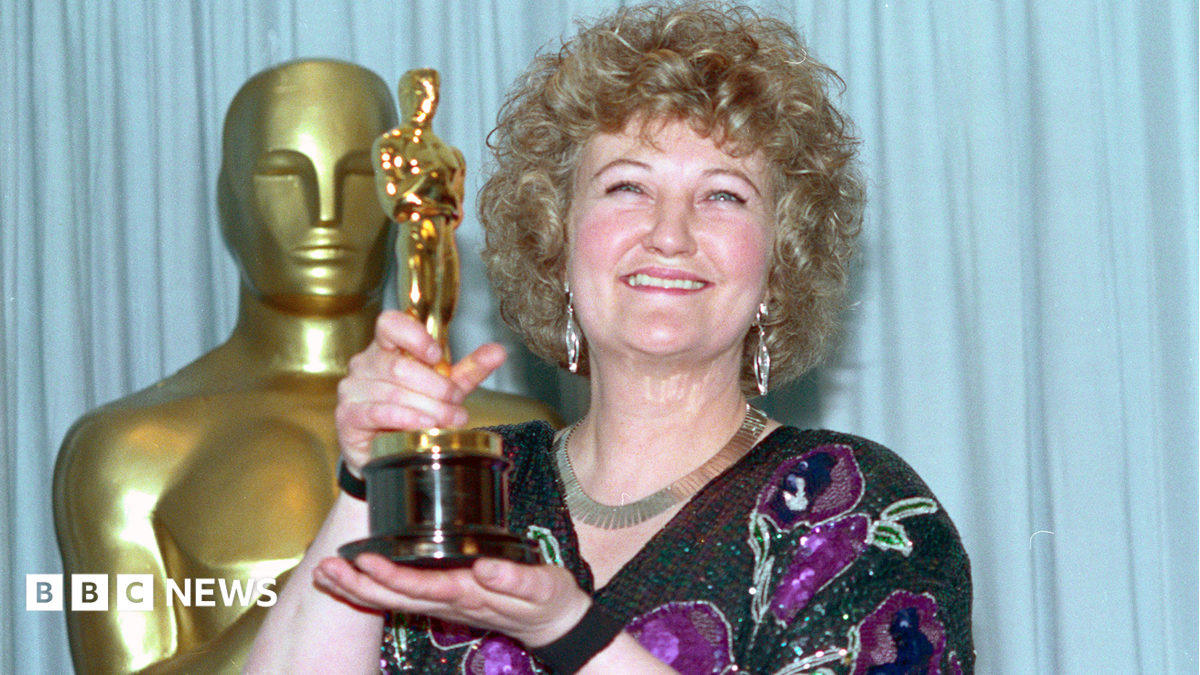
Irish actress Brenda Fricker, who won an Oscar for her role in 1989 film My Left Foot and had well-loved parts in Home Alone 2 and TV’s Casualty, has died at the age of 81.
Fricker won the Oscar for best supporting actress in 1990 for playing Daniel Day-Lewis’s on-screen mother in My Left Foot.
She played nurse Megan Roach in the BBC’s Casualty from 1986, making her final appearance in 2010; and was the Central Park pigeon lady in 1992’s Home Alone sequel.
In a statement, her agent Phil Belfield said: “We will never see her like again and the world is lesser for the lack of her.”
He added: “I was honoured to know, love and work with her and she will always have a place in my heart and in the heart of so many film and TV fans the world over.”
This breaking news story is being updated and more details will be published shortly. Please refresh the page for the fullest version.
You can receive Breaking News on a smartphone or tablet via the BBC News App. You can also follow @BBCBreaking on X, external to get the latest alerts.

Traffic is building around Cardiff Gate with huge queues causing delays for motorists and having a knock-on effect on the M4.

Kim Borthwick with her twin boys (Image: Kim Borthwick/PA Wire)
A mum of two says she intially thought headaches she was suffering were a result of a Christmas burnout – only to be diagnosed with incurable brain cancer. Kim Borthwick, 35, from Glasgow, was diagnosed with an aggressive brain tumour on January 18, only a week after symptoms began.
It followed after a busy festive period with her husband Ross and four-year-old twins Max and Freddie, and when she developed a headache. Kim initially thought she had just overdone it. “I remember saying, ‘I need to lie down’. The headache was unbearable,” she told the Press Association. “Then my hand started tingling and I lost feeling down one side. I was being sick.” Kim says she “just knew something wasn’t right, but I’d never experienced migraines before so I put it down to that”. Following several visits to her GP, Kim was referred to A&E for an urgent CT scan.

Kim said it’s ‘too late’ for her, “It’s too late for me,” she said, ‘but I want to make a difference for those who come after me’. (Image: Kim Borthwick/PA Wire)
Kim was told she might have to undergo surgery that evening. She has credited NHS staff with saving her life, saying their swift action has given her more time with her two boys.
However, she is realistic about her prospects, given that if she makes it to her 40th birthday she will one of the longest-surviving 10% of people diagnosed with her type of cancer.
But Kim said the knowledge of this has led to her treasuring every moment with her children. “I don’t know if I’ll see them start school,” she said.
“You take those little moments for granted until you realise they could be taken away. My diagnosis has given me the clarity to enjoy every moment I have with my boys.”
“I know I would have made a bloody good granny,” she added.
Kim said her experience has also brought home the lack of attention and resource given to tackling brain cancer, where survival rates in the UK have have remained unchanged for decades.
She said this felt like an “injustice” given survival rates for many other cancers have “dramatically” improved over the same period.
Kim has joined the Brain Cancer Justice (BCJ) campaign group, which is urging politicians to provide greater support and funding for rare cancers.
They’re also calling for a dedicated minister for rare cancers to ensure continuity in research, funding and policy.

She bravely shares her story during Glioblastoma Awareness Week (Image: Kim Borthwick/PA Wire)
“I have a fire in my belly to effect change for people diagnosed with brain cancer in Scotland,” she explained. “It is difficult to accept, but it’s unlikely I will benefit from these changes.
“I can’t accept this diagnosis knowing we could be doing so much more in Scotland to support people with brain cancer.
“There’s been no change to outcomes for people diagnosed with brain cancer in 30 years, and brain tumours remain the biggest cancer killer of children and adults under 40. To me, that is scandalous.”
Kim pointed to the fact patients in other G7 countries routinely receive surgery, radiotherapy, chemotherapy as standard treatment, along with treatment using the Optune device, which slows the growth of cancer cells.
She said this combination isn’t routinely available in Scotland, leaving many families having to navigate treatment options, clinical trials and additional support on their own.
Kim also said tumour samples in Scotland are not routinely “fresh-frozen” during surgery, which she said means patients in Scotland become ineligible for clinical trials and emerging genomic treatments that require preserved tissue samples.
“These aren’t cures,” she said. “Nobody is pretending they are. But they give people more time with the people they love and, ultimately, that’s what matters.”
She bravely shares her story during Glioblastoma Awareness Week, and said she hopes future families might hear a different conversation, be offered more options and face a different outcome.
“It’s too late for me,” she said, “but I want to make a difference for those who come after me.”
Angela Constance, Cabinet Secretary for Health and Care of Scotland, said: “I am grateful to Kim and all campaigners for their continued advocacy on brain cancer, and welcome efforts being made to raise awareness.
“We share their desire to further improve cancer survival and are taking action to improve the awareness and earlier diagnosis of cancers in Scotland. I would encourage anyone with unusual or persistent symptoms to contact their GP practice.
“We published our Cancer Strategy for Scotland in 2023, with a focus on less survivable cancers, such as brain tumours, and improving their outcomes.
“We welcome innovation in cancer care and continue to consider emerging evidence on new treatments and technologies to ensure patients can benefit from clinically effective advances.”
You can find out more about BCJ and its campaign to make brain cancer treatable rather than terminal on their website.
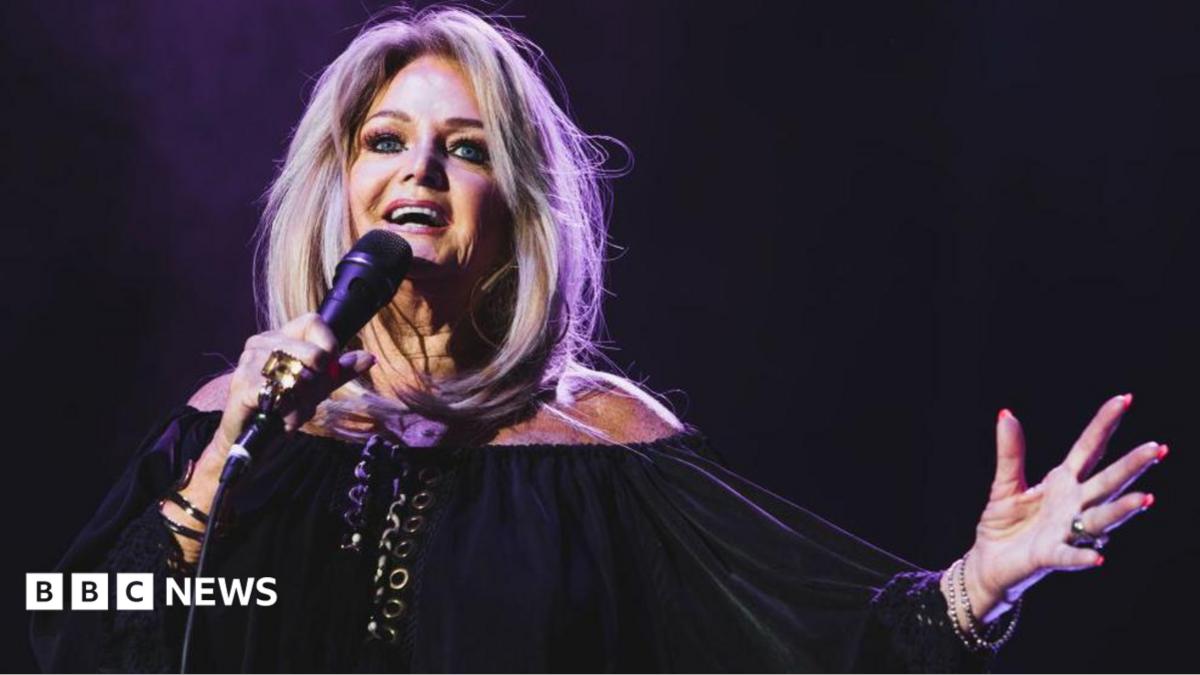
A funeral notice from William Pressdee Funeralcare on Friday, on behalf of Tyler’s family, said she would be remembered as “a warm, generous artist whose music touched generations and continues to fill dance floors and karaoke booths around the world”.
It described her as a dear sister of Marlene, Angela, Avis, Paul and the late Pauline and Lynn, much loved sister-in-law of Paul and Angela, Michael and Winnie, Gwyn, Jan, Teresa, Margaret and the late Billy, and a “devoted and wonderful Aunty Gaynor” to all her nieces, nephews and great nieces and nephews.
The notice requested “family flowers only” at the funeral, but said anyone who wished to could make a donation in her memory to two charities where Tyler was a patron – Noah’s Ark Children’s Hospital for Wales and Cerebral Palsy Cymru.
“Her legacy lives on in the timeless songs that made her a legend,” it said.

At a full council meeting on June 29, councillors were informed of the “operational pressures” within the cemetery, including staffing levels and their impact on grounds maintenance.
The cemetery manager provided an update on the challenges and actions being taken to maintain service delivery.
The council said it had received written complaints about the state of the cemetery.
Concerns were raised about the presentation of the cemetery, including weeds in certain areas and soil quality in some sections.
Officers confirmed that these issues were being addressed.
The council said it would consider the grounds maintenance arrangements, including grass cutting regimes and biodiversity considerations such as No Mow May, at a future meeting.
The council also discussed public communication and the use of social media, noting that a review of relevant council policies is underway.
The chief officer confirmed that staffing and training arrangements remain in place and that recruitment continues to focus on appropriate standards and values.
The council said that a previous independent review would be further considered by a working group prior to any extraordinary meetings being convened and reported back to full council in July.
The mayor also expressed thanks to the council’s gardener for his “phenomenal work” in maintaining the Cemetery Approach Gardens.
The council resolved that the documentation relating to the previous independent review be circulated to all members.
A working group will be established, comprising the chair of the personnel committee, the chair of the halls and cemeteries committee, and the leader of the council, to review the documentation from the previous independent review following the comments raised above prior to any extraordinary committee meetings potentially being convened.
A report will be brought back to a meeting of the full council in July following the review of the documentation.
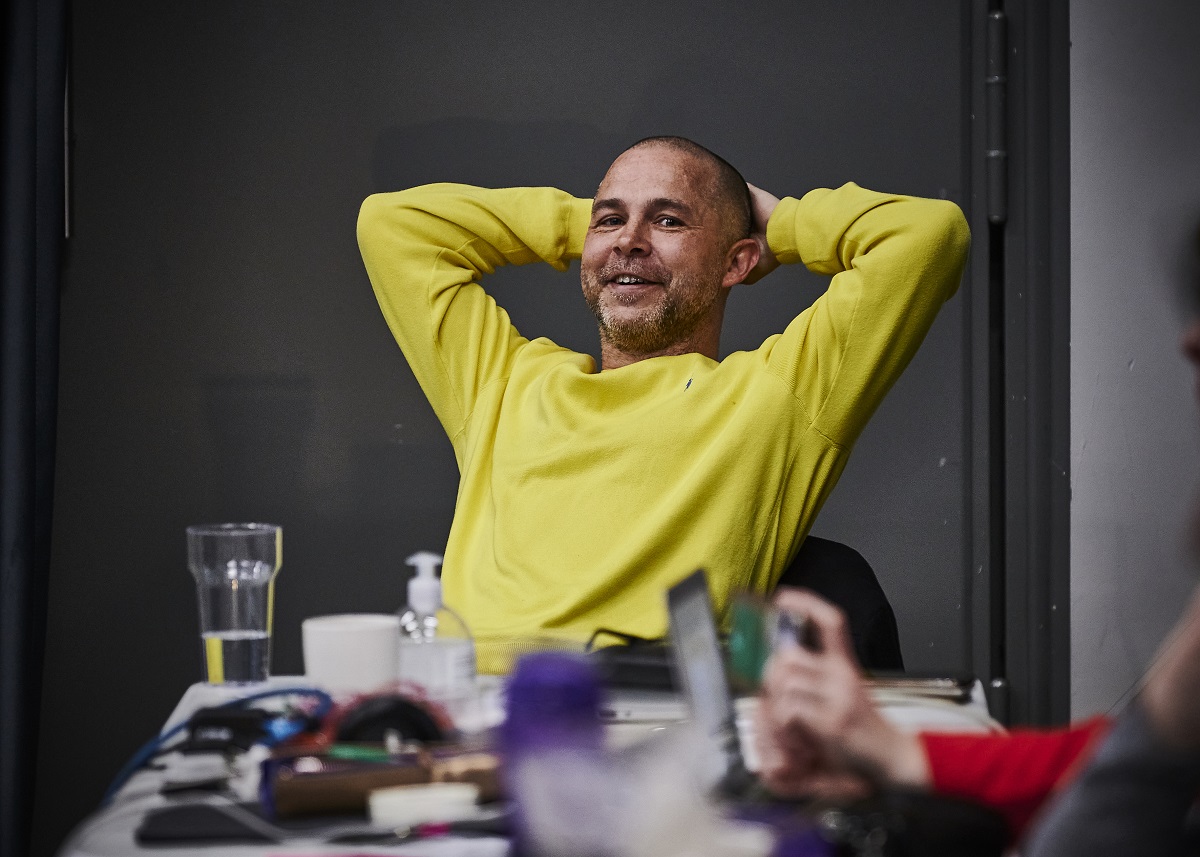
Hari Berrow profiles four Welsh stage productions which are set to trek up to Edinburgh next month – after preview performances in Cardiff – and jostle for attention as part of Britain’s biggest arts festival: Songs From Across The Sueniverse, Frogs In Bogs, Circle Of Fifths and Owl At Home.
This year, some of the most iconic pieces of Welsh touring theatre in recent years are travelling to the Edinburgh Fringe, with financial help from Arts Council Wales’ Cymru Wales in Edinburghfund. While this is only the scheme’s second year, the Sherman Theatre – with experience in taking shows to Edinburgh through the Pleasance partnership scheme – will assist in marketing for each show during August.
Four Welsh shows from the last five years are taking to the Scottish capital’s stages. Songs From Across The Sueniverse, the third instalment in the Sue Timms Saga, was first staged in 2022. Co-written by Lost Boys And Fairies’ Daf James (who also plays the title role) and The System’s Ben Lewis, we find Sue setting out on a magical trip across Wales in search of a miracle after being evicted from her home. “The world has changed since we first took My Name Is Sue to Edinburgh in 2009,” says Daf, “but Sue’s joyful, unassailable spirit hasn’t, and she has much to say on the matter.”
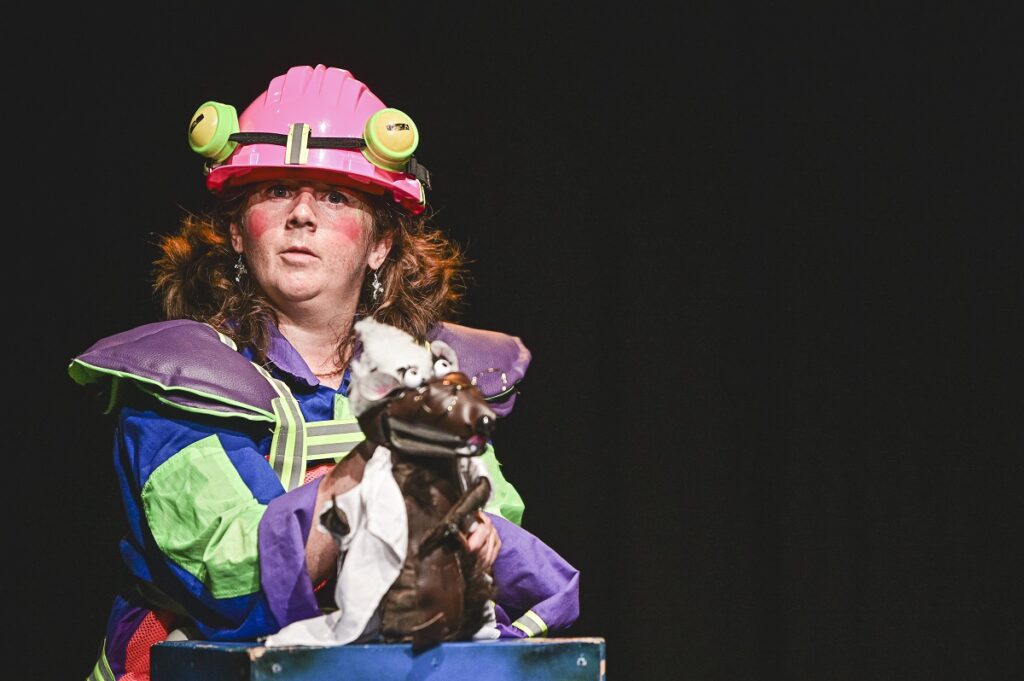
Familia’s Frogs In Bogs, originally staged in 2023, sees a group of vigilante frogs escape from prison to clean up the city’s sewers: “If you have a pollution problem and no one else can help, if you can find them, you can hire… Frogs In Bogs!” Notwithstanding the 80s TV show references, and indeed the themes of ecosystem breakdown touched on, the show is suitable for all ages: colourful costumes, an abundance of silly jokes and music from HMS Morris frontwoman Heledd Watkins. According to Familia artistic director Becca Cox, “It’s about fun, silliness and joy. We want to inspire activism through poo jokes and epic dance moves.”
Gavin Porter’s Circle Of Fifths began life as a National Theatre Wales production, with a round of site-specific performances in Cardiff received with acclaim in 2022. Following NTW’s closure at the end of 2024, Porter is taking the show to the Fringe under his own name. Devised as an outlet for collective grieving post-lockdown, the show took audiences through the stages of a Butetown funeral and showed that marginalised performers and audiences could take centre stage in the Welsh arts.
“Myself and the cast are really honoured to be taking Circle Of Fifths to Edinburgh and sharing our story with the world,” Porter told me. “It’s a personal show to all of us, telling part of the amazing story of Butetown, Tiger Bay and Cardiff Docks. With dwindling recourses, and it becoming harder and harder to stage work in Wales, it is more vital than ever that ACW provides the opportunity for Welsh artists to showcase their work on an international platform such as the Edinburgh Fringe.”
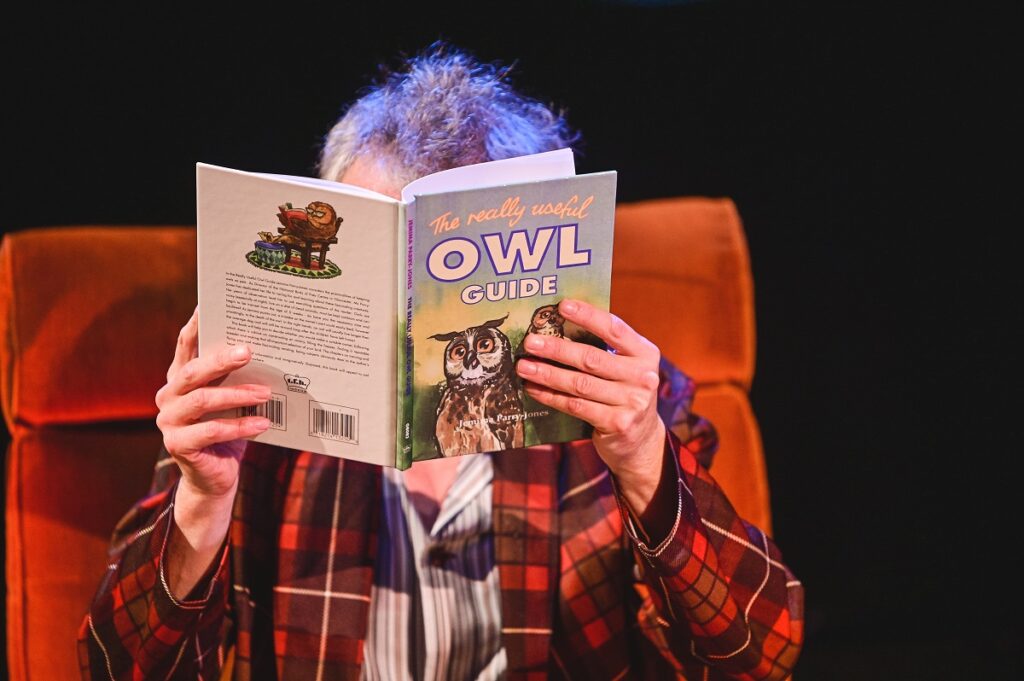
The final Welsh show heading to Edinburgh is Owl At Home, Theatr Iolo’s widely praised 2022 production of the children’s book by Arnold Lobel. The show centres on a lonely owl who travels into his own imagination, and, through that, manages to find a friend to bring him back to Earth. Theatr Iolo’s artistic director Lee Lyford says, “Owl At Home travels to Scotland with success in his feathers having already toured China and parts of Europe. We hope the exposure of the fringe will open more international pathways for this visual, funny and moving show.”
While Welsh artists have been travelling to the fringe for years, the fund marks a major move to support Welsh theatre’s reach. The theatre makers themselves have told us how important they think it is; it’ll be exciting to see how the investment pays off.
Edinburgh Festival Fringe, Fri 7-Mon 31 Aug.
Info: Songs From Across The Sueniverse / Frogs In Bogs / Circle Of Fifths / Owl At Home
Owl At Home, Sherman Theatre, Cardiff, Sat 1 Aug (tickets: £12/£8 kids. Info: here); Circle Of Fifths, Butetown Community Centre, Cardiff Bay, Wed 5-Sat 8 Aug (tickets: £12/£18 supporters. Info: here); Songs From Across The Sueniverse, Sherman Theatre, Cardiff, Wed 19 + Thurs 20 Aug (tickets: £12/£8 kids. Info: here).
words HARI BERROW

[noscript_1]
A man who was paralysed from the chest down is now able to feed himself and feel the sensation of touch after a revolutionary brain implant ‘rewired’ his nervous system.
Keith Thomas, 48, from New York, broke his neck in July 2020 after diving into a swimming pool.
He regained consciousness in hospital to find that he ‘couldn’t even move.’
The following October, he joined a clinical trial which saw researchers implant a computer chip into his brain, which has not only helped him regain control of his arms and hands, but also partially restored his sense of touch.
Now, even when the device is turned off, he can lift his arm to wipe his own face, feel his sister’s hand and stroke his pet dog – in an ‘encouraging’ breakthrough for paralysis patients.
Publishing their findings in the journal Nature, Professor Chad Bouton, from the Feinstein Institutes for Medical Research, said: ‘For me this is an incredible moment.
‘For years, we have been wanting to really tackle the restoration of movement and the sense of touch and bring those together and we’ve also wanted to create lasting effects.
‘I think we’re going to continue to see progress and I think it’ll be applicable to the millions of folks around the world who really need this technology.’
When Thomas was fitted with the device in 2021 – which uses electrodes implanted in his brain to detect when he wants to move his arms – he couldn’t lift his arms at all.
Now, after 35 weeks of training with the device, the strength in his right arm has increased by 86 per cent, while his left is 62 per cent stronger, enabling him to feed himself and drink from a cup.
In the tests, Thomas was even able to handle delicate objects such as egg shells.
Thomas was also fitted with pressure sensors on his hands, fingers and thumb which monitor contact with objects and send signals back to the implant to stimulate the feeling of touch.
This technique, known as cortical mirroring, has allowed Thomas to regain a sense of touch in his right wrist – a region that had been numb since the accident.
‘In a recent follow up, it was found these gains were still present after more than two years,’ Prof Bouton added
Thomas can now move his arms and hands and feel sensation of touch after being fitted with a device that bypasses his spinal cord injury
Whilst it is unclear exactly how much function and sensation the brain-computer interface can restore to paralysed patients, researchers say Thomas’ results are ‘incredibly encouraging’.
Further research is now needed to see how it will benefit patients with different spinal cord injuries.
The spinal cord carries electrical messages from the brain to the rest of the body. But if there is any damage to the cord, then the message will not get through.
People with spinal cord injuries can lose all movement and sensation below the injury.