Vale 50+ Strategy Forum
  • Home
  • Activities
  • Blog
  • Groups
    • Arts, Crafts & Leisure
    • Black Minority Ethnic
    • Climate Change
    • Health and Social Care
    • Housing
    • Transport
  • Money
  • Newsletter
    • Forum Newsletter
    • Weekly Email Newsletter
  • Podcasts
  • Scams
  • Calendar
  • Help
    • About Us
    • Contact Us
    • Documentation
    • Herald
    • Join the Forum !
    • News
    • Privacy Policy
    • Statistics
    • Useful Links
    • Vale of Glamorgan 50 Plus Safeguarding Policy
    • Members
Vale 50+ Strategy Forum
  • Home
  • Activities
  • Blog
  • Groups
    • Arts, Crafts & Leisure
    • Black Minority Ethnic
    • Climate Change
    • Health and Social Care
    • Housing
    • Transport
  • Money
  • Newsletter
    • Forum Newsletter
    • Weekly Email Newsletter
  • Podcasts
  • Scams
  • Calendar
  • Help
    • About Us
    • Contact Us
    • Documentation
    • Herald
    • Join the Forum !
    • News
    • Privacy Policy
    • Statistics
    • Useful Links
    • Vale of Glamorgan 50 Plus Safeguarding Policy
    • Members
Saturday, October 10, 2026
Vale 50+ Strategy Forum
  • Home
  • About Us
  • Contact Us
Copyright 2021 - All Right Reserved
Health newsRecent Post

I tried every diet going AND weight-loss jabs… but nothing worked. Then I lost 12lbs in just six weeks thanks to a simple healthy eating rule… and it totally changed the way I think about food

by David Jones 05/07/2026
written by David Jones

For as long as I can remember I’ve battled with my weight. 

At my heaviest two years ago, I was 14st 11lb – at 5ft 4in my body mass index (BMI) was 36, meaning I was obese. And I knew it was damaging my health.

Tests showed I was prediabetic, edging towards type 2, and I hated looking in the mirror.

I had mastered the art of standing behind people in photographs, hiding behind oversized smocks and baggy jeans. 

Every Monday I’d say: ‘This week it all changes,’ vowing to start another diet. But, like clockwork, every Friday I’d be opening the prosecco, good intentions forgotten.

As a 45-year-old mother-of-one, my experience is far from unique. Between the sleepless nights, juggling a full-time career as a freelance journalist, approaching perimenopause and keeping up with a toddler, taking care of myself always came last. 

I’d been a yo-yo dieter, but after turning 40 the extra weight was ever harder to shift.

Every time I convinced myself to do something about my weight, I focused on a new diet trend. 

I’ve tried everything including the Atkins diet, Slimming World and Rosemary Conley’s Hip and Thigh Diet. I’d lose a few pounds but always found them again fairly quickly.

When I went on Mounjaro weight-loss jabs last year I lost 2st 5lb in six months, but stopped after developing inflammation in my gallbladder – a side effect of rapid weight loss.

The jabs helped me reach a weight I hadn’t seen in years. But instead of feeling healthier I felt exhausted. I had no energy, struggled to exercise and relied on vitamin B12 injections just to function.

And then, inevitably, I regained more than a stone – two-thirds of the weight I’d lost.

I tried every diet going AND weight-loss jabs… but nothing worked. Then I lost 12lbs in just six weeks thanks to a simple healthy eating rule… and it totally changed the way I think about food

Lynn Carratt, 45, lost 12lbs in six weeks in The 30g Plan. She says: I’ve found a way of eating that fits around real life, fuels my workouts and doesn’t leave me feeling deprived’

At her heaviest, Lynn was 14st 11lb – at 5ft 4in her body mass index (BMI) was 36, meaning she was obese. And she knew it was damaging her health

At her heaviest, Lynn was 14st 11lb – at 5ft 4in her body mass index (BMI) was 36, meaning she was obese. And she knew it was damaging her health

The idea is you stay fuller for longer while also improving gut and digestive health and boosting your immune system. It sounded ideal.

It was a wake-up call. I promised myself something had to change. I needed to lose weight differently with a lifestyle I could live with.

More than anything, I wanted my energy back so I could run around after my daughter Mia, four, without feeling permanently exhausted. 

Then earlier this year a friend mentioned nutritionist Emma Bardwell and her 30g Plan.

Her evidence-based philosophy is surprisingly simple: 30g protein every meal, 30g fibre a day and 30 different varieties of plant a week.

The only problem? I don’t enjoy cooking. So would it work for me?

Week One: Breaking the snack habit

Starting weight: 90.4kg (14st 2lb)

Preparation, I quickly learn, is key. Picking out recipes from Emma’s The 30g Plan Cookbook, I add ingredients to my online shop and note, with horror, that the cost has rocketed to nearly double.

Suddenly I’m buying ingredients such as flaxseeds and edamame beans and, much to my husband’s horror, £5 vanilla bean paste. But I’m committed now.

Usually my breakfast consists of two coffees and maybe, at a push, a protein bar. But instead I’m prepping pots of Greek yogurt and ingredients such as chocolate, pistachio nuts, banana and chia seeds.

Surprisingly it only takes 20 minutes to prepare several breakfasts at once, and they taste delicious. Lunches become just as straightforward. Butter beans and feta on sourdough with cottage cheese, peas and edamame quickly becomes a favourite because it requires very little effort.

Emma Bardwell's evidence-based philosophy is surprisingly simple: 30g protein every meal, 30g fibre a day and 30 different varieties of plant a week.

 Emma Bardwell’s evidence-based philosophy is surprisingly simple: 30g protein every meal, 30g fibre a day and 30 different varieties of plant a week.

The 30g Plan was developed by nutritionist Emma Bardwell, pictured above, after she found her health began to suffer in midlife

The 30g Plan was developed by nutritionist Emma Bardwell, pictured above, after she found her health began to suffer in midlife

But the biggest surprise is I am genuinely not hungry. Normally by 3pm I’m rummaging through the cupboards, but now I am not thinking about food at all. For someone who’s spent years battling cravings, that feels almost miraculous.

Week Two: Finding meals I actually enjoyed

Weight: 89.3kg (14st 0lb)

Stepping on the scales I’m absolutely thrilled to see I’m 2lb down despite not at all feeling like I’m dieting. The cooking is a faff but I decide on one rule – if a recipe takes more than 25 minutes, I’m not making it. Life is busy enough.

I also work out how to throw meals together myself that fit the plan. 

First, I get my head around what 30g of protein actually looks like. That’s roughly 200g of Greek yogurt, a chicken breast, a salmon fillet or 200g of tofu. 

Do you want to lose a stone in six weeks?


Hi, I’m Emma Bardwell, a nutritionist with more than 15 years’ experience helping people improve their health and lose weight.

I’ve been there. I was overweight, unhappy with my skin and stuck in a rut. Then I changed the way I eat. You can now do the same with my tried-and-tested healthy eating plan. And for DailyMail+ subscribers, it’s completely free. 

Click here to sign up and start your journey

It doesn’t have to come from one food either – cottage cheese, eggs, lentils and nuts can all be combined to reach the 30g target.

Then every meal needs a source of fibre to help me reach the 30g-a-day target, such as a bowl of porridge (5g), a slice of wholemeal bread (3g), half a tin of beans or lentils (8g), a cup of raspberries (8g), a tablespoon of chia seeds (5g) or a few almonds (4g). 

Combined with a range of vegetables to hit the 30 plants-a-week goal, meals feel huge and filling.

I start working with a trainer at AdMac Fitness who encourages me to increase my daily step count and introduces weekly weigh-ins to keep me accountable. 

Seeing numbers drop is satisfying, but the energy boost is better. After months of forcing myself through the day, I am finally wanting to exercise again.

Week Three: More energy and focus

Weight: 88.4kg (13st 13lb)

Something has shifted and I’m no longer constantly thinking about my next snack.

Instead I’m focusing on what I can add to hit my targets – a scoop of cottage cheese, more chia seeds or a dollop of yogurt.

Planning what to eat, rather than worrying what I can’t have, is a much healthier mindset. I’m also more focused and my concentration has improved.

By mid-afternoon I’d normally need a nap, but that isn’t happening. And overall I feel like myself again. My husband James comments I seem particularly cheerful, and I have to agree.

I’m looking forward to reformer pilates classes and have restarted the Couch To 5k running programme, which I abandoned during Covid when I became pregnant. I’m not gliding gracefully around the park but I’m out there, which feels like progress.

In the evenings I used to be really fatigued, but now I’m putting on a wash, cooking dinner and staying on the go until 9pm.

I also notice something else surprising: my weekly food bill has started to come down.

Stocking up on store cupboard essentials is expensive, but they last for ages.

And because I’m not constantly buying convenient meals, grabbing lunch to go or topping up on snacks every few days, I’m spending less overall.

Lynn's breakfasts included pots of Greek yogurt and ingredients such as chocolate, pistachio nuts, banana and chia seeds - which take only takes minutes to prepare

Lynn’s breakfasts included pots of Greek yogurt and ingredients such as chocolate, pistachio nuts, banana and chia seeds – which take only takes minutes to prepare

Lunches were just as straightforward. Butter beans and feta on sourdough with cottage cheese, peas and edamame became Lynn's favourite, because it requires very little effort

Lunches were just as straightforward. Butter beans and feta on sourdough with cottage cheese, peas and edamame became Lynn’s favourite, because it requires very little effort

Week Four: Better digestion

Weight: 87.6kg (13st 11lb)

Twice  a week I spend 20 minutes preparing breakfasts and lunches, and Emma’s dinner recipes mean there are usually leftovers too.

It saves both time and money, but more importantly it stops me reaching for convenient food simply because I’m busy.

I still snack, but it’s more mindful. Instead of demolishing half a packet of sweets I grab grapes, a banana or some Greek yogurt, which is a huge achievement.

And I’ve started looking at vegetables differently. Instead of treating them as an optional side, I make them the foundation of almost every meal. 

Tomatoes and spinach with an omelette at breakfast; peppers, cucumber and edamame at lunch; roasted broccoli, or courgettes with dinner. They count towards my 30 plants a week, add fibre and bulk out meals. I’m also less bloated and my digestion has improved – everything has become very regular.

I also start noticing I’m physically stronger during workouts.

The real test comes when I go to watch Take That perform and climb what feels like a million stairs to reach my seat. Normally I’d be puffing halfway up. Instead, I make it to the top thinking, ‘Actually, that wasn’t too bad.’ Little victories like that mean far more than another pound disappearing.

Week Five: Lighter and happier

Weight: 86.8kg (13st 9lb)

The weight is coming off steadily and my dresses feel looser.

The slower approach feels healthier than the rapid weight loss I had on Mounjaro.

My mood is improving and I’m less snappy as I’m sleeping better too. I always struggled to drop off at night, sometimes tossing and turning for hours. But I’m falling asleep more easily, which means mornings feel more positive.

Everything definitely feels like less of a struggle and I’m feeling genuinely relaxed about food.

I’m not panicking about going out for dinner, although I am making good choices. Rather than just going for a salad, I choose something that contains protein and fibre and will fill me up: a chicken dish or risotto that ticks boxes and won’t leave me hungry.

The 30g Plan Cookbook by Emma Bardwell. Photography by Kate Whitaker

The 30g Plan Cookbook by Emma Bardwell (Vermillion, £20.00) Photography by Kate Whitaker 

I want this to be real life, not another plan I abandon.

One meal never ruins your progress. I’ve spent years believing I either have to be perfect or I’ve failed completely. 

Finally, I realise it’s about what you do most of the time. For the first time in years, I feel like I’m learning habits I can actually stick to.

Week Six: More than just weight loss

Final weight: 85kg (13st 5lb)

By the end of six weeks I’ve lost 12lb. But what I’m proudest of is how I feel. I have more energy. I’m sleeping better. Exercise no longer feels like punishment.

Of course, I’d like to lose another 3st ideally. I’ve got a trip to Ibiza booked later this year and would love to feel more confident in a swimsuit. I’m still a size 18 and would like to be a 14.

I want to look in the mirror and smile instead of spotting everything I’d change. More importantly, I want Mia to grow up seeing a mum who’s healthy, active and full of energy.

Will I stay on the plan itself? Probably not strictly. But I feel comfortable knowing I can adapt my own meals using Emma’s basic tips. I’ll stick with yogurt for breakfast, edamame and cottage cheese for lunch, and cook the occasional meal from her book in the evenings.

I can simplify it because I understand what works and how to apply that. Six weeks ago, I thought I was starting another diet. Instead, I realise I have finally changed my relationship with food.

I’ve found a way of eating that fits around real life, keeps me full, fuels my workouts and doesn’t leave me feeling deprived.

After years of chasing quick fixes, that’s something I never thought I’d say. And it feels like the biggest achievement of all.
How The 30g Plan works – and how you can get the same results 

Thousands  of people have now used Emma Bardwell’s 30g Plan to transform their lives using straightforward, evidence-based rules: consume 30g of fibre a day, 30g of protein at every meal, and at least 30 different plant varieties every week.

It works because fibre and protein slows the progress of food through the gut, making you feel fuller for longer, and reducing the urge to snack. Consuming 30 different plants has also been shown to improve gut health and boost the immune system.

Emma, 54, has told The Mail on Sunday that she devised the diet to ease her own debilitating menopause symptoms such as brain fog, fatigue and a lack of energy which had turned her into a ‘virtual hermit’, and to lose weight after putting on nearly a stone.

And not only did it restore her joie de vivre, but her digestion improved, the excess weight she had gained fell away, and her skin cleared of acne and eczema.

Since then, she has refined her approach into an easy-to-follow plan full of delicious, easy-to-prepare recipes which involves no banned foods, no punishing restrictions, and no obsession with calories.

Now, you could benefit too if you sign up for the MoS’s trailblazing newsletter which gives all Mail subscribers the opportunity to transform their lives in just six weeks by following Emma’s life-altering habits.

While it’s ultimately about boosting your overall health – turbo-charging your immune system, improving digestion, banishing low mood, and transforming your energy levels – by the end of those six weeks you could expect to lose up to a stone. If you’re heavier to begin with, it could be even more.

Every week, those signing up will receive exclusive access to Emma’s evidence-based insights, hints and tips, alongside mouth-watering, filling recipes for breakfasts, lunches and dinners from her new book, The 30g Plan Cookbook.

Our weekly emails will keep you on track throughout those six weeks by offering motivational insight to help you shed the pounds, answers to important questions, and easy meal fixes to help you stack up your protein, fibre and plant goals – all with exclusive recipes which won’t make you give up the foods you love.

Source link

05/07/2026 0 comments
0 FacebookTwitterPinterestEmail
Art Craft and Leisure newsRecent Post

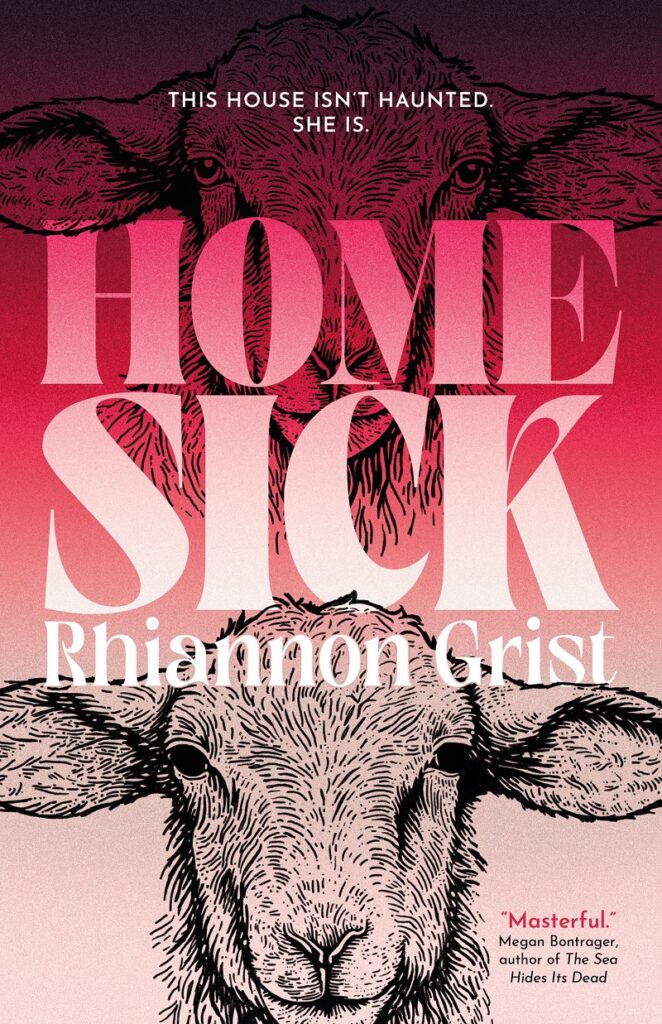
Welsh horror author Rhiannon Grist on her debut novel, Home Sick

by David Jones 05/07/2026
written by David Jones

Following 2023 novella The Queen Of The High Fields, set in her home nation of Wales, Rhiannon Grist returns with Home Sick – a psych-horror novel set in the wilds of her current home, Scotland. Keren Williams asked her some questions about it.

Where did the first idea for this novel come from, and at what point did you realise it was going to become a full-length story?

Home Sick started as a bad joke. My writers’ group was at the pub coming up with horror stories for the socially anxious, and that’s when I came up with the core idea: you move to a cottage in the middle of nowhere, only to arrive and find it’s a semi-detached with a complete stranger living in the other half.  

I didn’t really start working on it until after I moved home in 2021. It was a newbuild and we were still in successive lockdowns, so I wasn’t able to look inside until I moved in. I had such a rough time settling into the new place. Everything felt wrong. And as the months wore on and folk asked how I was getting on, I found myself lying more and more often. Eventually I started writing down the truth of how I was feeling into that bad joke idea. 

I think it was when I had about 10,000 words I realised – this could be a book! I’d originally meant it to be about a family, but the focus shrank down to this one woman and her internal world. It became this claustrophobic, nasty dive into a fractured self that was also dealing with something that may or may not be human next door.

What is it about the weird and the dark that keeps drawing you back as a writer?

The universe is a strange and often frightening place. We still don’t fully understand how gravity works. Light is simultaneously a wave and a particle. There are so many things I’m going to die not understanding about our world. Weird fiction leaves room for the possibility that there are no good or easy to understand answers. 

I have a soft spot for stories about people who go through something strange with little understanding of what exactly just happened to them. Books like Kathe Koja’s The Cipher, Adam Nevill’s The Ritual, Lucy McKnight Hardy’s Water Shall Refuse Them. What’s important is what it means to the character, the stakes and the consequences of their actions. What do the mysteries of life mean to us and how do we find direction in our darkest moments? 

As a Welsh author, in what ways has Wales influenced your writing?

I’m hesitant to generalise about any nation or culture – I don’t like saying things like “storytelling’s in the blood of [insert nationality here]” – but the arts were very culturally important to Wales when I was growing up in the 90s and 00s. I’d compete in the Eisteddfod each year at school, I was a member of multiple drama groups, and choirs were big across my childhood. Both my grandmother and my father were active members of am drama groups and wrote poetry in birthday cards. 

Art wasn’t just a special pursuit for those who could afford it. It was an integral part of the community. Pantos, choirs, comedy skits at your work Christmas party. Even today, my dad still performs in an Oasis cover band that’s been doing the rounds of pubs in south Wales.

That access to the arts growing up has had a massive impact on my writing. I was exposed to Dylan Thomas in my early teens, Monty Python sketches and The Goon Show even younger than that, and Welsh folk songs from day dot. I grew up hearing what could be done with words.

You won the British Fantasy Award for Best Novella in 2023. How different was the experience of writing your debut novel, and did anything about the process surprise you?

I actually wrote my first novel-length work when I was 13. In school, I was that smart, slightly odd kid who couldn’t quite gel with other children their age, so I spent a lot of time inside my head. Eventually one of my daydreams got so big I was scared of forgetting it, so I started writing it down. I wrote three books – none published of course, I hadn’t the first clue about that – before leaving school at 18, so I’ve been comfortable drafting novel-sized work for a while now.

I wrote another book in my twenties but again had no idea how to edit it, let alone where to send it. Then I finally took the advice of multiple writers and joined a crit group and started working on short fiction. I’d stupidly resisted this for a long time, and discovered fairly quickly that, yes, you can improve a lot when you focus on honing shorter pieces and get feedback from other writers.

I’d say the main difference between writing a novel and writing shorter pieces, at least for me, is bandwidth. With a novel there’s just more to hold in your head. When I’m deep in a novel, it’s like I’ve got one foot in this world and the other in the book. It can make you a bit absent-minded. In general, I’d say every book is different and surprising. Just when you think you’ve got your process sorted, the next story comes along and knocks you back to square one. 

Were there any particular authors or books that influenced this novel, or that have shaped the kind of writer you’ve become?

I saw a student production of Sarah Kane’s 4.48 Psychosis at university which has stayed with me a long time. It’s honest and brutal and totally arresting. I liked Ottessa Moshfegh’s My Year Of Rest And Relaxation and Shirley Jackson’s The Haunting Of Hill House for similar reasons, so readers might see their influence in Home Sick as well.

The horror of Home Sick probably leans closer to Mark Z Danielewski’s House of Leaves, Andrew Michael Hurley’s The Loney and Arthur Machen’s The Great God Pan than, say, a slasher – though there are a good few gory moments later on. I love eerie, oppressive spaces where the environment is its own character.

Home Sick - Rhiannon Grist

When writing horror or unsettling scenes, how do you decide what to reveal and what to leave to the reader’s imagination?

I think most folk know the basics by now. Be picky with your details at first. Give just enough to outline the terrifying thing, but let the reader’s mind fill in the rest. If you describe it too much, it loses its mystique which is a big part of the fear. By the time a monster is revealed, writers and filmmakers generally rely on disgust to carry the horror onward. That’s when you want to use a lot of detail.

Something I’m specifically experimenting with right now is using segments of stillness. You know those moments in a horror movie where you’re searching the darkness on screen, looking for something wrong? I want to bring that tension to the page.

Without giving away spoilers, what was your favourite part of Home Sick to write?

My mind changes every time I’m asked this! There’s a moment about a third of the way through, where Tamsin does something a little unexpected. Something that sort of breaks the rules for that scene. When I was first writing that part of the book, I was concerned it was a little paint-by-numbers. I’d recently read some advice online that when your story is feeling a little stale, you should think of the worst weirdest thing that could happen. 

So I did – and then I wrote the next few chapters like I’d stolen a car, fast and off the beaten track. The whole time I was worrying that I’d irrevocably ruined the book and that there was no way I could get the story back on track. Funnily enough, that one surprising action ended up tying together with Tamsin’s character and the rest of the story pretty nicely. So I guess the risk paid off.

Home Sick is published on Thurs 16 July via Solaris.

Price: £9.99. Info: here

words KEREN WILLIAMS

Source link

05/07/2026 0 comments
0 FacebookTwitterPinterestEmail
Health newsRecent Post

Mum’s dizzy spells lead to discovery forcing birth 9 weeks early tomorrow

by David Jones 05/07/2026
written by David Jones

Mum’s dizzy spells lead to discovery forcing birth 9 weeks early tomorrow

Amy Carroll, right, thought that her gestational diabetes was making her dizzy (Image: Amy Carroll/SWNS)

A pregnant mother who dismissed her dizzy spells as a symptom of gestational diabetes has been left devastated after discovering she had a brain tumour — and must now give birth nine weeks prematurely on Monday. Amy Carroll, 34, was diagnosed with gestational diabetes at the outset of her fourth pregnancy and attributed her fainting episodes to the condition.

However, when she suffered a seizure in bed beside her partner Torrin Sirus, 36, she was rushed to hospital at 3am on June 17. Two days later, following a CT and MRI scan, doctors confirmed Amy had stage four brain cancer with seven masses on her brain.

Specialists at John Radcliffe Hospital, Oxford, subsequently established it was a secondary cancer linked to the breast cancer she had beaten in 2021. With treatment being so urgent, doctors have scheduled an emergency C-section on Monday, July 6, when Amy will be almost 31 weeks pregnant.

Amy, a support worker and mindset coach from Great Addington, Northamptonshire, said: “This pregnancy saved my life because I didn’t realise I was ill. After my breast cancer treatment, I was told I could never have kids, so this baby is a miracle.

“At the start of my pregnancy, I started to feel unwell and was diagnosed with gestational diabetes for the first time ever. I was feeling a bit dizzy and faint, but thought it was a side effect of the diabetes and tried to shake it off.

Amy Carroll brushed it off as a symptom of her gestational diabetes

Amy Carroll brushed it off as a symptom of her gestational diabetes (Image: Amy Carroll/SWNS)

“Then my partner woke up to me having a seizure and an ambulance rushed me to hospital, I don’t remember any of that. Within a couple of days, they told me the cancer had come back and there were seven masses on my brain.”

The mother-of-four was first diagnosed with breast cancer in 2021 after undergoing cosmetic surgery on her breasts following breastfeeding.

She explained: “I had my boys quite young and my boobs looked different, so I went and had breast surgery. That was when I noticed the little lump that turned out to be breast cancer.

“I ended up having chemotherapy, radiotherapy and eight different surgeries. I’m past the point of caring what my boobs look like now, but that cosmetic surgery saved my life as I wouldn’t have known I had cancer then.”

Amy Carroll, left, is having to give birth prematurely

Amy Carroll, left, is having to give birth prematurely (Image: Amy Carroll/SWNS)

The secondary cancer diagnosis has devastated the family, with her partner Torrin remaining by her side throughout. Medical staff have now arranged her C-section for July 6, enabling her to begin radiotherapy treatment the week after.

Speaking from her hospital bed, Amy revealed: “After my breast cancer chemo, the doctors told me that I couldn’t have kids ever, so even to get pregnant was an absolute miracle. We found out over Christmas and the baby was due on my birthday, which felt extra special.

“Now he is coming on Monday, I’ll have to be put under general anaesthetic then, fingers crossed, when I come round I can see him. They said babies at this age should recover well and the doctors have been very reassuring.

“We have decided to name him Arlo Atlas Sirus. When I start treatment, I won’t be able to be with the baby all the time, which is going to break me; I’ve got to see how I am after each treatment. When I do have chemotherapy, I won’t be able to touch him at all, which will be so hard.”

Throughout her treatment, Amy, a tattoo model by profession, has expressed deep concern over the potential side effects she may face.

She said: “There are so many potential complications after these surgeries, including memory loss, balance issues, loss of eyesight and inability to talk. I just don’t want to forget my life and my kids, I just don’t want to lose that.”

Amy’s three other sons, aged 18, 12 and eight, have yet to visit her in hospital.

She told Talk to the Press: “The boys haven’t been able to visit yet, but they are coming up later this week before I go under general anaesthetic as I look at the worst case scenario. We’re going to go to Costa and just have a nice time. I just want my kids to have a bit of normality in the six-week holiday coming up, so I hope everything goes well.”

Amy Carroll was pregnant with her fourth child when she began feeling faint

Amy Carroll was pregnant with her fourth child when she began feeling faint (Image: Amy Carroll/SWNS)

Following her recovery from breast cancer, Amy threw herself into fundraising for others facing similar circumstances, forging numerous friendships along the way. One such friend, Kirsty Wilkinson, launched a JustGiving page to help support Amy.

Amy explained: “When I beat cancer the first time, I started fundraising as it helped me and was good to help people. I wish I had this support when I was going through it the first time, as if you’ve got the right people and support then that helps you get up every morning.

“I was so shocked and surprised when Kirsty set up my JustGiving. I’ve fundraised for others but never for myself before so I was taken aback, but it was so lovely and so thoughtful of her.”

Source link

05/07/2026 0 comments
0 FacebookTwitterPinterestEmail
Local newsRecent Post

Welsh employers recognised for apprenticeship schemes

by David Jones 05/07/2026
written by David Jones

Farm Foods, Farmers Pantry in Llantwit Major, and Penycae Inn near Swansea were named large, medium, and small employer of the year respectively at the Cambrian Training Company awards, recognising their achievements in apprenticeship programmes.

Faith O’Brien, managing director of Cambrian Training Company, said: “These employers demonstrate the difference strong apprenticeship partnerships can make.

“Their achievements are truly inspiring.

“By nurturing talent, building clear progression routes and embracing innovation they are strengthening their workforces and helping secure the future of their industries.”

The awards, organised by the Welshpool-based work-based learning provider and its partners, celebrate employers, learners, and practitioners excelling in programmes delivered across Wales.

Farm Foods was recognised for its apprenticeship scheme that develops staff in customer service, stock control, compliance, and leadership.

Farmers Pantry, based in Llantwit Major, was praised for overcoming industry skills shortages by training butchers and technical staff in-house.

Rhodri Davies, owner of Farmers Pantry Butchers, said: “This award is a reflection of the hard work, commitment and dedication shown by every member of our team.”

Dawie Beyers, operations manager, said: “We have worked closely with Cambrian Training for many years and greatly value the support, guidance and expertise they provide.”

Penycae Inn was celebrated for its inclusive apprenticeship programme, which has developed talent in all areas of the business, including a new hotel.

Its front-of-house waiter, Aaron Jones, also won Apprentice of the Year.

Anthony Christopher, who co-owns Penycae Inn with his wife Claire said: “The award is lovely recognition for the years training staff but we could not have achieved this without our young people.”

Twenty-seven finalists competed for the awards, with three shortlisted in each of the nine categories.

Source link

05/07/2026 0 comments
0 FacebookTwitterPinterestEmail
Health newsRecent Post

I was exhausted, wobbly on my feet and plagued by brain fog. 1 in 5 adults over 50 have this hidden condition. GPs regularly miss it and left untreated it’s fatal – but there’s a simple fix. These are the early warning signs you MUST know

by David Jones 05/07/2026
written by David Jones

For Zita Wells it took a ‘funny turn’ while shopping at her local chemist to realise that something was very wrong with her health.

The pet carer, 45, had been feeling more tired than usual in recent months – and regularly found herself breathless on dog walks that didn’t usually make her break a sweat.

‘I couldn’t understand why I felt so shattered, but as it happened so slowly there didn’t seem to be anything I could pinpoint,’ said Zita, who lives in Sussex. ‘I was usually super-active but my body just felt like it was made of lead. I tried to get more sleep but that didn’t help.’

Then, while out shopping for an upcoming holiday, Zita encountered a new sensation.

‘I was overcome with a strange feeling of weakness and wobbliness, and found myself sliding to the ground, despite being totally conscious,’ she says. ‘My body became floppy. One moment I just felt a bit vacant, and the next I was on the floor.’

After booking an urgent appointment with her GP, Zita was sent for blood tests. Within days she had an answer: she was severely deficient in vitamin B12, an essential nutrient responsible for producing red blood cells, repairing DNA and maintaining a healthy brain and nervous system.

‘I didn’t know what B12 was until I learnt that I was deficient in it,’ said Zita. ‘But as soon as I heard the symptoms listed, it all made sense.’

Experts say Zita is one of a growing number of Britons being hit by a silent epidemic of vitamin B12 deficiency – dubbed the ‘hidden hunger’.

I was exhausted, wobbly on my feet and plagued by brain fog. 1 in 5 adults over 50 have this hidden condition. GPs regularly miss it and left untreated it’s fatal – but there’s a simple fix. These are the early warning signs you MUST know

Zita Wells almost fainted in her local chemist – and after urgent blood tests was diagnosed with a B12 deficiency

Cases of B12 deficiency appear to be soaring. Experts say this is partly because symptoms, such as fatigue and brain fog, are non-specific and common to many other problems

Cases of B12 deficiency appear to be soaring. Experts say this is partly because symptoms, such as fatigue and brain fog, are non-specific and common to many other problems

Current figures estimate that about one in 20 Britons are affected, with older adults even more at risk – data shows the condition affects as many as one in five adults over the age of 50.

And cases appear to be soaring. The number of patients hospitalised with the condition has tripled since 1999 alone. Yet for many, B12 deficiency – which can cause a wide range of vague symptoms, including fatigue, brain fog, a sore tongue and tingling in the hands and feet – is still going undiagnosed.

Experts say this is partly due to symptoms developing slowly over a few years – and the fact they tend to be non-specific and common to many other problems.

But even more concerningly, they say, available tests for the condition are also deeply unreliable – correctly identifying it just 50 per cent of the time. As a result, millions of Britons could be living with deficiencies for years – risking irreversible nerve damage, heart failure and even death.

‘Two decades ago the medical establishment thought that nutrition in developed countries was no longer a problem – because we eat plenty of food,’ says Professor Martin Warren, a synthetic biologist at the Quadram Institute.

‘It’s only in the past five years or so that people have been discovering the worrying problems we’re still having with nutrition levels. And B12 deficiency is a key example of that.

‘More and more Britons are struggling with it. And the older you get, the more prevalent it is. Yet we still don’t have adequate testing – or enough awareness about the condition. People are slipping through the net.’

Also known as cobalamin, B12 is mainly found in animal and dairy products such as meat, fish, eggs, milk and cheese.

Most people will get enough of the nutrient from a normal, balanced diet alone – the recommended intake is 1.5 micrograms a day, which can be found in two large hard-boiled eggs, or a 3-ounce cut of beef.

But those who follow a vegetarian diet are far more likely to have insufficient levels – while vegans are almost guaranteed to be deficient.

People who eat a diet high in ultra-processed foods may also be more at risk, research shows, as high-sugar, high-salt and high-fat products ‘crowd out’ more nutritious staples, leading to deficiencies.

In most cases, vitamin B12 deficiency causes relatively mild symptoms, such as fatigue, pale skin, a sore or swollen tongue, and difficulties with concentration and memory. However, in severe or prolonged cases it can lead to serious complications, including vision loss, heart problems, cognitive decline, dementia-like symptoms, stroke and, in rare instances, psychosis.

The condition made headlines this year after the death of university student Georgina Owen, 21, who took her own life while experiencing what a coroner described as ‘delusional beliefs’ linked to a severe vitamin B12 deficiency caused by her vegan diet and failure to take supplements.

An inquest heard that Ms Owen, from Essex, had displayed erratic behaviour and a marked deterioration in her mental health in the weeks leading up to her death.

Most of the time, when B12 deficiency is caused by a restrictive diet, experts say the solution is simple – vitamin B12 supplements are available over the counter and work well for most. Others, however, will struggle to metabolise the vitamin regardless of how much they consume – requiring regular B12 injections to keep their levels topped up.

The autoimmune condition pernicious anaemia can cause B12 deficiency when immune cells attack healthy cells in the stomach, rendering it unable to absorb vitamin B12.

Certain drugs – including proton-pump inhibitors such as omeprazole, which reduce stomach acid, and the diabetes medication metformin – can also cause B12 deficiency by blocking the body’s ability to process it.

I THOUGHT IT WAS THE MENOPAUSE

When Lucy Smith’s Apple Watch suddenly told her to see a doctor immediately due to changes in her heart rate, the mum of two assumed it was a stroke.

‘I had previously been diagnosed with high blood pressure, so I immediately thought the worst,’ says Lucy, 54, who runs a small business in Devon.

‘But when I got to the GP’s office, he looked at the data from my watch and instead sent me for blood tests, to see if I was anaemic.’

B-12 injections immediately improved Lucy Smith's symptoms

B-12 injections immediately improved Lucy Smith’s symptoms

Lucy wasn’t, but the blood tests did pick up something else that was wrong with her: she had a severe vitamin B12 deficiency.

‘I was put on injections once every three months, and they immediately improved symptoms that I had previously assumed were just the menopause,’ she says.

‘I had been struggling with tiredness, irritability, bleeding gums and not being able to sleep very well for years. Suddenly, these were gone.

‘I feel so much better now.’

But another group of Britons are also at high risk of developing the condition: older adults.

‘As we get older, our body produces less acid in the stomach,’ says Professor Warren. ‘This is what breaks down food and releases B12 into our system – so as a result, adults over 60 are much more likely to become deficient.’

As we age, he adds, we also tend to eat less – which can further exacerbate the issue.

The trouble with this, say experts, is that B12 becomes more important for our bodies the older we get. A number of studies published in recent years have investigated the role the vitamin plays in ageing and muscle function – and revealed a disturbing truth. One 2026 study from Cornell University found that low B12 could interfere with the DNA inside muscle cells – causing muscle wastage and loss of strength.

While the body naturally loses muscle as it ages – leading to increased risk of injury, higher blood sugar levels and reduced mobility – B12 deficiencies could hasten the process, the researchers warned.

However, maintaining adequate levels of the vitamin could reverse the problem, another recent study from the University of Alabama found, examining the effect of B12 supplementation on aged female mice.

This could be an especially important area of research, says Prof Warren, due to our growing understanding of the importance of muscle to healthy ageing – with studies increasingly suggesting that muscle strength is a better predictor of lifespan and mortality than body mass index (BMI). And with an ever-older population – and a rise in vegan and vegetarian diets – the number of Britons deficient in the vitamin is only rising.

‘Older adults are more likely to be on medications that block B12 absorption, as well as naturally producing less stomach acid, so it becomes a perfect storm,’ says Professor Warren.

‘It’s much more common than people realise. In a room of 20 people, one person, statistically, will have B12 deficiency. If it’s a room of over-50s, that shrinks to one in five.

‘Many more than realise it may need to be supplementing the vitamin.’

Despite its prevalence, detecting the condition remains difficult.

The first hurdle, says Dr Ali Niklewicz, a nutrition scientist and researcher at the University of Surrey, is that the symptoms of a B12 deficiency can also be attributed to a wide range of other issues.

‘Tiredness, fatigue, tingling in the hands and feet, brain fog – these are all quite vague,’ she explains. ‘And many people can have a B12 deficiency for a very long time without realising it.’

Many women, like Lucy Smith, wrongly attribute the signs of deficiency to menopause, which can cause similar feelings of fatigue and cognitive impairment, says Professor Warren.

Some believe they have dementia, he adds – and some may even end up being wrongly diagnosed with the condition.

‘Although there’s more awareness now about B12 deficiencies, there’s still very little expertise on the clinical side. Nutrition has dropped off the curriculum for medics in recent decades,’ says Professor Warren.

But even more concerningly, he says, existing tests for the condition are deeply flawed.

‘The most common NHS process is to measure the total amount of B12 in blood serum – but this marker is remarkably unreliable,’ he adds.

‘Because we only need a tiny amount of B12 in the first place, it’s a very hard thing to measure. When someone is already deficient in the vitamin, you’re measuring a tiny amount of a tiny amount. As a result, there’s less than a 50/50 chance that you’ll get the right diagnosis if you are deficient. It’s not really a test that’s worth doing, but we’re still using it.’

Better ways of testing for the condition do exist – but are more expensive and less readily available.

‘There are tests that, rather than looking for B12 in the blood, look for the cells that B12 creates when absorbed by the body. When these aren’t there, it strongly implies a lack of the vitamin – and is a much better measure of deficiency. But they’re much more costly tests to run,’ Professor Warren says. ‘The NHS needs to revise how it handles B12 deficiency.’

At present, patients who do get tested for the condition, yet have results that don’t clearly show a deficiency, are often turned away without treatment.

This was the experience of Catherine Watkin, 57, who spent more than two decades suffering from a B12 deficiency which was so severe that it often left her unable to work.

‘I was a recruiter in London in my early 30s when I suddenly began feeling unbelievably exhausted. I could hardly function – despite changing nothing else in my routine,’ says Catherine. ‘I went to so many GPs and alternative practitioners over the years but they could never find out what was wrong – despite doing numerous blood tests.

Catherine Watkin spent more than two decades suffering from a B12 deficiency which was so severe it often left her unable to work

Catherine Watkin spent more than two decades suffering from a B12 deficiency which was so severe it often left her unable to work

Having spent an estimated £100,000 on treatments, Catherine was eventually put on a course of B12 injections. Within weeks, she felt her tiredness begin to melt away

Having spent an estimated £100,000 on treatments, Catherine was eventually put on a course of B12 injections. Within weeks, she felt her tiredness begin to melt away

‘By my 50s I began to develop neurological symptoms as well – searing pain in the tips of my fingers and brain impairment – and was having to take a lot of time off work.

‘Even going for a shower would exhaust me to the point of having to lie down.’

Over the past 15 years, Catherine tried treatment after treatment to cure herself, spending an estimated £100,000 on therapies for her thyroid and adrenal glands, and even having dental work – but to no avail.

Then, 18 months ago, a new doctor, after hearing her symptoms, immediately suggested B12 deficiency.

Finding a private clinic in Cambridge, Catherine was put on a course of B12 injections, despite her levels showing up as normal on blood tests.

Within just weeks of the first jab, says Catherine, she felt her tiredness begin to melt away.

‘It was miraculous,’ she adds. ‘Today, I’m totally symptom-free. I’m back to living my full, normal life. I just wish I had figured it out earlier.’

While testing remains as it is, the best route to getting more Britons diagnosed with the condition is by raising awareness, say experts.

Anyone – particularly if over the age of 50 – experiencing the typical symptoms of B12 deficiency should raise them with their doctor and ask for a B12 test, they advise.

And as for GPs, says Professor Warren, even if results appear to be in a grey area, it’s better to be safe than sorry.

‘If a patient is getting borderline B12 tests back, GPs should refer them for a more detailed test. Then see if there’s an improvement after taking B12 – and the best way to do this is by getting an injection.’

For those concerned, but who don’t have a deficiency, it’s worth simply being more conscious of what you eat, particularly as you age, says Dr Niklewicz.

‘If you eat a mainly plant-based diet, make sure to take supplements,’ she says. ‘Older adults on various medications are also at increased risk.’

But be sure to take any B12 supplements with a meal – she warns – as this will allow for much better absorption of the vitamin due to the spike in stomach acid needed to digest food.

‘It’s important that people are aware of B12 and nutritional deficiencies in general,’ says Dr Niklewicz. ‘But the good thing about it is that, once found, it’s very treatable.’

Source link

05/07/2026 0 comments
0 FacebookTwitterPinterestEmail
Local newsRecent Post

Period terraced house for sale in Penarth for £480,000

by David Jones 05/07/2026
written by David Jones

According to the listing, the property “has been very well looked after” and offers “excellent potential to modernise and upgrade”. No onward chain is being offered.

The house includes a front garden set back from the pavement, bordered by original brick and stone walls with wrought iron railings and a gate. Mature plants feature in the beds, and there is a pathway with steps and clay tiles leading to the porch. Double glazed windows are found throughout the property.

On the ground floor, the porch has a tiled floor and wood panelled doors with original glazed windows above. The entrance hall contains deep skirting boards, cornice, under stair storage, and leads to both reception rooms and the kitchen via original doors.

The sitting room looks out over Windsor Road through a bay window and retains original picture rails and a cast iron fireplace with gas fire, wooden surround and granite hearth. The second reception room also features period detail, a cast iron grate and slate surround, and an additional rear window.

A kitchen/dining space offers wall and base units with wooden cabinet doors and laminate work surfaces. Integrated appliances include an electric oven and grill, four-burner gas hob, fridge, freezer, and extractor hood. An original style fireplace and views out on to the rear garden are noted.

Upstairs, four bedrooms each have fitted carpet and central heating radiators. Two are double bedrooms with original fireplaces, while the third bedroom is described as ideal for a home office. The fourth, a single, is said to have potential for use as a walk-in wardrobe or en-suite bathroom.

A rear garden, accessed via the kitchen, is paved and bordered by original stone walls. The house also has a garage with lane access, electric lighting, and loft storage.

Source link

05/07/2026 0 comments
0 FacebookTwitterPinterestEmail
Health newsRecent Post

Woman who turned down gastric band and jabs has now lost 9st

by David Jones 05/07/2026
written by David Jones

Woman who turned down gastric band and jabs has now lost 9st

Melanie Sivier said she started gaining weight when she was eight years old (Image: Melanie Sivier/SWNS)

A woman rejected gastric band surgery on the NHS because she ‘wanted to do it the hard way’ and has since shed nine dress sizes. Melanie Sivier, 38, tipped the scales at 159kg – 25st – at her peak – blaming the weight gain on steroid medication, comfort eating and difficulties in her personal life.

Following a holiday with her mum and sister, she resolved to take action and, upon her return, consulted her GP – who suggested gastric band surgery. However, Melanie refused, opting instead to join the gym, ensuring she completed 10,000 steps daily and transforming her diet. She now weighs 98kg – 15st 6lbs – and has gone from a size 32 to a size 14.

Melanie, a finance worker from Croydon, south London, said: “I have just never felt comfortable having something done to lose weight when I know I can do it naturally if I am just patient. Especially with the whole Mounjaro Ozempic phase now, I just don’t feel like there is enough evidence that you are not going to have problems when you are older.

“People who go on the jabs to lose weight have to stay on them to maintain it. I find that scary. It is only meant to be for diabetes, and companies are selling it to people.”

Melanie revealed that her weight during school was so severe it resulted in hypertension, leading to fluid accumulation on her brain, which permanently affected her eyesight. While at college, she experienced depression linked to body image and turned to comfort eating takeaways or puddings and consuming wine, which simply exacerbated matters.

Melanie Sivier before

Melanie Sivier went from a size 32 to a size 14 (Image: Melanie Sivier/SWNS)

It was during a girls’ holiday in 2011 with her mum and sister that Melanie finally resolved it was time to turn her life around. She began swimming and doing aqua Zumba every day for a year, starting with just 25-minute sessions, while overhauling her diet — dropping from a size 32 to a size 26.

Feeling ready to take things further, she began hitting the gym six times a week, walking 10,000 steps daily. Melanie follows a calorie deficit, weighing her food — particularly carbohydrates — while maintaining a high-fibre, high-protein diet and drinking five litres of water each day. She has also abstained from wine for 11 years and can no longer even tolerate the smell of it.

She said: “I realised that I needed to sort my life out and get healthy. I had felt so low for such a long time and I didn’t want to feel like this anymore.

“Everything just completely changed, it was great. The weight just fell off over a period of time. I am so glad that I started with just small changes.

Melanie Sivier before

Melanie Sivier decided it was time to make a change (Image: Melanie Sivier/SWNS)

“It is not about starving yourself, it is about eating the right things that are good for you and nutritious. I still eat three meals a day.”

Yet the weight loss journey has not been without its difficulties, as Melanie suffers from arthritis in her hips and has excess skin on her arms and stomach. The skin has become prone to tearing due to its fragility, requiring her to use padding underneath to keep the affected areas dry.

She said: “It has been a great journey, but what is left is a lot of skin. Because I work out so much and sweat so much that my skin has thinned to the point where it has actually split about five times, which has been unimaginably painful.

“It is really hard. Sometimes I just feel trapped in my own body. I have breakdowns whenever I am getting ready to go out with friends to socialise because I can’t show my arms and I have to wear something that covers my stomach.”

Following a visit to her GP, Melanie was told she would not be eligible for skin removal surgery on the NHS. A private surgeon at Guy’s and St Thomas’ hospital in London has quoted her £18,195 for the procedure, a sum she is currently unable to meet.

Melanie also suffers from a cardiac condition known as Supraventricular tachycardia (SVT), which causes palpitations and rules out the possibility of pursuing less expensive surgery overseas. Encouraged by her friends, she launched a GoFundMe page which has since collected upwards of £2,000.

She said: “I have been told by the NHS that they won’t help me because I didn’t have the gastric band. That was devastating.

Melanie Sivier after she lost weight

Melanie Sivier after she lost weight (Image: Melanie Sivier/SWNS)

“After my private consultation I just felt so safe and so validated. Then they sent me the price list and I was in shock.

“I am one of those people who lives month to month, I don’t have massive savings. I still live in a house share because of the cost of living.

“I know it is only £2,000, but it is quite overwhelming. I did not think that anyone was going to actually donate.”

Source link

05/07/2026 0 comments
0 FacebookTwitterPinterestEmail
Housing newsRecent Post

Bin expert shares how to stop flies and maggots – ‘it’s the best defence’

by David Jones 05/07/2026
written by David Jones

Flies and maggots can become a nuisance especially in warmer weather but there are ways to keep your bins free from the pests

People have been advised how to tackle flies and maggots that appear in household bins – and how to get rid of them “almost instantly”. The warmer weather creates ideal conditions for maggots as increasing temperatures speed up the breakdown of food waste.

This then attracts flies that go on to lay eggs in bins, which can quickly turn into infestations. Waste experts Wheeldon Brothers said the problem is far more common in spring and summer as the temperatures rise.

James Ward said “As soon as the weather warms up, flies become more active and bins can quickly become a breeding ground if they are not managed properly. It is something we see every year, but a few simple steps can make a big difference.”

The expert has now shared his suggestions of how to stop the maggots getting into bins in the first place. And he also has one tip that he says will get rid of any that have appeared “almost instantly”.

Keep your bin closed

Making sure your bin lid is tightly closed is one of the most effective ways to stop flies getting in. James said “If flies cannot access the waste, they cannot lay eggs. It sounds simple, but keeping the lid shut properly is one of the best defences.”

Wrap food waste

Loose food waste is one of the biggest causes of maggots. He said: “Food waste should always be bagged or wrapped before it goes into the bin.”

He added: “This reduces smells and makes it far less attractive to flies in the first place.”

Clean your bin

A dirty bin provides the perfect environment for maggots to thrive. James said: “Any residue left behind can encourage repeat problems. Giving your bin a regular clean helps remove the conditions maggots need to develop.”

Move bins away from direct sunlight

James said heat accelerates the process, making infestations more likely. He added: “Warm bins break down waste faster, which attracts flies. Keeping bins in shaded areas can help slow that down.”

East method to kill maggots instantly

If maggots do appear, there is a quick way to tackle them, said the waste specialist. He said: Pouring boiling water directly onto maggots will kill them almost instantly.

“It is a simple and effective solution, but you should take care when handling hot water.”

Source link

05/07/2026 0 comments
0 FacebookTwitterPinterestEmail
Recent PostTransport news

Welsh road ‘like Swiss cheese’ so bad drivers are afraid to use it

by David Jones 05/07/2026
written by David Jones

A road spurring from the A487 has been left with a “Swiss cheese” like surface due to its numerous potholes, it’s been claimed. A campaigner said there were more than 50 potholes on a 200-metre stretch of Cambrian View in Penrhyndeudraeth, Gwynedd.

Dave Neve, a former Kent councillor and highways lead, now living in Talsarnau, has threatened a closure protest unless the road is resurfaced.

Tongue in cheek, he’s considering setting up a lobby group called Campaign for Real Action on Potholes (CRAP). Stay in the know by making sure you’re receiving our daily newsletter.

Mr Neve said pothole repairs were a sticking plaster solution that, in the long run, are most costly than road resurfacing. “The situation in Cambrian View is criminal,” he said.

“There can’t be many roads with more potholes per 100 metres. Cambrian View has been left so long without resurfacing that local drivers often divert rather than risking their vehicles.”

Latest insurance figures suggests pothole claims by drivers fell slightly in 2025. However the cost of fixing damage is increasing: according to the AA, average repair costs climbed 20% in 2024 alone.

Potholes are also hitting council budgets. An ITV Wales survey found that, in the year to June 2026, local authorities across Wales paid out at least £130,000 to drivers in compensation – even though most claims are rejected (99% in Carmarthenshire, 97% in Conwy ).

It’s estimated that each pothole repair costs £180. In the 2024-25 financial year, Cyngor Gwynedd spent £750,000 patching up roads on its network.

Mr Neve claimed pothole patching was a poor use of taxpayers’ money. “There are at least 50 potholes on Cambrian Way,” he said. “Repairing them all would cost around £9,000.

“Yet the patches only last a year before they need doing again. Resurfacing is most expensive, around £35,000 per 100 metres. But the work will last at least 10 years, making it three times more cost-effective in the long run.

“When I led the highways department in Kent, this was the approach we always took. Gwynedd’s A road are actually OK, generally, but its B and C roads suffer from having only reactive maintenance.”

Local authorities would prefer to focus on resurfacing but the sheer number of potholes mean they are constantly playing catch-up. Cyngor Gwynedd has said its pothole spending is “not the best use of our road maintenance revenue funding”.

To help bridge the gap, in 2025 the council was allocated £7.8m from the Welsh Government’s Local Government Borrowing Initiative. This is being used to tackle improve road and tackle defects on more than 60 routes.

Cyngor Gwynedd said resurfacing is planned on Cambrian View this autumn. A spokesperson said: “Planned resurfacing work for this particular section of the class-3 road at Penrhyndeudraeth was delayed while the council has coordinated the project with a separate utilities project, so that the new road surface would not be excavated.

“The work is now scheduled, in partnership with the utilities company, to take place in October/November 2026. In the meantime, the council is keeping a close eye on the situation and reacting to any defects.”

Gwynedd’s highways maintenance service continuously monitors the county’s 1,790 miles of public highways. Safety inspections are undertaken on a regular basis, said the council.

The local authority explained: “The weather – and in particular, extremely hot or wintry conditions – can lead to increased deterioration of the road surface where necessary remedial work is undertaken.

“This can be challenging, given the budgetary constraints on local authorities. However, any necessary emergency remedial work is carried out as soon as possible. On average, the council spends £620,000 annually on this type of work but this can vary depending on factors such as the weather.”

Armed with £7.8m of additional funding, Cyngor Gwynedd said it is now able to carry out a wider programme of road surface restoration work across the county.

The spokesperson added: “This type of work – which involves resurfacing, overlaying or improving an entire section of road – is essential as it tackles the root causes of potholes and helps reduce the risk of new potholes in the future.

“We will continue to carefully monitor the network and work proactively to improve the condition of the roads for the safety and wellbeing of highway users.”

Get daily breaking news updates on your phone by joining our WhatsApp community here. We occasionally treat members to special offers, promotions and ads from us and our partners. See our Privacy Notice.

Source link

05/07/2026 0 comments
0 FacebookTwitterPinterestEmail
Housing newsRecent Post

Aldi insider explains reason one type of food is ‘first thing shoppers see’

by David Jones 05/07/2026
written by David Jones

Julie Ashfield is Aldi’s chief commercial officer

Many shoppers are paying more than they need to when trying to eat healthily, according to Aldi’s chief commercial officer Julie Ashfield. With premium protein products and other specialist “health” ranges becoming increasingly popular, Julie said shoppers could build a balanced diet by combining these with some of the supermarket’s cheapest and most nutritious foods instead.

From frozen vegetables to high-fibre cupboard staples, Julie has shared the supermarket shortcuts she believes can help shoppers eat well without overspending.

‘Some of the healthiest foods are also the cheapest’

Many shoppers assume healthy eating means buying premium products or pricey protein snacks – but there are plenty of affordable everyday staples that can also support a balanced diet, Julie said.

She added: “Oats, beans, lentils, eggs and frozen vegetables are all affordable staples that can help shoppers build balanced meals without dramatically increasing grocery bills. Foods naturally high in fibre, like wholegrains, pulses, fruit and vegetables, can also help keep you feeling fuller for longer.”

To help shoppers identify these products more easily, Aldi is rolling out a high-in-fibre logo across selected own-brand products.

‘There’s a reason fruit and veg is the first thing shoppers see’

Aldi introduces new Super 6 fruit and vegetable offers every fortnight to help shoppers pick up fresh ingredients at lower prices. But Julie said there was another reason fresh produce sits at the front of Aldi stores.

“When fruit and vegetables are front of mind at the beginning of a shop, shoppers are more likely to build balanced meals around them,” she explained. “The offers also encourage customers to try ingredients they might not normally buy, helping add more variety into everyday meals without spending lots of money.”

‘Frozen food is one of the most underrated sections in the supermarket’

Many shoppers wrongly assume frozen food is less healthy than fresh, but frozen fruit and vegetables can be one of the easiest ways to eat well on a budget.

“Frozen fruit and vegetables are often frozen shortly after harvest, helping lock in nutrients while also reducing food waste because shoppers can use exactly what they need,” said Julie. “Frozen berries, spinach and mixed vegetables are some of the simplest healthy swaps shoppers can make.”

‘We introduced a shortcut to help shoppers spot healthier products faster’

Julie said many shoppers could feel overwhelmed trying to compare nutritional labels while shopping. To cut through the confusion and make healthier choices easier to spot, Aldi is rolling out its Live Healthy logo across selected products, including soups, salad bowls and snacks.

“Sometimes people just want a quicker way to spot healthier options while they’re doing the weekly shop,” Julie explained.

‘Shoppers shouldn’t overlook Aldi’s red sticker reductions’

Many shoppers overlook Aldi’s red sticker discounts, but Julie said they could be one of the easiest ways to pick up fresh food for less.

“All Aldi stores reduce perishable products by up to 75% on their last day of shelf life, including bread, meat and fresh produce,” said Julie. “Imperfectly packaged items such as rice and tinned food can also be reduced, helping shoppers pick up everyday essentials at even lower prices.”

Julie added that reduced items could also help shoppers cut down on food waste while making healthy eating more affordable over time.

Source link

05/07/2026 0 comments
0 FacebookTwitterPinterestEmail
Newer Posts
Older Posts

Recent Posts

  • Drivers aged 17 to 24 facing extra charge as ‘big difference’ alert issued
  • Schuh offers £5 voucher for donating usable old shoes
  • Flu strikes West Coast weeks early as doctors warn virus season is already underway
  • Euromillions and Thunderball live numbers and results for Friday, October 9
  • Gifts and free dinners from big pharma influence doctors’ prescriptions… even if they aren’t the best medicines for patients, study claims

Recent Comments

No comments to show.

Help us create an environment in which people fifty and over can fulfill their aims and objectives in life. Fight age discrimination and help preserve and promote the independence, dignity and positive image of people fifty and over and work to ensure that they have appropriate and adequate public care provision.

Facebook Twitter

Useful Links

    • Contact Us
    • Privacy Policy
    • Terms of Use
    • Help & Support

Edtior's Picks

Drivers aged 17 to 24 facing extra charge as ‘big difference’ alert issued
Schuh offers £5 voucher for donating usable old shoes
Flu strikes West Coast weeks early as doctors warn virus season is already...

Latest Articles

Drivers aged 17 to 24 facing extra charge as ‘big difference’ alert issued
Schuh offers £5 voucher for donating usable old shoes
Flu strikes West Coast weeks early as doctors warn virus season is already underway
Euromillions and Thunderball live numbers and results for Friday, October 9

All Right Reserved. Designed and Developed by Martyn Jones.

  • Home
  • About Us
  • Contact Us
Vale 50+ Strategy Forum
  • Home
  • Activities
  • Blog
  • Groups
    • Arts, Crafts & Leisure
    • Black Minority Ethnic
    • Climate Change
    • Health and Social Care
    • Housing
    • Transport
  • Money
  • Newsletter
    • Forum Newsletter
    • Weekly Email Newsletter
  • Podcasts
  • Scams
  • Calendar
  • Help
    • About Us
    • Contact Us
    • Documentation
    • Herald
    • Join the Forum !
    • News
    • Privacy Policy
    • Statistics
    • Useful Links
    • Vale of Glamorgan 50 Plus Safeguarding Policy
    • Members
Vale 50+ Strategy Forum
  • Home
  • Activities
  • Blog
  • Groups
    • Arts, Crafts & Leisure
    • Black Minority Ethnic
    • Climate Change
    • Health and Social Care
    • Housing
    • Transport
  • Money
  • Newsletter
    • Forum Newsletter
    • Weekly Email Newsletter
  • Podcasts
  • Scams
  • Calendar
  • Help
    • About Us
    • Contact Us
    • Documentation
    • Herald
    • Join the Forum !
    • News
    • Privacy Policy
    • Statistics
    • Useful Links
    • Vale of Glamorgan 50 Plus Safeguarding Policy
    • Members
@2021 - All Right Reserved. Designed and Developed by PenciDesign