Vale 50+ Strategy Forum
  • Home
  • Activities
  • Blog
  • Groups
    • Arts, Crafts & Leisure
    • Black Minority Ethnic
    • Climate Change
    • Health and Social Care
    • Housing
    • Transport
  • Money
  • Newsletter
    • Forum Newsletter
    • Weekly Email Newsletter
  • Podcasts
  • Scams
  • Calendar
  • Help
    • About Us
    • Contact Us
    • Documentation
    • Herald
    • Join the Forum !
    • News
    • Privacy Policy
    • Statistics
    • Useful Links
    • Vale of Glamorgan 50 Plus Safeguarding Policy
    • Members
Vale 50+ Strategy Forum
  • Home
  • Activities
  • Blog
  • Groups
    • Arts, Crafts & Leisure
    • Black Minority Ethnic
    • Climate Change
    • Health and Social Care
    • Housing
    • Transport
  • Money
  • Newsletter
    • Forum Newsletter
    • Weekly Email Newsletter
  • Podcasts
  • Scams
  • Calendar
  • Help
    • About Us
    • Contact Us
    • Documentation
    • Herald
    • Join the Forum !
    • News
    • Privacy Policy
    • Statistics
    • Useful Links
    • Vale of Glamorgan 50 Plus Safeguarding Policy
    • Members
Monday, October 12, 2026
Vale 50+ Strategy Forum
  • Home
  • About Us
  • Contact Us
Copyright 2021 - All Right Reserved
Health newsRecent Post

Supplement used to relieve nighttime leg cramps and boost heart health recalled due to undeclared melatonin

by David Jones 25/06/2026
written by David Jones

Popular supplements touted for alleviating nighttime cramps, lowering blood pressure and boosting heart health have been urgently recalled.

The FDA has warned of an urgent recall of 13,920 bottles of Adndale Magnesium Glycinate Gummies because they may contain melatonin, a hormone that regulates sleep. 

Naturally produced in the brain’s pineal gland, melatonin controls the body’s sleep-wake cycle, otherwise known as the circadian rhythm.

While melatonin supplements are generally considered safe, it’s unclear exactly how much of the sleep supplement was found in the magnesium gummies. High doses have been tied to poisoning deaths, especially in children, as well as heart failure. 

The recall was given a Class II designation, which indicates ‘a situation in which use of or exposure to a violative product may cause temporary or medically reversible adverse health consequences or where the probability of serious adverse health consequences is remote.’

There have been no illnesses or adverse effects linked to the recalled supplements. 

Adndale Magnesium Glycinate Gummies subject to the recall were sold in 90-count 11.4oz plastic bottles on the brand’s website and third-party online retailers such as Amazon. 

The supplements contain 400mg magnesium, according to the label, and have a serving size of two gummies.  

Supplement used to relieve nighttime leg cramps and boost heart health recalled due to undeclared melatonin

Nearly 14,000 bottles of magnesium supplements were recalled due to potentially containing undeclared melatonin (stock image)

The recall includes the lot numbers 190824, 240923 and 240929, which have expiration dates of August 19, September 22 and September 28, 2026, respectively. 

Recalled products have the UPC 860008784551 printed on the label.

The FDA has not issued specific guidance for disposing of or stopping use of the supplements, but the agency typically recommends immediately throwing recalled supplements out or returning them to the place of purchase. 

Magnesium is an essential mineral regulating over 300 biochemical reactions in the body, such as muscle and nerve function, blood pressure and glucose control.

It’s found naturally in dark leafy greens, nuts, seeds, legumes and whole grains.  

Magnesium glycinate, the form in the recalled supplements, has been shown to improve sleep quality, as it helps regulate brain chemicals involved in relaxation and wakefulness. 

It also helps naturally produce melatonin and relax muscles, which helps treat leg cramps at night.

These benefits can help promote a restful night’s sleep, but compounded with additional melatonin, users may experience excess drowsiness.   

Recent studies have also pointed to potential dangers linked to melatonin supplements. 

In a study published last year, researchers found that, compared to people with insomnia who didn’t take the sleep supplement, melatonin users were 90 percent more likely to be diagnosed with heart failure within five years.

Users were also three times more likely to be hospitalized for heart failure than their peers who didn’t take it.

And those who used melatonin were nearly twice as likely to die from any cause in five years compared to non-users.

However, experts have stressed that it is important to note the findings showed only associations, not direct causes.

Additionally, in 2022, the CDC revealed how, in the decade leading up to 2021, poison helplines dealt with 260,435 calls about children who had taken too much melatonin – a 530 percent increase from 2012.

In 2012, melatonin was responsible for one percent of pediatric poisonings. That rose to five percent in 2021.

Of the poison reports, two children died, five were put on a ventilator to help them breathe, nearly 300 ended up in intensive care and more than 4,000 were hospitalized.

Source link

25/06/2026 0 comments
0 FacebookTwitterPinterestEmail
Art Craft and Leisure newsRecent Post

Bradford public invited to pay tribute to David Hockney

by David Jones 25/06/2026
written by David Jones

A book of condolence has been opened at Bradford City Hall to allow David Hockney’s home city to remember him.

Hockney, who died aged 88 on 11 June, was born and educated in Bradford and was one of the UK’s favourite artists.

Bradford Council said the book would provide a place of reflection from people whose lives have been “touched by Hockney’s remarkable contribution to the world of art and culture”.

Speaking at a meeting of Bradford Council on Wednesday, Lord Mayor Chris Herd paid tribute to one of the area’s “most well-loved sons”.

“A proud Bradfordian, his extraordinary success brought great distinction to our district and helped place Bradford firmly on the global cultural map,” he said.

Hockney was awarded the Freedom of the City in 2000.

Source link

25/06/2026 0 comments
0 FacebookTwitterPinterestEmail
Local newsRecent Post

Met office yellow weather warning for thunderstorms Wales

by David Jones 25/06/2026
written by David Jones

The Met Office has issued a yellow thunderstorm warning covering nearly every part of South Wales, including Cardiff, Swansea, Newport, Rhondda Cynon Taf, Bridgend, Carmarthenshire, and Powys.

The warning will be in effect from midnight until 10am on Friday, June 26.

The warning states there is a “small chance” of homes and businesses flooding, with damage from floodwater, lightning strikes, hail or strong winds.

Sudden flooding and spray could make driving “difficult,” and there is a slight risk of train and bus delays or cancellations.

Yellow weather warning for Thunderstorm (Image: Met office)

Thunderstorms are expected to move northeastwards across parts of England and Wales during the early hours of Friday, clearing during Friday morning.

While some areas are expected to escape the worst, the storms could bring gusty winds up to 60mph, frequent lightning, hail, and heavy rain.

The Met Office has warned that rainfall could reach 15-20mm in just one hour.

The UK public body explained that the warning has been classed as “very low likelihood and medium impact.”

To help residents stay safe, advice has been issued by the Met Office.

A spokesman for the Met Office said: “Consider if your location is at risk of flash flooding. If so, consider preparing a flood plan and an emergency flood kit.

“Prepare to protect your property and people from injury. Before gusty winds arrive, check to ensure moveable objects or temporary structures are well secured. Items include; bins, garden furniture, trampolines, tents, gazebos, sheds, and fences.

“Give yourself the best chance of avoiding delays by checking road conditions if driving, or bus and train timetables, amending your travel plans if necessary.”

It is also recommended that people prepare for potential power cuts by gathering torches, batteries, a mobile phone power pack, and other essential items in advance.

If you find yourself outdoors during a thunderstorm and hear thunder, the Met Office advises seeking shelter inside a safe, enclosed structure such as a car.

It warns against sheltering under or near trees or tall objects, as these are more likely to be struck by lightning.

Those on elevated ground should move to lower areas as soon as possible.

The Met Office also urges the public to keep up-to-date with weather changes, as alerts and conditions can shift rapidly.

Beyond the immediate warning for Friday, an amber warning is in place for Saturday.

However, earlier in the week, red warnings were issued for Thursday and Friday, followed by an amber warning for Saturday.

This suggests that conditions have improved since the most severe alerts earlier in the week.

As the thunderstorm warning is in place for much of the country, similar advice has been shared for other affected regions.

In the South West of England, residents have also been told to prepare for power outages and flash flooding.

Suggestions include having an emergency flood kit ready and ensuring outdoor items are secured.

In the North East, the Met Office reminds people that weather warnings can change at short notice and urges everyone to check the latest forecast for their area.

With the potential for disruption, the Met Office continues to emphasise the importance of staying informed and prepared.

Residents in South Wales and other affected areas are advised to monitor updates and take precautions as needed to reduce the risk to property and personal safety.

Source link

25/06/2026 0 comments
0 FacebookTwitterPinterestEmail
Health newsRecent Post

People with heart conditions ‘must take it easy’ in heatwave

by David Jones 25/06/2026
written by David Jones

People with heart conditions ‘must take it easy’ in heatwave

Keeping cool in the heatwave is a challenge (Image: Getty)

We’re all struggling in the heatwave which has been blasting the UK this week, with some areas predicted to see temperatures hit 40 degrees today, Thursday. It’s uncomfortable enough for all of us – but for those with health problems, it’s particularly problematic. The hot weather can cause problems such as dehydration and heatstroke, which can cause serious issues for people with health struggles.

Now one cardiology expert has outlined a series of tips for how people with heart problems can stay safe during the heatwave. Angela Hartley has more than 49,000 followers on TikTok, where she regularly dishes out useful tips for people recovering from heart attacks, surgery, and other cardiac issues.

“If you’ve got a heart condition, listen up. There’s some key things you can do this week to stay cool and stay safe and keep your heart safe,” she said.

“Number one: Take it much easier. If you normally commute in and you know you’re gonna be on the tube or the train and it always gets stuck and you always get overheated at the best of times, work from home.

“Number two: Make sure your bedding is nice and cool. Peel back those layers today. Keep your blinds down, keep your curtains closed, windows closed until about 11pm tonight.” Angela said temperatures should begin to drop around 11pm, at which point you should “open up everything, get that air in, get the fan on, circulate that cooler air.”

Angela’s third tip might sound unconventional, but is undeniably tempting on such a hot day. “You can also put something in the fridge or freezer that’s gonna be cool to wear later that day,” she said. “So put your pyjamas in, put your T-shirt in the fridge. Sounds crazy, but it’ll be so nice to put on later.”

She also advised keeping an eye on your urine, saying it should be “almost clear”. “If it’s a really dark colour, you are likely dehydrated, you need to up your water intake,” she said. “Try and stay clear of the caffeine. Caffeine has a slight diuretic effect – it’s going to make you pee more, it’s going to dehydrate you quicker.”

Hot weather can also cause your blood pressure to drop as the body widens blood vessels to release heat – and for people with heart conditions, this can be particularly risky. Angela’s advice to mitigate this is to eat a few salty snacks, which will raise blood pressure back up again.

“Things like olives are really, really good, because they’re quite high in salt,” she said. “If you do feel a little bit woozy, take your blood pressure. If it is on the low side, have an extra glass of water. Take that blood pressure again. Make sure you’re not going up and down quickly, not making sudden rapid postural changes so that you don’t get dizzy.”

When will the heatwave end?

The scorching temperatures are expected to continue through the next couple of days, before it begins to cool down at the weekend. The Met Office said: “Thursday will see the peak of the heat for many, though those further east will retain extreme heat on Friday and Saturday and could continue to see further impacts, which has resulted in Amber warnings.

“The far southeast will retain the warmth the longest, though there should be a climb-down in figures by Saturday, with peaks around 32 degrees likely. Next week is likely to see a change to more of a westerly influence on the UK’s weather, with a return to more average temperatures for the time of year and a mixture of winds and rain, particularly for those in the North West.”

By Sunday, temperatures could be around 15 degrees cooler, with Cardiff forecast 20 degrees, and London expected to see highs of 26 degrees.

However, the red weather warning has been extended through Friday for London and part of south-east England. A Met Office spokesperson said: “Significant disruption to daily life is likely and the public should take every effort to make precautions and adapt their daily routines where possible to cope with these levels of heat, which up to now have been extremely rare for the UK.”

Source link

25/06/2026 0 comments
0 FacebookTwitterPinterestEmail
Climate ChangeRecent Post

Datacentres are growing target of global climate-related legal cases, report finds | Environmental activism

by David Jones 25/06/2026
written by David Jones

The proliferation of datacentres and AI is increasingly at the forefront of environmental litigation around the world, from the US and UK to Chile to Ireland, a report has found.

In an analysis of about 3,600 climate-related lawsuits filed since 2015, the latest annual review of climate litigation by the London School of Economics (LSE) found a growing number of cases challenging the energy sources, water consumption and air pollution of datacentres, all of which have related climate implications.

One of the first cases was filed in 2020 in Chile’s capital, Santiago, where Google was planning a huge datacentre in the Cerrillos area. A group of residents and the local council challenged permits given to Google, raising concerns about the impact of the development on the city’s already climate-stressed water supply.

The lawsuit succeeded in halting the Cerrillos project, on the grounds that climate impacts had not been properly considered, but not the wider explosion of datacentres, which is draining Chile’s already drought-stricken wetlands.

The LSE report identified Ireland as a hotspot for litigation against datacentres. The Irish government wants the sector to expand, even though it is already consuming more than a fifth of the nation’s electricity.

In December, Ireland’s Commission for the Regulation of Utilities (CRU) said “large energy users” such as datacentres would be allowed to operate on fossil fuels for the next six years, after which they must run on at least 80% renewables.

Friends of the Irish Environment (FIE), Friends of the Earth Ireland and ClientEarth are seeking a judicial review of the decision because they argue it will lock Ireland into high-emitting, expensive fossil gas for years to come.

FIE has brought several other claims relating to datacentres in Ireland, including one against the Environmental Protection Agency over its approval of a project in South Dublin.

There is also a growing legal backlash against datacentres in the US. In California, the city of Pittsburg must now require a datacentre to use renewable energy for power and recycled water to cool its servers. In Georgia and Pennsylvania, there is ongoing litigation against state regulators for approving new fossil fuel infrastructure linked to datacentres.

Another case in Mississippi argues that Elon Musk’s xAI is breaching the Clean Air Act by running portable methane gas generators without the required permits. The case, brought by the National Association for the Advancement of Colored People, says these pose serious public health risks to nearby Black and minority communities. The US Department of Justice is trying to block the lawsuit, claiming the company’s work is essential to the economy.

In the UK, campaigners took legal action against the government’s decision to force through construction of a “hyperscale” datacentre in Buckinghamshire. Foxglove, a tech justice non-profit organisation, and Global Action Plan, an environmental charity, represented by the law firm Leigh Day, said the decision ignored the project’s electricity and water demands and did not properly consider its climate impacts.

skip past newsletter promotion


Sign up to Down to Earth

The planet’s most important stories. Get all the week’s environment news – the good, the bad and the essential

Datacentres are growing target of global climate-related legal cases, report finds | Environmental activism

after newsletter promotion

The government has since accepted there were flaws in the process and the lawsuit was dropped. The developer now admits measures to mitigate environmental impact would need to be made binding through a contract with the council.

The LSE report said cases in the US and UK showed how litigation “can drive changes in climate-related decision-making even in the absence of positive judgments”. It could improve transparency, such as in the case of the Buckinghamshire datacentre, where the full scale of environmental impacts “would not have come to light”.

The report’s co-author Joana Setzer, an associate professor at the LSE, said these cases were not necessarily about stopping development but about avoiding locking in more dependence on fossil fuels. “It is an opportunity to get these massively energy-intensive developments powered by renewables at the moment in time where that is possible,” she said.

Source link

25/06/2026 0 comments
0 FacebookTwitterPinterestEmail
Health newsRecent Post

There is ‘little evidence’ that Australia’s under-16 social media restrictions have curbed teen scrolling – as UK prepares to bring in similar ban

by David Jones 25/06/2026
written by David Jones

Australia’s social media ban for under-16s is so-far proving ineffective, researchers have warned – just over a week after Britain announced it would be following suit.

A study of more than 400 Australian teenagers has found that almost nine in 10 under-16s were still using social media platforms three months after the ban came into force.

Named the Social Media Minimum Age Act, the Australian law was introduced last December and inspired outgoing Prime Minister Sir Keir Starmer to enforce it in the UK – a move allies claimed would be part of his political legacy following his departure from No 10.

The law was designed after research found young people were being increasingly exposed to harmful content including misogynistic and violent material, as well as promotions of suicide and eating disorders, and predatory behaviour.

After bringing forward the law to protect the ‘health and wellbeing’ of its children, the Australian government urged tech and social media companies to implement age-verification processes to prevent under-16s from accessing the banned sites.

But authors of the new study said teens are finding ways to bypass the ‘suboptimal’ checks by using fake accounts and private browsing modes.

The findings come just nine days after Sir Keir unveiled Britain’s own reforms, which have been dubbed as an ‘Australia plus’ package. But experts now say the results of the new research prove that the PM’s plan is ‘doomed to fail’.

Alan Woodward, professor of cybersecurity at the University of Surrey, said: ‘I really hope that governments, including the UK, take note of this latest evidence. Many have used the Australian approach as the example to follow in order to keep under-16s safe online, and what this suggests, along with other similar studies published since Australia introduced their ban, is that a simple ban will not keep children safe. Frankly, it was obvious it wouldn’t work which is why so many spoke out against it.’

There is ‘little evidence’ that Australia’s under-16 social media restrictions have curbed teen scrolling – as UK prepares to bring in similar ban

Australia’s social media ban for under-16s is so-far proving ineffective, researchers have warned

The findings come just nine days after Sir Keir Starmer introduced Britain's own reforms, which have been dubbed as an 'Australia plus' package

The findings come just nine days after Sir Keir Starmer introduced Britain’s own reforms, which have been dubbed as an ‘Australia plus’ package

Sir Keir announced that the UK will follow Australia in raising the minimum age to 16 for social media sites like TikTok, Instagram, Facebook, X, YouTube, and Snapchat. 

It will come into force next Spring and go even further than Australia, by taking action on gaming and live-streaming platforms so strangers will not be able to contact children. Encrypted messaging services such as WhatsApp will not be included.

Announcing the plan in Downing Street last week, Sir Keir said it was clear that ‘a full ban is the right choice’ following a Government consultation on possible measures.

The consultation, which ran from March to May, found that nine in 10 parents backed the ban, as well as two-thirds of young people. The Government said the rule would protect children from platforms that ‘create the most harm’. 

Tory leader Kemi Badenoch welcomed Sir Keir’s announcement of a social media ban for under-16s, although she said it is ‘not perfect’. 

Ms Badenoch added: ‘If the imperfect social media ban is his legacy, I think that says a lot about the Prime Minister.’

The new study, led by scientists from the University of Newcastle in New South Wales and published in the BMJ, surveyed 408 young people aged between 12 and 17.

Researchers asked participants about their social media use, as well as their experiences with age-verification checks and attempts to get round them.

The team found that when surveyed, 86 per cent of 12 to 13-year-olds and 89 per cent of 14 to 15-year-olds reported using at least one banned platform in the previous week, despite the legislation being in force.

Around two-thirds of participants also reported encountering age-verification measures, while the rest said they had encountered no such requirements.

The most common check involved simply asking users to provide their age, while up to a quarter said they were asked to upload a photograph to verify their identity.

While more than half of participants accessed banned platforms through their own accounts, others reported using workarounds including fake accounts, someone else’s account or private browsing modes designed to limit tracking.

Researchers say this suggests platforms are not successfully implementing the necessary deterrents to teens, rather than the law itself being an outright failure.

Authors also acknowledged that their study has limitations, including that it was a small sample size. 

However, they believe their findings show that the enforcement has not made any meaningful difference months after its implementation.

They wrote: ‘Implementation of age assurance measures by social media platforms is suboptimal, and evidence suggests that these are being circumvented by adolescents.

‘The effects of the Social Media Minimum Age Act on adolescents’ social media use seem to be limited although uncertain.

‘The impacts of the Act may be enhanced and accrue over time; evaluation in the longer term is needed to assess this.’

Experts not involved in the study say the findings show that teens are too easily finding ways round the law.

Professor Woodward said it was ‘troubling’ that the report found children using private, untraceable methods to use social media.

He said this means ‘children are being exposed to not just the social media sites most of us use but potentially much darker content’.

He continued: ‘This study is evidence not just that simple bans will be circumvented but that simplistic fixes fail the children, whose safety has to be the primary objective. Government policy has to be evidence based, not merely sentiment. 

‘Concern does not equal evidence. Simplistic fixes are doomed to fail, and that means failing to protect the children.’

Woodward added that tackling the issue is required, but said the results of the new study ‘demonstrates that it has to be properly thought through’.

He said: ‘We need to understand how children are harmed and tackle the specific causes. It may be that policing the platforms and their algorithms is part of the answer; it may be that modifying social media behaviour towards different age ranges is also part of the answer; but what this study shows is that a blanket ban for under 16s is not the answer.’ 

Dr Amrit Kaur Purba, a social epidemiologist from the London School of Hygiene and Tropical Medicine, added: ‘Australia’s experience shows that legislating a restriction is not the same as enforcing one: when age assurance relied on self-declared age, most adolescents continued to access restricted platforms.’ 

Other experts urged more caution around the findings.

Dennis Ougrin, a professor of child and adolescent psychiatry and global mental health at Queen Mary University of London, said the small sample size and follow-up time required consideration.

But, Ougrin claimed the study provides ‘useful early evidence’ around the challenges of implementation that should ‘provide an important early reality check for policymakers’.

Matt Williams, a professor of criminology at Cardiff University, added that ‘this should not be read as proof that age-based restrictions cannot work’. 

He said: ‘The headline here is not that the policy has succeeded or failed, but that early evidence from Australia shows how difficult it is to translate a legal restriction into meaningful changes in young people’s online behaviour.’

Source link

25/06/2026 0 comments
0 FacebookTwitterPinterestEmail
Art Craft and Leisure newsRecent Post

The Cure at Blackweir Fields: cool in Cardiff on a hot summer night

by David Jones 25/06/2026
written by David Jones

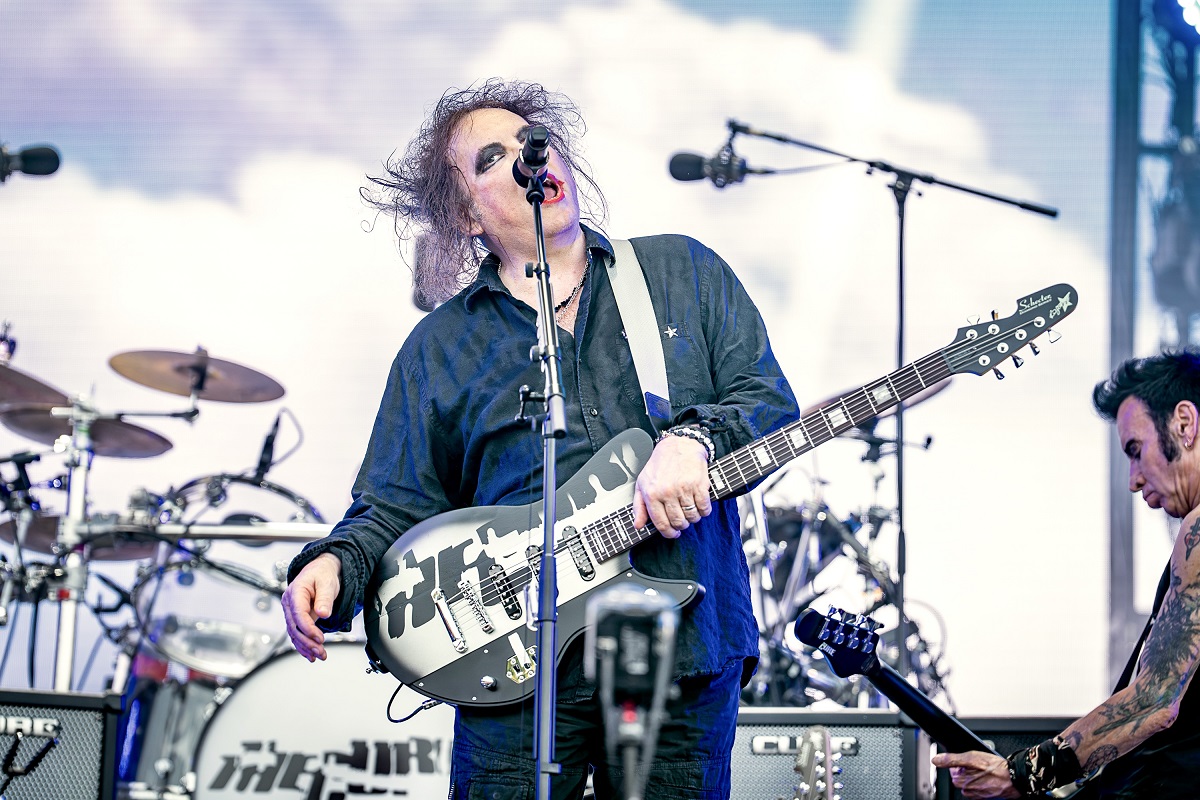
Some bands survive the passing of time; the Cure transcend it. On what will likely prove the hottest day of 2026, The Cure deliver the perfect soundtrack for over 30,000 fans. Everyone from enthusiastic teens to ill-advisedly black-clad veterans of the post-punk era have assembled at Blackweir Fields, and are treated to a breathtakingly energetic performance that underlines why they’re one of Britain’s most beloved live rock bands.

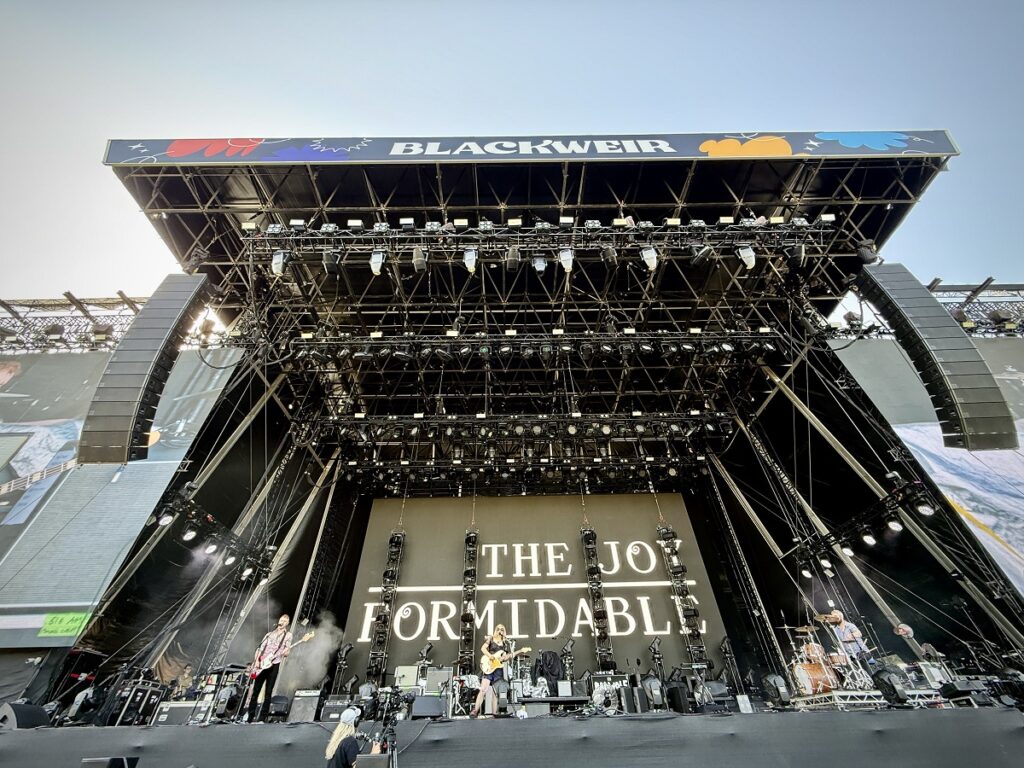
Excellent support comes from The Joy Formidable and The Twilight Sad, both personally selected by Smith, but this is undoubtedly The Cure’s night. Playing their biggest ever Welsh headline show, a relaxed and smiley Robert Smith and band take us on an emotional journey, with a setlist drawn from six different decades.

The Joy Formidable - credit Tim Alban
The Joy Formidable

Atmospheric opening number Plainsong sets the tone beautifully for a remarkable two-and-a-half-hour set in which The Cure effortlessly balance melancholy and euphoria, moving from moments of haunting beauty to bursts of pure joy and fun.

Some lesser heard songs – Treasure, From The Edge Of A Deep Blue Sea, Prayers For Rain – are greeted enthusiastically by devoted fans, whilst the familiar anthems – Pictures Of You, In Between Days, Just Like Heaven, A Forest, Disintegration – are received by the whole field like old friends, each song prompting huge singalongs from an audience that seemed to know every word.

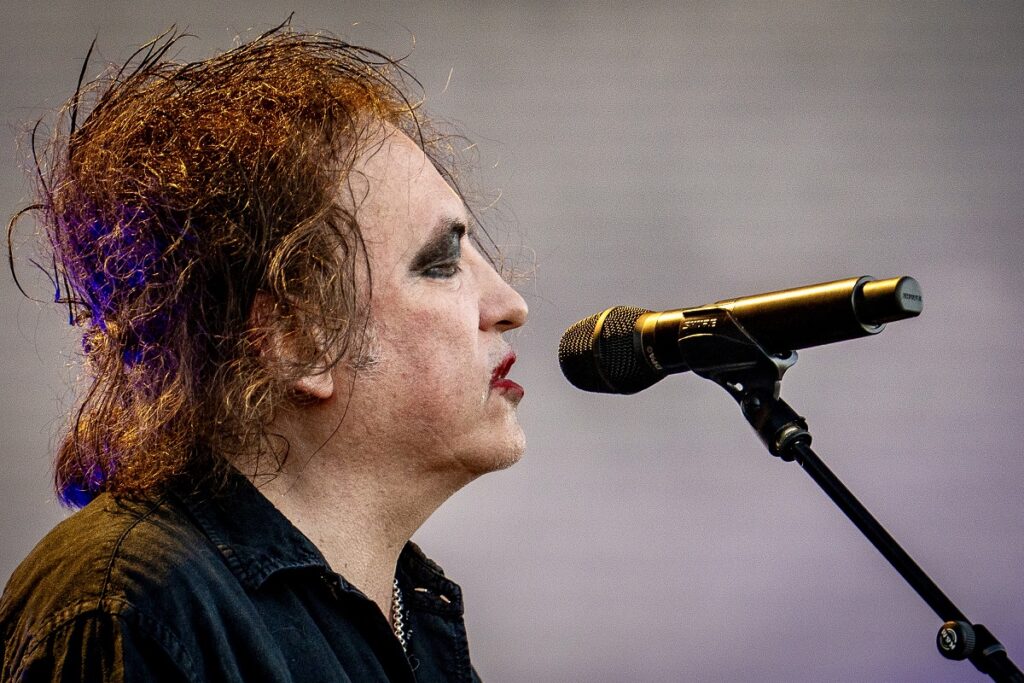
Robert Smith, The Cure - credit Tim Alban

Smith is known as a musician who cares deeply about his fans, and the connection between band and crowd was a highlight throughout. An amazing, joyous 10-song encore yields an apt Hot Hot Hot!!!, The Walk, The Lovecats, Friday I’m In Love, Close To Me, Why Can’t I Be You? and Boys Don’t Cry. Blackweir Fields is transformed into one giant celebration.

Front row for The Cure - credit Tim Alban

The Cure demonstrate exactly why they continue to resonate with audiences old and new. Their music may often explore themes of longing, loss and heartbreak, but in Cardiff it brings happiness, joy and a sense of belonging.

The Cure, The Joy Formidable + The Twilight Sad, Blackweir Fields, Cardiff, Wed 24 June

words SARAH EDWARDS photos TIM ALBAN

Source link

25/06/2026 0 comments
0 FacebookTwitterPinterestEmail
Housing newsRecent Post

Martin Lewis says ‘unbeatable’ property offer ‘starts with £1’

by David Jones 25/06/2026
written by David Jones

He advised young people to take advantage of a simple rule after turning 18

The typical age of a first-time buyer in the UK is 34. This figure has risen considerably in recent years due to rising property prices, higher deposit requirements, and some households needing dual incomes to cover living costs.

However, beginning to save early can help young people get ahead of that average. In a clip posted to Instagram, Martin Lewis said: “Here’s a very simple rule. In the first couple of days after you turn 18, put £1 into a Lifetime ISA.

“The big thing to understand about a Lifetime ISA is that you are allowed to save up to £4,000 a year in it. And if you do, the state adds 25% on top towards your first home.”

Martin told the secondary school pupils attending his presentation that the Lifetime ISA is “the unbeatable way to save for your first home”. He did highlight one potential drawback that some people may face after saving, reports the Express.

He said: “You can only use [a Lifetime ISA] to buy a property under £450,000. Some of you watching in Newcastle or somewhere in the north east will be thinking that’s great. But those watching here [in London] might realise that a first-time property in London might cost you more than £450,000 – and, if you buy one over £450, there’s a penalty.”

Content cannot be displayed without consent

Following to a few straightforward ‘rules’ will help people maximise their savings, with government support. Martin noted that these accounts must remain open for at least a year before you can claim the bonus on your first property.

Therefore, beginning as early as possible with the minimum sum of £1 kicks off that requirement – even if young people “forget all about it”.

Martin said: “You’ll soon get past that year without noticing, and then, if you suddenly need it later on – maybe you came into an inheritance, you came into some money another way, you can shove your cash in and then you can use it straight away to get your 25% bonus if it’s right for you.”

First-time buyers need to meet a number of requirements when using the scheme to help get a boost towards owning their first home. From age limits to buying status, there are a few things to remember:

  • First-Time Buyer: You must never have owned a home, residential interest in land, or inherited property anywhere in the world.
  • Age Limits: You must be aged between 18 and 39 to open a LISA.
  • Price Cap: The maximum purchase price for the property is strictly £450,000. This is the total price, not the amount you are borrowing.
  • Usage: You must live in the property as your main residence. You cannot use a LISA to purchase a buy-to-let or holiday home.
  • Mortgage Required: You must use a standard residential repayment mortgage; you cannot use a LISA for a pure cash purchase or buy-to-let mortgage
  • 12-Month Rule and ‘withdrawal fee’: It must be at least 12 months since your first payment into the Lifetime ISA before you can withdraw funds without a penalty. Withdrawing funds for any purpose other than buying your first home (or retirement at age 60) will incur a 25% government withdrawal charge, which wipes out the bonus and part of your own savings

Is it possible to combine Lifetime ISAs when purchasing a first home jointly?

Young couples could significantly accelerate the process if they plan carefully and eventually pool their accounts and bonuses when house hunting. A couple who are both first-time purchasers can merge their individual Lifetime ISA savings to buy a single property together.

Through this approach, both partners can take advantage of their own 25% government bonuses (up to £1,000 annually) towards the same deposit. For instance, if both individuals saved the maximum yearly contribution of £4,000 in their respective accounts (for a combined £8,000), each would receive a £1,000 government top-up (contributing £2,000 to the fund).

That amounts to £10,000 annually, which could represent a substantial deposit, depending on the type of property and location within the UK. For more comprehensive information on establishing and managing your own Lifetime ISA, visit Martin’s website here for a complete guide, including some of the best options for opening new accounts as of June 2026.

Source link

25/06/2026 0 comments
0 FacebookTwitterPinterestEmail
Local newsRecent Post

Police remain at scene of house fire after cannabis farm discovered – LIVE

by David Jones 25/06/2026
written by David Jones


Police remain at the scene of a house fire in Barry after evidence of a large-scale cannabis farm has been discovered in the property.

Source link

25/06/2026 0 comments
0 FacebookTwitterPinterestEmail
Health newsRecent Post

Seven steps to a (non-sweaty) slumber: How to get a good night’s sleep in a heatwave – from hot water bottles to socks

by David Jones 25/06/2026
written by David Jones

The key to getting a good night’s sleep during the heatwave could be taking a hot water bottle to bed with you… yes really. 

As Britain swelters through the hottest June since the infamous scorching summer of 1976, people are finding that come bedtime, they’re as sweaty and uncomfortable as they were during the day. 

It’s not just the weather causing sleepless nights – part of the issue is how Britain’s homes have historically been built. 

Dr Ben Roberts, senior lecturer in healthy buildings at Loughborough University, previously told the Daily Mail: ‘Traditionally we’ve been a quite a cold country so we’ve been looking at keeping our houses warm in winter. 

‘It’s only since 2022 that we’ve had building regulations which have started to look at keeping our homes cool in summer. So, we’ve got a bit of catching up to do.

‘We see thousands of excess summer deaths, and those are deaths that wouldn’t have ordinarily happened had it not been for some kind of heatwave event. 

‘It is affecting people’s health and wellbeing, and at worst it’s killing people.’

While it’s impossible to fix decades of structural decisions that have ensured our modern homes veer into oven territory once it gets abnormally hot, there are ways to bear it… read on to find out more.

Seven steps to a (non-sweaty) slumber: How to get a good night’s sleep in a heatwave – from hot water bottles to socks

Many Britons are finding that a simple fan isn’t helping them cool their bedroom 

Shut your windows during the day

It may sound counterintuitive, but throwing your windows open during the day could make your bedroom hotter – not cooler.

On sweltering days, experts advise keeping windows shut while the outdoor temperature is higher than inside. Drawing the curtains or blinds can also help block out direct sunlight and stop the room from heating up.

Then, once the temperature drops in the evening, open the windows to let cooler air circulate before bed.

Don’t rely on a fan alone

Fans can help make a hot bedroom feel more bearable, but they are not a perfect fix.

If they are not cleaned regularly, they can blow dust and allergens around the room, which may irritate the eyes, nose and throat.

Prolonged use can also leave skin, eyes and nasal passages feeling dry. For best results, keep the fan clean, avoid blasting it directly at your face all night and consider pairing it with other cooling measures.

One popular hack is placing a bowl of ice in front of a fan to circulate chilled air through the room. 

Put your hot water bottle in the freezer

Hot water bottles are usually associated with freezing winter nights – but they can also be useful in a heatwave.

Instead of filling one with hot water, try partially filling it with cold water and placing it in the freezer before bed.

Wrapped in a towel or pillowcase, it can work as a cooling pack to help take the edge off a sticky night.

Try a cold flannel before bed

A simple cold compress can also help when the heat feels unbearable.

Run a flannel under a cold tap, wring it out and place it on your forehead, neck or wrists as you try to fall asleep.

These are pulse points where blood vessels sit closer to the skin, so cooling them can help you feel more comfortable. It may also soothe heat-related headaches or the tension that comes from a poor night’s sleep.

Ditch the heavy duvet

When temperatures soar, resist the urge to curl up under thick bedding.

Spreading out in a ‘starfish’ position can help air move around the body and allow heat to escape.

Sleeping on your side may also help, as it exposes more of the chest and back to the air – two areas where people often feel hottest at night.

While some people prefer sleeping with no cover at all, a lightweight cotton sheet or summer duvet may be more comfortable, as it can help absorb sweat without trapping too much heat. 

Cotton nightwear and bedding are usually the best options in hot weather because they are breathable.

Have a warm shower – not an ice-cold one

A cold shower might seem like the obvious choice before bed, but a warm shower may actually be more effective.

Warm water raises the temperature of the skin, encouraging blood flow to the surface. When you step out, the body can then lose heat more easily as the water evaporates.

The result may be a gradual cooling effect that helps prepare the body for sleep.

Cool your feet

It may sound odd, but putting a pair of socks in the fridge could help on a very hot night.

Cooling the feet can help lower overall body temperature, as the feet play a role in heat loss.

Try chilling a clean pair of lightweight cotton socks before bed, then slipping them on for a short time as you settle down. Alternatively, placing your feet on a cool towel can have a similar effect.

Source link

25/06/2026 0 comments
0 FacebookTwitterPinterestEmail
Newer Posts
Older Posts

Recent Posts

  • Toby Hepworth missing from Friars Road area of Barry
  • Why you’re ageing so quickly… and it all starts with your gut: Two leading doctors reveal how you CAN reverse the damage caused by ‘toxic’ modern life
  • Martin Lewis’ MSE shares 74p tip to keep warm at home
  • ‘Peaceful’ autumn break with ‘incredible’ beach views one-hour flight from Bristol
  • AJ Bell ‘easy to lose track’ alert as £6,000 ‘lost by millions in UK’

Recent Comments

No comments to show.

Help us create an environment in which people fifty and over can fulfill their aims and objectives in life. Fight age discrimination and help preserve and promote the independence, dignity and positive image of people fifty and over and work to ensure that they have appropriate and adequate public care provision.

Facebook Twitter

Useful Links

    • Contact Us
    • Privacy Policy
    • Terms of Use
    • Help & Support

Edtior's Picks

Toby Hepworth missing from Friars Road area of Barry
Why you’re ageing so quickly… and it all starts with your gut: Two...
Martin Lewis’ MSE shares 74p tip to keep warm at home

Latest Articles

Toby Hepworth missing from Friars Road area of Barry
Why you’re ageing so quickly… and it all starts with your gut: Two leading doctors reveal how you CAN reverse the damage caused by ‘toxic’ modern life
Martin Lewis’ MSE shares 74p tip to keep warm at home
‘Peaceful’ autumn break with ‘incredible’ beach views one-hour flight from Bristol

All Right Reserved. Designed and Developed by Martyn Jones.

  • Home
  • About Us
  • Contact Us
Vale 50+ Strategy Forum
  • Home
  • Activities
  • Blog
  • Groups
    • Arts, Crafts & Leisure
    • Black Minority Ethnic
    • Climate Change
    • Health and Social Care
    • Housing
    • Transport
  • Money
  • Newsletter
    • Forum Newsletter
    • Weekly Email Newsletter
  • Podcasts
  • Scams
  • Calendar
  • Help
    • About Us
    • Contact Us
    • Documentation
    • Herald
    • Join the Forum !
    • News
    • Privacy Policy
    • Statistics
    • Useful Links
    • Vale of Glamorgan 50 Plus Safeguarding Policy
    • Members
Vale 50+ Strategy Forum
  • Home
  • Activities
  • Blog
  • Groups
    • Arts, Crafts & Leisure
    • Black Minority Ethnic
    • Climate Change
    • Health and Social Care
    • Housing
    • Transport
  • Money
  • Newsletter
    • Forum Newsletter
    • Weekly Email Newsletter
  • Podcasts
  • Scams
  • Calendar
  • Help
    • About Us
    • Contact Us
    • Documentation
    • Herald
    • Join the Forum !
    • News
    • Privacy Policy
    • Statistics
    • Useful Links
    • Vale of Glamorgan 50 Plus Safeguarding Policy
    • Members
@2021 - All Right Reserved. Designed and Developed by PenciDesign