
To help you get the best deal on your petrol or diesel, we’ve compiled a list of the cheapest garages in and around Barry.

To help you get the best deal on your petrol or diesel, we’ve compiled a list of the cheapest garages in and around Barry.

A Brit dad who accumulated £250,000 worth of debt has issued a warning about ‘harmless’ World Cup office sweepstakes. Harj Gahley watched his life unravel as he built up crippling financial debts.
During a single break at work, he clocked up £9,000 in debt – and was even placing bets while brushing his teeth. His gambling addiction rapidly spiralled beyond his control, ultimately costing him his home, his job and very nearly his marriage.
Whenever major events such as the World Cup came around, he would ‘go big’ with his wagers – to the tune of £1,000 a time, reports the Mirror. Now Harj is recounting his journey down the ‘slippery slope’ to demonstrate how one seemingly innocent bet can swiftly lead a person to rock bottom. “I used to bet a lot, as I was in a high paying job,” said the 40 year old from Slough in Berkshire.
“It meant I could afford to bet bigger – go big or go home as I would say. For me, it wasn’t the chat about betting around these events; it was the never-ending talk of football.
“Teams, players, managers, form, injuries, who was likely to win, who looked strong, who was overrated. Because I was already trapped in addiction, I would take all that information and turn it into betting ideas in my head.
“Weekends would often mean meeting my friends down the pub, watching the football, having a laugh, and, from the outside, I looked like I was just enjoying myself. But, really, my addiction was consuming me.”
Harj, a recovery advocate, also maintains workplace sweepstakes played a role. He explained: “It feels harmless to most people. I used to think in my mind that I should put a proper wager on the team I was drawn. It was completely distorted.
“With so much conversation in each part of my life about the World Cup, from friends, colleagues, adverts, TV, social media and the general build-up, it became very hard not to think about betting.”
Throughout the 2014 tournament, he made numerous bets – with his largest £1,000 on Brazil to triumph. He also staked a wager, for the identical sum, on Argentina. And then they were defeated.
Harj explained: “Each game was fuelled by anxiety, hoping to see a win. When they lost, I was furious and upset. I had no loyalty to Argentina as a team, so I just lost £1,000 for nothing. That money could’ve gone on bills or my other mounting debt.”
In total, he estimates over £4,000 was spent throughout the five-week period. And while he won wagers along the way, he simply ended up spending the winnings on more gambling.
He stated: “A win was never really a win because it only gave me confidence to keep gambling. I was trapped. The only time I didn’t gamble was when I had no money left.”
Harj is urging gambling firms to reassess their advertising strategies during the tournament in an effort to reduce people falling down the hole. He continued: “Gambling addiction can feel like someone has hijacked your brain and is holding it to ransom. It’s no longer about who could win the match, it’s become about betting on anything that happens during with live odds and in-play betting.
“You no longer watch the match, as your eyes are glued to a small screen instead of the big one, waiting for a payout. It’s dangerous as the game becomes secondary and the bet becomes the main event.
“I think we need to be really honest about talk around gambling during the World Cup. For many people, it may seem like harmless fun.
“But for others, especially those already struggling, it can be the perfect storm of emotion, pressure, advertising, access and opportunity. Football should be about connection, joy and shared memories.
“But for me, and perhaps many others battling addiction, it became another environment where this was hidden in plain sight. When watching football with friends, try to keep focus on the game, not the odds.
“If conversations around betting are becoming difficult, step away and speak to someone you trust. If you are struggling, don’t wait until you have lost everything.”
Harj’s dependency took hold after pocketing £60 on his very first Blackjack attempt. A routine day would typically see him heading straight to the casino or bookmakers upon waking.
Once online betting took off, he would place a wager before he had even reached for his toothbrush. During a single work break, he haemorrhaged £9,000.
Having sought assistance from GamCare, he managed to turn his life around, clear his debts and preserve his marriage.

For those seeking a long, healthy life there is one routine you really need to adopt.
Research has recently found that taking up weight training (in other words using weights to enhance the force applied to muscles during exercise) can significantly boost your chance of longevity – and you don’t even need to do that much of it to make a difference.
A new study by Harvard University found that doing just an hour-and-a-half to two hours of this type of exercise every week – that’s just 13 minutes per day – can reduce the risk of premature death from any cause by 13 per cent.
In fact, the study, which collected data from 147,374 men and women over 30 years, found that weight training alone reduced the risk of dying from heart attack or stroke by 19 per cent, while death due to neurological disease such as dementia, was reduced by 27 per cent.
That’s not to say you can do weight training instead of other exercises – the study, published in the British Journal of Sports Medicine, found that participants doing regular aerobic exercise (such as running or cycling) alongside weight training saw their risk of an early death from any cause fall the most – by up to 58 per cent.
‘This study reinforces a message long championed by clinicians and exercise scientists: maintaining muscle strength is fundamental to healthy ageing and longevity,’ says Adam Haque, a vascular and endovascular surgeon at the University of Manchester, who has conducted research into exercise physiology.
‘As we get older, we naturally lose muscle mass and strength in a process known as sarcopenia. At the extreme end this contributes to frailty, loss of independence, falls and hospitalisation – all of which are strongly associated with an increased risk of death. Resistance exercise [i.e. weight training] is one of the most effective ways of slowing or even reversing this decline.’
But it is not a habit that should be restricted to young gym-goers – in fact, ‘it arguably becomes even more important as we age’, says Mr Haque.
Lucy Gornall has devised a weight-training regimen you can do in the comfort of your home, using just what you have around the house as weights
But why is weight training so beneficial?
When you challenge a muscle with additional weight, you’re putting it under a level of tension that it’s not used to.
This forces your body to adapt, so it repairs and reinforces your muscle fibres, making them stronger and more able to cope with that weight in the future. (That’s why ideally you need to steadily increase the weight you use).
Stronger muscles protect against falls and injuries, but weight training also helps build stronger bones and joints.
When muscles (which are attached to bones with tendons) pull on bones during exercise, they put stress on the bone tissue which signals the bones to build more density, so they become stronger.
This may slow down or even offset that loss of bone that occurs with age and which can hit women in particular after the menopause, leaving them at risk of fractures.
For the millions of Brits on slimming jabs, weight training can help protect against muscle loss.
‘A lot of weight lost while on jabs such as Ozempic or Mounjaro, is muscle,’ says Will Duru, a personal trainer and founder of at-home strength training app, 12Reps.
‘Dropping muscle this quickly can lead to weak bones and slow metabolism, because muscle uses up more calories than fat – so without it, your body burns less energy at rest. With this in mind, any fat you’ve lost will likely just pile back on once you’re off the jabs.’
There are further benefits, too.
Increased muscle mass helps pull glucose from the blood into cells – helping to protect against damaging blood sugar spikes and type 2 diabetes.
So for those too shy to join the gym – or who want a cheaper way to reap the benefits – Will Duru and I devised a weight-training regimen you can do in the comfort of your home, with no fancy equipment, using just what you have around the house as weights.
Do our eight at-home weight-training exercises to help boost your longevity, ideally at least three times per week.
Great for: Arms, core stability, posture, upper back and grip strength
‘Staying upright while carrying weight switches on lots of the stabilising muscles in your core,’ says Will Duru.
‘Your back muscles, essential for posture, also work to keep you in a strong, upright position.’
You’ll be training your grip strength too. Various studies have found high grip strength to be a strong indicator of longevity.
A 2012 study in the journal Age revealed that a person’s grip strength might even indicate their likelihood of living past 100. Of the 2,239 participants who had their grip strength measured when they were between 56 and 68-years-old, those with the strongest grip were 2.5 times more likely to reach the age of 100.
How to do it: Fill two carrier bags (ideally the stronger bag-for-life variety) with tins or full bottles. Place the same weight in each bag. (It should feel like you’re carrying two heavy shopping bags.)
Walk slowly around your home, keeping shoulders back, gaze forward and core tight. Arms should be straight down by your side. Aim to walk in 30-second blocks, or as long as you can until your grip gives in!
Work your way up to a heavier bag over time.

With an added weight, lunges will also work your core, as it has to work harder to keep you stable. So it’s a double whammy, core and leg exercise
Great for: Legs and core
Lunges are a unilateral exercise, meaning they work one side at a time. Walking and climbing stairs are also unilateral exercises and lunges help build the strength needed to make these everyday movements easier.
‘Lunges also help address imbalances in your legs and test your balance and coordination,’ says Will Duru.
‘With an added weight, lunges will also work your core, as it has to work harder to keep you stable. So it’s a double whammy, core and leg exercise.’
How to do it: Hold a paint tin (or similar weight item) by its handle in each hand, keeping your arms by your side.
Step back with the left foot, bend both knees and drop down into a lunge.
Push up through the front heel to stand – then repeat on the other side. Repeat 12 times on each leg, three times per week.
Great for: Glutes (in the buttocks), hamstrings (in the back of your thigh), quads (in the front of thigh)
Compound exercises are movements that work several muscles at once, so they offer a lot more bang for your buck.
‘They also get your heart rate up more than isolation exercises, meaning you’ll burn more calories and work your heart too,’ says Will Duru.
How to do it: Stand with a melon (alternatively try water bottles, milk cartons or fabric softener bottles) on each shoulder or hold one to your chest with both hands, depending on what you have to hand.
Feet should be just wider than hip-width apart, toes slightly pointed out. Push your bottom back, bend your knees and drop into a squat, keeping your gaze forward.
Pause when your thighs are parallel to the floor, then drive up through your heels. Complete 12 reps.

Compound exercises are movements that work several muscles at once, so they offer a lot more bang for your buck
Great for: Biceps
This works your biceps, the muscles we need every day to pull open doors and carry the shopping. Any tin you can get your hands on will work for these curls – from beans to chopped tomatoes, even pineapple chunks.
How to do it: Hold a tin in each hand, keep arms down by your side and slowly curl the tins towards your shoulders. Elbows should stay tucked in. Aim for 12 reps.
Ideally with this move and all the others, the last couple of reps should feel very tough. If they’re too easy, try heavier tins or other household items – or add extra reps. Over time, look to increase the weight so you’re continually challenging your muscles.
Great for: Back and posture
The average Briton sits for 9.5 hours each day, according to the British Heart Foundation, often hunched over a phone or laptop, leaving you with rounded shoulders and back pain. A strong back helps counteract this.
‘Rows specifically target your upper back muscles which pull your shoulders back into a more upright position,’ says Will Duru.
‘Rows specifically target your trap muscles (which run from the base of your skull, down the middle of your spine and out to the shoulders); the rhomboids (which connect your shoulder blades to your spine); and rear delts (on the very back and sides of your shoulders).’
How to do it: Holding a broomstick with both hands, hinge at the hips with a flat back. Keep a very slight bend to your knees and let your arms hang down. Then, drive the broom up to your ribcage, bringing the elbows up behind you. Slowly lower the broom down. Aim for 12 reps.
If the broom feels too light, try using milk bottles or paint tins.

Rows specifically target your upper back muscles which pull your shoulders back into a more upright position
Great for: Posterior chain (glutes, hamstrings, spinal erectors and upper back), grip strength
Your posterior-chain muscles, which run down the back of your body, can weaken from long hours sitting at a desk.
‘A weak posterior chain usually leads to poor posture and back pain,’ says Will Duru.
‘The deadlift is a powerful hinge move that recruits all these muscles and more. But it needs to be done correctly to avoid injury.’
If you don’t have barbells or dumbbells, try using a big rice bag, typically found at wholesalers. These can weigh up to 20kg. Or use two 4kg bags of rice.
How to do it: Stand with feet hip-distance apart, gripping the rice bag with each hand, palms facing towards you and arms straight.
Hinge at the hips, push your bum back and the rice bag will lower down.
Let your knees bend after the rice bag has passed them, then lower down further.
Maintain a flat back by engaging your back muscles (imagine squeezing an orange under your armpits while pushing out your chest). Pause when your thighs are parallel to the floor and your rice bag is just above the ground, then drive up through your feet to stand back up. Do 12 reps.
Great for: Shoulders and core
Wine bottles can be used instead of dumbbells to work your shoulders, which are responsible for overhead and pushing movements; think lifting luggage into the overhead cabin or placing heavy items on a shelf.
Your shoulder joint can also become sore and vulnerable to injury if the supporting muscles around it aren’t strong.

Wine bottles can be used instead of dumbbells to work your shoulders, which are responsible for overhead and pushing movements
How to do it: Stand with a wine bottle in each hand, gripped horizontally across the middle. Rest them lightly resting on your shoulders, palms facing forward.
Press the bottles upwards straight above your head, then slowly lower back to shoulder height. Complete 12 reps.
Great for: Abdominal muscles and core
Adding extra weight to a plank exercise makes every muscle in your core work harder. A strong core protects your spine, and helps reduce the chances of back pain, plus it helps with every single one of the exercises above.
Unlike sit-ups, planks don’t put pressure on your neck and lower back.
At the gym, an iron plate works well – but a full bottle of fabric conditioner does the trick at home as it can be a similar weight. You’ll be forced to stay still to avoid the bottle tipping.
How to do it: Get into the plank position – on all fours and lower onto your forearms, and step your feet out so your legs are straight.
Ask a family member or friend to place a bottle of fabric conditioner on your back and hold still for 20 seconds.
Beginners should focus on mastering the plank first before adding the weight. You can drop to your knees if a full plank is too difficult.
Hold for 30 seconds. Do this twice.

Britain is currently basking in another heatwave (stock image) (Image: Getty)
Summer is in full force, with 40-degree temperatures forecast in some areas of the UK this week. The Met Office has issued a rare red warning for hot weather for parts of southern England and the South West, saying these areas are now “increasingly likely to see a two-to-three-day period where maximum temperatures in the shade exceed 37 Celsius, perhaps rising to 38 to 40 Celsius in some places”.
As a result, many of us will be thinking about ways to keep cool. But one A&E doctor with 588,000 followers on TikTok has warned some of the most obvious solutions may actually put you at greater risk of heatstroke. Dr Ahmed, who describes himself as the “healthcare Gordon Ramsay”, explained more on the social media platform.
One of the quickest and most obvious ways to cool down is to strip off. But Dr Ahmed warned this could actually put you at greater risk.
He said: “What should you do if you start having heatstroke out in the sun? Should you take off your shirt to cool down?
“No! Doing that will expose you to direct sunlight, direct radiation, you will absorb more heat. Make sure to take off all layers except for a simple cotton layer to protect you from the sun.”
According to government advice, lightweight, loose-fitting and light-coloured clothes such as long-sleeved shirts, trousers, or long skirts are best to protect your skin from the sun. Wide-brimmed hats should also be worn to protect your face, eyes, head, ears, and neck.
Another tempting way to cool down quickly is to pop your swimming costume on and jump into the sea or another body of water. But Dr Ahmed warned this can be dangerous too.
“Jumping into a body of water with a sudden temperature drop will actually make your muscles seize up and you will drown, and that will make it my problem,” he said. According to the RNLI, jumping into water colder than 15 degrees can cause the body to enter cold water shock.
The organisation added the sea around the UK and Ireland is usually around 12 degrees, while rivers are colder, even in the summer. Cold water shock can increase the risk of heart attack, while also causing you to gasp for breath, which can result in you inhaling water into your lungs.
Dr Ahmed added the best alternative is to spray yourself with a cool mist, or put ice packs or wet towels under your armpits or on your back or thighs, saying this will “cool yourself down very nicely”. However, he added, this is not without risks too.
“You don’t want your temperature to drop too quickly because, like I said, in heatstroke your body’s normal temperature regulation systems are off,” he said. “You can go into hypothermia without knowing it. If you’re not yet in heatstroke, still be careful, because [reducing your body temperature] too quickly can make you shiver, and shivering can cause more heat increase inside your body.”
Dr Ahmed’s third tip is to make sure you seek help when you need it. “This is where number three comes in,” he said.
“Most important: seek help. Somebody to watch over you, somebody to contact emergency services while you cool down to make sure you are safe. Do that and don’t become my problem in A&E.”
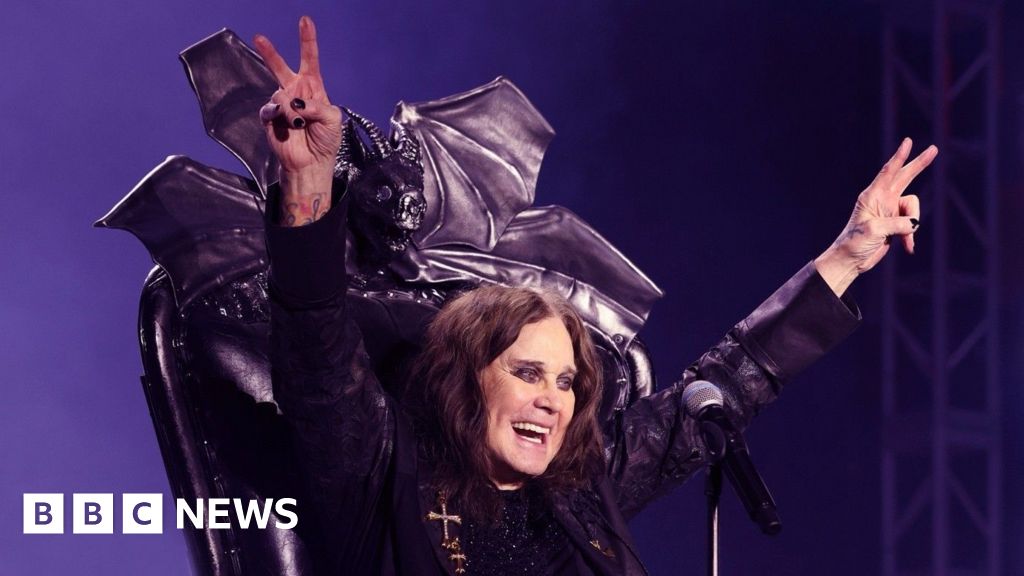
“As we approach the one-year anniversary of Back to the Beginning, it feels fitting that Ozzy’s throne, which has now become synonymous with his final performance, would be placed in the museum, where it can be seen by the fans who loved him,” she said.

Morris Commercial Ltd has been given permission by Vale of Glamorgan Council to re-use an aircraft hangar in Bro Tathan as “facility for the assembly of electric vehicles”.
In the meeting to approve the development the proposal was overwhelmingly supported by the councillors on the planning committee.
Cllr Nic Hodges said: “It’s about time we had an automotive industry we can count on in Wales.”
This was followed by Cllr Mark Wilson who said: “This is the sort of development that we very much need in southeast Wales”. Cllr Eddie Williams said the proposal has “so many pluses”.
In the same meeting Dana Williams, who spoke on behalf of the company, said the site would be used to make a “wholly Welsh-built product” and the proposal would bring “advanced manufacturing positions” and “high-skill employment” to the local community.
Planning documents for the proposal read: “Morris Commercial Ltd will operate a new electric vehicle assembly facility that is anticipated to generate c. 100 jobs for the workshop area, and a further 50 jobs for non-factory staff and paint shop staff, to the benefit of the local job market.”
It continued: “Whilst the exact breakdown of new jobs is currently unknown it is anticipated that the majority will be direct jobs, with a small proportion of contractor roles.”
The hangar sits on the former Ministry of Defence St Athan airfield, which now sees mixed use between civilian businesses and army and Royal Air Force personnel.
The site will see the production of the Morris JE, which Ms Williams called “an all-electric reimagining of the iconic Morris J Type van”.
She said the company holds “over 6,500 confirmed pre-orders” for the car.
The company representative added that this development represented “precisely the kind of investment Wales needs to make”.
An Aston Martin factory is also located on the wider site of Bro Tathan.

The holiday season is rapidly approaching – and more than half of Britons are likely to book at least one trip abroad, according to new research by Travel Weekly.
Any holiday trip offers the chance to buy mementoes – but foreign travel also presents the opportunity to bring back over-the-counter medications that would require a prescription in the UK.
It can be easy to buy these assuming they’re harmless if you’re feeling under the weather or ill on holiday.
And given that some drugs can be up to 90 per cent cheaper abroad, there may also be temptation to stock up and bring treatments back.
But is it really safe to self-prescribe items that aren’t available at home unless sanctioned by a qualified doctor?
‘It might be tempting to go into a pharmacy and buy something off-the-shelf, without a thorough health evaluation, but there are several serious health risks to consider,’ says Dr Naveed Asif, a GP at The London General Practice.
A major consideration is that ‘many symptoms can overlap between various conditions’ he adds, ‘which means you might inadvertently select an unsuitable medication, that may cause side-effects or even exacerbate your original problem’.
Here, we examine some of the commonest medications that people buy without prescription abroad – and experts explain why they’re best left on the shelf.
Weight loss jabs including Ozempic and Wegovy are available prescription-free in countries like Thailand and India. However incorrect dosage may cause side effects like diarrhoea
These injectable medications, used to manage obesity and type 2 diabetes, regulate blood sugar and increase satiety by mimicking a natural GLP-1 hormone. Popular brands include Ozempic and Wegovy. Some GLP-1 jabs containing the active drug semaglutide are available without prescription in some parts of Thailand, Mexico and India – along with newer, cheaper generic alternatives.
The risk: These require a prescription in the UK because medical supervision is needed to ensure they are used safely – often patients are started on a very low dose and increased gradually over a few months, to minimise side-effects and help them work effectively.
‘The incorrect doses can cause side-effects including nausea, vomiting, diarrhoea and dehydration – and in some cases may lead to more serious complications such as pancreatitis or gallbladder problems,’ says NHS GP Dr Amel Imam, who is also medical director of Pharmulous, a private GP and pharmacy service.
Unsupervised use also brings a higher risk of using the wrong dose – and overlooking any complications or underlying health issues, he adds.

The UK prescription medication, used to treat short-term insomnia or jet leg, is readily available as a dietary supplement in countries such as the US
Naturally produced by the brain to regulate our sleep/wake cycle, synthetic versions of this hormone are prescribed to treat insomnia in the UK.
But it’s classified as a dietary supplement in the US, Canada and parts of Asia – so it’s easily available from pharmacies, supermarkets, food shops and even airport vending machines, making it a tempting purchase for anyone with jetlag or sleep problems.
The risk: Over-the-counter melatonin products can contain significantly different amounts of melatonin compared to what’s stated on the product – particularly in the US, where classification as a food product means it’s subject to less strict testing.
A 2017 study found a chewable tablet labelled as containing 1.5mg of melatonin in fact contained nearly 9mg [prescribed adult doses start at 1-2mg], reported the Journal of Clinical Sleep Medicine. High doses and inappropriate use can cause stomach pain, depression and vivid nightmares.
As well as making you sleepy, melatonin can also have profound effects on your internal body clock, says Guy Leschziner, a professor of neurology and sleep medicine at Guy’s and St Thomas’ Hospital.
‘Taking melatonin without supervision can make things worse, bringing chaos to your sleep-wake cycle – potentially making sleep problems worse in the long run. It shouldn’t be doled out unsupervised.’
Melatonin may also interact with many other medications including blood-thinners, diabetes drugs and immunosuppressants, he adds.

Prescribed for sufferers of osteoarthritis, Diclofenac can be bought over the counter abroad. Yet unsupervised use risks cardiovascular side-effects such as strokes or heart attacks
This non-steroidal anti-inflammatory drug (NSAID) is used to treat inflammation, swelling and stiffness. Oral diclofenac is prescription-only in the UK; a topical gel version, Voltarol, is available over the counter.
But you can buy the oral form over the counter in some European countries, parts of Asia and Latin America.
The risk: One possible problem may be that Britons recognise the brand name Voltarol from the gel we have here – and assume the tablets that also have this name are also safe.
But the risks of using the oral version unsupervised include heart attack and stroke, even with short-term use. In fact, the oral version is prescription-only in the UK following a review in 2013 that found an increase in the risk of cardiovascular side-effects linked to the drug.
It is thought that the drug shifts the body’s natural balance of chemicals that control blood flow and clotting, making blood vessels more prone to constriction and clots forming.
A large Danish study published in The British Medical Journal in 2018 found that people who’d started taking diclofenac tablets were 50 per cent more likely to have a heart attack within 30 days compared with those not taking the drug – and 20-30 per cent likelier than those using the painkillers ibuprofen or naproxen.
Serious side-effects also include gastrointestinal bleeding and ulceration.
‘Taking oral diclofenac is particularly dangerous for patients with pre-existing heart conditions, high blood pressure or a history of stroke, who may not recognise the risks when purchasing the product abroad without medical supervision,’ says Ana Carolina Goncalves, a pharmacist at the online pharmacy Pharmica.

Used to treat certain skin conditions, Tretinoin can be bought over the counter in South-East Asia. But self-administering the wrong dosage can carry risks of serious skin inflammation
Tretinoin, or retinoic acid, is a synthetic form of vitamin A often prescribed to treat acne, sundamaged skin, and surface fine lines and wrinkles. It works by changing how skin cells grow, mature, and shed, making a structural difference to the skin.
It is prescription-only in the UK [usually prescribed by a dermatologist]. However, in countries such as Mexico, Thailand, India and other parts of South-East Asia – as well as parts of Southern and Eastern Europe (including Greece, Romania and Bulgaria), tretinoin products are reportedly sold by pharmacies without a prescription.
The risk: Tretinoin is highly effective, but if it’s used incorrectly, it’s very easy to damage the skin, says Dr Tina Tian, a consultant dermatologist at Stratum Dermatology Clinic in Oxford.
‘People often choose the wrong strength or formulation, start too frequently, or escalate too quickly without allowing the skin to adapt.
‘Redness, peeling and even breakouts are typical signs of irritation – not a signal to increase use.
‘Yet many patients mistake this reaction to the treatment for acne – and respond by applying more tretinoin or adding harsher acne treatments.
‘In reality, this is usually a sign of barrier disruption – escalating treatment at that point only drives further inflammation and worsens the skin.’
Tretinoin also makes skin more sensitive to the sun and should not be used during pregnancy, as it can potentially cause birth defects.

Corticosteroids can be used to treat asthma and allergies. But incorrect use may cause weakened bones. In South-East Asia the medication can be obtained without prescription
These powerful, fast-acting medications – commonly used to treat asthma, allergies, eczema, rheumatoid arthritis and Crohn’s disease – reduce inflammation and stop the immune system attacking the body. In the UK, all oral corticosteroid medications for these conditions are prescription-only.
But steroids such as prednisolone and dexamethasone can be easily purchased without prescription in pharmacies in South-East Asia, the Middle East, Africa and Latin America, often marketed as suitable for treating allergies, inflammation and pain.
The risk: Incorrect use over time can suppress the body’s natural hormone production and weaken bones, reducing bone formation, increasing bone breakdown and lowering calcium absorption – which together lead to decreased bone density and a higher risk of fractures.
Other side effects can include raised blood sugar levels, mood changes and weight gain, says pharmacist Ana Carolina Goncalves.
By suppressing the body’s immune response, the drugs may potentially increase the risk of severe infections, such as sepsis.
Another major concern of unsupervised use is if someone stops taking the drugs suddenly after long-term use.
‘The body can struggle to restart its own steroid production, which can trigger an adrenal crisis – a potentially life-threatening emergency which can cause extreme low blood pressure, severe vomiting, and potential organ failure,’ says Ana Carolina Goncalves.

Oral antibiotics are prescription-only in the UK. Their overuse can lead to antibiotic resistance, which is a major global health concern
Used to treat bacterial infections, oral antibiotics are prescription-only in the UK – but are widely available without prescription in parts of South-East Asia, the Middle East, Africa and Latin America.
The risk: Antibiotic resistance – when bacteria evolve to survive the drugs designed to kill them – is a major threat to global health, according to the World Health Organisation.
Patients who buy these drugs over the counter can often use the wrong drug at the wrong dose for the wrong duration – with many using antibiotics for viral infections that they are not designed to help, according Dr Ilan Lieberman, a consultant in anaesthesia & pain medicine at The University Hospitals of South Manchester NHS Trust.
‘This is particularly true with respiratory or urinary tract infections.
‘The result is not only will symptoms not improve, but also we have a shrinking armoury of antibiotics for the serious infections such sepsis, pneumonia, and post-operative infection – where we genuinely rely on antibiotics.’
If you do have a bacterial infection, there are also risks – using the wrong antibiotic, dose, or for the wrong duration may improve symptoms temporarily but the infection won’t clear and may get worse.
Meanwhile, overuse can also upset the balance of the gut microbes allowing harmful bacteria to dominate. This could cause severe diarrhoea, colitis and even life-threatening complications such as sepsis.

Banned in the UK due to its risks of immune system collapse, pain and fever drug Metamizole is available over the counter in certain Eastern European nations
Used to treat severe pain and fever this drug has been completely banned in the UK since 1963 due to concerns it can cause agranulocytosis, a sudden and catastrophic collapse of the immune system.
‘Patients lose the white blood cells that fight infection – within days an ordinary bug can become fatal sepsis,’ says Dr Lieberman.
However, it is available over the counter in some Eastern European countries.
The risk: What makes metamizole particularly insidious is that the early warning signs of agranulocytosis, a sore throat, mouth ulcers, an unexplained fever, look like the start of any winter virus, says Dr Lieberman.
‘Most people don’t connect them to the painkiller they bought a fortnight ago on holiday. By the time they realise, they are critically ill.’

The former first minister is to serve as deputy prime minister in a simulation of a Russian attack on the UK.

Sir Keir Starmer’s resignation paves the way for a new leader following Andy Burnham’s landslide Makefield by-election win on Friday. Sir Keir said there would be a new prime minister in place before parliament returns in September, and Mr Burnham is seen as the frontrunner to take over.
Some of the most important questions are around Mr Burnham’s approach to taxes, borrowing and spending, and who he may appoint as chancellor should he get the top job.
Mr Burnham has stated that he would stick to the fiscal rules set by Chancellor Rachel Reeves and has agreed that the UK needs a plan to reduce its debts. He has also committed to the Labour Party’s manifesto pledge not to raise income tax or national insurance contributions for working people.
However, the politician has said there is a need to bring down water and energy bills and rail fares, having previously advocated for key utilities to come under greater public control, and the “re-industrialisation” across the north of England.
One of the biggest concerns for the financial markets will be who will take up the role of chancellor under a new Cabinet. Dan Coatsworth, head of markets for AJ Bell, said: “Burnham’s choice of chancellor if he becomes prime minister could have a major impact.”
Ed Miliband, currently in charge of energy and net zero, could be a potential candidate for chancellor.
Rob Wood and Elliott Jordan-Doak, economists for Pantheon Macroeconomics, said Andy Burnham could “pitch to Labour MPs’ left-leaning instincts for more spending, funded by higher taxes and moderately looser fiscal rules, as well as additional regulation”.
They added: “We think Mr Burnham would be wary of a big bang fiscal change, because he needs to avoid a repeat of the gilt market meltdown that torched the previous Conservative government’s reputation for economic competence. But risks clearly lean to more spending.”
Kathleen Brooks, research director at XTB, said Mr Burnham would have to “work to persuade financial markets that he is the right man for the job to grow the UK economy and get debt back under control”.

The Welsh singer has announced the return of her Pop Dungeon live show, with dates confirmed across the UK and a special appearance at this year’s Green Man Festival in Crickhowell, taking place on August 20.
Dressed in a pink cowboy hat with Nine Inch Nails’ sultry hit Closer playing in the background, Church delivered a characteristically cheeky message to fans.

Ms Church announced the news in a playful social media video, telling fans: “Bi**hes, Dungeon is back and we’re coming for you.”
She listed destinations including Cardiff, Bristol, London, Liverpool, and appearances at both the Green Man and Krankenhaus festivals.
She said: “The presale is on June 18. The General Sale is on June 19th.
“The experiences themselves are throughout August and September.
“We cannot wait to party with you.
“Just in time for the end of the world.
“For old times’ sake, you know, come and party with us at Dungeon.”
The tour begins at Green Man Festival on August 20 and continues to Krankenhaus Festival on August 29.
It then travels to cities including Bristol, London, Liverpool, and Cardiff throughout September.
Pop Dungeon began as the Late Night Pop Dungeon and has gained a loyal following for its lively blend of rock, pop, metal, and dance hits.

The show is known for its creative mashups, interactive performances, and bold costumes, making it a festival favourite in recent years.
For many fans, the Green Man appearance is likely to be one of the standout dates of the tour.
Presale tickets go on sale on June 18, with general sale beginning on June 19.
