
The looksmaxxing influencer allegedly livestreamed himself firing gunshots from an airboat at an alligator.
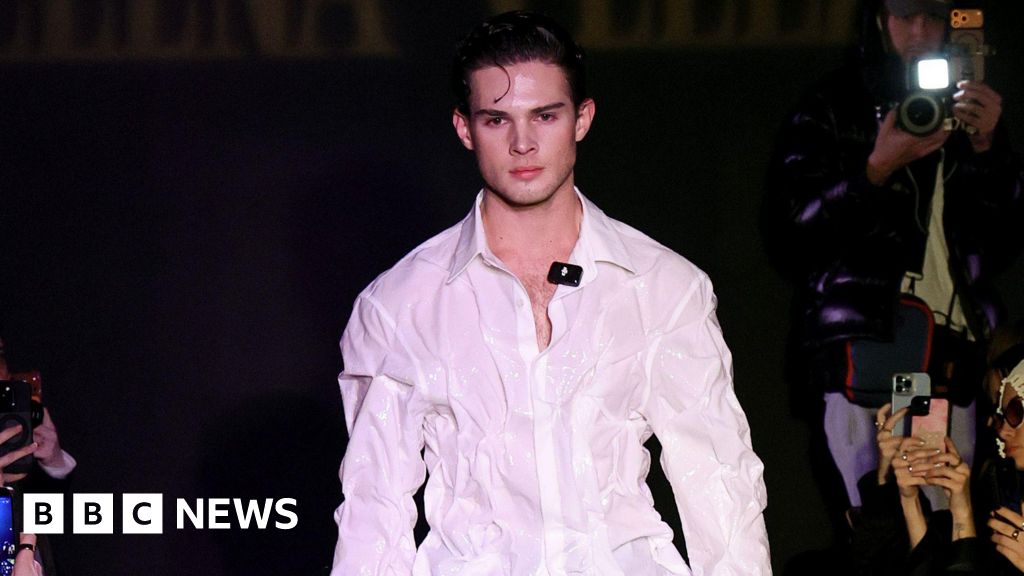
The looksmaxxing influencer allegedly livestreamed himself firing gunshots from an airboat at an alligator.
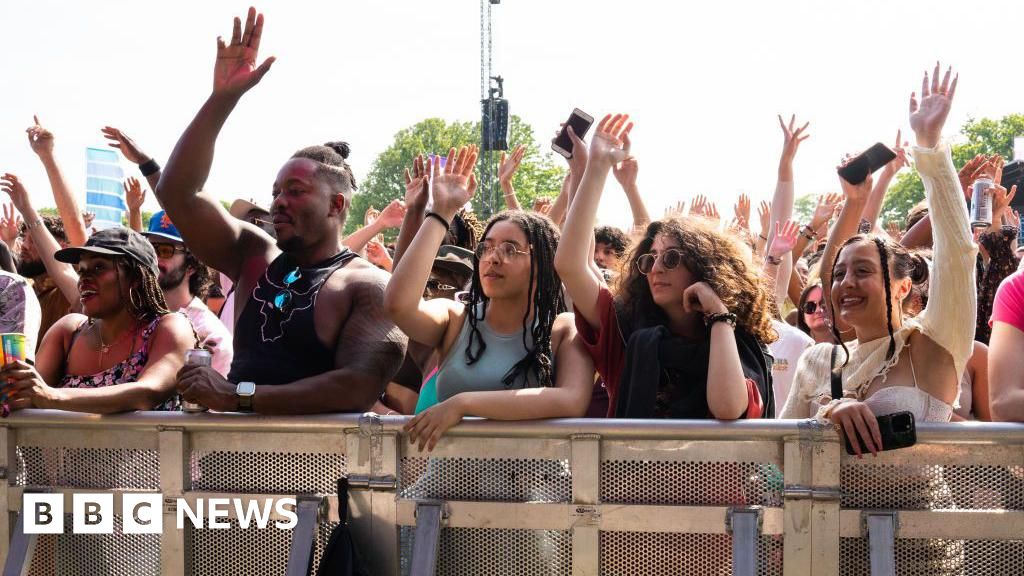
Local campaigners argued Lambeth Council had misinterpreted the word “recreation”, but a judge disagreed.

Oregonian Willy Vlautin, frontman of alt-country band Richmond Fontaine, is also a seasoned novelist. The Left And The Lucky, his eighth such work, introduces us to Eddie Wilkens, a fortysomething housepainter whose days, though largely trouble-free, occasionally require him to deal with his unreliable, hard-drinking employee Houston.
And then there’s Eddie’s neighbour Connie, a single mother trying to do best by her two sons. The eldest, Curtis, is frequently violent towards the younger, sweeter-natured Russell, and when Curtis is carted off to a young offenders’ institution for theft, he returns a few weeks later as mean-spirited as before.
In the meantime, Wilkens forms a surrogate father-esque kinship with Russell, in the process attempting to help Connie keep her head above water amidst a chaotic family life. There seems to be no bounds to the kindness Wilkens shows, even while he has his own crosses to bear.
As emotionally complex as it is unflinching and empathetic, with The Left And The Lucky Willy Vlautin shows once again that he is very much a modern-day answer to John Steinbeck – blessed not only with a comparably razor-sharp sense of social perception, but his realism too.
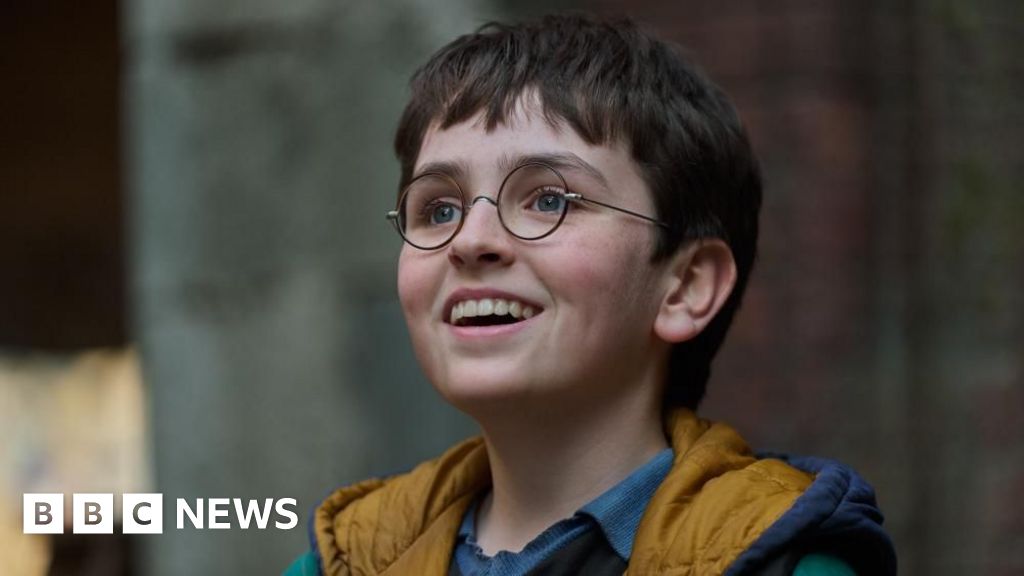
Filming is scheduled for autumn later this year and will likely adapt the second book in JK Rowling’s series, The Chamber of Secrets.

The Total Eclipse of the Heart singer is being treated in Faro, Portugal, where she has a home.

Having created some of the most iconic characters in modern literature, it’s no surprise that Pulitzer-winning author Elizabeth Strout has hit the right note yet again in her latest novel, The Things We Never Say.
The story centres around Artie Dam, a high school teacher in America, who on the surface appears to have the perfect life. Beneath the facade he is plagued by feelings of isolation and after learning about a secret his wife has been keeping from him for many years, it only heightens his despair in a world full of uncertainty.
In such a character-driven novel, small nuances that may appear insignificant have a habit of becoming central to the plot, particularly with so much focus on the everyday. Weaving big topics – the presidential election, suicide, infidelity, depression – into the story conveys a relatable and insightful angle.
If you’re familiar with Strout’s previous work such as Olive Kitteridge or My Name Is Lucy Barton, you will delight in her new characters. The rich storytelling has a profound effect, and I wouldn’t be surprised if this novel was awarded many literary prizes in the year ahead.
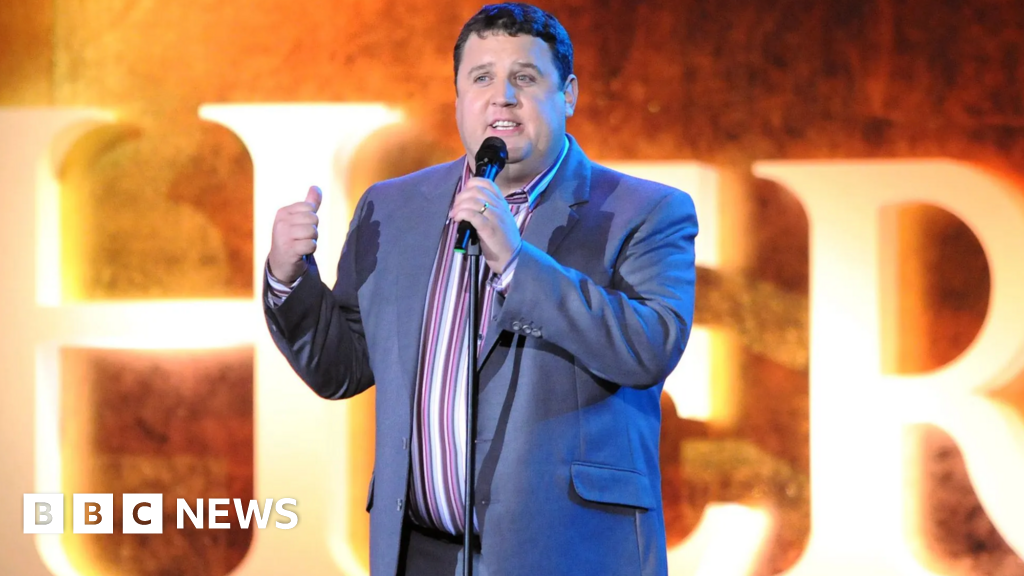
Ticket holders can attend the rescheduled show on 25 July or will be entitled to a refund.
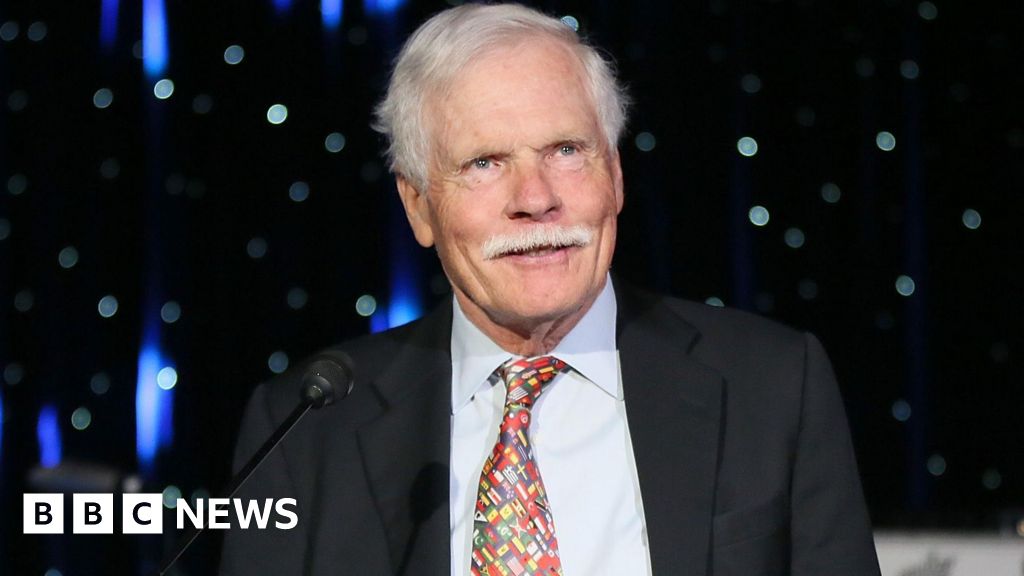
The media mogul pioneered the modern 24-hour news culture when he launched the Cable News Network in 1980.

Ben Woolhead was in the audience when Fiona Stewart, managing director of mid-Wales’ model music fest Green Man, visited Cardiff University to give a talk on Tue 28 Apr. Her thoughts, and indeed his, are below…
If you build it, they will come. Fiona Stewart may not have founded Green Man, but the festival’s managing director and owner can certainly claim to have built it into what it is today – and come they do, every August, in their droves. Tickets for this year’s event sold out within two hours of going on sale in September, with thousands of hopefuls missing out.
Speaking to an audience at Cardiff University recently, she suggested the secret to the Bannau Brycheiniog-based fest’s success is simple: setting out “to create memories that will come to mind on your deathbed”. Certainly, a few Green Man moments down the years will live with this writer forever.
Stewart’s talk is titled ‘It’s Easy To Run A Music Festival’. As she knows, organising such events is in reality challenging at the best of times, with the triple whammy of Brexit, COVID and the cost-of-living crisis making it harder in the last decade. (“I have lost all the money I had in the world at least three times”, Stewart admitted in a 2024 Guardian interview.) However, that the talk she actually delivered was less an overview of the myriad logistical obstacles and risks, and more a promotional presentation/sales pitch hymning the festival’s virtues. A shame, in some ways – but not without its points of interest.
Stewart began by noting that in name and concept, Green Man fits into an historical tradition of rural gatherings to mark the harvest season, which is one way to frame beglittered punters drinking their own bodyweight in flat cider and line-dancing along to CMAT. Still, in the face of the current political climate and an increasingly atomised online society, simply getting together in person to celebrate community is arguably as vital and radical as it is joyous: “nutrients for the soul” in Stewart’s words.

Two more recent historical events are cited: the Human Rights Act of 1998, which Stewart notes enshrined the right to freedom of assembly in law, and the Licensing Act 2003, which imposed regulations on a creative, chaotic sector rife with criminality. This resulted in a big boom in festivals of all kinds – corporate, public-funded, community-based and independent, as Green Man is.
As of 2026, Stewart says, more than 150 festivals in Europe are owned and operated by just four corporations. Live Nation alone controls 65% of the UK’s live music market, with stakes in venue ownership, artist management, bar and merchandise services, ticketing and security. Little wonder it has been the subject of anti-monopoly litigation in the US. Detailing bully-boy tactics, strategic decisions cynically designed to disrupt and private equity backing connected to ethically dubious investments, Stewart firmly cast the corporate behemoths as the supervillains of the scene.
Independent festivals, by contrast, have no obligations to maximise profits for shareholders. Neither are they hamstrung by key performance indicators and deliverables externally imposed as a condition of current and future public funding. Green Man also has no anxious sponsors to appease. All of which means that Stewart and her team have full curatorial and operational autonomy, are able to focus exclusively on keeping paying punters happy, and can (for example) stand firm in the face of political pressure and platform Kneecap.

With great power comes great responsibility, though – and Stewart spent much time outlining how Green Man takes that responsibility seriously. The festival boosts the Welsh economy through employing permanent and temporary staff and engaging the services of local businesses and suppliers. Its bars champion a wealth of Welsh brewers, shifting 175,000 pints each year, and offers training opportunities, including student placements.
As for the programme, Stewart says Green Man emphasise risk-taking and talent development, in contrast to corporate festivals with little interest in that pipeline. Having fought her corner in a male-dominated world, she takes particular pride in the fact that Green Man has achieved a 50/50 gender split and been acclaimed (by Cosmopolitan) as “the most queer-friendly festival in the UK”. And while I’d suggest Green Man’s support for Welsh artists is overstated, there’s no doubt it promotes Wales on the national and international stage, and has gained stature through its ambassadorial role and brand strength.

It is also acknowledged as an innovator in the field – the Settlement (whereby festivalgoers can make a full week of it, using the site as a base camp for exploring their surroundings) and the public-engagement science area Einstein’s Garden have both been copied by festivals originally set up in Green Man’s image. Still, imitation is the sincerest form of flattery, and her festival’s overall uniqueness is not under threat.
She was, however, especially animated in talking about the work of the Green Man Trust, which since 2014 has raised £2.4 million for environment, education and community projects in Wales. To this end, run-ins with NIMBYs who bemoan noise and temporary disruption but fail to appreciate the positive impact of GM and its Trust clearly irk Stewart.

One of her slides noted that the festival’s contribution to the Welsh economy, calculated as £28.9 million in 2024, is projected to increase to £58.7 million by 2029, “if venue found”. Glanusk Estate, where Green Man’s taken place since 2006, is rented each year; Stewart stresses the importance of a permanent home, potentially elsewhere in rural Wales, where the festival’s impact can be most beneficial. Despite it now being a quick, guaranteed sell-out, expansion is not in the masterplan (whereas diversification is).
The intention is to continue fighting the good fight as one of the three largest independent festivals in the UK (alongside Glastonbury and WOMAD). Stewart concluded by urging us, now armed with greater understanding of the strangulating influence of corporate festivals, to put pressure on local and central government to challenge monopolies and to vote with our feet and wallets. She also expressed a hope for greater political support for the grassroots music venues that grant early opportunities to festival stars of the future, in the form of rates relief. Amen to that – and to Green Man’s continued good health.
words BEN WOOLHEAD
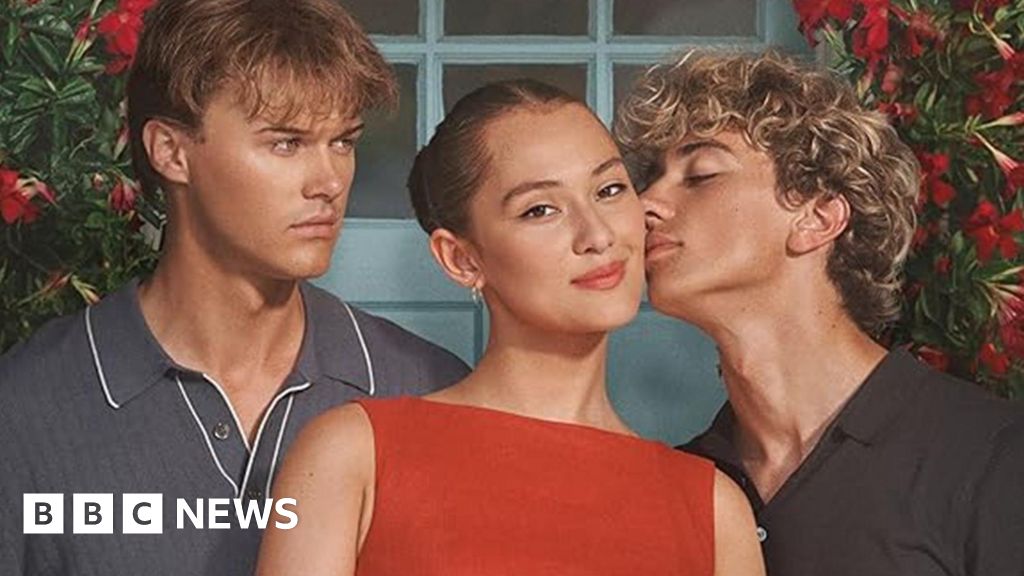
Prime Video have said fans coming to the set causes “real safety concerns” and disrupts filming.
