
Gemma June Howell, a writer, editor and cultural critic based in Swansea, offers a personally-slanted look at the social issues raised in Effi O Blaenau, a new Welsh movie adapted from hit play Iphigenia In Splott and released this month.
Effi O Blaenau opens with sounds of my youth, growing up in an ex-coalmining housing estate in south Wales – dirt bikes, barking dogs, dance music. But it’s set in the northern town Blaenau Ffestiniog: slate country, “the town that roofed the world”, and kindred community shaped by a different industry yet marked with the same inheritance of hardship, solidarity and endurance.
My father stood on the picket lines at Ffestiniog in the 1980s and that sense of working-class identity still lives on. As Effi, played by Leisa Gwenllian, puts it: “Blaenau Ffestiniog. Tough place, strong people. No choice really, sink or swim.”
This film version of Gary Owen’s Iphigenia In Splott gains new insight, shifting the story from urban Cardiff to rural north Wales. In Splott, the play was a fierce portrait of class and austerity. In Blaenau, in the hands of director Marc Evans, it opens up new perspectives on distance, isolation and a healthcare postcode lottery. It’s also significant that this is a Welsh-language film – a bold choice that presents a grittier, darker side of industrial rural Wales rather than conforming to a romanticised How Green Was My Valley image.
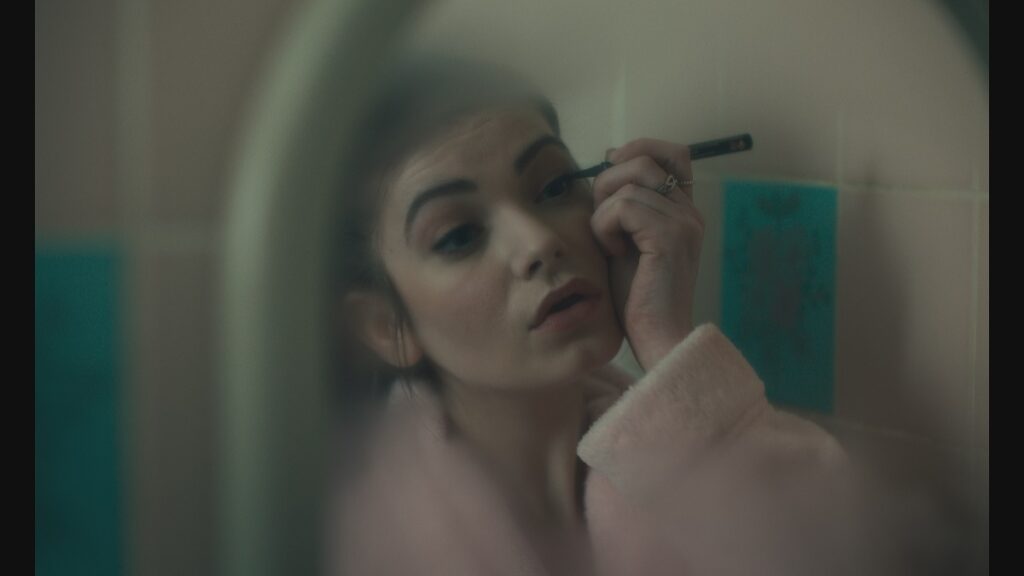
Effi is clearly cast as a ‘chavette’ character: all puffer coat, hoop earrings and raw gumption, her bright defiance stark against the bleak backdrop of post-industrial Wales.
Gwenllian gives an astounding, standout performance in the role, and there’s real comfort in seeing young women like Effi on the big screen. She’s a Gen Z streamer – capturing everything on her iPhone, including her baby’s ultrasound scan – while simultaneously caught in a 90s timewarp of dated décor, abandoned sofas and limited opportunities. The world has moved on, but not for young women like Effi.
In one scene, after finding out she’s ‘up the duff’, Effi crosses the village to the shop and empties a carrier bag of coins onto the counter. “Vodka please!” she says. It’s brilliant, darkly comic and a painfully authentic portrait of numbing the pain of existence. Yet the film never reduces her to defeat: Effi is wild, vivacious and shameless in the best possible way.

Like Alma’s Not Normal and Rain Dogs, this film rejects respectability, yet she’s still judged and exploited. At the hospital, she is discriminated against because she has no husband, no visible advocate, no agency and no social power. Through a series of systemic failures and prejudices, she is let down by an institution created by a Welshman for people just like her.
Effi is placed alone in a ward under construction, then carted off in an ambulance during a snowstorm, without a midwife. The issue of maternity care feels even more heightened in a rural setting, where services are stretched and support is often further away. Geography itself becomes another layer to the struggle.
The film also debunks the myth of the compo scrounger, and like many working-class people, Effi accepts that she doesn’t have a voice, absorbing the injustice rather than exploiting an NHS already on its knees. “Less money, less beds… that’s the way it is,” becomes a grim refrain for modern Wales, capturing the gaping hole between the founding principles of the NHS and the reality we face today.
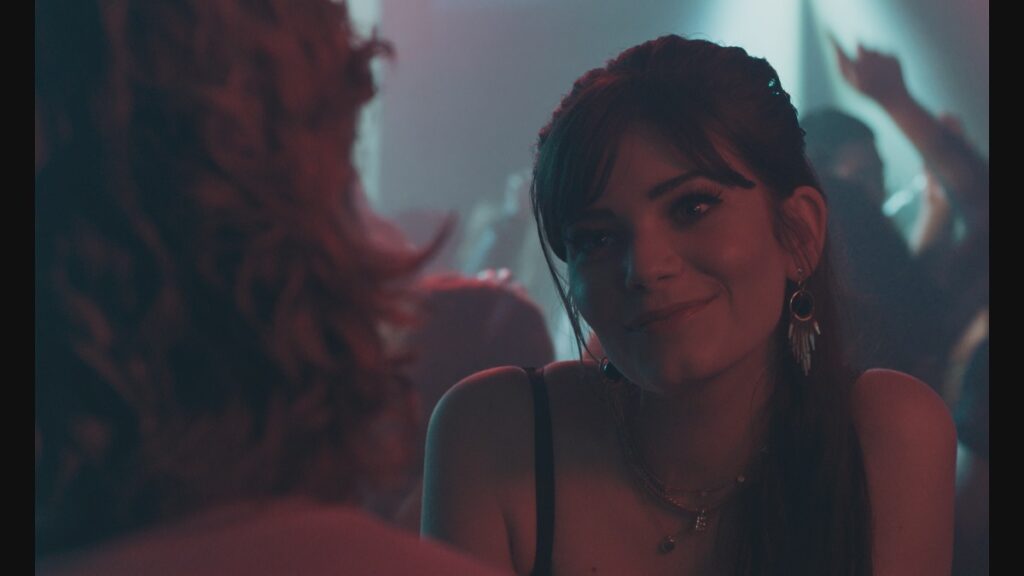
Watching Effi, I immediately thought of a line from my novel The Crazy Truth which sheds light on protagonist Girlo’s own predicament as a struggling writer: “It wasn’t that she couldn’t write, just that she was made to feel like she didn’t have the right to.” The tragedy here is that these young women have not failed, but instead have been unfairly shaped by a society that teaches them not to expect better; not to expect care, or dignity, or even the right to be listened to.
In this sense, stories like this one do something crucial: they insist that working-class lives are not marginal, disposable or undeserving of attention and space. They remind us of the flaws in humanity, and that every life deserves to be heard, seen and cared for.

Effi O Blaenau belongs to a vital tradition of socially engaged storytelling from I, Daniel Blake to Streetlife, Ms Rhymney Valley and Owen Sheers’ To Provide All People. In that sense, it also feels like a companion piece to Michael Sheen’s Nye: a reminder of how precious the NHS is, and how it needs modernisation and support.
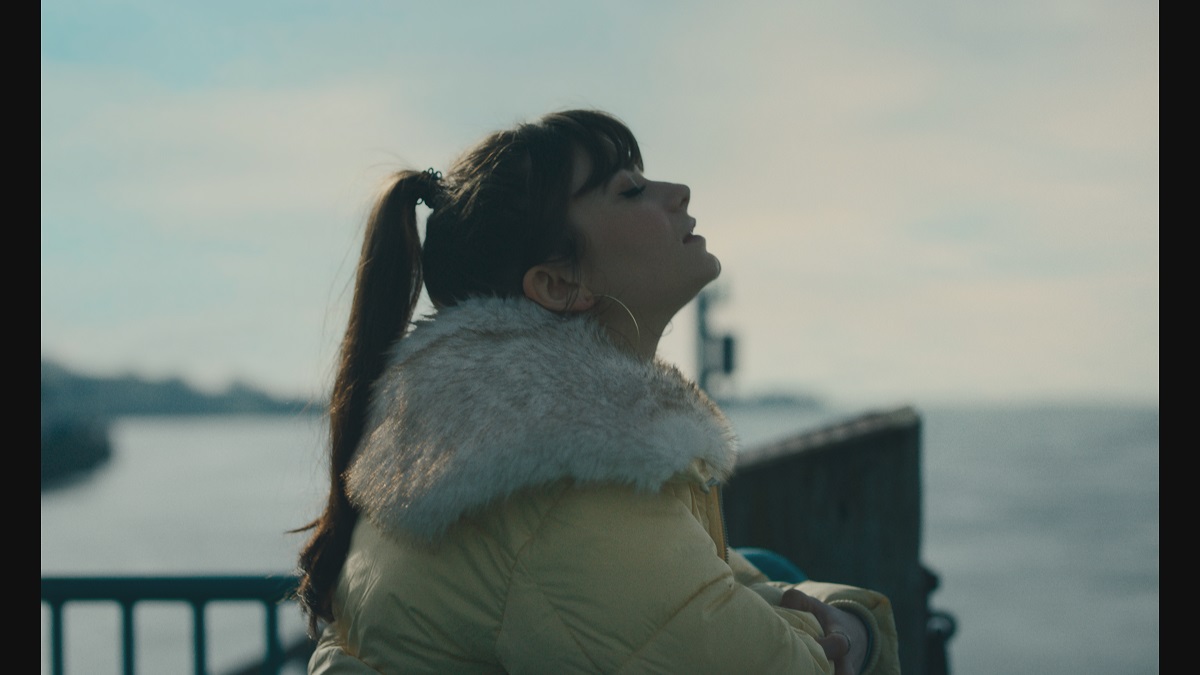
For all its heartbreak, this is ultimately a hopeful film. At moments, looking over the lake, Effi breathes in the chance of a different future. Wales needs films like this: stories that show lives too often ignored and insist that survival can be a form of resistance.
Effi O Blaenau opens in the UK on Fri 19 June.
It was funded by Creative Wales and S4C and was filmed in Blaenau Ffestiniog, Caernarfon and Port Talbot.
This article was commissioned by Film Hub Wales as part of its Made In Wales project, which celebrates films with Welsh connections, thanks to funding from Creative Wales and the National Lottery via the BFI.
Info: here
words GEMMA JUNE HOWELL

