
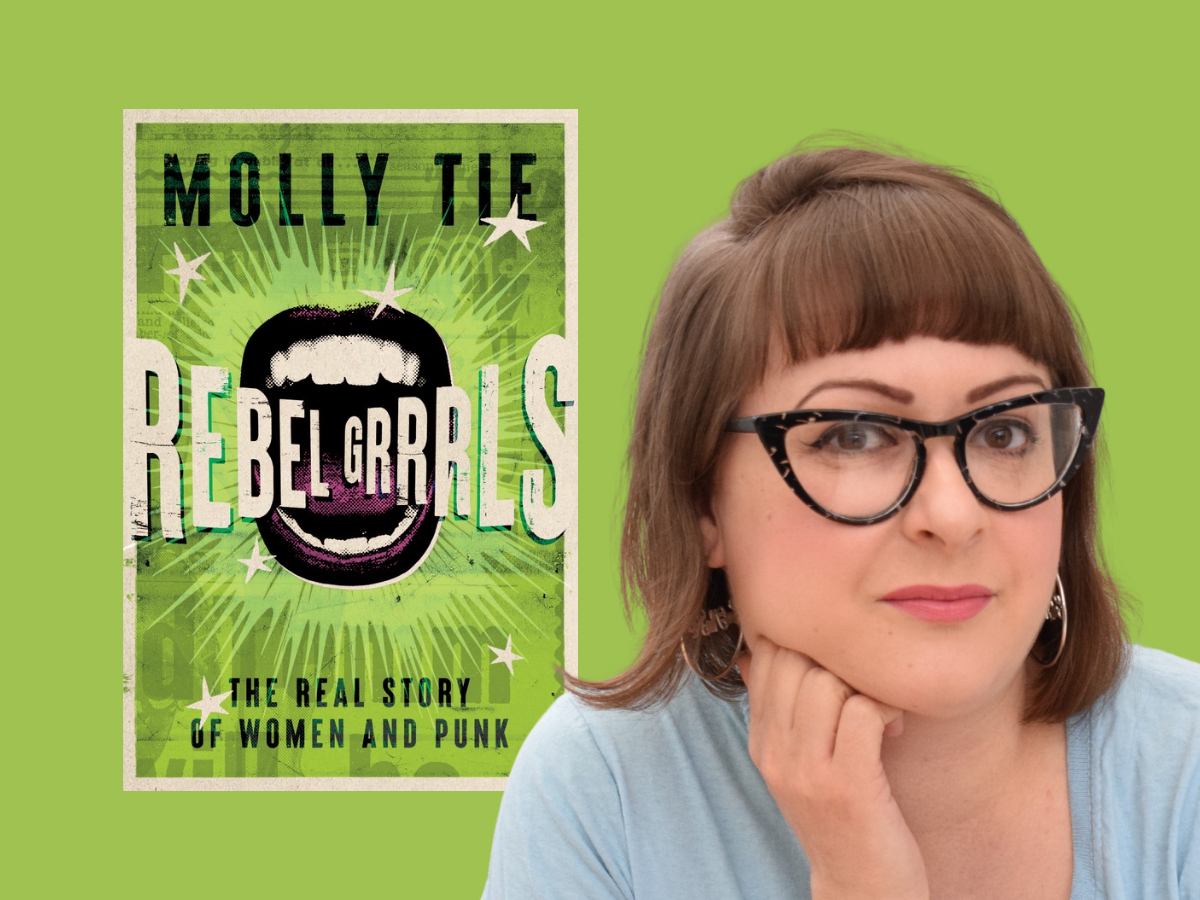
Molly Tie’s Rebel Grrrls has three principal merits. Firstly, in relation to its subtitle (“the real story of women and punk”), it focuses not only on women but more narrowly on female fans, to explore “what punk was like on the dancefloor rather than the stage” – a facet neglected in most rock histories. Prompted by her own personal debt to punk, she has invited dozens of other women to share their experiences, reflect on what they have gained through punk culture, and discuss the political awakening it has inspired.
Second, while Rebel Grrrls’ publication may coincide with the 50th anniversary of punk’s “golden summer” of 1976, Tie gives parochial purists a poke in the eye – acknowledging the genre’s 1960s origins in the Velvet Underground, and insisting that punk is a living, breathing force to this day.
Finally, as a card-carrying punk Tie still offers a clear-sighted, often critical appraisal of the subculture. One might assume it to be naturally aligned with feminism, providing women with a safe space within a patriarchal society, but as Rebel Grrrls makes clear, that’s not always been the case. The author’s instinct to address the blots on its copybook comes from a place of love, but also a determination not to give it a free pass, in light of its idealistic, progressive aspirations and rhetoric.
First-wave punk in the UK may have heralded moral panic for some, but for many young women its explosion was liberating, throwing up role models like Siouxsie Sioux and Poly Styrene. Furthermore, despite nihilistic strains, there was an emphasis on action that was constructive rather than merely destructive – yet, as Tie notes, few artists addressed issues that predominantly affect women, and it remained a male-dominated scene.

Early 1980s USA was ground zero for the birth of hardcore punk, whose leading lights, Tie observes, “weren’t trying to reform existing structures or frameworks; rather, they were attempting to create spaces outside of them”. However, sexism, misogyny and patriarchy were conspicuously absent from the long list of injustices hardcore bands railed against – partly, no doubt, because women were once again poorly represented onstage. Hardcore’s aggressive, confrontational style gave birth to moshpits, which made gigs unwelcoming for female fans, and then there’s the abstinent straight-edge movement associated with hardcore: as Tie points out, to those outside the wider punk community, it looked indistinguishable from puritanical conformity, regardless of its adherents’ motivations.
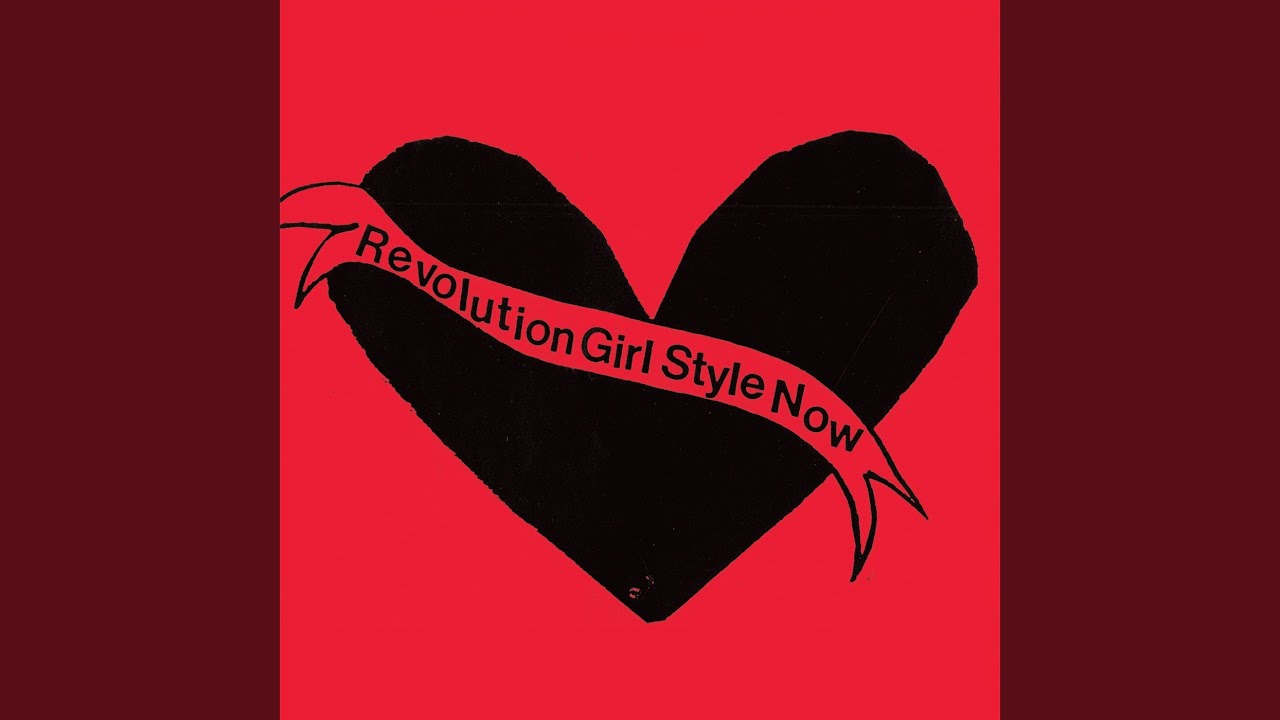
Riot grrrl, which emerged largely in the Pacific Northwest in the late 1980s and early 1990s, took hardcore’s build-your-own-world ethos while rejecting its masculinity – and grunge’s passive introspection. It put issues such as abortion, sexual harassment, violence against women and safety at gigs on the agenda; bands like Bikini Kill were, for countless girls, “the gateway drug for radical, feminist punk” – and for a wealth of feminist literature.
Yet, as Tie concedes, riot grrrl can be criticised for a lack of diversity, with the community composed almost exclusively of white, middle-class women. I would suggest it became something of an echo chamber too, a classic case of preaching to the converted. Nevertheless, the next historical phase – pop-punk of the mid-90s onwards – was a significant step backwards: boys barging their way to the front, ushering in casual sexism and fratboy machismo. This was also the era in which every aspect of fandom became monetised, making bands’ relationship with fans more exploitative.
Even worse was second-wave emo, with its focus on men who felt they had been ‘wronged’ by women and lyrical content that some of Tie’s contributors retrospectively acknowledge contained harmful messages that led to internalised misogyny. Tie doesn’t use the word ‘incel’ herself, but it’s very much the elephant in the room.
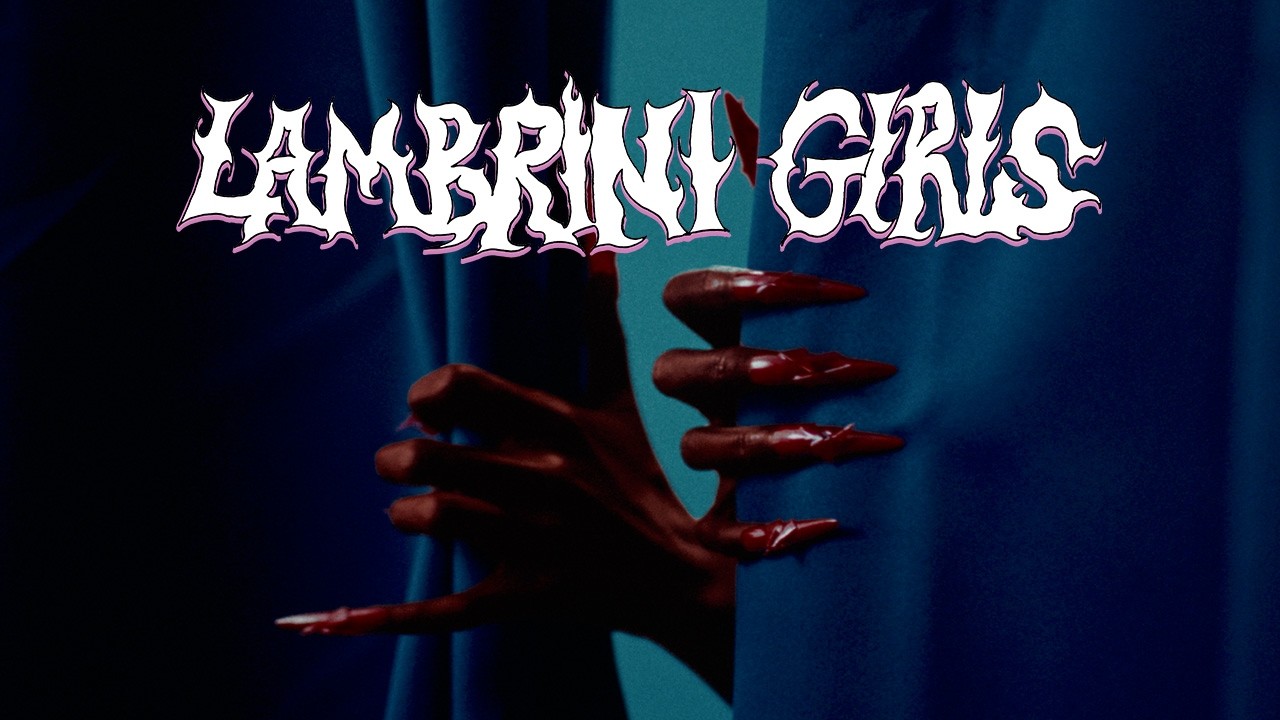
The last two decades has seen various right-wing administrations, financial crises and austerity, conflicts and climate catastrophes – hugely damaging, but the proverbial fertile ground for punk’s repoliticised resurgence. In the UK, there’s bands like Dream Wife and Lambrini Girls, who share the preoccupations of riot grrrl while performing for a broader audience, and greater awareness of intersecting oppressions, with trans rights and decolonisation key causes.
Challenges and concerns remain, though – about allyship and men’s reluctance to speak out, for instance, and about the distressingly frequent dissonance between what’s preached from the stage and what’s practised in dressing rooms and moshpits.
Given its ambitious scope and modest length, Rebel Grrrls is at times a superficial survey, sacrificing deeper insight for sweeping generalisation. The visceral appeal of the music itself is often buried beneath discussion of its messaging; the text would have benefited from more assiduous editing. But it’s a necessary book, which could pave the way for more forensic analyses of specific scenes and subcultures, and deeper explorations of topics such as the connection between punk fandom and activism and the paradox of seeking and finding individual identity within punk tribalism. And it ends by striking the right note: celebrating punk’s current revival as a feminist force while warning against hypocrisy and complacency.
Rebel Grrrls: The Real Story Of Women And Punk (Omnibus)
Price: £20. Info: here
words BEN WOOLHEAD

