
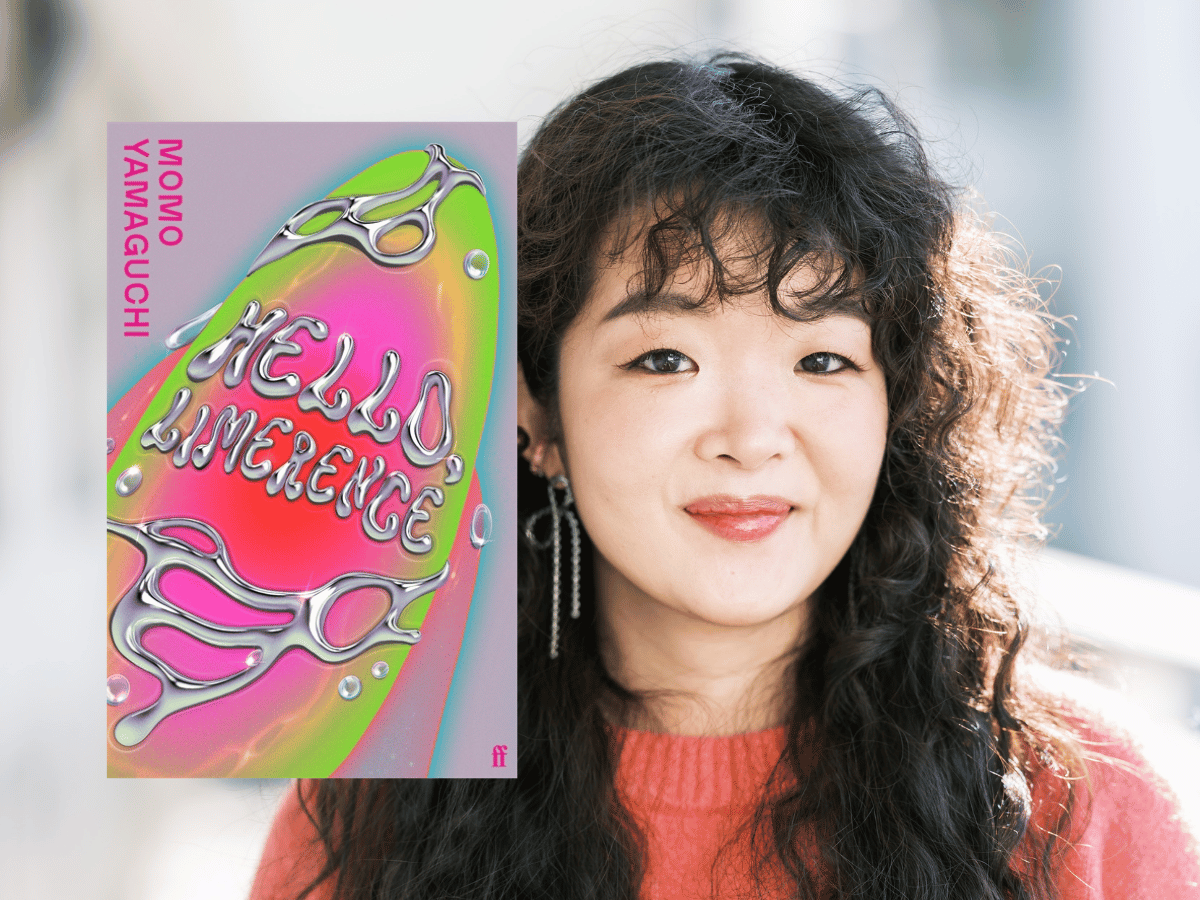
Momo Yamaguchi’s debut novel plays with the feeling of limerence, an involuntary state of intense romantic obsession and infatuation often characterised by intrusive thoughts. Hello, Limerence follows Mika, a 24-year-old, as she negotiates the instability and turbulence of navigating her job, family pressures, insecurity and desire.
It’s a bold, transparent and potentially relatable debut: a Marmite novel which, for some, may lean too heavily into its provocative themes. Yamaguchi playfully incorporates Mika’s one-sided fantasies and flings into the narrative, alongside extracts of text messages, giving readers access to Mika’s deepest vulnerabilities. The novel paints the relationship between self-worth, desire, and attraction in an emotionally raw way whilst providing insight into the nuances of dating in Japanese versus American culture.
However, while there are glimpses of relatability, Hello, Limerence comes off as less than revolutionary as a whole. The predictable themes felt like a collage of other coming-of-age stories, albeit awash with lust; constant references to profane sex are attention-grabby, cheap even, with limited benefit to the plot. Anyone familiar with the BookTok-fuelled rise in popularity of over-sexualised romance novels might wonder if Yamaguchi is actively reacting to that particular bubble: her language tics also echo our moment’s internet culture, which does run the risk of giving the work a finite degree of relevance.
At times, themes lacked expansion, with Mika’s motives often presented two-dimensionally. Towards the end, when her relationship status takes a turn, this shift has potential for rich dialogue and poignant revelation which goes unexploited. If Yamaguchi’s writing can be praised for creating a world where women’s sexual freedoms are reflected upon without shame, it’s equally arguable that, in Hello, Limerence, womanhood is equated to ‘being desired’ and ‘desiring a partner’ above all.

