
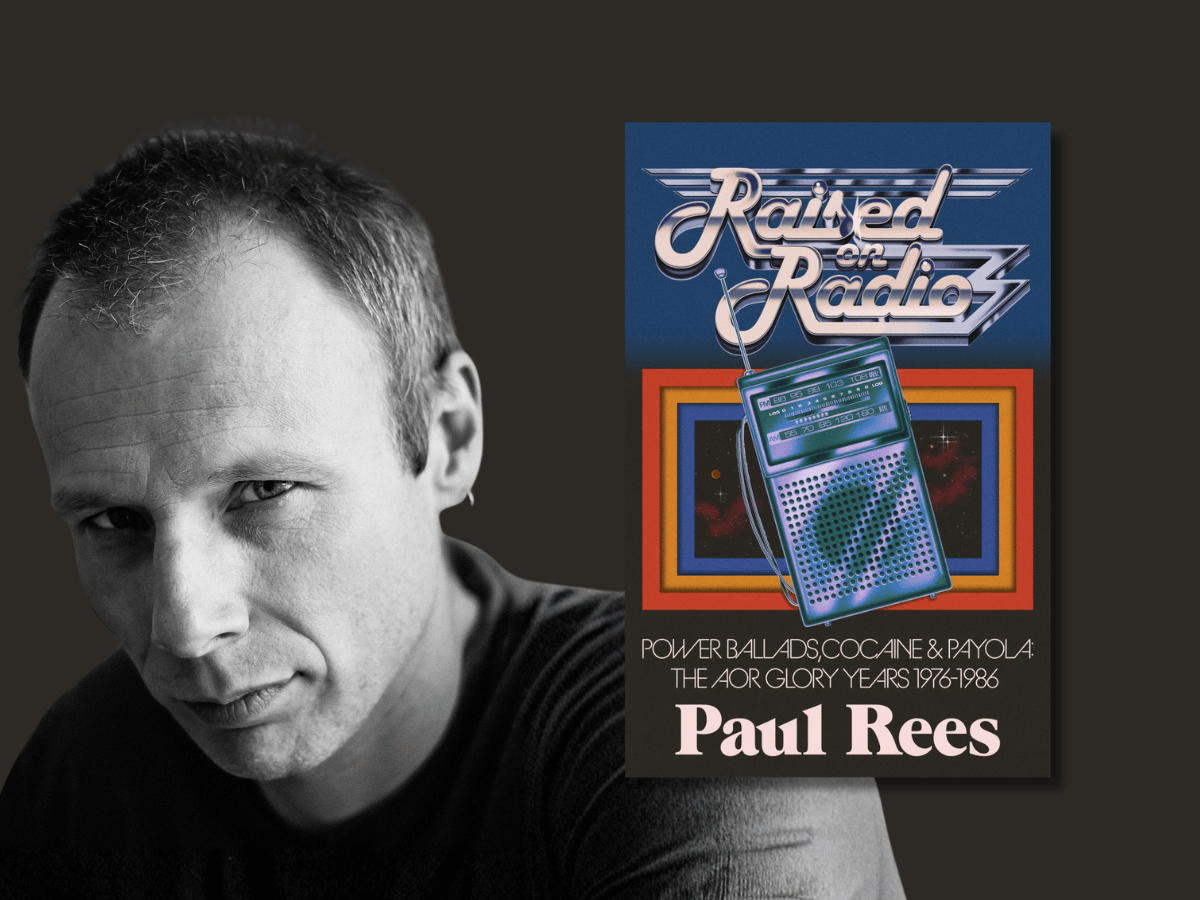
When the talking heads and the person inducing them to talk both understand the assignment, the ‘oral history’ book format can really pay dividends, and with Raised On Radio rock journalist Paul Rees makes it pop. Subtitled ‘Power Ballads, Cocaine & Payola: The AOR Glory Years 1976-1986’, the ex-editor of Kerrang! and Q has condensed the thoughts of several dozen musicians (and some musician-adjacent figures) whose recognition factor will vary greatly but who include some global megastars in their number.
The phenomenon of AOR, or album-oriented rock, added wrinkles to our understanding of rockstardom. Bands like Journey, Toto and Boston were among the biggest in the world in their heydays, and suitably ambitious and grandiose with it, but lacked the showmanship or lurid lore of, say, Kiss or Zeppelin. A good, equivocal job of contextualising this conundrum can be found here: Rees’ best interviewees juggle swelling ego and hangdog realism, reflective of careers that often rose and fell sharply. Toto guitarist Steve Lukather is a sassy motormouth par excellence, and there’s plenty of pearlers to be had from Foreigner’s Mick Jones, Def Leppard’s Joe Elliott and the Wilson sisters of Heart.
Rees and his publishers were no doubt acutely aware of the commercial common sense in including the drugs and skulduggery of Raised On Radio’s subtitle, and we’re treated to some ribtickling anecdotes along the lines of “The police let us go, but we had to take a private plane belonging to Hulk Hogan to our next show”. There’s not actually a great deal of payola, though plenty of inside baseball about MTV’s early role in sending AOR through the roof, and recollections of how this vainglorious, extravagant music came together in the studio, often at vast expense, are detailed yet accessible to the layperson.
The great and the good of AOR know that half the world thinks their music is excruciating toss, and they don’t care (or won’t admit to it anyway), but it’s largely immaterial to one’s enjoyment of Raised On Radio, whose 450 pages fly by and bounce, sometimes slightly confusingly, from interviewee to interviewee. Rees’ literary input is effectively limited to a fairly perfunctory prologue, and it may be that once he had his subject on the blower he was required to do little more than offer a topical prompt and press record – but bless him for doing so.

