Vale 50+ Strategy Forum
  • Home
  • Activities
  • Blog
  • Groups
    • Arts, Crafts & Leisure
    • Black Minority Ethnic
    • Climate Change
    • Health and Social Care
    • Housing
    • Transport
  • Money
  • Newsletter
    • Forum Newsletter
    • Weekly Email Newsletter
  • Podcasts
  • Scams
  • Calendar
  • Help
    • About Us
    • Contact Us
    • Documentation
    • Herald
    • Join the Forum !
    • News
    • Privacy Policy
    • Statistics
    • Useful Links
    • Vale of Glamorgan 50 Plus Safeguarding Policy
    • Members
Vale 50+ Strategy Forum
  • Home
  • Activities
  • Blog
  • Groups
    • Arts, Crafts & Leisure
    • Black Minority Ethnic
    • Climate Change
    • Health and Social Care
    • Housing
    • Transport
  • Money
  • Newsletter
    • Forum Newsletter
    • Weekly Email Newsletter
  • Podcasts
  • Scams
  • Calendar
  • Help
    • About Us
    • Contact Us
    • Documentation
    • Herald
    • Join the Forum !
    • News
    • Privacy Policy
    • Statistics
    • Useful Links
    • Vale of Glamorgan 50 Plus Safeguarding Policy
    • Members
Sunday, October 11, 2026
Vale 50+ Strategy Forum
  • Home
  • About Us
  • Contact Us
Copyright 2021 - All Right Reserved
Climate ChangeRecent Post

‘We feel like the peasants’: women and low-income families bear brunt of heatwave | Inequality

by David Jones 30/06/2026
written by David Jones

The heatwave afflicting western Europe is the worst ever, with the combination of heat and humidity fuelled by the climate crisis making scores of cities feel unliveable. While for some the adverse impacts amount to disturbed sleep and sticky days in the home office, low-income families are often worse affected by cities’ lack of adequate adaptation measures, with women at the sharp end.

“[It] throws a grenade into every vulnerability you already have,” says Asad Rehman, chief executive of Friends of the Earth, pointing out that vulnerable or marginalised groups often bear the brunt of climate crisis-based hardship globally.

In built-up cities, the socioeconomic aspect of this disparity can be most acute: studies have found that trees can halve the urban heat island effect but green spaces are not distributed equally, meaning poorer communities in densely packed flats and houses tend to suffer most. Rehman cites a study that found tree shade reduced maximum surface temperatures by 19C, while grass reduced them by 24C.

For Emily Dickinson, 36, her partner, Danny Swain, 34, and their son, Oliver, 10, a small living space aggravates the impact. Their one-bedroom apartment in Tufnell Park, London, made it impossible for Oliver to study after his school closed on Tuesday, along with more than 1,000 around the country. The family also have no nearby access to green spaces, having to walk in scorching heat to access cooler areas.

“It’s been unbearable,” Dickinson says. “At school, he was probably more comfortable than in our living situation.” This is exacerbated for families who face not just having to entertain a child in a hot home, but losing out on work at the same time.

“We feel like we’re the peasants that just have to deal with it,” she says. In unexpected circumstances such as this heatwave, expenses such as air conditioning and fans add an impossible burden to already stretched finances. While she hopes the government will look at the inaccessibility of expensive air conditioning for low-income families, she is pessimistic about whether any effective change will be made to improve social infrastructure’s ability to cope with extreme heat.

Travel cancellations and delays have made it difficult for Kimberley Lloyd, pictured with grandson Wyatt, to provide childcare for her working daughter. Photograph: Elodie Clements

Arcan Büyük Kahramanı, 43, and his wife Ayten, 41, had no choice but to keep their son, Poyraz, seven, with them at their cafe business in Islington after his school closed. “We can’t just close the shop,” says Arcan, expressing concern that Poyraz struggled to complete his homework in their cafe and would be missing out on education. The absence of a family support network means Arcan has few childcare alternatives.

“We can’t leave him with anyone else … [or] afford to hire a babysitter,” adds Arcan.

Even when families do have support networks, childcare is not always guaranteed when extreme heat results in travel cancellations and delays. Kimberley Lloyd, 76, from Southend, looks after her grandson Wyatt, nine, for two nights a week at her single-parent daughter’s house. “If I can’t get up here, she can’t work,” Kimberley says.

Charlotte Buxton, 41, from South Derbyshire, has also struggled with childcare. In her household of five children, three are autistic and the heatwave has made it harder to support their needs. Buxton chose to keep her son with the most severe learning difficulties at home with his younger brother, whose school was closed on Wednesday, feeling she would be better able to safeguard him in the heat. However, she says this decision to prioritise her children’s health comes at the expense of her own.

“I have to choose all the time,” she says. Since the heatwave’s onset, Buxton has balanced the full-time care of her children with household duties and managing her own disabilities, fibromyalgia and postural tachycardia syndrome. The hotter and more frequent heatwaves likely to come as a result of the climate crisis point to an unsustainable future for Buxton and many similar families who are “struggling anyway”, she says.

skip past newsletter promotion


Sign up to Down to Earth

The planet’s most important stories. Get all the week’s environment news – the good, the bad and the essential

‘We feel like the peasants’: women and low-income families bear brunt of heatwave | Inequality

after newsletter promotion

Charlotte Buxton, pictured with her children, Xavier, 14, Alfie, 12, and Tobias, nine, says ‘it’s always the mums’ required to make sacrifices. Photograph: Charlotte Buxton

Buxton says it is often women who are left to pick up the pieces. “It’s always the mums,” she says. A 2022 study found that almost half of all working-age women do an average of 45 hours unpaid care a week. Gemma Derrick, research policy and culture professor at the University of Bristol, found women’s productivity was more significantly affected than men’s when becoming a parent. In emergency or unexpected situations, mothers were often relied upon as a first port of call.

“It unconsciously sidelines women,” Derrick says – referring to school closures and cancellations during a heatwave – because mothers are assumed to be the primary caregiver.

Rehman agrees, suggesting that oppression of marginalised groups, especially women, could become more pronounced in the near future due to extreme heat – the only solutions being preventive measures to decelerate global heating combined with adaptation measures.

“Have we created conditions that put marginalised people at risk?” he says. “It’s not them that are causing [it], but they are the ones suffering.”

Source link

30/06/2026 0 comments
0 FacebookTwitterPinterestEmail
Local newsRecent Post

Barry man was uninsured on Harbour Road and resisted PC

by David Jones 30/06/2026
written by David Jones

Gareth Davies, 37, of Redberth Close, Barry appeared before Cardiff Magistrates’ Court where he was found guilty of using an uninsured vehicle and obstructing a constable in the execution of their duty.

The offences took place on August 1, 2025, on Harbour Road in Barry, where Davies was found to be driving without the required third-party insurance.

He was also convicted of resisting a constable while the officer was carrying out his duties.

The defendant had pleaded not guilty to both offences at a previous hearing on but was convicted following a trial.

Davies was fined £120 for the insurance offence and his driving record was endorsed with six penalty points.

He was also fined £120 for resisting the officer.

In addition to the fines, he was ordered to pay £200 in prosecution costs and a £48 victim surcharge.

A collection order was made, requiring him to make monthly instalments of £20, starting from July 7.

Source link

30/06/2026 0 comments
0 FacebookTwitterPinterestEmail
Health newsRecent Post

Dr Amir Khan’s brutally honest thoughts on supplements

by David Jones 30/06/2026
written by David Jones

Dr Amir Khan’s brutally honest thoughts on supplements

Dr Amir Khan has revealed his thoughts on supplements (Image: MEN)

There are a dizzying number of supplements available on the shelves of every supermarket, pharmacy, and health store, each one promising to make you healthier, fitter, and stronger. But how do we know which ones we really need? Dr Amir Khan, a familiar face on ITV’s Lorraine and Good Morning Britain, has explained which supplements really are essential – and which ones he takes himself.

A clip of the TV doctor appearing on Lorraine was recently shared to TikTok, where he busted some myths around the use of supplements. “Most supplements now come in gummy form, so whether it’s vitamin D, vitamin K, magnesium, creatine, they all come in gummy form, and that is fine,” he said.

“The thing about supplements is, if you need them, the best [ways] to take them are the ways that you are gonna take them regularly.” But he warned gummy supplements may not be the best way to get your essential vitamins and other nutrients.

“Because they taste like sweets, people will take them regularly and they will get their supplementation,” he said. “So that’s alright.

“The danger with gummies is, they can contain sugar and sweetness, which is a bad thing really, if you have too much. But also, because they taste so good, people just go back and eat and eat and eat them. So you can overdose on gummies.”

Lorriane replied: “Like it’s a bag of sweeties. You don’t wanna do that.”

Continuing, Dr Khan said: “The problem with the supplement industry as a whole is that it’s not regulated in the same way medicines are, so we don’t know exactly how much of everything is in these things. And some studies have shown that, actually, they contain 10 or 12 times more than the recommended dose, or some contain very little as well. And there’s no regulating that, and that’s a problem.”

Asked which supplements he would recommend everyone should take, Dr Khan said: “Vitamin D, I would say. Omega-3 fatty acids, yeah. And creatine.

“That’s where the evidence lies. Those are the only three I take.”

What is vitamin D and how much do you need to take?

Vitamin D helps regulate the body’s levels of calcium and phosphate, which are needed to maintain healthy bones, teeth and muscles, according to the NHS. The body creates vitamin D when it is exposed to sunlight and, as a result, most people will make sufficient amounts of vitamin through exposure to the sun from late March to the end of September.

However, the NHS says most people are not exposed to enough sunlight between October and early March, and recommends everyone should take a daily supplement during these periods. Adults and children aged one and older should take 10 mcg per day, while babies need between 8.5 and 10 mcg.

Other sources of vitamin D include oily fish such as salmon, sardines, herring, and mackerel, as well as red meat, egg yolks, fortified foods, and liver – although this should be avoided if you are pregnant. People at risk of not getting enough vitamin D and children aged between one and four should take supplements all year round, as should babies, unless they are having more than 500ml of infant formula a day.

What is Omega-3 and how much do you need to take?

Omega-3 fatty acids are linked to a reduction in the risk of heart disease by improving circulation, preventing blood clots, lowering blood pressure, and maintaining a healthy heart rhythm, according to the British Heart Foundation (BHF). They are also vital in the development of the brain and eyes.

Oily fish is the best source of Omega-3, as well as some nuts and seeds, including walnuts, sunflower or pumpkin seeds, and flaxseeds. Sunflower spread and rapeseed oil also contain Omega-3.

The BHF says, if you decide to take Omega-3 supplements, check they contain DHA (docosahexaenoic acid) and EPA (eicosapentaenoic acid) rather than just fish liver oil. Aim for around 450mg per day.

What is creatine and how much do you need to take?

Creatine is a source of energy which supports muscle function. The body creates the substance in the liver, kidneys, and pancreas, and delivers it to muscles, the heart, the brain, and other tissues, according to the Cleveland Clinic.

It is also sourced through your diet, with primary sources including red meat, seafood, and animal milk. Supplements are also available in a number of forms, and are commonly taken by athletes as they can help build muscle and reduce fatigue during exercise.

People whose diets don’t contain enough creatine can also benefit from taking supplements. There is no official guidance on how much each person should take, and it is advised to speak to your doctor first.

Source link

30/06/2026 0 comments
0 FacebookTwitterPinterestEmail
Recent PostTransport news

Traffic building on M4 after crash

by David Jones 30/06/2026
written by David Jones

Traffic has been brought to a standstill

12:00, 30 Jun 2026Updated 13:00, 30 Jun 2026

A crash on the M4 is causing lengthy delays on Tuesday afternoon.

The crash has taken place on the M4 westbound at junction 25 B4596 Caerleon Road (Caerleon).

There’s queueing traffic and two lanes are closed.

Follow live updates here

Source link

30/06/2026 0 comments
0 FacebookTwitterPinterestEmail
Health newsRecent Post

America’s terrifying ALS explosion: Experts reveal unexpected lifestyle habits fueling rise of deadly condition… and changes that can help REDUCE your risk after NFL icon’s shock diagnosis

by David Jones 30/06/2026
written by David Jones

A web of hidden dangers in modern life could be fueling an explosion in deadly ALS across America – and the discovery comes amid growing concern that seemingly fit, active young men are being diagnosed.

Around 33,000 Americans were living with the devastating neurological condition, also known as Lou Gehrig’s disease, in 2022, according to the national ALS Registry.

That number is expected to climb to more than 36,000 by the end of the decade.

While part of that increase is linked to an aging population, experts say it does not fully explain a troubling pattern emerging in recent years: a growing number of diagnoses among athletes, military veterans and otherwise healthy men with no known genetic link to the disease.

As former NFL star Chris Johnson, 40, revealed his diagnosis this week, researchers are increasingly zeroing in on whether modern lifestyles – from physical trauma to chemical exposures at work and in everyday life – could be helping to drive the trend.

‘Smoking, military service, certain occupational exposures such as lead, pesticides and solvents, and repeated head trauma have been linked with higher ALS risk,’ board-certified neurologist Dr Rab Nawaz Khan told the Daily Mail.

Meanwhile, even common pastimes – including gardening and golfing – have been implicated in recent research from the University of Michigan, likely due to exposure to pesticides and lawn care chemicals.

Together, it raises an urgent question: what is really driving this rise?

America’s terrifying ALS explosion: Experts reveal unexpected lifestyle habits fueling rise of deadly condition… and changes that can help REDUCE your risk after NFL icon’s shock diagnosis

Former NFL star Chris Johnson, 40, revealed his ALS diagnosis this week during an interview with Good Morning America

Johnson on the field during a Tennessee Titans game in 2013. The star was diagnosed with ALS in 2025 when he was 39

Johnson on the field during a Tennessee Titans game in 2013. The star was diagnosed with ALS in 2025 when he was 39

Outdoor hobbies

The 2024 study by the University of Michigan found golfing was associated with a threefold increase in risk, while gardening and yard work were linked to a 71 percent rise.

Woodworking has also been flagged, potentially due to exposure to chemicals such as formaldehyde.

Experts believe the link – which is particularly strong in male patients – may come down to repeated exposure to toxic substances. ALS attacks the nerve cells in the brain and spinal cord that control movement, and once these cells are damaged, they cannot be repaired. Over time, this severs the connection between the brain and muscles, causing them to weaken, waste away and eventually stop working.

Scientists suspect that pesticides, solvents and other chemicals may gradually damage these vulnerable nerve cells – either by triggering inflammation or by causing a build-up of toxic proteins in the body.

‘There are environmental toxins that have been connected to ALS through epidemiological studies,’ Dr Kuldip Dave, who oversees the ALS Association’s research program, told the Daily Mail.

‘So when you think about something like golf, or people living near farms, it’s possible that pesticides, insecticides, herbicides or other toxins could have an impact on the risk of developing ALS.’

While experts stress it is far too early to tell people to give up these hobbies, efforts are underway to identify risk factors that could be modified.

Physicist Stephen Hawking, who defied the odds after being diagnosed with ALS at 21 and living with the disease for more than 50 years. He died in March 2018

Physicist Stephen Hawking, who defied the odds after being diagnosed with ALS at 21 and living with the disease for more than 50 years. He died in March 2018

The number of estimated ALS cases in 2022 was 32,893, according to the national ALS Registry. By 2030, projected cases increase more than ten percent to 36,308

The number of estimated ALS cases in 2022 was 32,893, according to the national ALS Registry. By 2030, projected cases increase more than ten percent to 36,308

Toxic jobs

Certain professions have long been linked to a higher risk of ALS – particularly those involving intense physical labor or exposure to hazardous substances.

Researchers point to prolonged contact with workplace toxins, including metal particles, welding fumes, solvents, pesticides and industrial chemicals.

Manual and trade jobs consistently show elevated risk, with higher rates reported in manufacturing and chemical industries.

Construction workers and carpenters may face up to twice the risk, and are more likely to develop a form of the disease that affects speech and swallowing early.

A 2022 study in International Archives of Occupational and Environmental Health, involving 381 ALS patients and 272 controls, found sufferers reported significantly greater exposure to workplace hazards including metals, particulate matter and diesel exhaust.

Metal exposure showed the strongest link, increasing risk by 48 percent. Particulate matter raised risk by 45 percent, volatile organic compounds by 22 percent, and combustion and diesel exhaust by 20 percent.

Among specific exposures, iron and welding fumes carried the highest risks. Painters are also considered vulnerable due to volatile organic compounds (VOCs) in paints, solvents and thinners.

A still from the Good Morning America segment about Johnson and his ALS diagnosis, which is more unusual given his

A still from the Good Morning America segment about Johnson and his ALS diagnosis

Football and head trauma

Professional athletes – especially football players exposed to repeated head trauma – appear to face a significantly higher risk of ALS.

‘Repeated head and neck impacts may be one relevant exposure in some professional contact-sport athletes, but they do not explain most ALS cases,’ Khan said.

A 2021 study in JAMA Network Open, analyzing more than 19,000 former NFL players, found they were nearly four times more likely to develop and die from ALS than the general population.

‘And most of those NFL players were in their mid-30s at the time of diagnosis, just like Chris,’ Dave said.

‘While that study didn’t look directly at risk factors, the obvious explanation is head trauma.’

Those diagnosed had played an average of seven years, compared to four and a half among those without the disease.

Earlier research has also pointed to head injuries more broadly. A 2007 study found people with multiple head injuries had a threefold higher risk, rising to an 11-fold increase for repeated injuries within a decade.

A meta-analysis of eight studies reported a 1.7-fold increase in risk among those with a history of head trauma.

British rugby player Rob Burrow during a match in 2010. He was diagnosed with ALS in 2019 at 37 years old, and died in 2024 at 41

British rugby player Rob Burrow during a match in 2010. He was diagnosed with ALS in 2019 at 37 years old, and died in 2024 at 41

Rob Burrow with his wife, Lindsey Burrow, and friend Kevin Sinfield in 2024

Rob Burrow with his wife, Lindsey Burrow, and friend Kevin Sinfield in 2024

The role of intense exercise in ALS remains controversial, but growing evidence suggests it could have an impact in some cases. A 2023 review of 93 studies found frequent, strenuous activity may be linked to a higher risk.

In particular, researchers pointed to anaerobic exercise – short, high-intensity bursts such as sprinting or heavy weightlifting – as a possible factor.

Higher rates of ALS have been reported in elite athletes, including footballers, soccer players and cross-country skiers. Experts say this may reflect a combination of extreme training loads, repeated physical stress on the body – and, in contact sports, possible head impacts.

Scientists believe the link, if it exists, comes down to how intense exercise affects the body at a cellular level. 

Heavy exertion can increase oxidative stress – a type of damage to cells – and place strain on motor neurons. Over time, this may accelerate disease in vulnerable individuals.

Crucially, the risk does not appear to apply to everyone. ALS is strongly influenced by genetics, with more than 40 gene variants implicated. Researchers think intense exercise may act as a trigger in people already predisposed, rather than a direct cause of the disease itself.

Experts stress that for the vast majority of people, exercise remains safe and beneficial, and the findings should not deter normal physical activity.

‘There may be some increased risk in some sports, but not enough that I would tell someone not to play,’ Dr Jeffrey Rothstein, a neurologist at Johns Hopkins, told the Daily Mail. 

Smoking

Smoking is one of the more established lifestyle risk factors for ALS.

Scientists believe it may damage motor neurons directly or accelerate cellular stress that contributes to the disease, although the exact mechanism remains unclear.

A 2011 analysis published in JAMA Neurology, pooling data from more than 1.1 million people, found smokers had around a 40 percent higher risk of developing ALS than non-smokers.

More recent research has reinforced the link. A 2024 meta-analysis of 32 studies found smokers had an overall 12 to 14 percent increased risk, rising to 28 percent among current smokers.

The association appeared strongest in women, with a 25 percent higher risk, while no clear link was found in men – potentially because these men are more exposed to other risk factors such as workplace toxins.

Crucially, smoking is one of the few risk factors people can control. Khan’s advice is simple: ‘Avoid smoking.’

Eric Dane, best known for his role as Dr Mark Sloan on Grey's Anatomy, attends a premiere in June 2025. He was diagnosed with ALS in 2024 at age 51

Eric Dane, best known for his role as Dr Mark Sloan on Grey’s Anatomy, attends a premiere in June 2025. He was diagnosed with ALS in 2024 at age 51

Dane leaves Toronto International Airport in October 2025. The actor became an advocate for ALS awareness before he died in February

Dane leaves Toronto International Airport in October 2025. The actor became an advocate for ALS awareness before he died in February

Diet and metabolism

Diet is a far less certain piece of the puzzle, but researchers believe nutrition and metabolism may still play a role in risk and progression.

Oxidative stress and inflammation – both influenced by diet – are thought to contribute to nerve cell damage.

Some studies have linked diets high in processed meats to poorer outcomes, while high-carbohydrate, low-fat diets have also been associated with increased risk.

Environmental toxins may also enter the diet. Certain seafood can contain BMAA, a toxin produced by blue-green algae, or elevated levels of mercury.

On the other hand, nutrients with antioxidant and anti-inflammatory properties appear protective.

Higher intake of vitamin E, omega-3 fatty acids and carotenoids has been associated with lower risk, while a 2024 genetic study linked oily fish, coffee and fresh fruit to reductions of 24, 26 and 38 percent respectively.

However, experts stress the evidence remains limited.

‘Dietary risk factors are really tough to confirm and validate,’ Dave said.

‘I think from a risk factor standpoint, there’s less certainty on that one.’

He added that while healthy eating is always advisable, particularly after diagnosis, its role in preventing ALS remains unclear.

Former NFL star Johnson is far from the only famous face to confront ALS. Stephen Hawking, the brilliant physicist, defied the odds after being diagnosed at 21, living with the disease for more than 50 years and becoming a global icon of resilience. He died in March 2018. 

Actor Eric Dane, known for his role on Grey’s Anatomy, revealed his diagnosis in 2024 at age 51. He became an advocate for ALS awareness until he died in February. 

In the UK, rugby stars Rob Burrow and Lewis Moody, both World Cup winners, were diagnosed with ALS within years of each other. Burrow died in June 2024.

Source link

30/06/2026 0 comments
0 FacebookTwitterPinterestEmail
Local newsRecent Post

Finance worker Kory Russell, from Sully, died of heat exhaustion

by David Jones 30/06/2026
written by David Jones

Kory Russell, 25, originally from Sully, south Wales, collapsed near the finish line of the Royal Parks Half Marathon in London after suffering a cardiac arrest.

Despite efforts to save him, he was pronounced dead at St Mary’s Hospital in Paddington at 11.55am.

An inquest at Inner West London Coroner’s Court heard that Mr Russell’s body temperature reached more than 40C during the race.

He had no underlying heart conditions and was described as “meticulous” in his preparation for the event, which took place on October 12.

Matt Russell, Kory’s father, said his son had only taken part in short-distance runs and Parkrun events prior to entering the half marathon.

Mr Russell said his son was the eldest of four children and had always enjoyed maths and science.

He had been “proud” to secure a job as a financial officer at State Street Investment Management in Canary Wharf after earning a first-class degree in economics and finance from Loughborough University.

The inquest also heard that Kory had previously worked in a Michelin-starred restaurant in Penarth while studying for his school exams.

Paramedics treated him at the scene and continued CPR for more than 40 minutes—double the 20-minute national guideline.

Assistant coroner Jean Harkin said: “This time was extremely long and shows you just how committed the health services were.”

Dr Langford said: “The priorities of care were ice water cooling to reduce the temperature and chest compression with a Lund University Cardiopulmonary Assist System machine.”

Despite these efforts, Kory’s core temperature could not be reduced and he later died in hospital.

The coroner ruled that he died from cardiac arrest caused by heat exhaustion.

Mrs Russell said: “Kory was the kindest, most loving and hard-working person you could ever meet.

“He gave everything his all, whether it was work, sport, family or friendships.

“He had such a big heart and a personality that would light up any room.

“We are all heartbroken.

“He will be forever missed and remembered with endless love.”

Following her son’s death, Mrs Russell became vice president of Calon Hearts UK, a cardiac screening charity.

City of Cardiff Swim Club said: “The club is deeply saddened to learn of the passing of one of our former swimmers, Kory Russell, who tragically lost his life while taking part in the London Parks Half Marathon in London.

“Kory was just 100 metres from the finish line when he suffered a cardiac arrest and, despite efforts, could not be resuscitated.

“Kory and his sister Seren were both proud City of Cardiff Swimming Club swimmers, always wearing the dragon with honour.

“Kory brought a warm smile to every session, and his politeness, respect, and positive spirit left a lasting impression.

“He was an absolute pleasure to coach and a remarkable young man.

“Our thoughts and heartfelt condolences are with Kory’s family and friends during this incredibly difficult time.

“He will always be remembered as a Cardiff Dragon.”

The Royal Parks Half Marathon organisers also paid tribute.

A spokesman said: “Everyone involved in the organisation of the Royal Parks Half Marathon would like to express sincere condolences to Kory’s family and friends.”

Mr Russell had looked forward to completing his first half marathon and approached the challenge with careful preparation, the inquest heard.

Source link

30/06/2026 0 comments
0 FacebookTwitterPinterestEmail
Recent PostTransport news

Major road brought to standstill as tipper truck flips over

by David Jones 30/06/2026
written by David Jones

Need to know

The driver was taken to hospital with injuries after the crash that left debris strewn over the road

Major road brought to standstill as tipper truck flips over

The road closed as debris was cleared from the road

A driver has been taken to hospital after a dump truck overturned spilling rubble on to the road.

  • On Monday, June 29, police received reports of a single-vehicle crash on Merlins Hill, Haverfordwest involving a truck.
  • Dyfed-Powys Police said that a truck had overturned and spilled rubble on to the road. The driver of the truck was taken to hospital with injuries not believed to be life threatening.
  • The road was closed from around 2.50pm for nearly two hours while the truck was recovered and debris was cleared from the road.
  • Traffic built upon along the busy route until the road reopened around 4.15pm.
  • A spokesperson for Dyfed-Powys Police said: “Dyfed-Powys Police received reports of a single-vehicle collision on Merlins Hill, Haverfordwest at around 2.50pm on Monday 29 June.”
  • It added: “A truck was reported to have overturned and spilled rubble on to the road. The driver of the truck was taken to hospital with injuries not believed to be life threatening.”

Source link

30/06/2026 0 comments
0 FacebookTwitterPinterestEmail
Art Craft and Leisure newsRecent Post

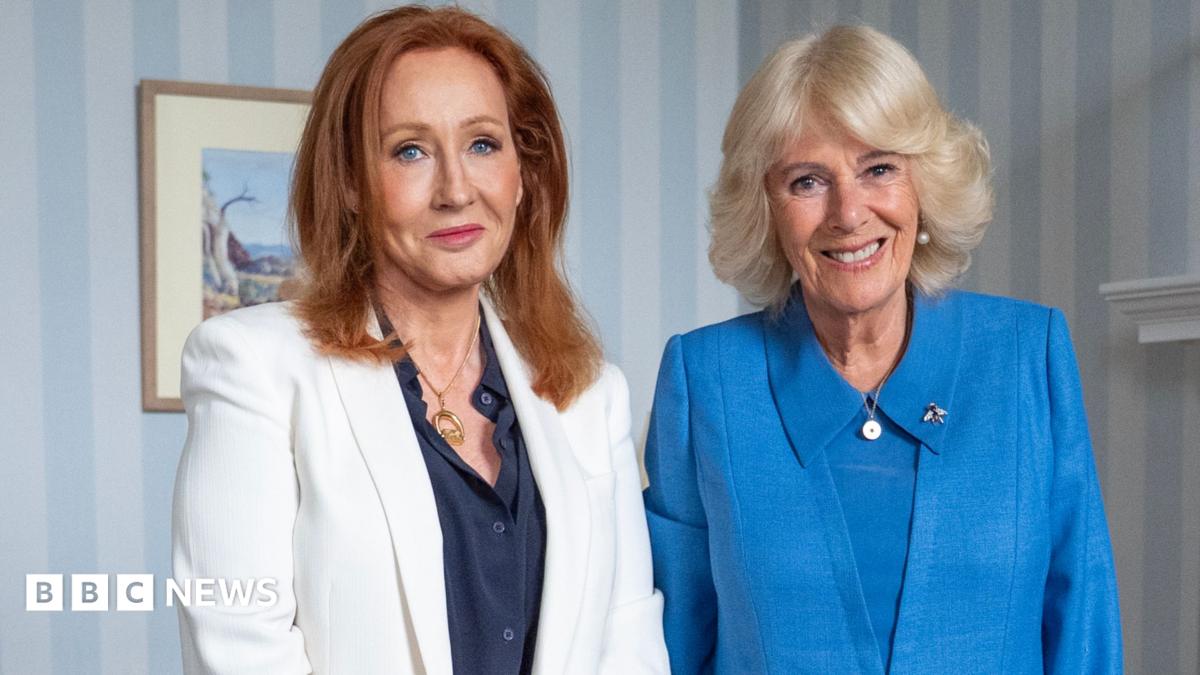
Queen meets JK Rowling to mark start of royal week in Edinburgh

by David Jones 30/06/2026
written by David Jones

The event started with the Crown of Scotland being escorted down the Royal Mile from Edinburgh Castle before the Royal Conservatoire of Scotland brass ensemble performed a fanfare in the debating chamber.

The King will later hold an investiture ceremony and garden party at the palace, at the foot of the Royal Mile, alongside Queen Camilla, the Duke of Edinburgh and the Princess Royal.

Those receiving honours included forensic scientist Lorna Dawson, who was awarded a damehood in the New Year Honours, and New Seekers singer Eve Graham, who becomes an MBE for services to the music industry.

Simon Milne, regius keeper of the Royal Botanic Garden Edinburgh, also received a knighthood for services to botany, conservation and horticulture.

Source link

30/06/2026 0 comments
0 FacebookTwitterPinterestEmail
Housing newsRecent Post

UK’s new cheapest car has 165-mile range and isn’t a Dacia or MG

by David Jones 30/06/2026
written by David Jones

It’s got a new starting price and that means it takes the honours

14:23, 30 Jun 2026Updated 15:00, 30 Jun 2026

The Leapmotor T03 has become the UK’s cheapest car thanks to its new starting price of £12,995. It comes as the brand – which is owned by car manufacturing group Stellantis – introduces a larger ‘Leap-Grant’ than previously available, bringing £3,000 off the cost of the T03.

Electric-only, the compact T03 has a range of up to 165 miles on a single charge, while a broad range of standard features including a 10.1-inch infotainment system, panoramic sunroof and adaptive cruise control come equipped on all models. The T03 also has a broad range of assistance systems with adaptive cruise control, lane departure warning and blind-spot detection fitted as standard.

Leapmotor first offered its ‘Leap-Grant’ prior to the government’s introduction of its own Electric Car Grant, and since launching last year, has registered 10,000 vehicles in the UK. The T03 sits alongside cars like the C10 and B10 in the brand’s range, which focuses on electric vehicles.

Damien Dally, Leapmotor UK managing director, said: “When we launched our industry-first Leap-Grant a year ago, we offered simplicity, clarity, and financial savings for customers left confused and in limbo by the Government’s own scheme.

“To celebrate 12 months of helping buyers ‘take the leap’ to electrification, we’re delighted to be doubling the Leap-Grant on the T03, making it not just the most affordable new EV in the UK, but the most affordable new car full stop.”

The government’s own Electric Car Grant offers up to £3,750 off the cost of a new electric vehicle, though qualifying models must meet strict criteria that look at where the car was built and how it was transported to the UK, as well as the overall efficiency of the car.

Source link

30/06/2026 0 comments
0 FacebookTwitterPinterestEmail
Health newsRecent Post

New hope offered to blind people after lab breakthrough

by David Jones 30/06/2026
written by David Jones

New hope offered to blind people after lab breakthrough

New research has been carried out – file image (Image: Getty)

Blind people have been given renewed hope of regaining their sight after laboratory-cultivated cells restored retinal function in mice.

The advancement demonstrates potential for novel eye treatments, according to American scientists.

Biomedical engineers at Duke University, North Carolina, utilised induced pluripotent stem cells (iPSCs) to cultivate specialised blood vessel cells vital to retinal health for the first time.

When administered into mouse models of retinal disease, the “retinal endothelial cells” incorporated into the compromised tissue to regenerate blood vessels and restore retinal function.

The research team also proved the cells’ capacity to form functional retinal vascular tissue in a laboratory-cultivated environment, establishing a pathway to model and investigate various eye diseases.

They state their findings, published in the journal Nature Biomedical Engineering, indicate the potential of employing the retinal cells and models to develop new methods of significant vision loss treatments and eye disorder research.

Study leader Professor Sharon Gerecht said: “Retinal vascular diseases affect millions of people, but our understanding remains limited, hindering our ability to discover and develop new therapeutics.

“Using human stem cells, we generated the cells found in retinal blood vessels, paving the way for new therapeutic approaches.”

She states the old saying that the eyes are “windows into the soul” is more accurate than people might think. Prof Gerecht explained that neurons from the retina – the rear section of the eye responsible for detecting light – extend directly to the brain, technically rendering the eyes part of the central nervous system.

Much like the brain itself, the retina possesses a blood barrier that rigorously regulates what enters and exits, including oxygen, nutrients, water – and pharmaceutical compounds.

While the barrier maintains the retina’s health and offers relative protection from disease-causing agents, Prof Gerecht notes it also presents significant challenges when attempting to treat the retina.

She said: “This barrier is formed by blood vessel tissue comprising a tight network of retinal endothelial cells, which form the inner layer of blood vessels, in concert with other specialised cells called pericytes and astrocytes.

Scientist looking into microscope

Scientist looking into microscope – file image (Image: Solskin via Getty Images)

“The specificity of these cells and the fact that they do not form in other areas of the body make the complex tissue difficult to heal or to grow from scratch.”

Study first co-author Parker Esswein, a PhD student working in the Gerecht lab, said: “When this specialised blood vessel tissue begins to break down, it can cause a lot of different diseases that lead to vision loss.

“While there are sources of retinal endothelial cells, being able to grow a continuous supply from scratch could offer many advantages for those working in the field.”

The retinal endothelial cells are presently harvested and cultivated from actual patients, rendering them comparatively costly with limited availability. To broaden availability, lower expenses and manage inconsistency, the Gerecht laboratory sought to determine whether they could cultivate them from iPSCs – developed adult cells reprogrammed to revert to primitive versions of themselves that can subsequently develop into a diverse range of other cell types.

The research team obtained commercial iPSCs and employed a well-established protocol to encourage them to develop into standard endothelial cells that constitute the inner lining of most of the body’s blood vessels.

The researchers then utilised a specialised mixture of growth factors to encourage the cells into becoming the particular type of endothelial cells present in the retina.

Following success, the researchers subjected their new creations to rigorous testing.

In experiments, the team successfully encouraged the cells to form the same networks and structures that they establish within the body.

The researchers then exposed the laboratory-grown tissues to reduced oxygen and elevated glucose levels, which are harmful conditions frequently observed in actual people.

The team explained that the conditions are “fundamental” triggers of diabetic retinopathy, the primary cause of vision loss in working-age individuals in the United States, and prompted the tissue barrier to deteriorate precisely as it does in patients.

Alt Text: Microscopic image displaying a complex network of intertwined structures, predominantly in hues of red and purple agai

This image depicts deteriorated human retinal endothelial cells, which are essential for maintaining eye sight. (Image: SWNS)

The researchers then tested their laboratory-grown cells as a treatment for mouse models with fragile, poorly structured retinal blood vessels. When administered to the mice prior to any actual deterioration of vision, the cells successfully merged with the existing tissue and aided in the development of robust blood vessels with resilient barriers.

Mr Esswein said: “The tests showed that these lab-grown cells have promise for preventative treatments, especially since they should be easier and cheaper to obtain using our technique.”

He added: “While our benchtop experiments did not attempt to model a wide variety of specific eye diseases in these studies, we’re confident we can create excellent human tissue models in the lab to help better understand these diseases and uncover therapies.”

The research team is now looking to investigate potential applications for their retinal endothelial cells, both within their laboratory setting and through emerging industry partnerships.

The group also has a patent pending that covers both the stem cell-based therapeutics and in vitro modelling for drug discovery and testing.

Source link

30/06/2026 0 comments
0 FacebookTwitterPinterestEmail
Newer Posts
Older Posts

Recent Posts

  • Expert warns of one item never to buy from 'unnamed online brand' – 'there's a risk'
  • 7 used EVs on sale in UK for under £30,000 to help you leave high fuel prices behind
  • Kelly Holmes joins Barry Island parkrun as special guest
  • Penarth planning decisions include approvals and refusals
  • Key signs tummy troubles are not just IBS – and could be bowel cancer – that the under 50s must know, top GP warns

Recent Comments

No comments to show.

Help us create an environment in which people fifty and over can fulfill their aims and objectives in life. Fight age discrimination and help preserve and promote the independence, dignity and positive image of people fifty and over and work to ensure that they have appropriate and adequate public care provision.

Facebook Twitter

Useful Links

    • Contact Us
    • Privacy Policy
    • Terms of Use
    • Help & Support

Edtior's Picks

Expert warns of one item never to buy from 'unnamed online brand' –...
7 used EVs on sale in UK for under £30,000 to help you...
Kelly Holmes joins Barry Island parkrun as special guest

Latest Articles

Expert warns of one item never to buy from 'unnamed online brand' – 'there's a risk'
7 used EVs on sale in UK for under £30,000 to help you leave high fuel prices behind
Kelly Holmes joins Barry Island parkrun as special guest
Penarth planning decisions include approvals and refusals

All Right Reserved. Designed and Developed by Martyn Jones.

  • Home
  • About Us
  • Contact Us
Vale 50+ Strategy Forum
  • Home
  • Activities
  • Blog
  • Groups
    • Arts, Crafts & Leisure
    • Black Minority Ethnic
    • Climate Change
    • Health and Social Care
    • Housing
    • Transport
  • Money
  • Newsletter
    • Forum Newsletter
    • Weekly Email Newsletter
  • Podcasts
  • Scams
  • Calendar
  • Help
    • About Us
    • Contact Us
    • Documentation
    • Herald
    • Join the Forum !
    • News
    • Privacy Policy
    • Statistics
    • Useful Links
    • Vale of Glamorgan 50 Plus Safeguarding Policy
    • Members
Vale 50+ Strategy Forum
  • Home
  • Activities
  • Blog
  • Groups
    • Arts, Crafts & Leisure
    • Black Minority Ethnic
    • Climate Change
    • Health and Social Care
    • Housing
    • Transport
  • Money
  • Newsletter
    • Forum Newsletter
    • Weekly Email Newsletter
  • Podcasts
  • Scams
  • Calendar
  • Help
    • About Us
    • Contact Us
    • Documentation
    • Herald
    • Join the Forum !
    • News
    • Privacy Policy
    • Statistics
    • Useful Links
    • Vale of Glamorgan 50 Plus Safeguarding Policy
    • Members
@2021 - All Right Reserved. Designed and Developed by PenciDesign