Vale 50+ Strategy Forum
  • Home
  • Activities
  • Blog
  • Groups
    • Arts, Crafts & Leisure
    • Black Minority Ethnic
    • Climate Change
    • Health and Social Care
    • Housing
    • Transport
  • Money
  • Newsletter
    • Forum Newsletter
    • Weekly Email Newsletter
  • Podcasts
  • Scams
  • Calendar
  • Help
    • About Us
    • Contact Us
    • Documentation
    • Herald
    • Join the Forum !
    • News
    • Privacy Policy
    • Statistics
    • Useful Links
    • Vale of Glamorgan 50 Plus Safeguarding Policy
    • Members
Vale 50+ Strategy Forum
  • Home
  • Activities
  • Blog
  • Groups
    • Arts, Crafts & Leisure
    • Black Minority Ethnic
    • Climate Change
    • Health and Social Care
    • Housing
    • Transport
  • Money
  • Newsletter
    • Forum Newsletter
    • Weekly Email Newsletter
  • Podcasts
  • Scams
  • Calendar
  • Help
    • About Us
    • Contact Us
    • Documentation
    • Herald
    • Join the Forum !
    • News
    • Privacy Policy
    • Statistics
    • Useful Links
    • Vale of Glamorgan 50 Plus Safeguarding Policy
    • Members
Sunday, October 11, 2026
Vale 50+ Strategy Forum
  • Home
  • About Us
  • Contact Us
Copyright 2021 - All Right Reserved
Health newsRecent Post

Battle of the diet pills: Everything you need to know about the new daily tablets – from side effects to cost. And crucially… which one will help you lose the most weight

by David Jones 29/06/2026
written by David Jones

An estimated 2.6million people in the UK already use fat jabs to tackle their weight problems.

But that could be eclipsed by demand for new versions of the drugs in pill form.

The first of these, an oral variant of the Wegovy jab, was approved earlier this month by the Medicines and Healthcare products Regulatory Agency (MHRA) and is available privately at around £100 a month. In the US, where the Wegovy pill was given the green light earlier this year, there were three million prescriptions in the first five months alone.

Meanwhile, Foundayo, another weight-loss pill version of the fat jabs (made by the company that produces Mounjaro), is expected to be available in the UK later this year.

Battle of the diet pills: Everything you need to know about the new daily tablets – from side effects to cost. And crucially… which one will help you lose the most weight

While 2.6 million people in the UK use fat jabs already, that number could be eclipsed by demand for new versions of the drugs in pill form

Wegovy Pill 

What is in it?

Contains semaglutide – the same drug used in the Wegovy jab. It is made by Novo Nordisk.

How do you take it?

Once a day on an empty stomach with a little water and at least 30 minutes before eating. You start on a dose of just 1.5mg but, depending on how you respond and only on doctor’s orders, this can be gradually increased every 30 days to a maximum of 25mg.

How does it work?

Like the jab, it contains semaglutide, a drug which mimics the action of our GLP-1 gut hormones – telling receptors in the brain to reduce appetite and slow gastric emptying, making you feel fuller for longer.

However, it also has a special ‘carrier’ molecule – called salcaprozate sodium (SNAC), which protects the drug against the harsh acidic environment of the stomach so it can be fully absorbed into the bloodstream (the jab version goes into subcutaneous fat and passes directly into the bloodstream).

How much weight can you lose?

It can vary, but an average 16.6 per cent of bodyweight. For example, if you weigh 16st 7lb (106kg), you could expect to lose around 2st 7lb (17.7kg) over 64 weeks on the highest dose of 25mg a day, according to trial data in the New England Journal of Medicine last September.

This is slightly less than the overall average reported for Wegovy jabs (19 per cent on a once weekly 7.2mg jab). However, a third of the obese volunteers in the pill trial managed to lose 20 per cent or more.

Any other health benefits?

As with GLP-1 jabs, patients on the Wegovy pill experienced significantly improved HbA1c (a three-month average of the sugariness of their blood), lower blood pressure and a slimmer waist.

Blood pressure, for example, dropped by an average of 6.8mm/Hg for systolic (the top number, which measures the maximum pressure your blood exerts against artery walls when your heart beats) and 2.7mm/Hg for diastolic (pressure between beats).

Average waist circumference declined by 12.2cm (or almost 5ins), and fasting plasma glucose – or the amount of sugar in your blood after not eating or drinking for eight hours – dropped by 6.6mg/decilitre.

Meanwhile, total cholesterol scores came down by an average of just over one per cent, and levels of triglyceride blood fats – known to raise the risk of heart disease – dropped by just under one per cent.

Like the jab, the Wegovy pill contains semaglutide, a drug which mimics the action of our GLP-1 gut hormones

Like the jab, the Wegovy pill contains semaglutide, a drug which mimics the action of our GLP-1 gut hormones

Side-effects

Trial data found 74 per cent of those on the Wegovy pill had gastrointestinal side-effects compared with 42 per cent in a placebo group.In most cases these were mild and this is comparable to jabs, including Wegovy. Seven per cent quit Wegovy pills due to side-effects such as nausea, sleep disorders, vomiting, abdominal pain and indigestion. But the drop-out rate was almost the same – six per cent – in the placebo group.

When will it be available?

Private online pharmacies are now supplying the Wegovy pill. Availability on the NHS would depend on approval by NICE, so the earliest it could be prescribed would be 2027.

Cost

Asda’s online pharmacy, for example, charges £98.97 a month for 1.5mg doses and £118.97 for 4mg. Higher doses are coming soon – these will cost £128.97 a month for 9mg and £188.97 for 25mg.

Pros

Greater weight loss than Foundayo (up to 20 per cent over 64 weeks, compared with 12.4 per cent for Foundayo over 72 weeks).

Cheaper than Wegovy injections.

Lowers blood pressure and glucose levels.

Cons

Has to be taken at least 30 minutes before eating. ‘Otherwise less of it will be absorbed as food dilutes the SNAC protective layer,’ says Professor Yeo.

Must be taken daily (the jab’s once a week).

Likely to be more expensive than Foundayo because of its manufacture – it’s a modified peptide hormone which is more difficult to make; Foundayo is a white powder drug made by chemical reaction, therefore cheaper.

It can affect other medications that need to pass through the stomach quickly because it slows down stomach emptying.

Patients on GLP-1 jabs experience improved HbA1c (a three-month average of the sugariness of their blood), lower blood pressure and a slimmer waist

Patients on GLP-1 jabs experience improved HbA1c (a three-month average of the sugariness of their blood), lower blood pressure and a slimmer waist

Foundayo, another weight-loss pill version of the fat jabs (made by the company that produces Mounjaro), is expected to be available in the UK later this year

Foundayo, another weight-loss pill version of the fat jabs (made by the company that produces Mounjaro), is expected to be available in the UK later this year

Foundayo Pill

What’s in it?

Contains orforglipron. Made by Mounjaro manufacturer Eli Lilly.

How do you take it?

Once a day and at any time of day. The starting dose is 0.8mg but this can be increased every 30 days up to a maximum dose of 17.2 mg.

How does it work?

Like the Wegovy pill, orforglipron (the active drug in Foundayo), mimics GLP-1 but, unlike Wegovy, it is a small molecule drug that’s chemically stable. This means stomach acid doesn’t destroy it, so it doesn’t need a protective coating.

How much weight can you lose?

An average 12.4 per cent of bodyweight (27.3lbs) over 18 months, so less than the Wegovy pill, according to trial data. However, those who had previously lost weight on jabs but then plateaued managed to maintain 75 to 80 per cent of their weight loss up to 52 weeks by then taking Foundayo instead.

Any other health benefits?

It reduced volunteers’ waistlines by an average 4.4ins (11.1cm) and lowered systolic blood pressure by an average 6.7mmHg (comparable to the Wegovy pill).

Levels of harmful blood fats called

triglycerides fell 21.6 per cent and non-HDL cholesterol (which includes ‘bad’ LDL cholesterol) readings dropped by 8.5 per cent.

Side-effects

Between five and 10 per cent of patients – depending on the dose – quit the drug due to nausea, constipation, diarrhoea, vomiting, indigestion and stomach pain, though most said the effects were mild to moderate.

Others included headache, tiredness, belching, heartburn, wind and hair loss (these are similar to those reports for Wegovy).

Professor Yeo says it’s not fully clear if one pill has more adverse effects than the other – as there are currently so few Foundayo users.

‘I’m not concerned for now, and time will tell if there are actually more side-effects.’

When will it be available?

it is expected to become available privately in the UK in later this year and is currently being reviewed by the medicines watchdog, the MHRA.

The drug will have to be appraised by the National Institute for Health and Care Excellence (NICE) before it can be made available on the NHS.

Cost

Currently only available in the US for around $147 (£111) a month for the lowest dose of 0.8mg. In the UK it’s expected to be cheaper than injectable GLP-1s.

Pros

Can be taken at any time of day and ‘without food restrictions, which is more convenient than the Wegovy pill’, says Professor Yeo.

It’s a simple powder that means it will be cheaper to make, ‘so, when it eventually goes off patent [potentially around 2039) it will cost pennies,’ says Professor Yeo.

May help those who have plateaued on fat jabs to maintain most of their weight loss, ‘so I suspect the better-off will use it as a cheaper follow-on to injections’, says Professor Yeo.

Cons

Less weight loss on average than with the Wegovy pill

Has to be taken daily (unlike the weekly jabs)

Slightly higher drop-out rate on higher doses due to unwanted side-effects than with Wegovy pill.

Source link

29/06/2026 0 comments
0 FacebookTwitterPinterestEmail
Local newsRecent Post

Penarth sisters launch changemaker retreat in Spain

by David Jones 29/06/2026
written by David Jones

Nikki Giant, founder of The Spark Movement, has worked with organisations and communities across Wales and the UK.

However, she said her experience revealed a growing problem — many of those most committed to helping others were struggling themselves.

She said: “Many of the people I work with care deeply about making a difference.

“They’re passionate and driven by purpose, but over time I began to notice how many of them were running on empty.”

Ms Giant said the issue had wider implications, suggesting burnout and stress among leaders can affect the organisations and systems they are trying to improve.

Her thinking was further shaped by personal experience when her sister, Claire Watson, was diagnosed with breast cancer in 2021.

After recovering, Ms Watson left her teaching career and founded Zen Club, a wellbeing initiative supporting children and young people.

Ms Giant said: “Watching Claire’s journey made me realise how many people spend years serving others without ever stopping to ask what they need.”

The sisters have now joined forces to create The Changemaker Retreat, a four-day programme designed for leaders, educators, charity workers and others in purpose-driven roles.

Taking place in Spain in October, the retreat will combine coaching, reflection and wellbeing practices to help participants reconnect with their values and avoid burnout.

Ms Giant said: “We often celebrate people who keep pushing and giving, but we are reaching a point where many are asking if impact has to come at the expense of wellbeing.”

More information is available at the Nikki Giant website.

Source link

29/06/2026 0 comments
0 FacebookTwitterPinterestEmail
Health newsRecent Post

Breastfeeding a child for six months could lower their ADHD risk, study finds

by David Jones 29/06/2026
written by David Jones

Children of mothers who exclusively breastfeed for at least six months are less likely to develop ADHD, a first-of-its-kind study has found. 

Breast milk has long been linked with better overall health, but there is debate over just how crucial it is for the long-term wellbeing of children.

While the vast majority of British mothers breastfeed in the first two months after birth, around four in ten mothers have stopped by the six month mark, often switching to formula milk instead.

But in the new study, published in the journal Biological Psychiatry, researchers found the longer a child was exclusively breastfed, the less likely they were to show symptoms of attention-deficit hyperactivity disorder, or ADHD.

The Norwegian researchers behind the study say it is unclear why breastfeeding has this protective effect, but theorise that the milk may contain nutrients vital to brain development.

They conclude that full breastfeeding ‘could partially protect against childhood ADHD’.

The findings come as a new report revealed that the number of children in the UK living with ADHD has risen by a quarter since 2018. 

More than one million children were referred to mental health services across England last year, according to Dame Rachel de Souza, the children’s commissioner who led the report.

Breastfeeding a child for six months could lower their ADHD risk, study finds

Breastfeeding could help protect against childhood ADHD, new research suggests

Attention deficit hyperactivity disorder (ADHD) is a condition which affects the brain.

Symptoms usually start before the age of 12 and children may present as being easily distracted, hyperactive and impulsive. 

Children with ADHD may also find it difficult to concentrate on tasks, sit still and listen to instructions. 

Around 750,000 children in the UK are believed to have ADHD and diagnoses have risen sharply in recent years. 

The new study, led by experts at the University of Bergen, analysed data from 37,643 children and mothers from the Norwegian Mother, Father and Child Cohort Study. 

The researchers wanted to find out how many months a child would need to be exclusively breastfed for to reduce their risk of developing ADHD symptoms. 

Six months after giving birth, mothers were asked how long they exclusively breastfed, how long they used a combination of formula and breastmilk and when they introduced other liquids or solid foods. 

‘We found that the longer a child was exclusively breastfed (up to six months), the lower the level of ADHD symptoms at ages three, five, and eight years’, said Dr Berit Skretting Solberg, consultant psychiatrist and study lead author said.

The association was observed in both boys and girls and was strongest at ages three and five. All breastfeeding showed a protective effect which increased with duration and intensity of breastfeeding. 

The researchers concluded: ‘Our findings suggest that full breastfeeding could partially protect against childhood ADHD symptoms,’ but acknowledged further studies need to be done to confirm the findings. 

It is the latest study to demonstrate the health benefits of breastfeeding.

In 2025, a major US review found that breastfeeding reduced the risk of infant mortality, rapid weight gain, infections, and allergies.

Experts say rising ADHD diagnoses are putting unsustainable pressure on the NHS.

In England, nearly 550,000 children and adults are awaiting NHS assessments.

Meanwhile, around a third of NEETs – young people not in education, employment or training – have an ADHD diagnosis.

There are also a growing number of experts who question the validity of these numbers, arguing that ADHD is potentially less common than figures suggest.

The new report into the rising number of young people with mental health conditions, published by children’s commissioner Dame Rachel de Souza, argues that the rising rates of diagnosis for ADHD and autism did ‘not necessarily mean rising prevalence’.

The authors add that the rising number of diagnoses may reflect the ‘medicalisation of distress’ where a diagnosis becomes the ‘main route of support’.

Source link

29/06/2026 0 comments
0 FacebookTwitterPinterestEmail
Art Craft and Leisure newsRecent Post

A unique stage and a bombardment of metal classics: Metallica live 

by David Jones 29/06/2026
written by David Jones

Sunday afternoon and Cardiff city centre feels like an alternate world where everyone is a metalhead. The 76,000 ticketholders, who comprise the largest audience ever for the Principality Stadium, are all in great spirits under the mellow post-heatwave sun. Womanby Street is gridlocked with Metallica shirts, and the staff of a popular city centre coffee shop explain to me how much friendlier today’s patrons are than Take That’s crowd the previous week. Nature is healing.

Inside the Principality (it’s tough not to call it the Millennium, but I’ll play the game) they’ve closed the stadium’s retractable roof. Smart move – rock music is always better under cover of as much darkness as possible. Metallica’s stage setup is a sight to behold; a gigantic ring surrounded by eight speaker towers twice as tall as most people’s houses. Directing us around this crashed spaceship are what feels like thousands of stewards, security and tech staff. If nothing else, this show is a phenomenal feat of logistics.

James Hetfield faces an inflatable onslaught in Cardiff - credit Tim Alban
James Hetfield faces an inflatable onslaught

Stadium shows are strange beasts. Lacking the thrilling intimacy of a smaller venue, these shows have to instead impress via bombast and scale. Knocked Loose, no strangers to smaller venues, open up proceedings with their brand of modern metalcore. The young five-piece make great use of the ringed stage, two-stepping around it with impressive confidence; the future is in safe, very heavy hands.

Next up are Gojira. Metallica and their team have chosen two stellar support acts here – ones with underground credit in the bank, in spite of their huge popularity. Gojira, indeed, are one of the biggest French bands of all time, and boast all the panache and flair of an act that belongs in such stadium environs. Across 11 tracks, highlighted by the back-to-back punch of the cosmic-scaled Flying Whales into the Grammy-winning Mea Culpa, their tech/groove metal combination finds a perfect sweet spot between intricate and anthemic.

Lars Ulrich and Rob Trujillo - credit Tim Alban
Lars Ulrich and Rob Trujillo

By the time the main men arrive, the place is ready to explode. A phalanx of stewards make a tunnel for the band to enter through, boxer-style, soundtracked by the longstanding Metallica walk-on anthem, Ennio Morricone’s The Ecstasy Of Gold. Their two opening tracks are, in this writer’s eyes, among their finest: Creeping Death into For Whom The Bell Tolls.

Of the 16 tracks Metallica play tonight, five are from 1991’s Black Album. Various others date from the mid-90s or later. Given that For Whom… and a late rip-through of the eternal Master Of Puppets get the two biggest reactions of the night, a few more tracks from the 1980s albums wouldn’t have gone amiss.

James Hetfield and Rob Trujillo - credit Tim Alban
James Hetfield and Rob Trujillo

The band sound great, though, and work the stage setup brilliantly. The in-the-round stage is an inherently odd experience, as the band broadly tend to congregate wherever Lars Ulrich’s two drumkits pop up. These kits only appear on one half of the circle, so the band spend far more time on that half than the other. There again, it’s a stadium show, so few of us are very near the artists anyway. At the very least, Metallica’s unique stage offers something different and undeniably striking, in its enormous, yellow-hued grandeur.

The band seem genuinely appreciative of the amount of fans in attendance. Between songs, James Hetfield constantly thanks the audience for their support, and – in a funny and endearing surprise – Kirk Hammett and Rob Trujillo belt out Tom Jones’ Delilah with all the gusto of friends doing karaoke on St. Mary’s Street at 2am.

James Hetfield and Kirk Hammett - credit Tim Alban
James Hetfield and Kirk Hammett

By the time Enter Sandman finishes and the band have spent five minutes throwing pint cups full of guitar picks into the crowd, you can’t help but feel full and satisfied – like a hearty meal that offers just enough of the flavours you recognise and those you don’t. Come back soon please, lads.

Metallica, Gojira + Knocked Loose, Principality Stadium, Cardiff, Sun 28 June

words TOM MORGAN photos TIM ALBAN

Source link

29/06/2026 0 comments
0 FacebookTwitterPinterestEmail
Health newsRecent Post

Heart surgeon brands non-alcoholic drink ‘liquid death’

by David Jones 29/06/2026
written by David Jones

Heart surgeon brands non-alcoholic drink ‘liquid death’

The heart surgeon described one of the globe’s most consumed beverages as ‘liquid death’ (Image: Getty)

A heart surgeon has described one of the globe’s most consumed beverages as “liquid death”, urging that individuals simply should not drink it “period”. Dr Jeremy London possesses board certification in general surgery, vascular surgery and thoracic surgery, and regularly provides guidance via social media and interviews.

He is hardly alone among medical professionals voicing alarm about the detrimental effects fizzy drinks can inflict on health. In an Instagram posting, Dr London outlined “four things I absolutely avoid as a heart surgeon”. These comprised smoking, alcohol, breads and pastas, and soft drinks.

He stated: “Number one, smoking: no question the single worst thing you can do for your entire body. Destroys your lungs, causes lung cancer, high cardiovascular risks, heart attacks and strokes, don’t smoke.”

Alcohol came second on his roster. He stated: “Hate to break it to you [but it’s] toxic.

“Toxic to every cell in your body. Your body, your rules, you decide for yourself. For me personally, removing alcohol from my life has probably been one of the most transformative decisions I’ve made as an adult.”

Soft drinks ranked third on his list. He said: “Liquid death. Just don’t drink them. Period. Done.”

Wrapping up his advice, Dr London stated: “Avoid breads and pastas. Avoid the refined flours and wheats. Eighty percent of weight control is diet, 20% is exercise. I guarantee you can out-eat any exercise that you do.”

Dr WIlliam Li (right) on Good Morning America

Dr London (right) listed four things he would “absolutely avoid as a heart surgeon” (Image: Getty)

In a subsequent interview with Today, Dr London stood by his stance on soft drinks (also commonly known as fizzy drinks), though he conceded that labelling them as “liquid death” was designed to capture attention: “I think that soft drinks are just a scourge in our society, and so I was really trying to get some attention.

“Obviously, high-calorie soft drinks and ingesting a lot of calories that people don’t realise they’re getting with the sugar-based soft drinks is a big no-no.”

Yet, he is far from the only distinguished medical expert who considers fizzy drinks to pose a greater health threat than most individuals appreciate.

Dr William Li recently told the Zoe podcast: “Soda is everyone’s favourite whipping boy. Rightfully so. The preponderance of clinical evidence, public health evidence, shows that high consumption of soda is associated with everything from metabolic disease to cardiovascular disease to cancer risk.

Elderly woman buying grocery products in supermarket. Elderly female shopping in the grocery store. Woman reading product detail

There’s one particular drink shoppers should avoid buying (Image: Luis Alvarez via Getty Images)

“But is it the sugar? Is glucose that demonic element that we need to crucify? Answer’s no. Soda is not just water, otherwise that’d be just carbonated water.

“But soda itself has all these additives, colours, flavourings, preservatives, stabilisers… that is accumulated exposure to toxins. It’s not one exposure, it’s the chronic exposure over time.”

The NHS advises that children should steer clear of sugary fizzy drinks, squash and juice drinks altogether, as they can damage their teeth. Furthermore, youngsters who consume large quantities of sugary beverages are at a greater risk of becoming overweight.

As an alternative, they recommend switching sugary drinks for diet, sugar-free or no-added-sugar varieties. Better still, stick to water to stay hydrated.

Source link

29/06/2026 0 comments
0 FacebookTwitterPinterestEmail
Local newsRecent Post

Barry 41 Club to raise funds for Ronald McDonald House

by David Jones 29/06/2026
written by David Jones

Barry Round Table and Barry 41 Club has launched a year-long campaign to raise £5,000 for Ronald McDonald House, enough to fund a family room for a year and support families with sick children receiving hospital care.

The fundraising drive was inspired by the experience of Paul and Claire Bethell, whose young son Dylan was diagnosed at just three weeks old with pulmonary lymphangiectasia—a rare lung disease.

Paul Dylan and Claire (Image: Barry Round Table)

Dylan, believed to be the only case in Wales and one of just five in the UK, has spent most of his life in and out of Noah’s Ark Children’s Hospital, with regular emergency admissions and extended stays in intensive care.

The Bethell family said: “We cannot thank this wonderful organisation and staff enough for all the help and support they have given and continue to give, not just to us but every single family that requires it at their time of need.”

Dylan in hospital (Image: Barry Round Table)

Dylan has undergone multiple surgeries and treatments, including scoliosis reconstruction, and in 2025 faced double pneumonia three times and a viral brain infection that temporarily shut down almost all of his bodily functions. He has now been diagnosed with chronic liver disease.

Ronald McDonald House provided the Bethells with free accommodation throughout Dylan’s hospital stays, offering them stability and comfort during an incredibly difficult time.

The fundraising campaign will officially launch on Friday 26 June 2026 from 7pm with a charity bingo night at Barry Town United’s Jenner Suite. Other planned events include a static bike ride from Barry to Billericay and back, to be held at a local supermarket.

Barry Round Table and Barry 41 Club aim to raise £5,000 over the year, enough to fund a family room at Ronald McDonald House for 12 months. That goal, the clubs say, will help ensure other families in similar situations have access to the same vital support.

Updates on the campaign and upcoming events will be shared throughout the year on the Barry Round Table website and social media channels.

Tickets for the launch bingo night are available at www.trybooking.com/uk/GPNR.

Source link

29/06/2026 0 comments
0 FacebookTwitterPinterestEmail
Housing newsRecent Post

HMRC NAO update after child benefit wrongly stopped for thousands

by David Jones 29/06/2026
written by David Jones

A new investigation discovered HMRC didn’t consider the impact it would have on people receiving the benefit

HMRC’s plan to cut down on people fraudulently claiming child benefit last year saw thousands of families stripped of their benefits despite playing by the rules. A new investigation looking into the error has ruled that HMRC must “apply lessons” learnt from this scheme to reduce fraud and error in the system.

Last August, HMRC rolled out a new initiative that would team up with the Home Office to track people claiming Child Benefit when they left the country. Claimants who were away from the UK for more than 12 weeks were meant to be flagged for a possible fraud and error investigation.

While a pilot in 2024 prevented an estimated £15million in incorrect payments from being sent out, the official rollout that started in 2025 removed one step in the process. HMRC would no longer check the PAYE system to see if the claimants were still earning or paying tax in the UK before stopping the payments.

The investigation found this vital step was removed because HMRC was using workers that were not qualified to check tax records and didn’t have the experienced staff necessary to do these checks. The National Audit Office (NAO), which investigated the situation, has now declared this as the point where thousands of genuine and eligible claimants fell between the cracks.

As a result, more than 8,000 genuine claimants had their benefits suspended without warning. A number of families had simply gone on holiday and had actually returned to the UK, but the Home Office didn’t have a record of their return to the UK.

According to the Guardian, some had not even left the UK to begin with, as one person was meant to attend a wedding in Norway that was cancelled before they had got on their flight. Others reportedly had genuine reasons to stay abroad longer than planned, like one family whose child suffered a seizure at the departure gate.

HMRC apologised twice last year for the mistakes in the initiative, after claimants reported financial and emotional impact of the error including a sudden loss of income and stress in trying to prove their eligibility to get their payments restarted.

The NAO investigation claimed the scheme was “an innovative attempt” but warned that HMRC had “insufficient governance and risk management, and did not consider the impact on claimants”.

As of April 2026, HMRC had paid a total of £3,200 in compensation to 51 claimants. It relaunched the process in March with some changes, including putting the PAYE check back in place, giving claimants a month to prove their eligibility before payments are suspended and allowing them to submit evidence online.

Gareth Davies, head of the NAO, said: “It’s right that HMRC seeks new ways to tackle fraud and error. HMRC’s initial work on using travel data to investigate potential Child Benefit overpayments suggested it could secure significant savings for the taxpayer. However, missteps in implementing the first rollout meant HMRC did not strike the right balance between detecting fraud and error and managing the impacts on Child Benefit claimants.

“While HMRC should not be discouraged from pursuing innovative ways to reduce fraud and error, it must learn and apply the lessons for future initiatives.” An HMRC spokesperson said: “We welcome this report, which recognises how data can help tackle Child Benefit error and fraud.

“We’ve acknowledged that some mistakes were made initially, but we took swift action to put things right and strengthened our approach with extra safeguards. Our work so far has prevented thousands of customers claiming incorrectly, protecting tens of millions of pounds of taxpayers’ money.”

Source link

29/06/2026 0 comments
0 FacebookTwitterPinterestEmail
Health newsRecent Post

From TikTok hair styles to not eating enough meat, experts reveal what can trigger alopecia, as Melanie Sykes reveals she’s now ‘two-thirds’ bald

by David Jones 29/06/2026
written by David Jones

TV presenter Melanie Sykes has revealed she is now completely bald, and the cause is a surprisingly common condition called alopecia.

Believed to affect more than 100,000 people in Britain, alopecia can range from mild hair loss to complete baldness.

There are various kinds of alopecia, which is a general term for hair loss, but one of the most common types is alopecia areata – an autoimmune condition which causes the body to mistakenly attack its hair follicles.

In minor cases alopecia areata causes small, round bald patches on the scalp and can also affect the eyebrows and eyelashes. But in more severe instances it can lead to the loss of all hair on the scalp or across the entire body.

Other forms of alopecia behave differently. Androgenetic alopecia – better known as male or female pattern baldness – usually causes a receding hairline, thinning hair or hair loss at the crown.

Ms Sykes revealed she had lost around ‘two-thirds’ of her hair shortly before debuting her completely bald look.

While it remains unclear which type of alopecia the 55-year-old has, experts are now warning of the everyday activities that can trigger certain types of alopecia – and the practical steps people can take to protect against it.

From TikTok hair styles to not eating enough meat, experts reveal what can trigger alopecia, as Melanie Sykes reveals she’s now ‘two-thirds’ bald

Melanie Sykes revealed she is now completely bald amid her ongoing battle with alopecia

TikTok hair styles

Tutorials showing how to achieve tight, slicked-back ponytails and buns have racked up millions of views on TikTok, with many dubbing it a ‘natural Botox’ because the look provides a face-lifting effect.

But experts warn the viral aesthetic could come at a cost. 

According to Dr Aamna Adel, a consultant dermatologist and hair specialist, wearing tightly pulled hairstyles can trigger traction alopecia – a form of hair loss caused by repeated tugging on the hair follicles. 

She tells the Daily Mail: ‘Traction alopecia is caused by wearing tight hairstyles like slick-back buns or tightly pulled ponytails. 

‘Essentially, you’re stressing the hair follicle by tugging at it. If you are wearing those hairstyles repeatedly for long periods of hours, the hair can fall out.

‘It’s reversible as long as you stop doing the tight hairstyles. But over time, repeatedly, the hair follicle can become scarred and it can become permanent.’

Poor diet 

Not getting enough essential nutrients can contribute to hair loss, particularly in people following restrictive diets. 

For example, vegans and vegetarians have been found to be at greater risk of iron deficiency because they do not eat red meat, one of the richest sources of iron.

 Studies have linked low iron levels to hair loss, particularly shedding known as telogen effluvium. 

Deficiencies in zinc, found in meat and seafood, as well as vitamin B2, found in dairy products, eggs and lean meats, may also contribute to hair loss. 

Meanwhile, low levels of folate, common in leafy green vegetables, beans and legumes, and vitamin B12, the richest sources of which are animal proteins, have been linked to some forms of alopecia.

A deficiency in selenium – found in Brazil nuts, fish, meats and eggs – can also lead to hair loss, studies have shown, although this is more rare.

Dr Adel said: ‘Not eating enough meat can lead to people developing nutritional deficiencies, but that’s not always the case.

‘I often ask whether some of these are vegan or vegetarian because they may not be getting certain nutrients within their diet.

Ms Sykes revealed she had lost around 'two-thirds' of her hair before shortly before debuting her completely bald look

Ms Sykes revealed she had lost around ‘two-thirds’ of her hair before shortly before debuting her completely bald look

‘So it’s not necessarily linked to just meat, but I would say any type of restrictive diet can lead to nutritional deficiencies potentially.’

Low levels of vitamin D – traditionally caused by a lack of sunlight exposure – have also been associated with alopecia, especially alopecia areata. 

Constant stress

One of the most common phrases about being stressed is that you are left ‘pulling your hair out’. 

But it turns out stress may already be doing that for you.

Studies have shown that physical and emotional stress can be linked to hair loss and, according to experts, three conditions in particular may be triggered by it. 

The first is telogen effluvium, in which stress pushes large numbers of hair follicles into a so-called ‘resting phase’. A few months later, the affected hairs may begin falling out, often while brushing or washing.

Stress is thought to play a role in alopecia areata, too, while it can also trigger trichotillomania, a psychological condition that causes an urge to pull out hair from the scalp, eyebrows or other parts of the body as a way of coping with difficult emotions.

Experts say that stress management techniques, such as regular exercise and talking therapy, can reduce the risk of this hair loss. 

Dr Adel said: ‘Alopecia can be related to general stress. If you’ve had surgery, any type of stress is really either physically or mentally can kind of trigger that type of hair loss.

‘I would say that managing stress is really important when it comes to hair loss and hair thinning, especially where there’s autoimmune disease, which tends to be really triggered by stressful events.

‘When I’m seeing people in clinic, I always tell them a trigger for you having another episode of this hair loss can be stress.

So, it’s really important to try to manage that as best as possible, which is obviously easier said than done.’

Source link

29/06/2026 0 comments
0 FacebookTwitterPinterestEmail
Climate ChangeRecent Post

Europe heatwave shows need to reject climate denial ‘lies’, says EU green chief | Climate crisis

by David Jones 29/06/2026
written by David Jones

The heatwave wreaking chaos across Europe is a “dramatic warning” to reject climate naysayers, a European Commission vice-president says.

Teresa Ribera, executive vice-president for a clean, just and competitive transition, lambasted those who listened to the “vested interests” of the fossil fuel industry rather than scientists and their own citizens.

“This is a dramatic warning being sent once again by nature on what it means to have a different climate system,” she told the Guardian. “What we are experiencing today [in the form of record heat] is what we knew could happen, but we have not been smart enough to address the root causes. There is still this fierce fight against facts, science, preparedness, and investment [in clean energy], so we are failing people. We need to reject this kind of bullshit based on lies, and against people’s interests.”

Teresa Ribera: ‘We need to reject this kind of bullshit [climate crisis denial] based on lies, and against people’s interests.’ Photograph: Mauro Ujetto/LaPresse/Shutterstock

The record heat of the past week is set to abate this week in parts of western Europe, but Germany, Czechia, Poland and Hungary reached record temperatures of more than 40C on Sunday as the heatwave spread east. Italy and the Balkans felt the impact of the scorching temperatures on Monday, with growing concerns over the spread of wildfires, while Ukraine’s energy grid was buckling under temperatures in excess of 36C. Schools and tourist attractions have closed, businesses have sent staff home, some nuclear reactors have had to be taken offline, and the World Health Organisation said the early summer heatwave was responsible for more than 1,300 excess deaths, although the true toll will not be known until later.

Ribera recalled listening as a teenager to a Spanish song called 37 Degrees, about what happens when the temperature rises that far – something she experienced for only a few days a year in Madrid at that time. Today, she said, “that could be three, four, five weeks, and even in London, in Paris, in Berlin”.

A woman uses a fan to cool her baby amid a heatwave, during mass led by Pope Leo in St Peter’s Basilica, at the Vatican, on Monday 29 June. Photograph: Yara Nardi/Reuters

She blamed “nonsense and ideologically driven lies” peddled by vested interests for suggesting that climate policies – such as the EU’s “green deal” suite of measures to cut greenhouse gas emissions, protect nature and shift to a low-carbon economy – were unpopular.

“I am tired of hearing ‘people don’t back the green deal any more’… it is not true,” she said. “People prefer to ensure fresh water that is not polluted. People prefer breathing clean air, or counting on a healthy ecosystem, than having polluted water, no capacity to ensure crops and harvests, and [heat that means] a city becomes not liveable.”

Instead, those in positions of authority should seize on the heatwave to remind people “that we cannot accept being bullied and stay silent” by the fossil fuel industry and its supporters. “We cannot allow people manipulating and targeting climate action just to hide the vested interests that may gain in the short term incredible profits for a few, [while] betraying the whole of humankind,” she said.

Lightning bolts strike Eiffel Tower during Paris thunderstorm – video

Europe’s brightest economic prospects lay in renewable energy, Ribera added. “When people speak about competitiveness, we cannot think of a competitive industry in Europe if we need to rely on something we do not produce, which is fossil fuels.”

Ribera was the environment minister of Spain from 2018 to 2024, during which time the government pushed heavily for renewable energy. Owing to that massive build-out of solar and wind power, while other countries have had rising energy bills in the wake of the US-Israel offensive in Iran, Spain now enjoys some of the cheapest electricity in the EU.

Solar panels in the Las Rozas, Spain. Spain now enjoys some of the cheapest electricity in the EU. Photograph: Bloomberg/Getty Images

“[We had to] change the economics to ensure that the whole transformation was anchored in opportunities for people,” she said. “The first thing was to face down coal.”

If Europe failed to see through its transformation to a low-carbon, renewable energy driven economy, the whole world would suffer, Ribera added. “This is why it’s so important that Europe succeeds: a failure or derailment could mean so many other people in the world thinking, ‘OK, that was an illusion, it does not deliver’. So we need to resist these demands to slow down, accept fossil fuels for longer – it’s not going to help at all. We have a great opportunity to keep building and accelerating the change, and build resilience to be prepared for a hotter, drier or more risky reality.”

Ribera, who has chief responsibility for the green deal and Europe’s climate policy, also warned about the climate risks posed by AI. She called on datacentre developers to reduce their impact on water resources and energy supplies, before creating a backlash in areas where they are sited. “If we want to avoid clashes with local communities, it’s good to follow this advice [voluntarily], before it becomes a rejection.”

Source link

29/06/2026 0 comments
0 FacebookTwitterPinterestEmail
Black, Minority, EthnicRecent Post

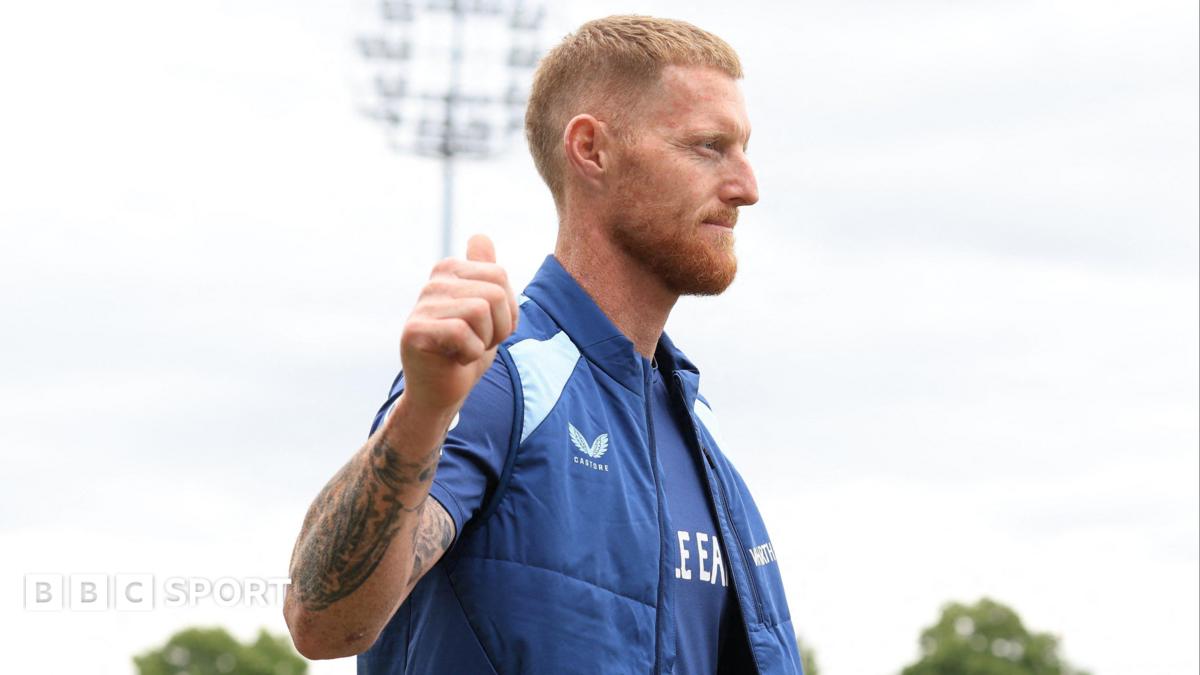
Ben Stokes retires: England captain rejects suggestions he could reverse retirement

by Martyn Jones 29/06/2026
written by Martyn Jones

Head coach Brendon McCullum said he tried to persuade Stokes to stay when he told him of his plans on Sunday but the international career one of England’s greatest cricketers ends after 15 years, 122 Tests, 114 one-day internationals and 43 T20s.

Stokes remained composed after England’s 160-run defeat, which confirms a 2-1 series loss, sharing embraces with his opposition and briefly waving to the crowd after his post-match interviews.

The all-rounder said on Sunday that retirement is the “best thing” for him.

On Monday he went further in admitting the incidents of recent weeks – he was left out of the second Test against the Black Caps after breaking the team’s midnight curfew – had been a factor in his decision.

“Again, there has been a series of unfortunate events happen,” said Stokes.

“Am I sure over the next couple of weeks we will be able to decompress and say, ‘Has it contributed?’ Maybe.

“But the overriding fact is that over the last six to 12 months everything I have done over a long period has taken its toll.

“Being in this role, as good as it is, as exciting as it is, and as big an honour as it is, there are some negative aspects.”

Source link

29/06/2026 0 comments
0 FacebookTwitterPinterestEmail
Newer Posts
Older Posts

Recent Posts

  • Welsh opera on 1936 RAF arson attack to tour Wales
  • NHS Covid isolation rule for anyone with one XFG symptom | UK | News
  • ‘Some aren’t going to make it’: how pressure on farmers threatens UK food security | UK news
  • Major breakthrough in salmonella outbreak probe as eggs from Ukraine test positive for deadly bug linked to 36 infections – health chiefs issue urgent recall
  • She spotted a problem, now she’s built a Sully business solving it

Recent Comments

No comments to show.

Help us create an environment in which people fifty and over can fulfill their aims and objectives in life. Fight age discrimination and help preserve and promote the independence, dignity and positive image of people fifty and over and work to ensure that they have appropriate and adequate public care provision.

Facebook Twitter

Useful Links

    • Contact Us
    • Privacy Policy
    • Terms of Use
    • Help & Support

Edtior's Picks

Welsh opera on 1936 RAF arson attack to tour Wales
NHS Covid isolation rule for anyone with one XFG symptom | UK |...
‘Some aren’t going to make it’: how pressure on farmers threatens UK food...

Latest Articles

Welsh opera on 1936 RAF arson attack to tour Wales
NHS Covid isolation rule for anyone with one XFG symptom | UK | News
‘Some aren’t going to make it’: how pressure on farmers threatens UK food security | UK news
Major breakthrough in salmonella outbreak probe as eggs from Ukraine test positive for deadly bug linked to 36 infections – health chiefs issue urgent recall

All Right Reserved. Designed and Developed by Martyn Jones.

  • Home
  • About Us
  • Contact Us
Vale 50+ Strategy Forum
  • Home
  • Activities
  • Blog
  • Groups
    • Arts, Crafts & Leisure
    • Black Minority Ethnic
    • Climate Change
    • Health and Social Care
    • Housing
    • Transport
  • Money
  • Newsletter
    • Forum Newsletter
    • Weekly Email Newsletter
  • Podcasts
  • Scams
  • Calendar
  • Help
    • About Us
    • Contact Us
    • Documentation
    • Herald
    • Join the Forum !
    • News
    • Privacy Policy
    • Statistics
    • Useful Links
    • Vale of Glamorgan 50 Plus Safeguarding Policy
    • Members
Vale 50+ Strategy Forum
  • Home
  • Activities
  • Blog
  • Groups
    • Arts, Crafts & Leisure
    • Black Minority Ethnic
    • Climate Change
    • Health and Social Care
    • Housing
    • Transport
  • Money
  • Newsletter
    • Forum Newsletter
    • Weekly Email Newsletter
  • Podcasts
  • Scams
  • Calendar
  • Help
    • About Us
    • Contact Us
    • Documentation
    • Herald
    • Join the Forum !
    • News
    • Privacy Policy
    • Statistics
    • Useful Links
    • Vale of Glamorgan 50 Plus Safeguarding Policy
    • Members
@2021 - All Right Reserved. Designed and Developed by PenciDesign