Vale 50+ Strategy Forum
  • Home
  • Activities
  • Blog
  • Groups
    • Arts, Crafts & Leisure
    • Black Minority Ethnic
    • Climate Change
    • Health and Social Care
    • Housing
    • Transport
  • Money
  • Newsletter
    • Forum Newsletter
    • Weekly Email Newsletter
  • Podcasts
  • Scams
  • Calendar
  • Help
    • About Us
    • Contact Us
    • Documentation
    • Herald
    • Join the Forum !
    • News
    • Privacy Policy
    • Statistics
    • Useful Links
    • Vale of Glamorgan 50 Plus Safeguarding Policy
    • Members
Vale 50+ Strategy Forum
  • Home
  • Activities
  • Blog
  • Groups
    • Arts, Crafts & Leisure
    • Black Minority Ethnic
    • Climate Change
    • Health and Social Care
    • Housing
    • Transport
  • Money
  • Newsletter
    • Forum Newsletter
    • Weekly Email Newsletter
  • Podcasts
  • Scams
  • Calendar
  • Help
    • About Us
    • Contact Us
    • Documentation
    • Herald
    • Join the Forum !
    • News
    • Privacy Policy
    • Statistics
    • Useful Links
    • Vale of Glamorgan 50 Plus Safeguarding Policy
    • Members
Sunday, October 11, 2026
Vale 50+ Strategy Forum
  • Home
  • About Us
  • Contact Us
Copyright 2021 - All Right Reserved
Health newsRecent Post

At 45 I was plagued by muscle pain, brain fog and memory loss… but it wasn’t the menopause. I caught a disease while sitting on my sofa. These are the early warning signs you MUST look out for

by David Jones 29/06/2026
written by David Jones

The insect Emily Hyde found on the sofa of her Middlesex home was no bigger than a drawing pin head – but despite its tiny size the bug would go on to affect every part of her life.

At the time – unsure what it was – businesswoman Emily, 45, took a photograph of the insect and sent it to a friend, who identified it as a tick.

Emily assumed it had fallen from one of her two dogs – Lucy, a springbatt, and Mike, a rescue dog from Greece – so she flushed it away and carried on with life.

But within weeks, she recalls: ‘I developed a sore throat, headaches, aching joints and flu-like symptoms.

‘I was in bed for an entire week, which was completely unlike me. I’m someone who always carries on, so I knew something wasn’t right,’ says Emily, who is married to Daniel, 52, a plumber.

Although the worst of the illness passed, Emily never truly recovered, and in the years that followed she developed a long list of other symptoms including muscle pain, brain fog, memory loss, tinnitus, sensitivity to light and sound, and pins and needles.

‘I could barely get out of bed,’ she recalls. ‘I wasn’t living any more – I was simply existing.’

A doctor diagnosed long Covid, while a specialist thought it was a thyroid condition. It wasn’t until last year she saw an expert who unearthed the true cause of her poor health.

At 45 I was plagued by muscle pain, brain fog and memory loss… but it wasn’t the menopause. I caught a disease while sitting on my sofa. These are the early warning signs you MUST look out for

A tick on 45-year-old businesswoman Emily Hyde’s sofa bit here without her realising and gave her Lyme disease

It turned out the tick on her sofa had bitten her without her realising – and passed on Lyme disease.

Around 5 to 10 per cent of ticks are infected with the Borrelia bacteria responsible. Once you have been bitten, the bacteria travel into the bloodstream, causing inflammation. Without treatment they can infect the heart and brain.

Many assume tick bites only occur during countryside walks in the Scottish Highlands, where there are many deer (which ticks favour to live on).

In fact, studies show there is a considerable risk even in urban green spaces.

One study, published in 2022 by the UK Health Security Agency, found that ticks are just as likely to be distributed in urban green spaces and woodland edges as in the heart of the countryside.

The risk of being bitten increases during the warmer months of April to October, peaking around now.

There has been a significant rise in cases of Lyme disease in the UK, with 1,168 people affected last year, a 22 per cent increase on 2024, according to official figures – and the true number may be even higher, as ’85 per cent of people don’t see the tick so they don’t know what to attribute the symptoms to’, says Professor Jack Lambert, a consultant in infectious disease at Mater Misericordiae University Hospital in Dublin and a leading expert on the disease.

‘So often Lyme disease goes undiagnosed for years.’

There has been a 22 per cent rise in cases of Lyme disease in the UK since 2024, with 1,168 people affected last year

There has been a 22 per cent rise in cases of Lyme disease in the UK since 2024, with 1,168 people affected last year

Typically one of the first signs is a bullseye rash near the bite site that occurs within days. Other symptoms include general malaise, and aches and pains can follow.

As bites tend to peak at this time of year, symptoms do get confused for ‘summer flu’, says Professor Lambert.

However, he says ‘some people will get no symptoms at all’ or ‘won’t show symptoms for months because of a delay to their immune system producing antibodies’, which is what causes the symptoms. ‘And when they do experience them eventually, people don’t think back to a tick bite when that much time has passed,’ he adds.

What’s more, symptoms can vary from one person to the other, says Professor Lambert – fewer than 50 per cent of people get the bullseye rash, for example.

‘If they do get that rash, it’s often misdiagnosed as ringworm – a fungal infection – because it looks so similar,’ he explains.

‘GPs often misdiagnose it as a regular skin infection, cellulitis, and the antibiotics they give don’t treat Lyme.’

The tiredness it causes because of inflammation often gets mistaken by doctors for chronic fatigue ‘or other conditions such as fibromyalgia, which cause symptoms of pain and fatigue’.

Yet if treatment is delayed, or Lyme disease goes untreated, it can lead to painful joints, memory problems and other debilitating problems as the bacteria spread around the body.

Around 5 to 10 per cent of ticks are infected with the Borrelia bacteria which causes Lyme disease

Around 5 to 10 per cent of ticks are infected with the Borrelia bacteria which causes Lyme disease

‘Sometimes they get Bell’s palsy – paralysis of the facial nerve so one side of the face droops like a stroke,’ explains Professor Lambert. ‘If the bacteria travels to the brain it can cause numbness and tingling, insomnia and neuro-psychiatric manifestations – such as anger and rage out of the blue.’

Around 1 per cent of those affected will develop ‘late Lyme arthritis’ – ‘horrible intractable joint pain’ and severe swelling, typically in the knees, which can occur even years after the bite.

‘Lyme disease can go to the heart and cause Lyme carditis [when the bacteria invade the heart, interfering with the electrical signals],’ adds Professor Lambert.

Yet in most cases Lyme can be treated with a simple course of antibiotics.

It was shortly after finding the tick on her sofa in August 2019 that Emily developed flu-like symptoms. She was also losing weight without any change to her eating habits and permanently exhausted.

Emily was eventually referred to an endocrinologist (hormone specialist), who diagnosed a ‘thyroid storm’ (caused by Lyme – although doctors did not realise this at the time).

This is where the thyroid gland in the front of the neck becomes overactive and releases an excess of hormones.

‘I was treated for my thyroid, but despite the medication I still felt incredibly ill,’ says Emily. ‘Everyone believed a thyroid problem was causing my symptoms, but deep down I knew something still wasn’t right.’

As Covid hit, Emily’s health deteriorated further.

‘Our business closed during lockdown, which in some ways was fortunate because I was becoming so exhausted I could barely function.

‘I’d struggle through the morning, then come home early afternoon and climb straight into bed still wearing my coat because I was constantly cold,’ she says.

Doctors suggested she had long Covid but Emily felt there had to be another explanation.

Out of desperation she went to an alternative health practitioner who suggested she look into Lyme disease, which Emily ‘had never even heard of’.

After doing some research she came across Professor Lambert online and travelled to Dublin for an appointment with him.

By then she was so weak she could no longer walk more than a short distance.

‘He listened to everything I’d been through before asking whether I’d ever been exposed to a tick,’ says Emily.

‘Suddenly I remembered the photograph I’d taken years earlier. Until that moment, I’d completely forgotten about it.’

Professor Lambert diagnosed Lyme disease and began treatment with antibiotics, which she took for 11 months.

She says: ‘Gradually my strength began to return. First, I could get out of bed. Then I could walk again. Little by little, I started getting my life back.’

Often a Lyme disease diagnosis is made by a doctor listening to symptoms – NHS guidelines say that ‘if someone shows up with a bullseye rash following a tick bite then we should not wait for a blood test, but just treat with antibiotics,’ says Professor Lambert.

There is a blood test but it is not always accurate – especially in the early stages, he adds.

After diagnosis, the treatment is usually three weeks of the antibiotic doxycycline.

‘And then if you’re not better three weeks of amoxicillin – but I have people who have three weeks of this, get better, then get worse and are not given antibiotics because they’re told they’re cured,’ says Professor Lambert.

‘In my experience some patients need a longer course of antibiotics. The guidelines only cover early Lyme.’

Recent research suggests that psilocybin, the active ingredient in magic mushrooms, could also have a role.

In a trial published in the journal Nature in February, 20 men and women with lingering Lyme disease symptoms were given two doses of psilocybin a fortnight apart.

Symptoms such as pain, fatigue, mood changes, sleep problems and quality of life all improved substantially for at least six months. However larger studies are needed to confirm the results.

Emily’s experience demonstrates how life-changing a delayed diagnosis can be.

Her illness forced her to close their successful kitchen and bathroom showrooms to focus on her recovery.

A year on from her diagnosis, Emily still feels she is not quite her old self again but is a lot better: ‘I lost almost six years of my life to this illness. I can’t get those years back, but if my story encourages just one person to recognise the symptoms earlier, seek medical advice sooner or find support, then sharing it will have been worthwhile.
lymediseaseuk.com

Source link

29/06/2026 0 comments
0 FacebookTwitterPinterestEmail
Climate ChangeRecent Post

Extreme heat continues in central and eastern Europe with temperatures of 38C expected – Europe live | Extreme weather

by David Jones 29/06/2026
written by David Jones

At least 130 million Europeans to see temperatures of 35C and above today

While some readers in western Europe may be thinking that the worst of the heatwave is gone, the latest AFP analysis shows that at least 130 million people are set to experience temperatures of 35C and above today.

It is (way) more than mid last week, when the heatwave peaked in Britain.

Extreme heat continues in central and eastern Europe with temperatures of 38C expected – Europe live | Extreme weather
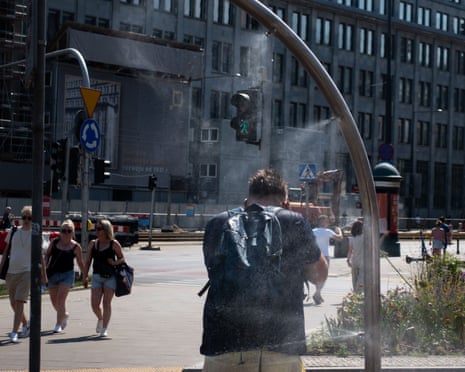
A man cools off beneath a municipal water misting sprayer near the intersection of Nowy wiat and Aleje Jerozolimskie at Charles de Gaulle Roundabout in Warsaw, Poland. Photograph: Mateusz Wlodarczyk/NurPhoto/Shutterstock
Share

Key events

Ukraine braces for heatwave to test its energy network

Meanwhile, Ukraine is bracing to absorb the impact of the heatwave on its energy network, already pummelled by Russian attacks over more than four years of war, AFP reported.

Grid operators in at least five regions – from Ivano-Frankivsk in the west to Zaporizhzhia on the frontline in the south – announced temporary restrictions on energy usage would be in force during parts of Tuesday.

A woman with a dog buys flowers from elderly women, sitting in front of window-protecting sandbags in Kyiv, Ukraine. Photograph: Tetiana Dzhafarova/AFP/Getty Images

The state weather service said the country would face “intense heat”, with temperatures of 35C-38C expected on Monday.

“The heat is also a serious test for equipment that has been operating under wartime conditions for more than four years and has withstood numerous attacks,” Sergii Kovalenko, CEO of the Yasno energy company said over the weekend.

He said that summer was the peak period for repairing the energy network, battered through the winter by repeat Russian attacks, meaning the grid was already “operating at the limit of its capabilities”.

Share

Italy sees extreme temperatures, storms, flooding with short break from heatwave on horizon

Angela Giuffrida

Angela Giuffrida

Rome correspondent

Intense storms have struck Italy’s Alto Adige region, causing flooding and landslides, as extreme temperatures and humidity lingered elsewhere in the country on Monday.

Tourists with their heads covered to protect themselves from the sun in Rome, Italy. Photograph: Marcello Valeri/ZUMA Press Wire/Shutterstock

In some areas of Alto Adige, 50mm of rain fell within an hour. Some residents had to be evacuated from their homes and firefighters rescued one person who became trapped in their garage after a river close to their home in Merano burst its banks.

There are flood warnings in Milan too as the latest heatwave begins to slightly subside.

Temperatures were forecast to reach highs of 37/38C in parts of Italy on Monday, potentially nearing 40C in the Po Valley and inland areas of Sardinia.

The heatwave is poised to break from the middle of the week, bringing more severe storms, according to forecasters, before the above-average temperatures return.

Share

Updated at 12.07 CEST

At least 130 million Europeans to see temperatures of 35C and above today

While some readers in western Europe may be thinking that the worst of the heatwave is gone, the latest AFP analysis shows that at least 130 million people are set to experience temperatures of 35C and above today.

It is (way) more than mid last week, when the heatwave peaked in Britain.

A man cools off beneath a municipal water misting sprayer near the intersection of Nowy wiat and Aleje Jerozolimskie at Charles de Gaulle Roundabout in Warsaw, Poland. Photograph: Mateusz Wlodarczyk/NurPhoto/Shutterstock
Share

Balkans on alert for sweltering temperatures as heatwaves moves east

As a record-breaking heatwave swept across Europe, the Balkans remained on alert for sweltering temperatures on Monday, prompting health warnings and sparking wildfires, AFP reported.

Although heat was easing in parts of western Europe, temperatures were expected to climb again in the continent’s east on Monday.

In Croatia, as in most of the Balkans, authorities warned of dangerous conditions, with both Bosnia and Albania predicting temperatures of up to 40C.

People shelter from the sun with umbrellas during sunny and hot weather as heatwave affecting Europe reaches Zagreb, Croatia. Photograph: Anadolu/Getty Images

After battling for days with a landfill fire near the Bosnian city of Mostar, which has poured acrid smoke into the surrounding area since last week, firefighters said they had largely managed to extinguish the blaze.

Elsewhere, emergency crews were also working to control fires sparked over the weekend but none was considered life-threatening.

Kosovo’s weather bureau said temperatures were expected to peak at 38C on Monday, and advised vulnerable residents to stay indoors during the day, AFP reported.

Share

Heatwave continues in Europe – in pictures

A woman uses a fan while holding a baby amid heatwave, during Mass led by Pope Leo on the Solemnity of Saints Peter and Paul, Apostles, in St Peter’s Basilica, at the Vatican. Photograph: Yara Nardi/Reuters
A municipal drinking water tank and a water misting sprayer operate near the Mikołaj Kopernik Monument on Krakowskie Przedmieście in Warsaw, Poland. Photograph: Mateusz Wlodarczyk/NurPhoto/Shutterstock
People shelter from the sun in the shadow of a building during sunny and hot weather as heatwave affecting Europe reaches Zagreb, Croatia. Photograph: Anadolu/Getty Images
A ground staff member walks past a screen with heatwave advisory ahead of the tournament at Wimbledon, London. Photograph: Toby Melville/Reuters
Share

Czech Republic records all-time high temperatures over the weekend

Like much of Europe, the Czech Republic has been grappling with an unprecedented heatwave for the past two weeks, AFP reported.

People are sprayed with water to cool down during a hot, sunny day, as the country records temperatures above 40 degrees Celsius in Prague, Czech Republic. Photograph: Eva Kořínková/Reuters

“We have seen the peak of an inflow of very warm air from the southwest so there is no wonder [Sunday’s] records were higher than yesterday,” CHMI said on Sunday.

It added that half of its 171 weather stations registered record-high temperatures on Sunday, while more than 95 percent marked a record for June with many beating Saturday’s all-time highs.

“We still expect hot weather in Moravia and Silesia (east) on Monday. A waving cold front will bring at least partial cooling to Bohemia (west),” CHMI added.

Prague is expected to see temperatures around 33-34C today, with thunderstorms later on.

Share

Berlin police uses water cannons to help crowds cool down as questions about preparedness rise

Record-high temperatures were also recorded in Germany over the weekend, with reports of wildfires and Berlin police resorting to using water cannons to cool down the crowds.

Police use water cannon to spray people with water as the arrive at the Olympic stadium for a concert of US singer Bruno Mars in Berlin, Germany. Photograph: Ralf Hirschberger/AFP/Getty Images

In Gohrischheide, in eastern Germany, a fire broke out in a large forest that’s still contaminated with ammunition from the second world war, complicating efforts by firefighters, AP reported.

Similarly, a major firefighting operation was underway in southwest Germany near the village of Traisen, where the heat sparked a forest fire in an area that also contained unexploded ordnance. Some 650 people in Traisen had to leave their homes Sunday afternoon because the fire continued to spread.

People use emergency blankets to protect them from the heat as the arrive at the Olympic stadium for a concert of US singer Bruno Mars in Berlin, Germany. Photograph: Ralf Hirschberger/AFP/Getty Images

Just like in France, the crisis also prompted some tricky questions about Germany’s preparedness as climate change means we should expect more of this sort of heatwaves in the future.

Share

Updated at 10.42 CEST

Train disruptions reported over weekend as Europe battles heatwave

Over the weekend, multiple European train operators reported substantial disruptions as the extreme weather posed all sorts of logistical challenges.

Passengers stand on the platform waiting for trains delayed due to the heatwave at Warsaw Central railway station in Warsaw, Poland. Photograph: Sergei Gapon/AFP/Getty Images

Issues were reported with Czech, German and Polish trains, among others, with stories of stranded passengers, delays running into hours, and overcrowded trains with barely (or not) working AC.

The Czech operator České dráhy even published a helpful social media thread explaining some of the challenges it faced, including their response to the ever-present question of “why is the AC in my train not working properly” (tl;dr: it’s not prepared for temperatures of 40C).

It features this killer line:

“You might be surprised to learn that the goal isn’t to turn the train into a freezer.”

Worth reading the full thing.

Share

France looks into excess deaths caused by heatwave

Meanwhile, France is counting the human cost of the heatwave, which began in mid-June and ended (temporarily?) with violent thunderstorms over the weekend, AP reported.

Lightning strikes over the Eiffel Tower during a thunderstorm in Paris, London. Photograph: Dimitar Dilkoff/AFP/Getty Images

Public Health France reports a surge in deaths, particularly among older people. Last week, deaths exceeded 1,200 on Wednesday and rose to over 1,400 on Thursday, AP reported, and Friday, hundreds more than usually.

The authorities expect these numbers to rise as more death certificates are processed, showing the very real and tragic consequences of human-made climate change.

The red extreme heat alert ends today, but the country’s prime minister Sébastien Lecornu will still chair a cross-governmental crisis meeting later today to discuss the events of the last week.

The meeting will also look to draw lessons that could help prepare for any potential future episodes, which, erm, may not be too far out into the future.

Share

Morning opening: It’s just too hot

Jakub Krupa

Jakub Krupa

Good morning, or dzień dobry, from Warsaw, Poland as the heatwave that affected much of the continent last week continues to impact central and eastern Europe.

Women cools off under a water spray on the Royal Castle Square in Warsaw’s Old Town as thermometers show record temperatures during a heatwave that has reached Poland. Photograph: Wojtek Radwański/AFP/Getty Images

It’s 9am local time and already 32C. I have seen two people cycling home with large fans, trying to get back before the heat hits the fan again. None of this is normal.

Czechia, Germany and Poland all broke their all-time records yesterday. You can catch up with the latest here:

Belgrade, Bratislava, Budapest, Warsaw are all expected to see temperatures up to 38C today.

And before you think you are glad it’s all over in Brussels, Paris, or London, all I am going to say is: don’t check the 10-day weather forecast.

I will bring you all the latest updates from across the continent as central eastern Europe sees the heatwave go and turn into violent thunderstorms this evening – as seen in western Europe earlier this week.

There is also some summertime politics going on, with Nato’s Mark Rutte meeting Britain’s outgoing prime minister Keir Starmer in London, EU trade commissioner Maroš Šefčovič hosting China’s commerce minister Wang Wentao in Brussels today and Germany’s foreign minister Johann Wadephul visiting Marco Rubio in Washington DC.

It’s Monday, 29 June 2026, it’s Jakub Krupa here, and this is Europe Live.

Good morning.

Share

Source link

29/06/2026 0 comments
0 FacebookTwitterPinterestEmail
Health newsRecent Post

‘I’m a cardiologist – the 4 checks every woman should have at 40’

by David Jones 29/06/2026
written by David Jones

‘I’m a cardiologist – the 4 checks every woman should have at 40’

A doctor shared some vital tests women should get done to ensure their heart is healthy (Image: Getty)

A cardiologist has shared four important health checks women should have done when they reach 40. According to the expert, these could help identify any issues that might otherwise go undetected.

The British Heart Foundation (BHF) warns that coronary heart disease, which is the main cause of heart attacks, kills twice as many women as breast cancer in the UK each year. However, the charity says “many women” ignore the signs of a heart attack or report their symptoms as less intense than men.

Dr Francesco Lo Monaco, a preventative cardiologist and founder of The National Heart Clinic in London, says four important tests should be carried out to proactively protect heart health.

He said: “Heart disease remains a leading cause of death for women yet many are unaware of the risk.

“Regular checks are vital in identifying problems early, often before symptoms appear. By monitoring key indicators women can take proactive steps to reduce their risk of heart attacks, stroke and other cardiovascular conditions.”

Man checking blood pressure at home with a digital monitor, medicine bottles, and water nearby, concept of healthcare and self monitoring.

High blood pressure increases the likelihood of serious conditions such as heart attacks or stroke (Image: Getty)

But he added: “These four tests should be carried out as standard once a woman reaches the age of 40 if they have no known risk factors. Earlier screening is warranted for anyone with a family history of premature cardiovascular disease, pregnancy complications, autoimmune disease, PMOS, or other risk factors.”

Blood pressure

Dr Lo Monaco said: “Blood pressure is an important reading to take because it tells us the pressure of blood in your arteries. If the reading is high it can indicate hypertension, which is when blood pressure remains high even when at rest.

“High blood pressure can lead to arteries becoming stiff or narrow. This damage can increase the likelihood of serious conditions such as heart attacks or stroke.

“High blood pressure has no obvious symptoms so should be checked at least every year, and more frequently if the results are elevated or borderline.”

Find out about the symptoms you need to watch out for and get health advice with our free health newsletter from the Daily Express

Lipid profile

A lipid profile is a test that measures levels of cholesterol. Having high cholesterol can increase the risk of heart attack or stroke.

Dr Lo Monaco said: “A lipid profile or cholesterol panel should be done every five years if the results are normal, or more frequently if results are abnormal or the patient is high-risk.”

Fasting glucose test and HbA1c

Fasting glucose and HbA1c tests measure the levels of sugar in the blood and are common ways to determine whether someone has diabetes.

“These should be done every three years if normal, or annually if the patient is prediabetic or determined to be high risk,” Dr Lo Monaco continued.

BMI

A BMI test measures body mass index and can help to determine if a person is a healthy weight. As the results are not always accurate, Dr Lo Monaco says a waist circumference measurement should also be taken each year.

He said: “A waist circumference greater than 35 inches (88 cm) can indicate increased risk of cardiovascular disease, so it’s also an important number to look at.”

Dr Lo Monaco says anyone with risk factors should look at having the tests more often.

He said: “Traditional risk factors which apply to everyone are hypertension, high cholesterol, diabetes, smoking, obesity, a sedentary lifestyle and family history.

“There are also women-specific risk factors which are often overlooked, including pregnancy complications such as preeclampsia and gestational diabetes, early menopause, Polyendocrine Metabolic Ovarian syndrome, autoimmune diseases and history of breast cancer treatment.

“Psychological and inflammatory factors also matter. Chronic stress, depression and anxiety, poor sleep quality and chronic inflammatory conditions also deserve medical attention as part of cardiovascular risk assessment.”

Symptoms of a heart attack

Dr Lo Monaco says that if you have persistent symptoms, even if initial tests come back as “normal”, don’t be dismissed. He added: “You are your best advocate. Persistent symptoms deserve thorough evaluation, not dismissal.

“It’s also important to understand the difference between heart attack symptoms in men and women. I tell every woman patient, ‘If you experience unexplained, persistent fatigue that’s not normal for you, especially if accompanied by breathlessness, nausea, or discomfort anywhere in your upper body, don’t dismiss it. Call your doctor. If it’s severe or sudden, go to A&E.’”

Other warning signs include:

  • Breathlessness (especially new or worsening)
  • Pain in the jaw, neck, shoulders, back, or upper abdomen
  • Nausea or vomiting with upper body discomfort
  • Dizziness or lightheadedness
  • Cold sweats
  • A sense that something is seriously wrong

Source link

29/06/2026 0 comments
0 FacebookTwitterPinterestEmail
Art Craft and Leisure newsRecent Post

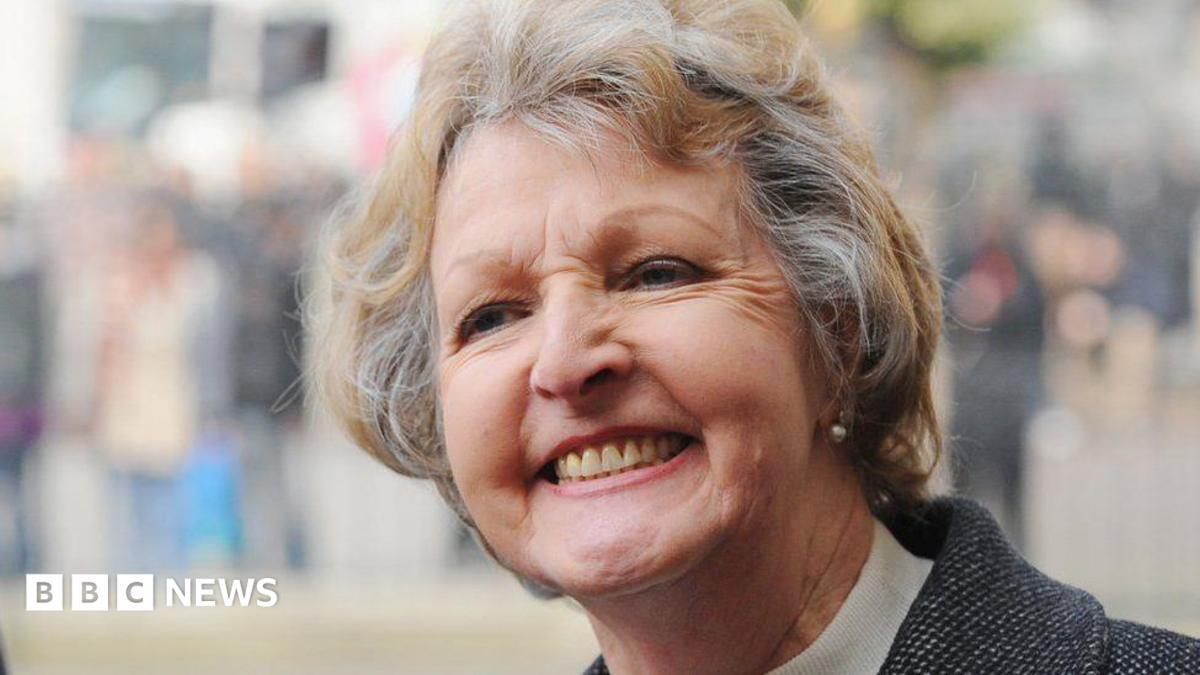
Dame Penelope Keith obituary: The Good Life’s funny and formidable star

by David Jones 29/06/2026
written by David Jones

While Keith’s voice contributed to her success, it also gave a false impression of her background.

Keith (nee Hatfield) was from relatively humble stock. Born in Sutton, Surrey, in 1940, she grew up in Clapham, south London, in the thick of World War Two.

Her mother Connie worked as a hotel child entertainment organiser and was often away, so the young Penelope spent a lot of time with her grandparents.

Her father had left when she was very young and Connie later remarried, but although she took his surname, Keith wouldn’t talk about him.

Aged six, she went to a boarding school run by nuns, where the performing arts and elocution lessons were encouraged.

It became the happiest of times for the would-be actress.

“I apparently came home from school one day and sat in the bath and said to my mother that when I grow older I was going to be either a nun or an actress,” she told chat show host Michael Parkinson in 1977.

“She was a bit taken aback and said, ‘Darling, nuns can’t wear pretty clothes’. So I said, ‘Well, I’ll be an actress then.'”

Source link

29/06/2026 0 comments
0 FacebookTwitterPinterestEmail
Local newsRecent Post

Gethin Jones receives warning for breaching BBC guidelines

by David Jones 29/06/2026
written by David Jones

Jones is the host of Morning Live on BBC One, along with the likes of Helen Skelton and Michelle Ackerley.

Jones has also been an ambassador for the Welsh Jewelry company Clopgau for nearly a decade.

Over the past eight months, the 48-year-old has been seen frequently wearing Clogau watches.

Gethin Jones warned for breaching BBC guidelines

The 48-year-old has now reportedly received a warning for breaking BBC guidelines, according to The Mail on Sunday.

The broadcaster’s rules state that presenters “must not appear on-air wearing clothing or using products or services which they have been contracted to promote.”

A BBC Studios spokesman, speaking to The Mail on Sunday, added: “We have clear guidelines around presenters’ commercial activities, and Gethin has been reminded of these.”

Jones has been seen wearing a £550 Clogau watch with a stainless-steel case and black bezel more than 30 times on Morning Live (most recently on June 24).

The Cardiff-born presenter has also worn several other timepieces from the Welsh company on the BBC show, The Mail on Sunday added.

Jones has been approached for comment.

He is not the first presenter to be warned by the BBC for similar breaches.

Monty Don, Shirley Ballas, and Gary Lineker have all previously received warnings from the broadcaster.

Gethin Jones’ TV career

Gethin Jones began his TV career on Welsh channel S4C, presenting children’s programmes, before, in 2005, he became a presenter on the hit BBC children’s show Blue Peter.

Since then, Jones has appeared on a variety of TV shows, including series five of Strictly Come Dancing ( in 2007), where he reached the semi-finals with professional partner Camilla Dallerup.

He went on to appear in two of the Strictly Christmas specials in 2009 and 2016.

The Welsh presenter is still part of the Strictly family, acting as a roving reporter for It Takes Two, a role he has held since 2016.


On top of all that, Jones has also made several appearances on the hit BBC sci-fi series, Doctor Who.

While Jones has been a host on Morning Live for more than five years, he has also been a guest presenter on This Morning (ITV) and The One Show (BBC).

He is also set to appear on the upcoming series of Celebrity Apprentice.

Along with his various television roles, Jones has featured on several radio shows throughout his career, including on Heart and Hits Radio.

Jones has also appeared in many theatre productions, been an Olympic Torchbearer (for the 2012 Summer Olympics), and appeared as a contestant on Celebrity MasterChef.

Have you spotted Gethin Jones wearing a Clogau watch while on Morning Live? Let us know in the poll above or in the comments below.

Source link

29/06/2026 0 comments
0 FacebookTwitterPinterestEmail
Art Craft and Leisure newsRecent Post

Michael overtakes Oppenheimer as highest-grossing biopic worldwide

by David Jones 29/06/2026
written by David Jones

Michael has clearly been a huge hit with the performer’s many fans around the world, for its study of his childhood and recreations of famous concert performances and music videos.

Jaafar Jackson, the son of Jermaine Jackson, received particular praise for the portrayal of his uncle.

But many critics called the film a “whitewash”, with several reviewers saying it depicted a “sanitised” version of his life and career.

This was mostly as it does not address the sexual abuse allegations against the late singer, after a historic non-disclosure agreement (NDA) prompted some footage referencing them to be scrapped.

The Hollywood Reporter said the feature “delivers for lifelong fans who cherish the music”, but the Telegraph noted that it “refuses to address the elephant in the room”. The Independent described it as a “ghoulish, soulless cash grab”.

But the poor reviews did not deter fans – who generally rated it far higher than the critics did, according to review aggregator websites such as Rotten Tomatoes.

Michael is financially backed by the late superstar’s estate and uses his original vocals for the musical numbers, which dominate the film.

Lionsgate is expected to release at least one more film about Jackson’s life, according to US publication Variety, external.

Source link

29/06/2026 0 comments
0 FacebookTwitterPinterestEmail
Housing newsRecent Post

’10-minute phone call’ could save pet owners ‘£50 on each vet visit’

by David Jones 29/06/2026
written by David Jones

An expert has explained how to reduce bills if you’ve got a pet

It’s estimated there are more than 36 million pets in the UK, from dogs, cats and guinea pigs to rabbits, snakes and ponies, with around six in 10 households owning at least one pet. But one expert has warned that many pet owners are overpaying hundreds over the course of their pets’ lives by making one simple mistake.

Eddie Holmes, founder of VetsCompared.com, which analyses costs across 2,200 veterinary practices, said independent vets were consistently cheaper for routine treatments than their corporate counterparts.

Eddie said: “Where possible, choose an independent vet as they’re almost always cheaper than corporate vets, or chains. For example, pet owners can expect to pay an average of 26% more for puppy and kitten vaccinations at corporate chain practices compared to independents.”

Reducing vet bills

For a typical dog owner, with typical annual vet costs — namely a vaccination, kennel cough vaccination, two vet consultations and one prescription — Eddie said independent vets would be more than £20 cheaper.

He added: “If you have multiple pets, as so many households do, the savings can quickly add up, especially if there are additional treatments required.”

Eddie also urged people to shop around locally rather than default to the veterinary practice that’s closest to their home.

He said: “Even within the same town, vaccination prices can vary by £40 to £50 between the cheapest and most expensive practice. In other words, a 10-minute phone call to three or four local vets before registering could save you hundreds over your pet’s lifetime.”

How to cut vet prescription costs

Another tip, Eddie said, for pets on long-term medication, is to buy prescriptions online.

He continued: “The median vet prescription fee across the UK as a whole is £20. For pets on long-term medication, getting a written prescription and buying from an accredited online pharmacy can save people significant amounts compared to buying directly from the practice.

“Many pet owners simply aren’t aware that they can ask for a written prescription and then buy their medicines online. They don’t have to buy from the vet who their pet is registered with. This approach is particularly useful for ongoing conditions requiring regular medication and can save people lots of money long term.”

Eddie also urged people to not skip their pets’ annual check-ups, even when they appear perfectly healthy.

He warns: “Prevention is far cheaper than cure. While the cost of a booster vaccination ranges from £60 to £73, out-of-hours emergency fees often exceed £300 before any medicines other treatments are considered. Keeping vaccinations up to date and catching health issues early is the single biggest way to avoid expensive emergency bills.”

Source link

29/06/2026 0 comments
0 FacebookTwitterPinterestEmail
Health newsRecent Post

How quickly you can take a step may predict how long you’ll live, study suggests

by David Jones 29/06/2026
written by David Jones

By EMILY JOSHU STERNE, US ASSISTANT HEALTH EDITOR

Published: 03:21 BST, 29 June 2026 | Updated: 03:26 BST, 29 June 2026

[noscript_1]

Taking a step is something most people take for granted. 

For younger people and those without movement disorders, it’s a simple process that often doesn’t elicit a second thought.

But as we age, the amount of time it takes to put one foot in front of the other could be a vital clue in measuring lifespan and risk of death.

Researchers in Israel sought to understand how balance, posture and muscle movement were associated with survival rates in older adults over the course of nearly two decades. 

They found that for every extra 100 milliseconds (0.1 seconds) it took participants to initiate a voluntary step while they were distracted, their risk of death increased by nearly 30 percent during the follow-up period.

While exact numbers vary based on a person’s height, fitness level and general walking speed, initiating one step usually takes between 600 and 700 milliseconds. Running or sprinting cuts that time down to between 300 and 400 milliseconds. 

The researchers believe the findings show that slower steps may be an indication of overall neurological and physiological resilience in aging, which signals the brain and body’s ability to adapt to stress.

Poor balance, for instance, can increase the risk of experiencing a fall, which in older adults leads to broken bones, muscle wasting and traumatic brain injuries. 

How quickly you can take a step may predict how long you’ll live, study suggests

A new study has shown that people who need more time to take a step have a 28 percent higher risk of death 

The study authors noted that conducting similar experiments may help improve long-term survival odds in older adults.

‘Incorporating dual-task based assessments into standard clinical evaluations could significantly improve survival prediction and help guide early interventions targeting cognitive-motor health,’ they wrote. 

Walking speed gradually diminishes with age as a result of muscle weakness, lower joint flexibility, weaker balance and slower brain processing. 

For instance, calf muscles and fibers naturally degrade over time, which causes older people to take shorter steps, slowing down their overall speed. 

Nerve signals in areas of the brain responsible for motor functions also suffer delays, resulting in miscommunications between the brain and muscles. 

Age-related conditions like osteoarthritis in the knees, hips and feet also result in pain that makes older individuals slow their pace or take longer in between steps. 

In the new study, published in the journal Gerontology, researchers recruited 120 adults over 65, with an average age of 78, and followed them for 10 to 17 years. 

Participants had to be able to stand for at least 90 seconds on their own and walk at least 10 meters (32 feet) to be eligible for the study. 

Researchers asked the participants to step as quickly as possible forward, backward and sideways. They would practice walking and then walk while performing a modified Stroop task, which involves naming the ink color of words printed in mismatched colors. 

The team found that for each additional 100 millisecond increase in step initiation time under distracted conditions, mortality risk increased by 28 percent over the coming 10 to 17 years. 

People who did not survive the study period took 423 milliseconds to initiate a step compared to 313 milliseconds on average for those who survived. 

Each step for non-survivors took 1.3 seconds compared to 1.1 seconds for survivors. 

People with weaker balance while standing with their eyes closed were also more likely to die within the follow-up period. 

The researchers noted that slower step initiation can trigger a cascade of mortality factors such as reduced physical activity. 

There were several limitations to the study, including the small sample size and only testing the participants in one set of experiments. The researchers also note that the study can only show associations rather than direct causes.  

Share or comment on this article:
How quickly you can take a step may predict how long you’ll live, study suggests

Source link

29/06/2026 0 comments
0 FacebookTwitterPinterestEmail
Local newsRecent Post

In the Dock – Look who’s just been in court from Penarth

by David Jones 29/06/2026
written by David Jones

Leon Govier, 52, of Stanwell Road, Penarth was fined £440 and ordered to pay a £176 surcharge for speeding in a 30mph zone.

His driving licence was endorsed with four penalty points.

Iosua Stan, of Coronation Terrace, Penarth was fined £220 and ordered to pay £120.81 back duty and £85 costs for failing to pay vehicle/trade licence arrears demanded following failed payment.

Source link

29/06/2026 0 comments
0 FacebookTwitterPinterestEmail
Health newsRecent Post

Shocking figures reveal 170,000 people in Britain are at risk of heart disease – and it’s because of their poor diets

by David Jones 29/06/2026
written by David Jones

Around 45 people will die from obesity-linked heart disease every single day over the next decade if current trends continue, worrying research has warned. 

Currently, around 200,000 people a year suffer a heart attack or stroke, making cardiovascular disease the UK’s biggest killer. 

And while the obesity crisis may be tapering off in some countries, in the UK, obesity rates are still rising – especially among the country’s youngest. 

Obesity costs the NHS in excess of £6.5 billion per year and is one of the leading causes of preventable ill health, increasing the risk of heart attack, stroke and cancer.

Now the British Heart Foundation is calling on the Government to deliver on its promise for a ‘healthy food revolution’. 

‘We are at risk of sleepwalking further into an obesity epidemic which will have dire consequences for decades to come,’ Dr Charmaine Griffiths, the charity’s CEO said. 

‘Obesity is one of the biggest drivers of cardiovascular disease, so if we don’t keep momentum, there could be tens of thousands of families who will lose loved ones needlessly over the next decade. 

‘These deaths are not inevitable. Bold action now by the UK Government could mean preventing more lives being cut short by obesity.’ 

Shocking figures reveal 170,000 people in Britain are at risk of heart disease – and it’s because of their poor diets

Cardiovascular deaths in working age adults have risen by 18 per cent in the UK since 2019, from 18,693 to 21,975 in 2023, averaging 420 a week

Around one in nine cardiovascular deaths in England are attributed to excess weight and obesity every year, driven predominantly by poor diets. 

High levels of deprivation and vast inequalities across the country have also been blamed for the obesity epidemic in England, with high fat, salt and sugary foods (HFSS) more readily available than healthier options. 

Dr Griffiths continued: ‘The Government has promised a ‘healthy food revolution’, but it’s yet to materialise. 

‘Pledges must become policy sooner rather than later if we’re to stop heart attacks and strokes robbing thousands of the chance to live a long, healthy life.’

The policy was announced last year but a formal consultation is yet to be published, renewing fresh concerns that time is running out to turn the tide on obesity. 

‘We cannot accept a future where tens of thousands more lives are cut short, unnecessarily, by diet-related disease,’ Katharine Jenner, Executive Director of the Obesity Health Alliance said. 

‘On the one-year anniversary of the Healthy Food Standards being announced, these stark projections should serve as a reminder to the government of the urgent need to act.

‘Strong targets for businesses to improve the healthiness of the food they sell would help shift the balance towards healthier products and reduce diet‑related disease across the population.

The British Heart Foundation has slammed foods high in sugar, salt and saturated fats, saying that the Government need to do more to promote healthy food standards

The British Heart Foundation has slammed foods high in sugar, salt and saturated fats, saying that the Government need to do more to promote healthy food standards 

 ‘This is about prevention, fairness and giving every family a better chance of living a long and healthy life. 

‘These deaths are not inevitable – but time is running out to act.’

Around eight million people in the UK are thought to be living with cardiovascular disease. An estimated 1.2 million have a body mass index (BMI) above 27,  making them clinically overweight or obese. 

Excess weight, especially around the waist, can cause fatty material known as cholesterol to build up in the arteries – which are responsible for carrying life-giving oxygen around the body. 

Not only does this increase the risk of high cholesterol, but it can also drive up blood pressure and your chances of developing type 2 diabetes – all of which put added pressure on your heart. 

If a major artery becomes damaged and clogged it can cut-off blood supply to the brain or heart, leading to a heart attack, stroke or even dementia. 

The charity has already called on the Government to work to prevent 125,000 heart attacks and strokes, reduce early deaths from cardiovascular disease by 25 per cent, and cut the number of years lost to heart-related ill health by a quarter by 2035. 

While promoting healthier foods and lifestyles is one way to do this, experts think weight loss jabs could also help turn the tide on obesity and slash the number of heart attacks. 

Earlier this year, the NHS announced the jabs will be given to 1.2 million patients on the NHS with a BMI of more than 27 to stop heart attacks and strokes. 

The guidance from the NHS watchdog said semaglutide – the active ingredient in Wegovy and Ozempic – should be given to patients who have previously suffered a heart attack or stroke to reduce their risk of another incident. 

The guidance came following a clinical trial which found the drugs work directly on the circulatory system, reducing the risk of a heart attack or stroke by a fifth. 

Helen Williams, national clinical director for cardiovascular disease prevention at NHS England, said: ‘For more than a million people at high risk of heart attack and stroke, this treatment on the NHS could be life-changing – offering a powerful new way to protect their hearts and improve their health.’

 In response, a spokesperson from the Department of Health and Social Care said: ‘Cardiovascular disease remains one of the country’s biggest killers, and we know obesity has a major part to play in this.

‘That’s why we are tackling obesity by rolling out weight loss drugs to more patients, requiring large businesses to report on the healthiness of their food and setting new targets to improve the healthiness of products sold.

‘We are helping people stay healthier for longer by improving prevention, speeding up diagnosis and treatment of heart disease and identifying those most at risk earlier, so they get high quality care wherever they live.’

Source link

29/06/2026 0 comments
0 FacebookTwitterPinterestEmail
Newer Posts
Older Posts

Recent Posts

  • All our little Billy the Brave wanted was to grow up and be ‘a big boy’. We knew nothing could save him from the cancer that killed him. But the NHS’s failure made our anguish even worse. Now things MUST change
  • ‘We need less point scoring’: What party conference season taught us about UK climate action | Politics
  • Five-bedroom Penarth house on Clinton Road for £995,000
  • I joined a study into why bowel cancer is soaring in the under 50s and discovered the alarming truth about my own supposedly ‘healthy diet’ – especially my obsession with this protein snack
  • The truth about the ‘pink salt’ hydration craze… experts reveal if adding mineral salt to your morning water is really worth the hype

Recent Comments

No comments to show.

Help us create an environment in which people fifty and over can fulfill their aims and objectives in life. Fight age discrimination and help preserve and promote the independence, dignity and positive image of people fifty and over and work to ensure that they have appropriate and adequate public care provision.

Facebook Twitter

Useful Links

    • Contact Us
    • Privacy Policy
    • Terms of Use
    • Help & Support

Edtior's Picks

All our little Billy the Brave wanted was to grow up and be...
‘We need less point scoring’: What party conference season taught us about UK...
Five-bedroom Penarth house on Clinton Road for £995,000

Latest Articles

All our little Billy the Brave wanted was to grow up and be ‘a big boy’. We knew nothing could save him from the cancer that killed him. But the NHS’s failure made our anguish even worse. Now things MUST change
‘We need less point scoring’: What party conference season taught us about UK climate action | Politics
Five-bedroom Penarth house on Clinton Road for £995,000
I joined a study into why bowel cancer is soaring in the under 50s and discovered the alarming truth about my own supposedly ‘healthy diet’ – especially my obsession with this protein snack

All Right Reserved. Designed and Developed by Martyn Jones.

  • Home
  • About Us
  • Contact Us
Vale 50+ Strategy Forum
  • Home
  • Activities
  • Blog
  • Groups
    • Arts, Crafts & Leisure
    • Black Minority Ethnic
    • Climate Change
    • Health and Social Care
    • Housing
    • Transport
  • Money
  • Newsletter
    • Forum Newsletter
    • Weekly Email Newsletter
  • Podcasts
  • Scams
  • Calendar
  • Help
    • About Us
    • Contact Us
    • Documentation
    • Herald
    • Join the Forum !
    • News
    • Privacy Policy
    • Statistics
    • Useful Links
    • Vale of Glamorgan 50 Plus Safeguarding Policy
    • Members
Vale 50+ Strategy Forum
  • Home
  • Activities
  • Blog
  • Groups
    • Arts, Crafts & Leisure
    • Black Minority Ethnic
    • Climate Change
    • Health and Social Care
    • Housing
    • Transport
  • Money
  • Newsletter
    • Forum Newsletter
    • Weekly Email Newsletter
  • Podcasts
  • Scams
  • Calendar
  • Help
    • About Us
    • Contact Us
    • Documentation
    • Herald
    • Join the Forum !
    • News
    • Privacy Policy
    • Statistics
    • Useful Links
    • Vale of Glamorgan 50 Plus Safeguarding Policy
    • Members
@2021 - All Right Reserved. Designed and Developed by PenciDesign