Vale 50+ Strategy Forum
  • Home
  • Activities
  • Blog
  • Groups
    • Arts, Crafts & Leisure
    • Black Minority Ethnic
    • Climate Change
    • Health and Social Care
    • Housing
    • Transport
  • Money
  • Newsletter
    • Forum Newsletter
    • Weekly Email Newsletter
  • Podcasts
  • Scams
  • Calendar
  • Help
    • About Us
    • Contact Us
    • Documentation
    • Herald
    • Join the Forum !
    • News
    • Privacy Policy
    • Statistics
    • Useful Links
    • Vale of Glamorgan 50 Plus Safeguarding Policy
    • Members
Vale 50+ Strategy Forum
  • Home
  • Activities
  • Blog
  • Groups
    • Arts, Crafts & Leisure
    • Black Minority Ethnic
    • Climate Change
    • Health and Social Care
    • Housing
    • Transport
  • Money
  • Newsletter
    • Forum Newsletter
    • Weekly Email Newsletter
  • Podcasts
  • Scams
  • Calendar
  • Help
    • About Us
    • Contact Us
    • Documentation
    • Herald
    • Join the Forum !
    • News
    • Privacy Policy
    • Statistics
    • Useful Links
    • Vale of Glamorgan 50 Plus Safeguarding Policy
    • Members
Monday, October 12, 2026
Vale 50+ Strategy Forum
  • Home
  • About Us
  • Contact Us
Copyright 2021 - All Right Reserved
Art Craft and Leisure newsRecent Post

TV Festival to move from Edinburgh to Manchester after 50 years

by David Jones 24/06/2026
written by David Jones

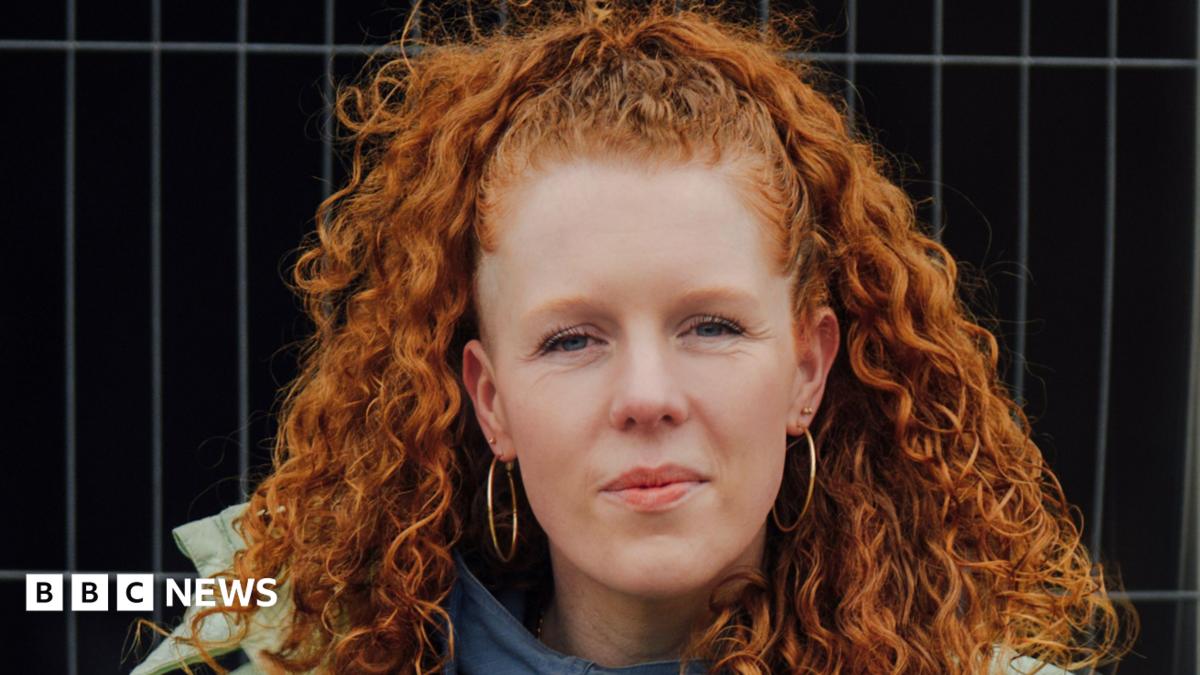
The TV Festival is relocating from Edinburgh to Manchester next year after half a century.

Organisers said it was moving from the Scottish capital “amid increasing challenges around accessibility, affordability and sustainability” across the television industry.

The TV Foundation, which has run the event since 1976, praised Greater Manchester’s vision for the festival which “combined genuine creative ambition and future-facing energy”.

It said it would be able to “radically reduce” costs for delegates by moving the festival to Manchester. Edinburgh will host the event for the last time on 25-28 August.

The festival features independent debate within the television industry, with more than 60 keynote speakers, debates, and masterclasses.

It attracts some of the biggest names in the sector, with presenter Graham Norton, actor Michael Sheen and American comedian, writer and producer Tina Fey taking part in last year’s event.

The 2027 festival is set to take place in St John’s, Manchester’s newest creative district, with the dates yet to be confirmed.

The decision was taken by the festival’s board of directors after “an extensive consultation and competitive bidding process” was launched last year.
Source link

24/06/2026 0 comments
0 FacebookTwitterPinterestEmail
Art Craft and Leisure newsRecent Post

How a sick boy in Kings Norton inspired Thomas the Tank Engine

by David Jones 24/06/2026
written by David Jones

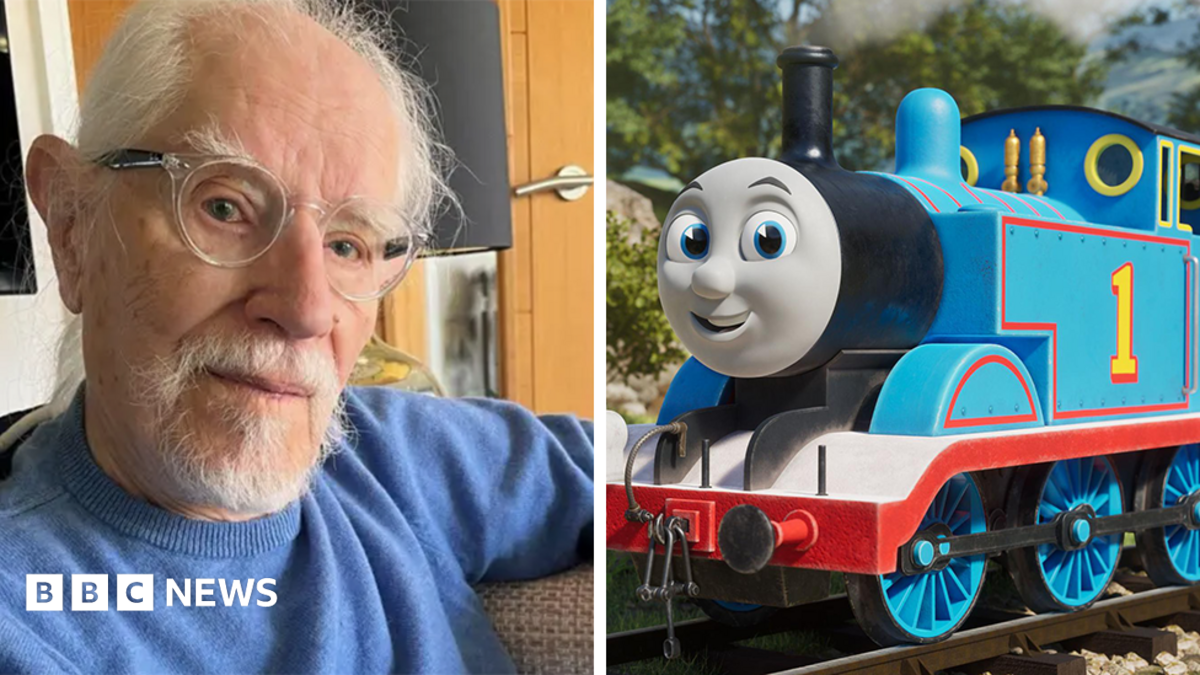
In an early story, Gordon became stuck on a steep hill and needed Edward to push him up it. According to Christopher Awdry, this hill was likely inspired by Lickey Hill, between Birmingham and Worcester.

“It would have been something an engine man would have experienced, or known of, from the nearby Lickey Hill that comes up from Bromsgrove to Lickey,” he said.

A third character was named Henry, an engine who hated the rain and was actually inspired by a real American locomotive that had gone wrong and was left in a tunnel.

That left a fourth engine, who was not used in any story but would be made out of scraps and gifted to Christopher Awdryat Christmas.

The model was painted blue with the number one on its side, and Christopher would go on to name him Thomas.

“Don’t ask me where I got the name Thomas from but that’s how it happened, he said.

But Wilbert Awdry’s stories did not make it to paper until he was urged by his wife to create something for his children after she had failed to find any suitable story books in Birmingham.

One family connection after another and he was put in touch with a publisher in Leicestershire who agreed to publish his stories on the condition he wrote a fourth story that had a happy ending for poor Henry.

The first editions of the books were released in 1945, around VE Day.

After three weeks, Wilbert Awdry was contacted by his publisher to say the series was doing so well a second edition was required immediately.

The books continued to sell like “hot cakes” and he was asked to write more stories, which he tested on his son.

These books were named Thomas The Tank Engine, and were all about His son’s little blue model.

“The rest was history,” said Christopher Awdry.

The stories have also proved a boon for the tourism industry in Staffordshire.

In 2008, Thomas Land was introduced at Drayton Manor, near Tamworth, and staff said since then, millions of people have been to see Thomas and his friends.

“One grew up with them,” one parent told the BBC, “so because we get so excited about it, our son does too.”

“He loves the trains, the engines, the tracks, he loves the stories,” another mum said.

Source link

24/06/2026 0 comments
0 FacebookTwitterPinterestEmail
Recent PostTransport news

New pictures show devastating impact of Kidwelly bus crash as six in hospital and 19 hurt

by David Jones 24/06/2026
written by David Jones

This is everything we know about the crash near Kidwelly on Tuesday

Six people were taken to hospital and 19 left injured after a bus carrying passengers overturned near the Carmarthenshire town of Kidwelly, leading police to declare a major incident.

The crash happened shortly after 12.20pm on Monday on the A484 near the Parc y Bocs roundabout, a key route linking Kidwelly and Llandyfaelog. The bus, operating as the X11 service, crashed and landed on its side in a field beside the road.

A major emergency response involving police, ambulance crews and firefighters was launched and emergency services spent hours freeing injured passengers from the wreckage.

Local people in cars who witnessed the crash joined in on the effort to free those trapped inside.

Dyfed-Powys Police later confirmed that the incident had been stood down, although the road remained closed into the evening while collision investigators examined the scene.

In a joint statement, Dyfed-Powys Police, the Welsh Ambulance Service and Mid and West Wales Fire and Rescue Service said 13 people were assessed and discharged at the scene, while six others were taken to hospital for further medical attention.

No injuries were believed to be life-threatening.

Police said all passengers had been safely removed from the vehicle and provided with appropriate care.

Welfare arrangements were established at the John Burns Centre in Kidwelly, where those affected were offered support while emergency services dealt with the aftermath of the crash.

The A484 between the Kidwelly roundabout at Parc y Bocs and Llandyfaelog remained closed throughout the evening, with motorists urged to avoid the area and use alternative routes.

Zoe Hand, Managing Director of First Bus Franchising, which oversees services in Wales, said the company was working closely with emergency responders.

“Our X11 service was involved in an incident earlier this afternoon on the A484 close to the junction with Old Forge Lane, near Kidwelly,” she said.

“A team from our depot at Ammanford travelled to the scene immediately to support our driver and look after our customers.

“The safety of everyone who travels with us is always our absolute priority and we are working with the police and ambulance service to care for those who need it and understand the circumstances which led to this incident.”

Local MP Dame Nia Griffith expressed concern for those involved and praised the efforts of emergency personnel.

“My immediate thoughts are with all those people who were involved in the crash, and the emergency services who are helping them,” she said.

“I would reiterate the official request for the public to stay away and find alternative routes to the Parc y Bocs roundabout to Llandyfaelog Road.”

Wales’ First Minister, Rhun ap Iorwerth, also thanked emergency responders for their handling of the incident.

In a message posted on social media, he said: “My thoughts are with everyone affected by the major incident near Kidwelly today. Thank you to our emergency services, including police, ambulance, fire and NHS staff, for their swift and professional response, and to local authority teams supporting those involved.”

The A484 has now reopened though investigations into the cause of the collision are continuing.

Get daily breaking news updates on your phone by joining our WhatsApp community here. We occasionally treat members to special offers, promotions and ads from us and our partners. See our Privacy Notice

Source link

24/06/2026 0 comments
0 FacebookTwitterPinterestEmail
Art Craft and Leisure newsRecent Post

City of Culture legacy grants announced

by David Jones 24/06/2026
written by David Jones

Bradford Culture Company has announced eight projects that will receive funding of up to £20,000.

Source link

24/06/2026 0 comments
0 FacebookTwitterPinterestEmail
Art Craft and Leisure newsRecent Post

Does gaming wield an influence on the world? A new book thinks so

by David Jones 24/06/2026
written by David Jones

George E. Osborn’s debut book explores the impact of video games, not only on our lives, but on the political landscape and international relations. Osborn, who worked in the video game industry for well over a decade, founded Half-Space Consulting, a consultancy firm which helps large political and social organisations understand the impact of the video game sector on their work. Power Play is the layman’s companion to this work.

Through it, Osborn lays out that one of the most overlooked media industries is not only one of the most financially powerful, but also, one of the most influential. Don’t panic if you’ve never engaged with the industry before: Osborn provides a thorough but accessible overview of the history of the games industry, before highlighting the importance of gaming as a ‘third space’ – one outside of work and home, where people go to socialise and share ideas.

This is where we move into the political sphere: what is usually harmful can become a place where extremism can be discussed without moderation, where foreign governments can intervene in national politics, and ideas can spread without anyone noticing. A fascinating book that offers as much insight as it does information, this is one media enthusiasts won’t want to miss. 

Source link

24/06/2026 0 comments
0 FacebookTwitterPinterestEmail
Black, Minority, EthnicRecent Post

Watch: Football fans celebrate in Ghana after draw with England

by Martyn Jones 24/06/2026
written by Martyn Jones

Ghana correspondent Thomas Naadi reports from Black Star Square in Accra.

Source link

24/06/2026 0 comments
0 FacebookTwitterPinterestEmail
Health newsRecent Post

Why the secret to losing weight could be a simple tweak to your prescription. If you take medication every day, here’s what you must ask your GP

by David Jones 23/06/2026
written by David Jones

This time last year life had become a struggle for Ron Rigby, who was facing a growing number of health problems.

‘I like to be independent, but walking had become difficult because my feet were so badly swollen – I had to keep buying bigger and bigger shoes,’ says Ron, 88, a retired heating engineer who is widowed.

‘I had terrible insomnia, too. For about two years, I would get by on a few hours’ sleep a night.’

But a meeting last summer would prove transformational for the father of three.

He has since regained his mobility, shed a stone in weight, is sleeping through the night – and has an improved outlook on life as a result.

It wasn’t a new medication that helped – quite the opposite. What transformed Ron’s health was cutting down the number of pills he takes daily.

Having relocated from London to Poole, Dorset, to be near his daughter Loraine, 67, Ron – who had ‘a whole cupboard in my kitchen for all my tablets’ – was offered a review of the medication he was taking (known as a structured medication review, SMR), as he had enrolled at a new GP practice.

He had been taking ten of the drugs since having a heart bypass in 1995.

Why the secret to losing weight could be a simple tweak to your prescription. If you take medication every day, here’s what you must ask your GP

As a result of a structured medication review, Ron Rigby, 88, has regained his mobility, lost a stone in weight, is sleeping consistently and has an improved outlook on life

But the medication review led to a reduction in the number of tablets he took daily, from 14 to nine – with the result that he now feels like a new man.

Out went the lacidipine, which reduces blood pressure (but can also cause fluid to redistribute, especially in the lower legs and ankles – hence Ron’s swollen feet).

Out too went the anti-diuretics (indapamide and furosemide) he was taking to stop his feet from swelling but that were making him pee more and interrupting his sleep. Tests revealed that the furosemide, which forces the kidneys to expel excess salt and water, had caused Ron’s kidney function to decline. He says: ‘I feel so much better now. I can walk about, do my own cooking and I’m enjoying life.’

He has thrown out the extra-roomy shoes he had to buy to fit his swollen feet and says: ‘I’ve even been able to get my golf shoes back on and play the game I love again. I’ve got 13 grandchildren and 16 great-grandchildren, so that keeps me busy,’ and having previously been virtually housebound, he now says: ‘I am just back from Spain.’

Ron’s situation is far from unique. In the UK, 8.4 million people regularly take five or more medications a day and 3.8 million take eight or more, according to figures from the Department of Health and Social Care. Some people take as many as 40 different types of medication daily.

‘Appropriate combinations of multiple medicines can be good for a person’s health – but the data is also very clear that the wrong combinations of multiple medicines for an individual can also be very bad,’ says Steve Williams, a clinical pharmacist at Poole Bay and Bournemouth Primary Care Network, who carried out Ron’s medication review.

Indeed, many will be given extra drugs to counter the effect of other medication, he says. ‘I have seen it many times before. Typically, one drug causes a side-effect, which leads to another prescription, which causes further problems, which require more medication – it becomes a vicious cycle.

‘If you keep adding and never subtracting, you multiply the harm.’

In fact, every year there are one million emergency hospital admissions to the NHS in England because of harmful side-effects from medication. This represents 16.5 per cent of all unplanned admissions to hospital. 

And at least 40 per cent of them are preventable, according to figures from the Health Innovation Network (an NHS organisation that brings together medics, academics and industry), presented at a recent conference on polypharmacy – the use of multiple drugs at once.

Older people are especially at risk because not only are they likely to be taking multiple medications but also the way the body responds to medicines changes with age. For example, the liver and other organs start to process them differently.

That can mean a drug that once suited them well may have a stronger effect, or bring a higher risk of side-effects – and so the dose might need to be changed or the medicine stopped altogether, says Steve Williams.

Without SMRs, people may continue on drugs they don’t need or that do more harm than good and suffer adverse effects such as falls because of low blood pressure or low blood sugar, he adds.

Ron’s case is a good example: he was on two different blood pressure-lowering medications, ‘but these were having such a strong effect together that we actually found his blood pressure was too low’, says Steve Williams.

Ron now has a new lease of life and with 13 grandchildren and 16 great-grandchildren, he is excited to spend more time with his family

Ron now has a new lease of life and with 13 grandchildren and 16 great-grandchildren, he is excited to spend more time with his family

‘So we were gradually able to reduce the doses with careful monitoring. His blood pressure is now back to normal range.’

An SMR (also known as a medicine MOT), as Ron had, can identify problems with a drug regimen. Indeed, the National Institute for Health and Care Excellence (NICE) recommends that all those taking multiple medicines, those with long-term health conditions and older people have a review every year.

‘Data suggests upwards of three million people need a medication review annually,’ says Zoe Girdis, a pharmacist and fellow of the Royal College of Pharmacy. But many are missing out – and the situation could get worse.

An SMR involves a clinician reviewing the patient’s medications to check they are still necessary and that they’re having the desired impact. This is typically carried out by a pharmacist. But as Parliament’s Public Accounts Committee pointed out in a recent new report, too few of those who need medication reviews are actually getting them.

‘GPs are failing to properly assess and support people with, or at risk of developing, frailty. Of the 226,000 patients diagnosed with severe frailty in 2024/25, only 16 per cent had a medication review,’ the report said.

‘Thousands of patients need medication MOTs but they haven’t had them – because there isn’t the capacity or skills to provide them currently in the system,’ says Steve Williams.

Using SMRs to manage over-prescribing and problems of polypharmacy was started by a group of GPs and pharmacists trying to reduce the volume of unnecessary medicines across some GP surgeries in Wessex in 2008.

Its success led to the development of a structured three-step programme across England, called the Polypharmacy Programme. It involves using GP records to identify patients in need of a medication review, as well as educating GPs to be more confident about stopping unnecessary medicines – and sometimes not starting patients on them in the first place.

‘As doctors, we’re trained to prescribe – but not to deprescribe,’ says Dr Lawrence Brad, a fellow of the Royal College of GPs who was one of the original Wessex GPs behind the approach.

‘It’s never been taught to us and so the net result is that patients – especially older patients – have the increasing potential to end up on ten-plus medicines per day.

‘I’ve known patients to be on up to 25 different medication types per day.’

The third strand of the initiative is running patient education campaigns in GP surgeries to change their perception of needing ‘a pill for every ill’ and to encourage them to be more questioning about their medication.

Last year, economic modelling of the impact of the deprescribing programme nationwide showed that it would not only reduce the number of unnecessary medicines prescribed to patients over a three-year period (from 2022/23) but for just three types of medicine it would also save the NHS £1.1million in drug costs. There will also be significant savings from fewer hospital admissions.

Steve Williams says: ‘With this deprescribing approach, we can make patients feel better and free up the system so that there are more appointments for people who have undiagnosed conditions or who are acutely unwell.’

The deprescribing programme will not only reduce the number of patients on unnecessary medications, improving health outcomes, but will also save the NHS millions

The deprescribing programme will not only reduce the number of patients on unnecessary medications, improving health outcomes, but will also save the NHS millions

However, despite its success, last September programme managers said they had been unsuccessful in securing its future because of a lack of ongoing funding as part of the Government’s wider plan to abolish and restructure NHS England.

Clare Howard, a pharmacist and clinical lead for the programme, warned that once the work is paused, it would be ‘really difficult to resurrect it’ and that without continued funding, training will cease and the momentum of the initiative will be lost.

In an 11th-hour rescue, the team secured charitable donations from the Vivensa Foundation, which funds research into ageing well, which will see the Polypharmacy Programme continue until March 2027. Beyond that, its future remains in doubt – even though the NHS acknowledges how useful it is.

A spokesperson for NHS England told Good Health: ‘Over three years, this programme has been vital in training doctors how to reduce inappropriate prescribing and also how to train their colleagues to do the same.’

The end of such training would be bad news for patients like Ron, who would otherwise continue to be put on more and more medications despite unwanted side-effects.

There are some drugs doctors simply fail to stop prescribing, says Steve Williams.

A typical case, he says, is people remaining on blood thinners that were only intended to be given as a short course to reduce the risk of blood clots, but the prescription is not reviewed (and taken longer term, the drugs can cause internal bleeds). Another example, he says, is people remaining on GLP-1 obesity drugs, even after they have lost a lot of weight, which means they are at risk of dangerously low blood sugar.

He points to the example of a patient he dealt with, an 83-year-old widower, who had atrial fibrillation (an irregular heartbeat), diabetes and who last year had an operation on his prostate.

Drugs most likely to lead to emergency hospital admissions 

The following drugs raise the risk of being admitted to hospital if you are 65 or older and are taking multiple other medicines:

  • Anti-inflammatory painkillers: Non-steroidal anti-inflammatory drugs (for example, naproxen, ibuprofen, meloxicam, aspirin) can cause stomach ulcers and bleeding with prolonged use.
  • Blood thinners: Anticoagulants (warfarin, apixaban, rivaroxaban, dabigatran, edoxaban) and anti-platelet drugs (aspirin, clopidogrel) can cause severe internal bleeding.
  • Water tablets: Diuretics (furosemide, indapamide, bendroflumethiazide) can cause dehydration, dangerous drops in blood pressure and severe electrolyte imbalances (which can cause heart rhythm problems, muscle spasms and severe fatigue).
  • Strong painkillers: Opiates (morphine, oxycodone, fentanyl) can cause severe constipation, extreme sedation and confusion, which can lead to falls.
  • Blood pressure tablets: Antihypertensives (ramipril, candesartan, amlodipine) can cause dizziness, light-headedness and fainting.
  • Antidepressants and antipsychotics: Drugs such as mirtazapine, sertraline, risperidone and olanzapine can cause drowsiness and profound confusion.

Source: Polypharmacy Programme

He was admitted to hospital with severe constipation after the urologist and cardiologist had both separately prescribed pills that can cause it. It was not until an SMR was conducted after hospital that the medication errors were noticed and resolved.

‘And you can’t just put a red line through a prescription, you have to review everything and deprescribe in a safe, controlled way, often carefully tapering the dose,’ says Steve Williams.

Sometimes you need to adjust, remove or add to the prescriptions, he says. In Ron’s case, as well as cutting out five tablets that were interacting and worsening side-effects, it was discovered that his insomnia was down to a painful knee because of osteoarthritis (which he hadn’t sought help for). His GP later prescribed amitriptyline to manage his nerve pain.

Another reason SMRs are vital is to ensure patients take their medications correctly: around 50 per cent of all patients don’t – and ‘this is compounded by having multiple things you need to take’, says Dr Brad.

‘The logistics become trickier if you have one thing that needs to be taken on an empty stomach, but two others that must be taken with food – and different pills that need to be taken at different intervals etc.

‘We know that almost a fifth of emergency cases admitted to hospitals [16.5 per cent] are due to harm caused by taking prescribed medicines – and taking multiple medicines increases this risk.

‘And emergency admissions to hospital – certainly the first two days – are pretty much the most expensive activity in NHS care costs. So that all adds up to an enormous drain on NHS resources.’

The total bill for prescriptions is rising year on year. In 2024/25 the NHS spent £21.6billion in England, up from £20.5billion in 2023/24. But it isn’t only about money – it is also a question of needless suffering.

Prior to her medication review, Tracy Smith, 59, a retired nurse from Burnley, was taking 21 tablets daily to cope with a range of ailments, including emphysema and fibromyalgia.

She also has osteoarthritis in both knees and pancreas divisum, a congenital condition where the pancreas has one drainage tube instead of two, causing recurrent inflammation and pain.

‘I was just having medicines added, but I didn’t feel much better,’ says Tracy, a mother of three and grandmother of ten.

‘I experienced side-effects such as a dry mouth and weight gain. I felt like I was constantly in a daze.’

Among the medications she was on were pregabalin, an analgesic used to treat nerve pain.

‘I was on 300mg twice a day and it caused a lot of side-effects,’ she says. ‘I was very tired, had terrible brain fog and I felt drugged up. I just couldn’t get my words out.’

She was under the care of specialists for her pancreas divisum and a clinical pharmacist was assigned to conduct her medication MOT. After starting on a six-month gradual deprescribing process, Tracy is now down to eight medications a day.

The pregabalin was stopped altogether, as well as two opioid painkillers, a muscle relaxant and nerve pain medication. The dose of an antidepressant she’s taking has been reduced by two-thirds (from 75mg to 25mg per day). ‘I feel so much better in the head and myself,’ she says. ‘I think the deprescribing process was really good because I just felt listened to and supported to reduce the medicines gradually.’

Tracy is now enjoying time in her allotment, teaching her great-grandson, Oliver, ten, how to grow grapes and kiwis. She says: ‘I’m less sluggish, no longer have brain fog – and even though some of the pain medication has been removed, my pain hasn’t increased.

‘I’m much better off now that the number of tablets I’m taking each day has reduced.’

So what should anyone do if they are worried about the medication they are on?

Steve Williams says: ‘Don’t stop them without advice. Contact your GP surgery and ask if you can have an SMR to check that all your medicines are working for you.’

But the bottom line is that patients need more help to ensure they only take the medication they need.

‘Patients deserve better than a system that only knows how to add drugs,’ says Zoe Girdis.

‘We cannot ignore this problem any longer. As our population ages and we treat more conditions, more medicines are prescribed but are just multiplying the harm.’

‘This is a system problem, not a prescriber problem,’ she adds. ‘Clinicians are working within a framework that incentivises prescribing and offers nothing for deprescribing.

‘When I ask a frail older person what they want from their health, the answer is rarely another tablet. It is years of healthy life.’

Source link

23/06/2026 0 comments
0 FacebookTwitterPinterestEmail
Housing newsRecent Post

Lawyer explains planned ‘3-year rule’ facing unmarried couples in Wales

by David Jones 23/06/2026
written by David Jones

The government has launched a consultation on plans to change rights for unmarried couples – which could make a big difference

13:10, 23 Jun 2026Updated 15:03, 23 Jun 2026

A BBC expert has explained how unmarried couples living together could face new ‘three-year rule’. Couples who live together have been told about proposals for a significant rule change, which could have substantial implications for them. Under the proposals, people would gain more rights should their partner pass away or the relationship end.

Currently in England and Wales, unmarried partners possess no automatic legal entitlement to inherit from a deceased partner, irrespective of the duration of cohabitation or whether they share children. The Government has initiated a consultation regarding plans to reform this, and on BBC Morning Live, lawyer Gary Rycroft outlined how it might operate today.

Within the proposed new framework, couples would need to meet certain criteria to be recognised as together, requiring a minimum three-year cohabitation period under the suggestions, unless the couple had children together.

Mr Rycroft said: “So, there are three and a half million couples in the UK who are living together who are not married or in a civil partnership. They are cohabiting, and that’s double the number 30 years ago. It’s a big shift in the way we are living together.”

He explained that many people may be completely unaware that, should they separate or their partner tragically pass away, they have no legal entitlements whatsoever in the same manner a married couple would – and could potentially be left with nothing. He said: “That’s fine if it’s an informed decision and if people understand implications but if you aren’t married or in a civil partnership, then there can be something unjust happens if your partner dies or if you split up whereas if you’re married in a civil partnership, then defined rules occur if your spouse dies or if the marriage sadly ends.”

Content cannot be displayed without consent

Host Helen Skelton said: “Loads of my friends I assumed were married and they’re not. They live together like you say, it’s kind of was five years, 10 years, 20 years. Is that what this consultation is a reflection of then? Because times have changed.”

Mr Rycroft said: “The law is a bit of a blunt instrument. You’re either married or in a civil partnership or you’re not. And if you’re not, it can have an unfair result. If your partner dies, you don’t automatically inherit. Or if you separate, you don’t automatically share the asset. So this consultation is trying to address that injustice.

“It’s trying to put in place a safety net, really, for people who find themselves in that position. They find themselves sadly with their partner of long-standing having died. They don’t automatically inherit or they find themselves splitting up and they’re not sharing assets. And for some people, splitting up can be a very difficult situation if they are in a relationship that is abusive or there’s some kind of economic control going on, some kind of coercive control. In fact, Women’s Aid found in uh 2024 in a report that they published that it can cost about £50,000 to actually leave your partner and set up home again.

“And actually, in a different report, it was said that up to three-quarters of women said that they weren’t going to leave their partner because of the financial consequences. And of course, financial abuse occurs with men and women. It’s not just about women as well. So, we want to put in place a kind of safety net for people who find themselves trapped in a situation. And surely that’s going to be a good thing if people are free to live the lives that they want to live.”

The government consultation document said that the duration of cohabitation was one method of determining whether a couple was genuine. It says: “The consultation seeks views on a new statutory framework of rights and responsibilities for eligible cohabiting couples when they separate. This framework would offer clearer and more consistent protections while remaining different from and narrower than that available on divorce, preserving the distinct and unique status of marriage.

“The framework would apply automatically to eligible couples, with an option to opt out where both partners agree. Eligibility would be limited to adults in long‐term, committed and interdependent relationships who have lived together for at least three years or live together and share a child. As with divorce, shorter relationships will probably attract more limited awards.”

Speaking on the BBC’s Money Box programme, expert Paul Lewis previously raised the question of cohabitation, which he noted could be ‘fluid’ with people moving in together while perhaps retaining a previous home or spending only a few nights a week together – and queried when the ‘3 year clock’ would begin. Joanne Edwards is a partner at Forsters and sits on the national committee of Resolution, the national family lawyers association.

Ms Edwards said: “It’s an important point and one which the checklist of factors would deal with. It would be about the degree of permanence, whether they’re in a sexual relationship, what the public perception of their relationship is .

“It’s actually something we’ve got in legislation already, for example, around adoption, and also plenty of other countries have this legislation already, so have grappled with this. People need to be aware and decide how they want to frame their relationship and then regulate it between themselves.”

The consultation launched on June 5 and runs for 10 weeks, closing on August 14. The government will seek views from members of the public, legal professionals, academics, charities and other stakeholders throughout the consultation period.

Deputy Prime Minister, David Lammy, said: “When a relationship comes to an end, each partner should have the support and certainty they need to rebuild their life. We’re launching this consultation to make sure our new family law builds a fair system that offers the most vulnerable protection in the event of a breakup, and at a time when the country is facing cost-of-living pressures.

“Whether you’ve been left bereaved by the sudden and unexpected death of a partner, or escaped horrific domestic abuse, our laws should work to protect you. These reforms strike an important balance between tradition and modernity. I’m determined that our justice system should work for everyone who needs it.”

To read the consultation document click here.

Source link

23/06/2026 0 comments
0 FacebookTwitterPinterestEmail
Health newsRecent Post

How to stay cool as Britain swelters under a ‘heat dome’ and temperatures soar past 30°

by David Jones 23/06/2026
written by David Jones

As Britain braces for a potentially record-breaking heatwave, millions of people are looking for the best way to keep cool.

A powerful ‘heat dome’ settling over western Europe is expected to send temperatures soaring beyond June’s record of 35.6C today, with some forecasters predicting highs of up to 38C in parts of the UK.

With the tropical conditions set to continue this week, Britain’s hottest-ever temperature of 40.3C, set during the famous heatwave in 2022, could also be broken.

As health chiefs issue a ‘red alert’ weather warning – meaning there is a risk to life for citizens – there are important questions being asked: Should the blinds be closed during the day? Is it safe to sleep with an electric fan running? Would changing your bedsheets help you stay cooler at night?

There are health concerns, too: How much water should you really be drinking? Is there such a thing as drinking too much? And when it comes to cooling down, is a cold shower actually the best option?  

With so much to consider, it can be difficult to know what is best to do. So, to find the most effective way to handle the heat, we asked experts for their top tips on staying comfortable and safe.

How to stay cool as Britain swelters under a ‘heat dome’ and temperatures soar past 30°

People shade from the sun under umbrellas on the River Cam, Cambridge

Keeping your home cool

Trying to keep your home at a comfortable temperature can be difficult, particularly if you are going to be in your workplace for much of the day and unable to control conditions as temperatures rise.

Dr Ben Roberts, senior lecturer in healthy buildings at Loughborough University, tells the Daily Mail: ‘Traditionally we’ve been a quite a cold country so we’ve been looking at keeping our houses warm in winter. 

Do you want to lose a stone in six weeks?


Hi, I’m Emma Bardwell, a nutritionist with more than 15 years’ experience helping people improve their health and lose weight.

I’ve been there. I was overweight, unhappy with my skin and stuck in a rut. Then I changed the way I eat. You can now do the same with my tried-and-tested healthy eating plan. And for DailyMail+ subscribers, it’s completely free. 

Click here to sign up and start your journey

‘It’s only since 2022 that we’ve had building regulations which have started to look at keeping our homes cool in summer. So, we’ve got a bit of catching up to do.

‘We see thousands of excess summer deaths, and those are deaths that wouldn’t have ordinarily happened had it not been for some kind of heatwave event. It is affecting people’s health and wellbeing, and at worst it’s killing people.’

This raises the question of whether blinds should be kept down, windows left open, and fans kept on.

But the answers can vary depending on the type of property you live in. 

Top-floor flats, for example, tend to become hotter as heat rises, while homes with larger windows can also warm up rapidly in direct sunlight and shaded properties may be far cooler. 

As a general rule of thumb, however, Dr Roberts advises that most people should always put their blinds down during the day. 

He said: ‘If they are light in colour, or some kind of reflective metal, then it is worthwhile keeping your internal blinds or curtains closed during the day to stop the sun’s heat coming in because it will reflect some of that heat back out.’

For ventilation, the best approach is to open windows on opposite sides of a home during the coolest parts of the day, typically overnight or in the early morning, when temperatures are at their lowest. 

Creating airflow through the home in this way allows cooler air to circulate more effectively than opening windows on just one side of the property. 

Dr Roberts said: ‘Whenever it’s warmer outside than in, opening your windows just lets that hot air in. The general advice is that, during the peak of the day during heatwaves, it’s almost always that it’s going to be hotter outside than in – so that’s when you should be keeping your windows closed.

People seek shade, use umbrellas and fans, and spend time in parks

People seek shade, use umbrellas and fans, and spend time in parks

‘Then at night, when it’s likely to be cooler outside than in, that’s when you should open your windows if it’s safe to do so.

‘Obviously for a lot of people, especially if they’re living in ground floor flats or noisy polluted areas, there’s a variety of reasons why people might not want to open their windows. But the general advice is open your windows at night close them during the day during heatwaves.’

If a home has only one window, a fan positioned nearby can help move cooler outside air further into the room and improve flow throughout the property. 

Leaving a fan on during the day, however, is not advised by experts.

Dr Roberts says: ‘There’s no benefit to having a fan on if you’re not in the home because all the fan is doing is it’s moving the air – it’s not changing the temperature of the air.

‘Unless you’re there to receive that air movement and feel that air movement across your skin, and to have that additional sweat evaporation that the fan creates, it’s doing nothing.’

How to dress

It’s often difficult to know what to wear when the temperatures rise, especially for those working in offices where formal dress codes are still expected.

While it may seem logical to wear as little clothing as possible, experts say loose, lightweight layers are often more effective at keeping the body cool than exposing more skin while wearing heavier fabrics. 

Natural materials such as linen and cotton are among the best choices, as they allow air to circulate more freely and help the body control its temperature. 

Traditional office attire can also be adapted by opting for lighter shirts and trousers made from breathable fabrics. 

Loose-fitting clothing is generally recommended, as tighter garments can trap heat and restrict airflow. 

Official guidance from the UKHSA also advises people to wear sunglasses and a hat when outdoors, particularly during the hottest part of the day, and to apply sunscreen regularly.

A wide-brimmed hat is considered especially effective, as it provides shade for the face, eyes and neck, helping to reduce exposure to direct sunlight. 

A person uses an electric fan to cool down on the London Underground

A person uses an electric fan to cool down on the London Underground

Swimmers at Cullercoats Bay, North Tyneside, in the north east of England

Swimmers at Cullercoats Bay, North Tyneside, in the north east of England

What to do at bedtime

Trying to sleep during a heatwave is often one of the most frustrating parts of hot weather.

Tossing and turning, waking up drenched in sweat and feeling as though your bedroom has become a sauna, can make getting a good night’s rest seem impossible.

Fortunately, experts say there are several steps that can help improve sleep quality during the sizzling temperatures.

One of the easiest ways is to pay attention to bedding. Warm conditions cause the body to sweat more, while increased oil production and higher temperatures can encourage the growth of bacteria. 

As a result, experts recommend washing and changing bedsheets more frequently during the summer months, ideally around once a week. 

Heavy duvets should also be swapped for lighter alternatives where possible. Some people may even find they are more comfortable sleeping under a thin cotton sheet, with no duvet at all.  

Fans can also help, though Dr Punam Krishan, an NHS GP, says many people do not fully understand how they work. 

She says: ‘A fan doesn’t actually lower the temperature of a room. It works by moving air across your skin, helping sweat evaporate more efficiently and allowing your body to lose heat. During warm weather this can improve comfort and help some people feel cooler overnight although, in very extreme heat, a fan on its own may be less effective and additional cooling measures may be needed.

‘So, while methods such as opening windows and using electric fans to cool your room’s temperature are widely recognised, it’s important to also focus on cooling down your body. This is particularly essential for older adults who often sleep lighter and feel heat more acutely as the body’s temperature regulation becomes less efficient with age.’

People on a boat in Stratford-upon-Avon in Warwickshire on Monday June 22, 2026

People on a boat in Stratford-upon-Avon in Warwickshire on Monday June 22, 2026

Sun worshippers enjoy the weather on the River Cam in Cambridge, on Monday, June 22, 2026

Sun worshippers enjoy the weather on the River Cam in Cambridge, on Monday, June 22, 2026

Another way Dr Punam recommends to beat the heat is by taking a lukewarm shower rather than a cold one. 

She says this can ‘work wonders’ because it draws warm blood away from the core and towards the skin, where it can cool in the air.

Dr Punam also advised keeping water by the bed because it can help prevent dehydration , while alcohol is best avoided as it can also contribute to dehydration.

Furthermore, once in bed, she says sleeping with wrists, ankles and neck outside of the covers can help to stay cool.

Don’t overdo the simple things

Certain groups are more vulnerable to the effects of extreme heat than others – and must take more care during the hottest days. 

Those most at risk of serious complications from overheating include adults aged over 65, young children under five, people with long-term health conditions, particularly heart and breathing problems, pregnant women, and those who live alone, according to the UKHSA.

As temperatures rise, experts advise everyone – particularly those in higher-risk groups – to avoid unnecessary activities that could increase their body temperature or make overheating more likely. 

That includes household chores such as cooking, cleaning and laundry, because ovens, hobs, tumble dryers and washing machines can generate significant amounts of heat and, in turn, raising temperatures. 

Where possible, people are encouraged to choose lighter meals that require little or no cooking, such as salads, fruit and other cold foods. 

It’s also key to recognise the warning signs of heat-related illness. 

Symptoms of heat exhaustion can include dizziness, weakness, sweating, nausea, headaches, muscle cramps and clammy skin.

Signs of life-threatening heatstroke, meanwhile, can include confusion, nausea and loss of consciousness. A person may have very hot skin and a body temperature above 40C, but may stop sweating.

Anyone suspected of suffering from heatstroke should be treated as a medical emergency and emergency services should be contacted immediately. 

A person drinks water at Parliament Square, central London, on Monday June 22, 2026

A person drinks water at Parliament Square, central London, on Monday June 22, 2026

Stay hydrated

Becoming dehydrated is one of the biggest risks to human health during a heatwave because as temperatures rise, the body produces more sweat in an attempt to cool itself down. 

While this is essential to keep the body functioning, it also causes the body to lose large amounts of fluid, increasing the risk of dehydration if not replenished.

Adults are typically advised to drink between six and eight glasses of fluid a day – roughly 1.5 to 2 litres. 

However, experts believe people may need to increase their intake during periods of extreme heat, with up to three litres often recommended.

The NHS advises people to drink fluids regularly throughout the day when the weather is hot, even if they do not feel thirsty, and to opt for cold drinks where possible.

It is also advised that alcohol is avoided during hot weather, while caffeinated and hot drinks should be limited. As they are diuretics – meaning they take more fluid from the body – this can contribute to dehydration.

Dehydration can become serious if left untreated and, in extreme cases, can be fatal.

Common symptoms include feeling thirsty, headaches, dizziness or light-headedness, fatigue, a dry mouth, lips and tongue, and passing dark yellow or strong-smelling urine. People may also find they are urinating less often than usual.

More severe dehydration can cause confusion, sunken eyes, rapid breathing and a rapid heartbeat. 

There are also dangers of having too much water – overhydration. 

In some cases, excessive water intake can overwhelm the body’s ability to maintain the correct balance of electrolytes, particularly sodium, leading to a condition known as hyponatraemia.

When this happens, water flows through the body’s cells in an attempt to restore balance, causing them to swell, which can be dangerous and lead to symptoms including headaches, confusion, nausea, vomiting and, in severe cases, seizures or loss of consciousness.

Overhydration is most likely to occur when large amounts of water are consumed in a short period – causing the body to be overwhelmed.

Visiting air-conditioned and shaded facilities 

For those struggling to keep cool at home, experts recommend spending time in air-conditioned or shaded public spaces during the hottest parts of the day.

While air conditioning remains relatively uncommon in many UK homes, it is found in places such as shopping centres, cinemas, libraries and museums. 

Even a few hours spent in a cooler environment can help reduce the strain heat places on the body.

Public parks and green spaces can also provide relief from the heat, particularly areas with tree cover and plenty of shade. 

Source link

23/06/2026 0 comments
0 FacebookTwitterPinterestEmail
Local newsRecent Post

Cosmeston Lakes celebrates their 250th parkrun event

by David Jones 23/06/2026
written by David Jones

A total of 238 participants ran and walked the course, cheered on by a team of 30 volunteers.

The weekly 5km run and walk at Cosmeston Lakes, which began in December 2019, had an 18-month pause during the COVID-19 pandemic but has continued to grow in popularity.

Participants range in age from children to individuals over 80 (Image: Abyd Quinn Aziz)

The event is free and organised each week by a team of volunteers, many from the local community.

Since its inception, Cosmeston Lakes parkrun has welcomed 9,598 runners and walkers, who have completed a combined total of 36,361 parkruns, covering 181,805 km.

Weekly finish times typically range from around 18 minutes to 55 minutes, reflecting the inclusive nature of the event.

The event is free each week (Image: Abyd Quinn Aziz)

Participants range in age from children under 10 to individuals over 80, demonstrating parkrun’s cross-generational appeal.

Saturday’s Run Director, Lyn Evans, paid tribute to the volunteers, announcing a roll of honour recognising those who have contributed on more than 100 occasions.

The volunteer team was joined by Cosmeston park rangers Aaron Jones and Sharon Mullins, who were thanked for their support in helping to host the event.

The weekly 5km run and walk at Cosmeston Lakes started in December 2019 (Image: Abyd Quinn Aziz)

The celebrations also coincided with a significant milestone for parkrun worldwide.

Since the first parkrun took place in 2004, the movement has grown into a global community spanning multiple countries and bringing together millions of participants and volunteers.

The recent staging of the one millionth parkrun event marked another landmark achievement, highlighting the positive impact parkrun continues to have on health, wellbeing, and community connections around the world.

Source link

23/06/2026 0 comments
0 FacebookTwitterPinterestEmail
Newer Posts
Older Posts

Recent Posts

  • Citroen bring back iconic ‘tin snail’ car but this time it’s electric
  • Writer to explore witchcraft in Wales at Barry Arts Festival
  • Cardiff college at centre of multi-million pound fraud allegations used ‘hacker’ to create fake financial records, trial told
  • Sixth measles death recorded in America as outbreak spirals… as US records worst case count in 35 years
  • Update on DWP bank account monitoring for PIP, Child Benefit, Carer’s Allowance

Recent Comments

No comments to show.

Help us create an environment in which people fifty and over can fulfill their aims and objectives in life. Fight age discrimination and help preserve and promote the independence, dignity and positive image of people fifty and over and work to ensure that they have appropriate and adequate public care provision.

Facebook Twitter

Useful Links

    • Contact Us
    • Privacy Policy
    • Terms of Use
    • Help & Support

Edtior's Picks

Citroen bring back iconic ‘tin snail’ car but this time it’s electric
Writer to explore witchcraft in Wales at Barry Arts Festival
Cardiff college at centre of multi-million pound fraud allegations used ‘hacker’ to create...

Latest Articles

Citroen bring back iconic ‘tin snail’ car but this time it’s electric
Writer to explore witchcraft in Wales at Barry Arts Festival
Cardiff college at centre of multi-million pound fraud allegations used ‘hacker’ to create fake financial records, trial told
Sixth measles death recorded in America as outbreak spirals… as US records worst case count in 35 years

All Right Reserved. Designed and Developed by Martyn Jones.

  • Home
  • About Us
  • Contact Us
Vale 50+ Strategy Forum
  • Home
  • Activities
  • Blog
  • Groups
    • Arts, Crafts & Leisure
    • Black Minority Ethnic
    • Climate Change
    • Health and Social Care
    • Housing
    • Transport
  • Money
  • Newsletter
    • Forum Newsletter
    • Weekly Email Newsletter
  • Podcasts
  • Scams
  • Calendar
  • Help
    • About Us
    • Contact Us
    • Documentation
    • Herald
    • Join the Forum !
    • News
    • Privacy Policy
    • Statistics
    • Useful Links
    • Vale of Glamorgan 50 Plus Safeguarding Policy
    • Members
Vale 50+ Strategy Forum
  • Home
  • Activities
  • Blog
  • Groups
    • Arts, Crafts & Leisure
    • Black Minority Ethnic
    • Climate Change
    • Health and Social Care
    • Housing
    • Transport
  • Money
  • Newsletter
    • Forum Newsletter
    • Weekly Email Newsletter
  • Podcasts
  • Scams
  • Calendar
  • Help
    • About Us
    • Contact Us
    • Documentation
    • Herald
    • Join the Forum !
    • News
    • Privacy Policy
    • Statistics
    • Useful Links
    • Vale of Glamorgan 50 Plus Safeguarding Policy
    • Members
@2021 - All Right Reserved. Designed and Developed by PenciDesign