
The beloved actor’s career ranged from box office blockbusters to thrillers and award-winning dramas.
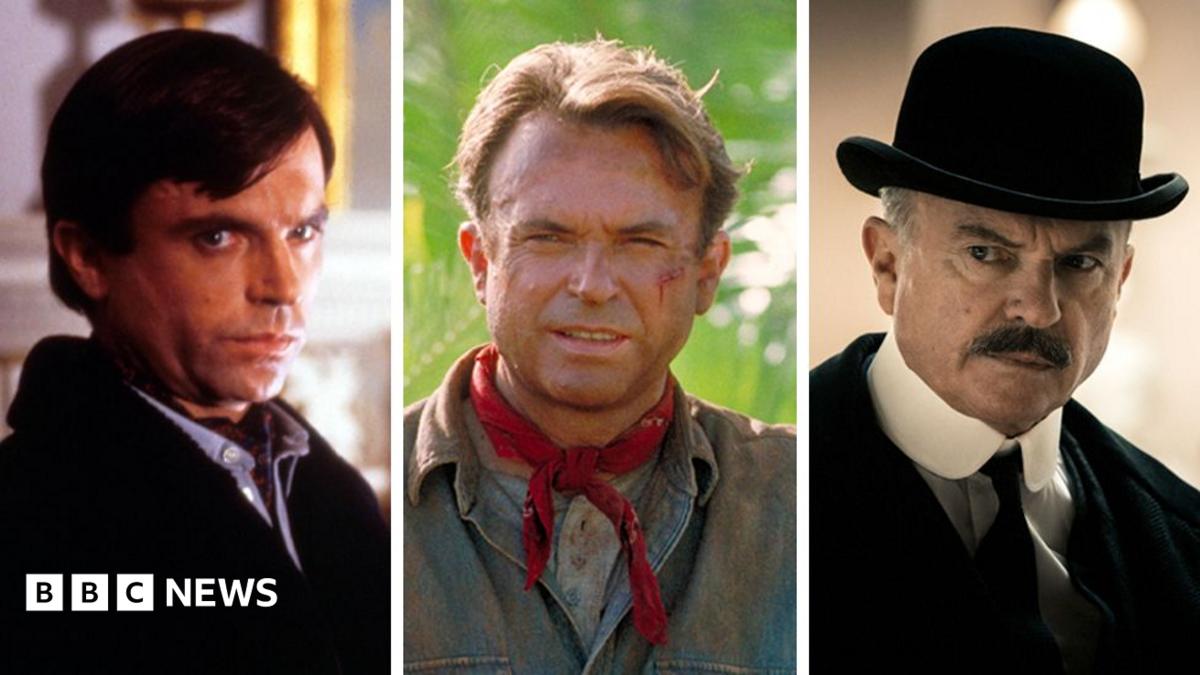
The beloved actor’s career ranged from box office blockbusters to thrillers and award-winning dramas.
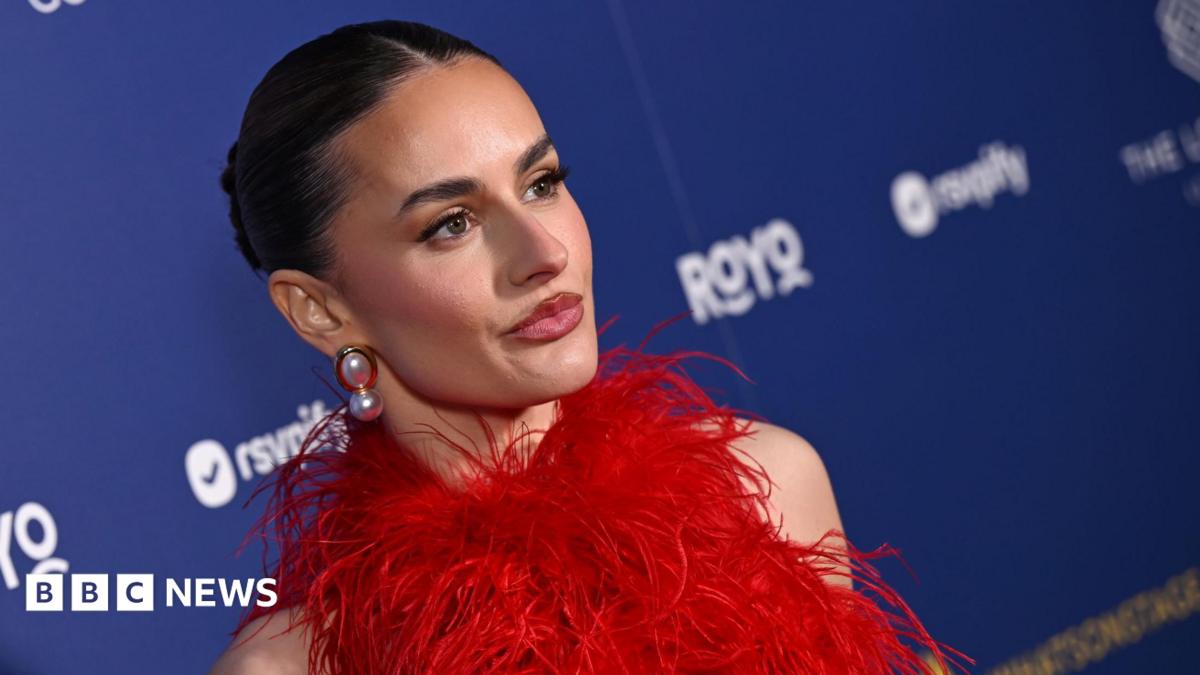
Legally Blonde musical star Amber Davies says she asked for an audience member who filmed a performance from the front row to be kicked out.
The ex-Love Islander posted a video on her Instagram Stories during the interval of Saturday night’s show at the Bord Gáis Energy Theatre in Dublin.
“We’ve got a beautiful audience, but there’s just one woman in the front row, been filming the entirety of act one, it’s had us all distracted,” she said, adding that she’d asked staff to remove the woman for act two.
Production company Royo told BBC Newsbeat it did not wish to comment further on Davies’ message.
Davies won the third series of ITV’s Love Island in 2017, and has since gone on to have a career in acting and musical theatre.
She’s currently playing lead character Elle Woods in the production of Legally Blonde touring the UK and Ireland.
Davies was still in costume, her stage microphone still in place, when she recorded her Insta post, which she called “your daily reminder not to film at the theatre”.
She said the audience member had broken the rules and “ruined the morale of our wonderful eighth show on a Saturday night from selfish actions”.
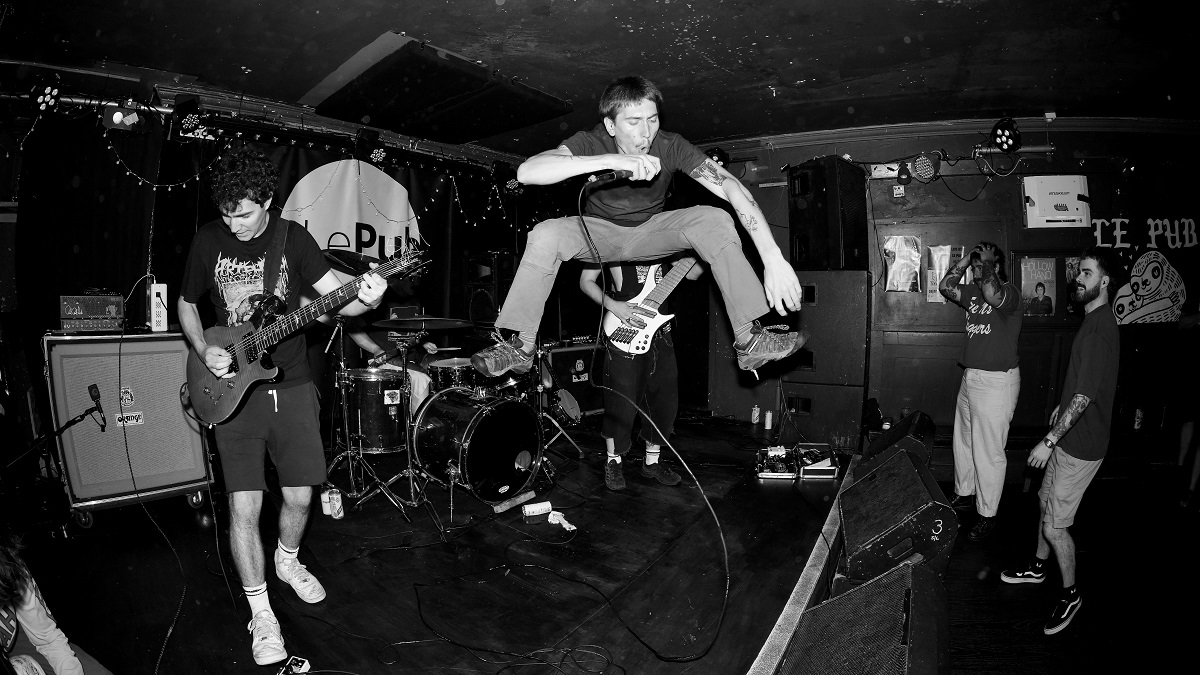
Truck Violence, a four-piece noiserock band from Montréal, are touring the UK for the first time having just released their second LP The Weathervane Is My Body. Tonight’s show at Le Pub is the penultimate date of their 2026 European tour – and the first time I’ve been to the venue for a while.
With the Le Pub air con turned all the way up to compensate for a blisteringly hot evening, opening duo Angelystor put on one hell of a show, considering they’ve only played a handful of gigs. Jacob Pinch and Harry Devonshire take it in turns playing guitar and singing vocals, leaving drums and bass to the backing track, and with the stage unable to contain their alternative punk spirit, the majority of the set is spent in the audience, or writhing across the floor. Their most recent EP Tranquil Lake is almost a year old; hopefully can capture this energy in their next studio recording.
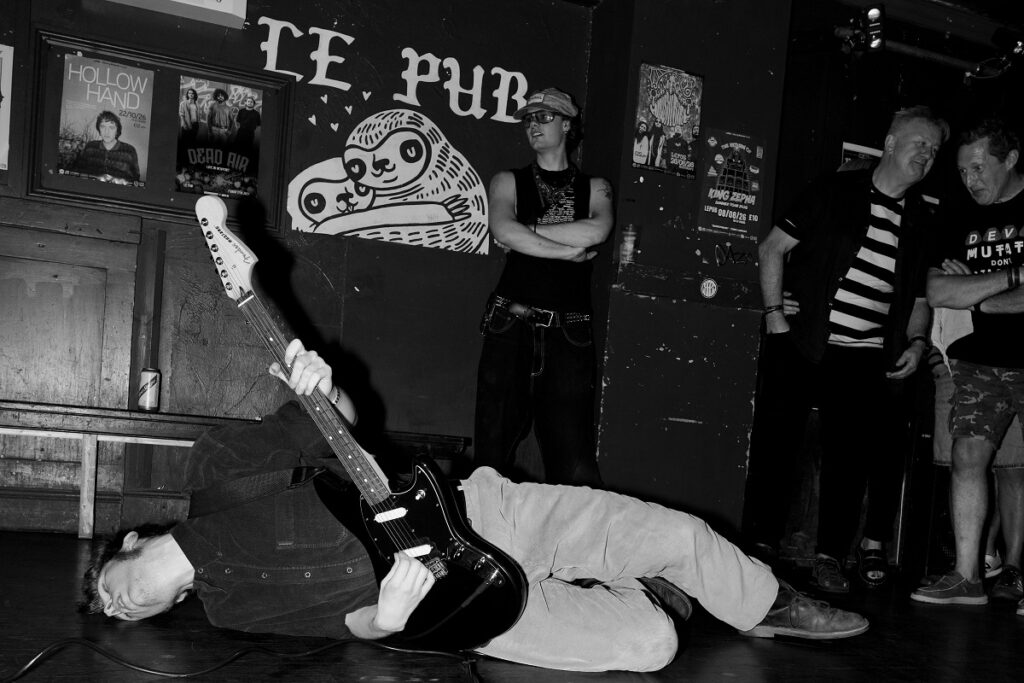
Proprioception, like Angelystor a Newport group, thrash through their set in semi-darkness, though showcasing plenty of new material following latest EP, Sexual Liberation Uber Terror. An altogether darker and heavier proposition than the opening band, mixing grindcore and sludge metal drummer Evie is a not-so-secret weapon, pummelling the crowd with blastbeats as frontperson Beau screams whilst bending over backwards. There’s invariably an unpredictability to their performance: I’ve seen Proprioception coming out into the crowd, brandish a riding crop, or Beau don a full PVC bodysuit. They can feel slightly chaotic, which is part of their charm.
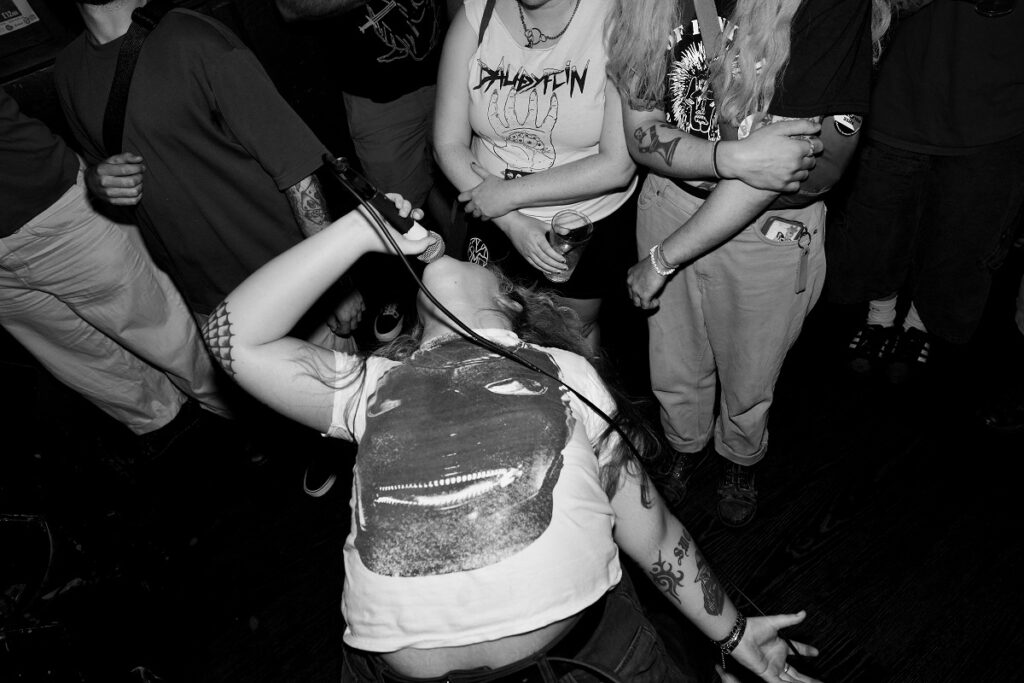
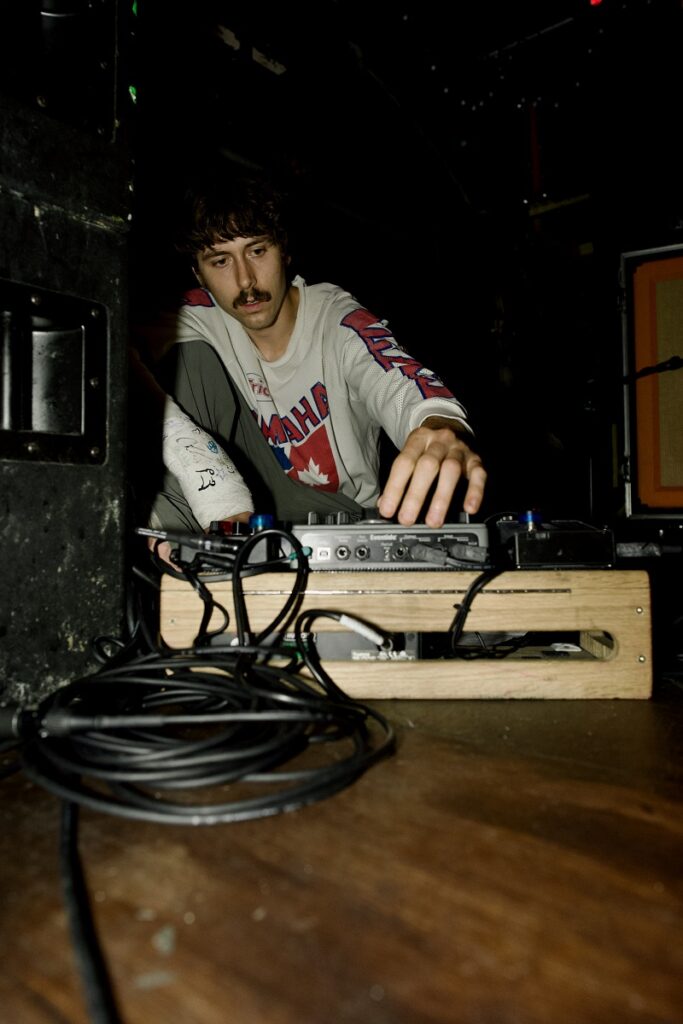
When Truck Violence begin their set, they’re clearly holding nothing back. Their performance is confrontational and arresting, with the whole band throwing themselves around the small stage. Anyone who’s familiar with their two records will know they exist in a space of extremes, noiserock sitting back-to-back with folk. Tonight there’s a little change to the lineup: guitarist Paul Lecours is sporting a plaster cast on his right arm, and a friend takes his spot on guitar, with Lecours left to manipulate a rack of guitar pedals from the floor.
When Chris Clegg plays the banjo whilst singer Karsyn Henderson sings out into a respectfully quiet crowd, it’s a highlight of the set – and the only period of calm before the set resumes at full volume, whereupon Henderson leans out to embrace those closest to the stage, singing directly to them. Whilst Truck Violence’s style may sit way outside of the mainstream, it’s easy to envisage them filling larger spaces when they play with this much passion and aggression.
Truck Violence, Proprioception + Angelystor, Le Public Space, Newport, Fri 10 July
words and photos ROSS PEACEY
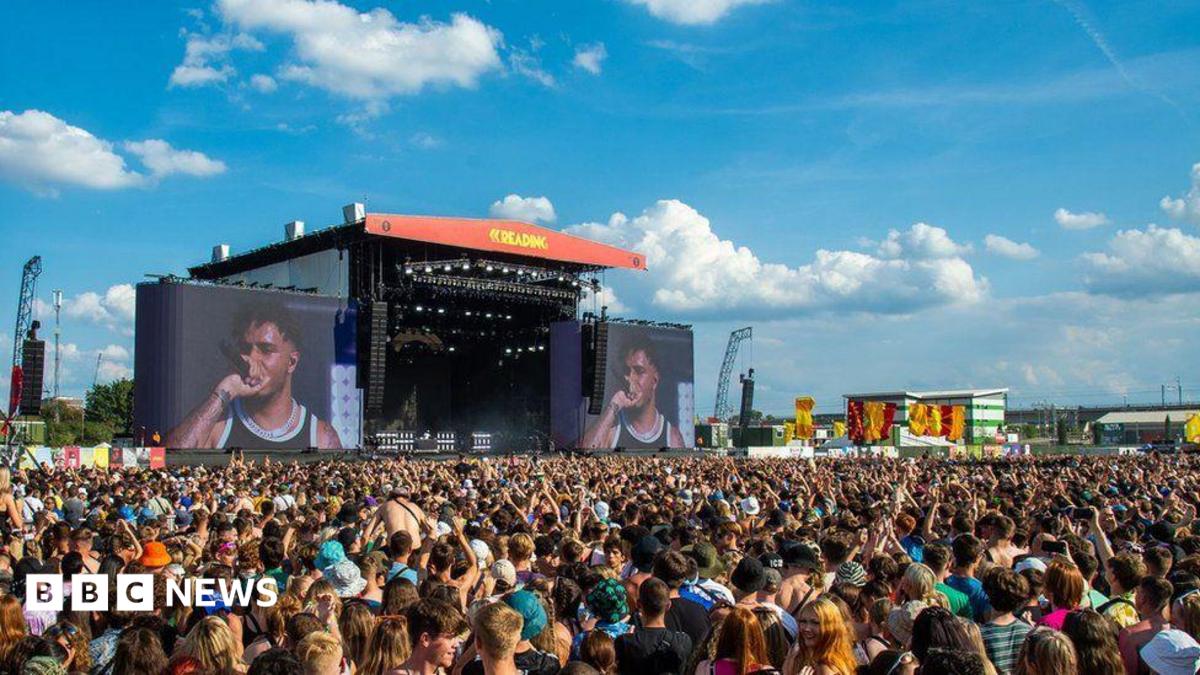
Reading Festival organisers have applied for a licensing change that would allow music on the main stage on a fourth day of the event.
More than 100,000 people attend the festival each year, with the Wednesday and Thursday seen as warm-up days, where people with camping tickets can arrive ahead of the main event days of Friday, Saturday and Sunday.
Festival Republic has applied for amplified music to be added to the licence for Thursdays, on the main stage only, from 17:00 BST until midnight.
Any change to the events licenses require approval from Reading Borough Council and, if granted, would come into effect from 2027.
Additionally, the organisers have applied to extend the hours alcohol can be sold.
The festival has already undergone some changes since restarting after the coronavirus pandemic in 2021.
From that year until 2023, the site had two main stages, until the dual main stage format was replaced with the Chevron Stage in 2024.
British stars Charli XCX, Dave and Raye will headline this year’s festival and its sister event in Leeds.
Irish rock band Fontaines DC, electronic duo Chase & Status and band Florence + The Machine will also top the bill at both events.
The events will take place at Reading’s Richfield Avenue and Bramham Park in Leeds between 27 to 30 August, with artists rotating the days they perform.
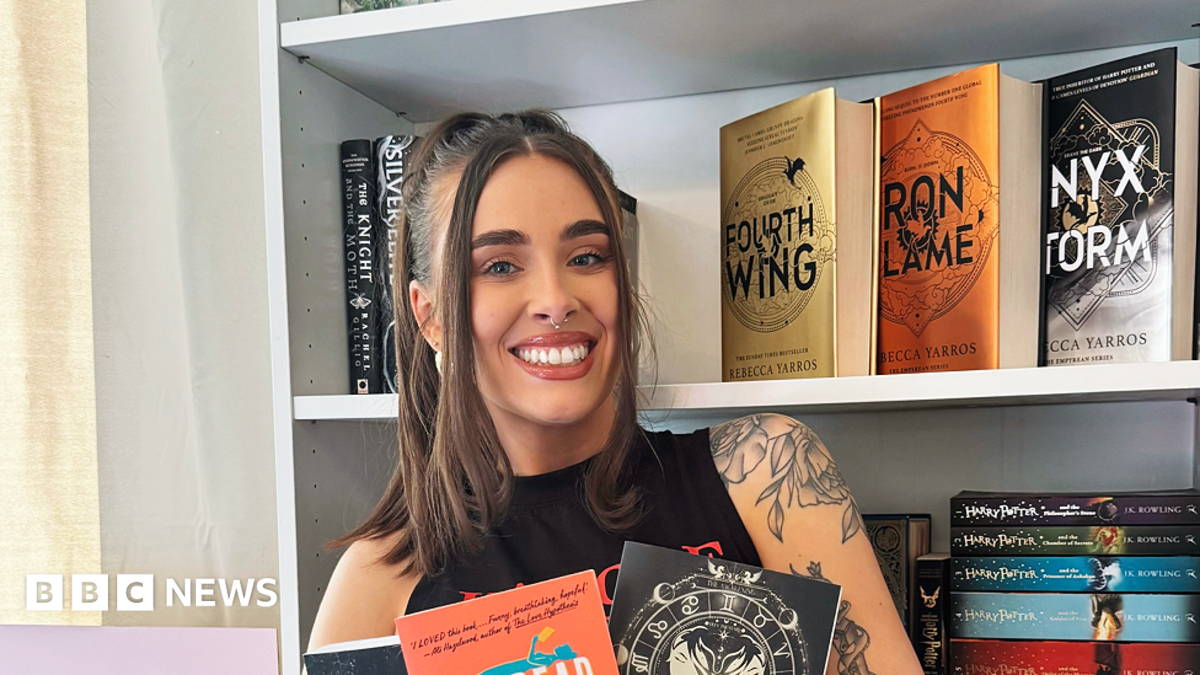
Romance is the key that finally unlocked the world of reading for Amelia Lord after she had avoided it throughout her life.
Love was all over her TikTok feed in the form of BookTok – the app’s literary subcommunity – just as she was searching for a new hobby to take up after moving from her home in Newport to Gloucester.
The 28-year-old social media and events coordinator did not read at all before she was 21.
Although “intrigued”, a dyslexia diagnosis made her think she couldn’t do it.
“I kept seeing BookToks on my TikTok,” she said. “I was seeing loads about it and it piqued my interest.”
She made her first ever New Year’s resolution, to read just one book, Colleen Hoover’s It Ends With Us, which was released as a film starring Blake Lively in 2024.
“I didn’t want to set the boundary too high,” she laughs.
“I’m a dyslexic girl and I’ve always thought, can I do it? Then I read it and I was hooked straight away.
“I went into town two days later and started buying loads of romance books.”
Amelia, now living in Cardiff with her partner and young daughter, has used books to build a very local community.
She said: “When I came back [to Wales] I didn’t really have many friends around me anymore.
“And then I became a mum and hobbies which I had before I wasn’t interested in or didn’t have the time for anymore. So I feel like books were the only thing that was still a part of before I had my little girl.”
She established Booked Up Book Club after her boss gave her space at the play café where she works in the suburb of Whitchurch.
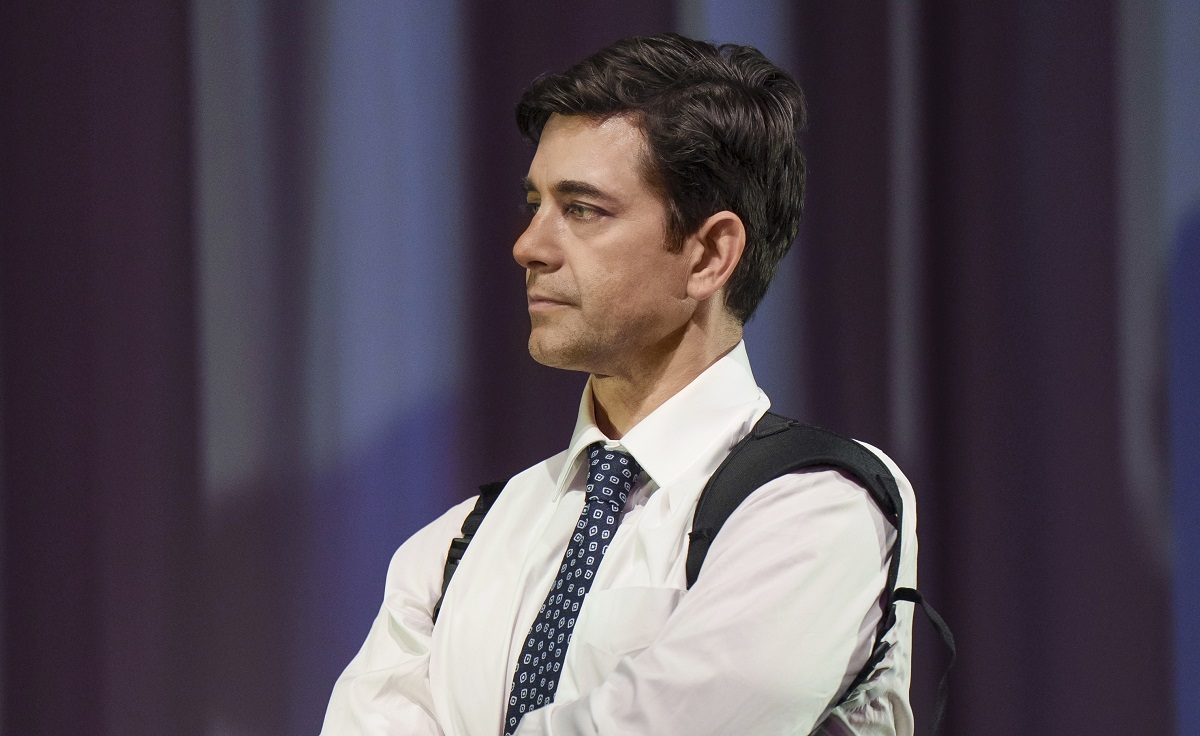
From dazzling West End audiences in Grease and Saturday Night Fever to creating his own dance productions, Adam Garcia has donned many theatrical hats over three decades-plus. Now, returning to Wales in The Bodyguard, he’s embracing perhaps his most understated role yet – but speaks candidly to Antonia Levay.
As Buzz chats to Adam Garcia on a boiling hot day, he’s on his London balcony checking out his chilli plants, which he sounds incredibly proud of – they’re one of the few things around which he can switch off and be calm. Few theatre performers have enjoyed a career as varied or as enduring as this Australian, and his latest role couldn’t be more different from many of his previous performances.
The latest run of the musical adaption of The Bodyguard sees Garcia as Frank Farmer, the former Secret Service agent made famous by Kevin Costner in the original 1992 film. “He’s incredibly economical,” Garcia explains. “The script is economical, too. So it became about discovering who he is underneath. Why is he quiet? What’s driving him? It’s all subtext.”
The challenge for the actor, then, wasn’t simply playing a man of few words, but translating that quiet authority to the stage.
“I’d never really played such a still character in theatre before,” he says. “I’d done that on film, but theatre is different. How do you remain commanding and authoritative when you don’t have a lot to say? The director really helped me realise that his strength comes from his stillness; while everyone else is full of activity, Frank doesn’t feel he needs to react.
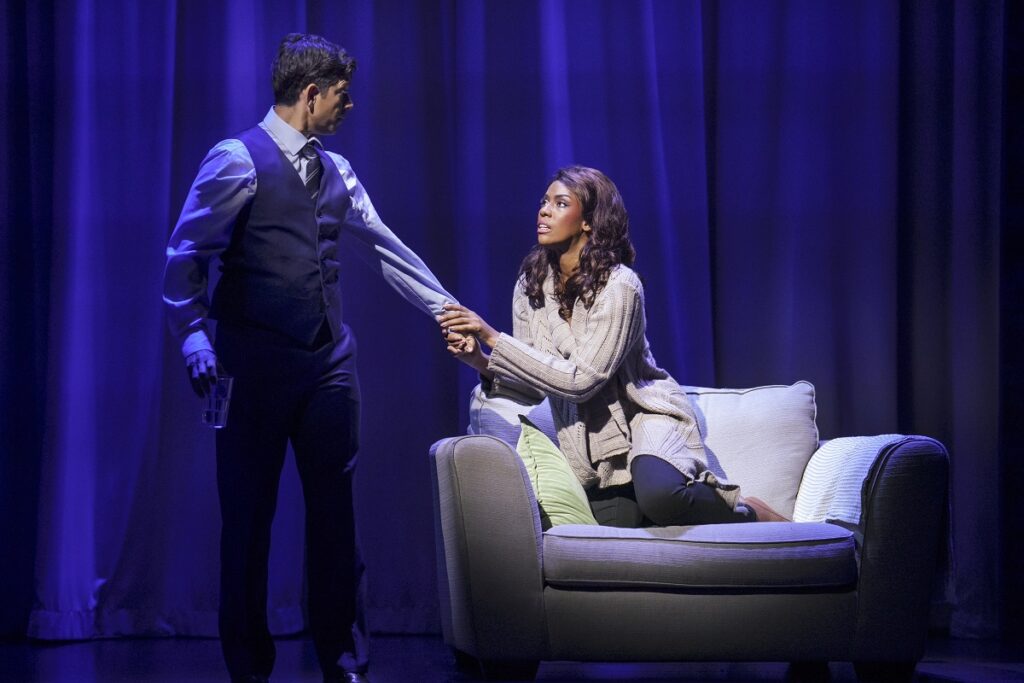
“I think I’m less reactive now anyway, as I’ve got older – but playing Frank has probably reinforced that. He doesn’t react, even when people deliberately provoke him. His job is to neutralise the threat.”
Quite the contrast to Garcia’s last role in a touring musical – the eccentric, energetic Caractacus Potts in Chitty Chitty Bang Bang. “As a performer it’s lovely to try on different skins!”
Garcia’s own journey into performing was anything but planned: everything changed in the early 90s, when legendary tapdancer and choreographer Dein Perry spotted his talent and invited him to join a new tapdance-themed musical, Hot Shoe Shuffle. “I thought I’d take a year out, get it out of my system, then go back to university. I never went back.”
That single decision took him from Australia to London’s West End, where he met choreographer Arlene Phillips before landing the role of Doody in Grease. It also introduced him to producer David Ian, with whom Garcia has now worked eight times, including on The Bodyguard.
Looking back, Garcia describes his career as a series of opportunities created by people who believed in him – “I’ve been incredibly lucky. People gave me opportunities at the right time” – and despite an impressive list of stage and screen credits, Garcia still sees performing as a craft rather than something you’ve ever mastered. “I still enjoy learning. Whether that’s onstage or off, you’re constantly discovering new parts of the job.”
Having spent years leading theatre companies, Garcia has found genuine satisfaction in mentoring younger performers. “I think I’ve become much better at leading companies than I was when I first had to do it in my twenties. I like creating a relaxed environment where everyone’s professional, and hopefully I can help younger performers along the way.”
Discussing the challenges facing today’s generation, Garcia is thoughtful rather than critical. Social media, he believes, offers remarkable opportunities but also demands enormous resilience. “It can be an incredible marketing tool. People who do it well are producers, editors, stylists, copywriters, marketers – they’re doing everything themselves. But it can also consume your life.”
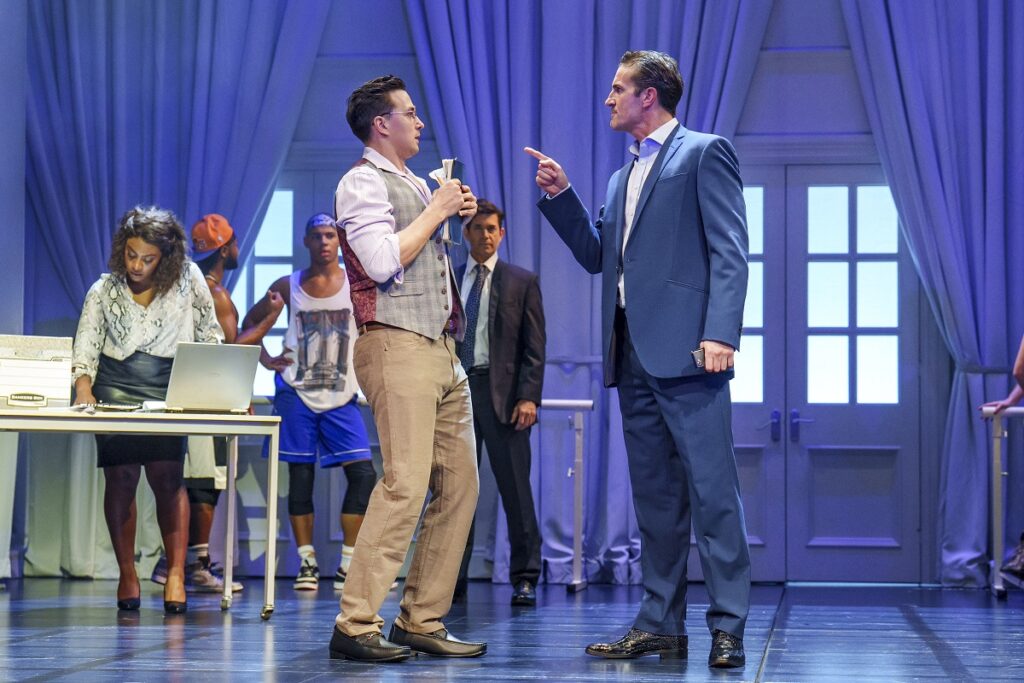
Ultimately, though, he believes every generation faces its own obstacles: “It’s always been a competitive industry. Resilience isn’t something you’re born with; it’s something you build.”
Away from the theatre, Garcia’s latest creative project is Emerald Storm, a show which combines Irish dance with tap and returns to Wales later this year, including performances in Llandudno and Wrexham. The fusion grew from conversations with Irish choreographer Sam Hewer, about whom Garcia says: “We realised our worlds were similar but completely different. Neither of us knew the other’s style, so we started asking what connected them rhythmically. That’s where the show grew from.”
This month, however, The Bodyguard remains firmly centre stage, with Garcia relishing the opportunity to alternate between two completely different productions. “I’m excited to do two very different things back-to-back,” he says. “That’s what keeps it interesting.”
The Bodyguard, Wales Millennium Centre, Cardiff Bay, Tue 20-Sat 25 July
Tickets: £22-£85. Info: here
words ANTONIA LEVAY
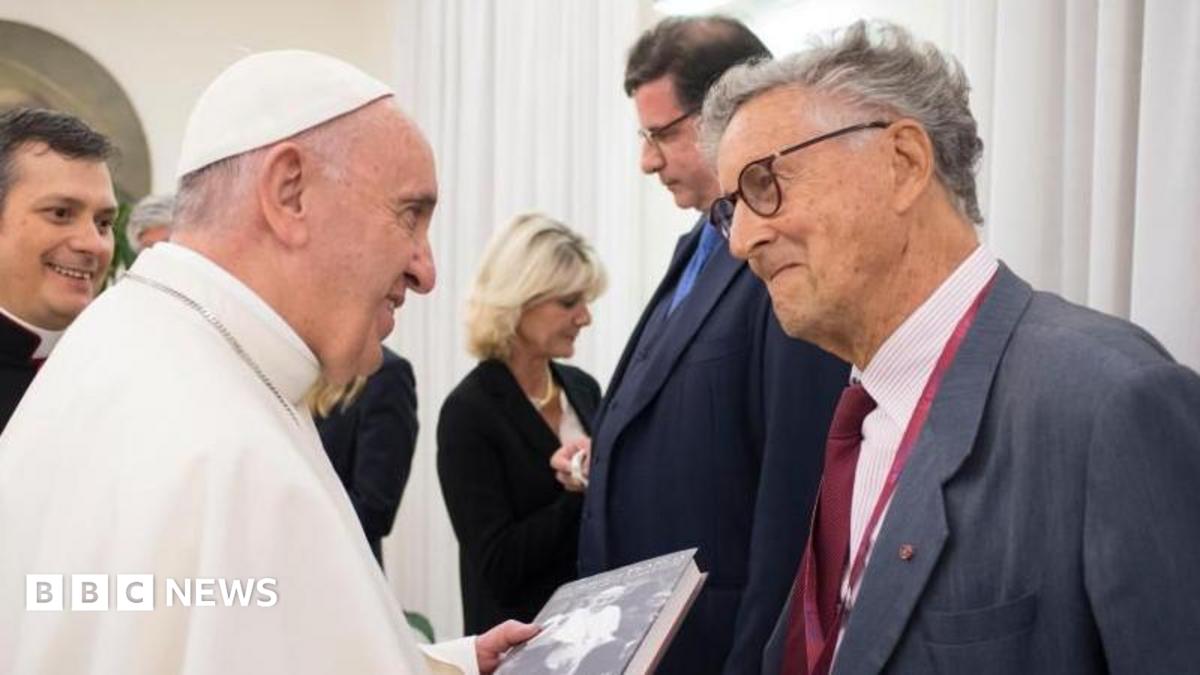
David Willey, who served as a BBC foreign correspondent for more than half a century, has died aged 93.
He reported from Algeria, Vietnam and China, but is best known for his time in Rome as the BBC’s Vatican correspondent, where he covered the papacies of five popes.
Widely regarded as one of the most experienced journalistic voices on the Vatican, Willey wrote a book on Pope Francis and was awarded an OBE for services to broadcast journalism.
He was still working well into his nineties – last year, after the death of Pope Francis, Willey reflected on how the Vatican had changed under the late pontiff.
“He was an incredible authority on the Vatican, reporting and travelling with five Popes, and was so kind, giving me insight and encouragement when I started in Rome in 2019,” wrote Mark Lowen, BBC correspondent and presenter.
News producer Gillian Hazell, who worked closely with Willey in Rome, said he was “an esteemed friend and colleague with a mischievous sense of humour and endless fascinating stories from his assignments around the world.”
Willey started his career as a trainee for the Reuters news agency and covered the signing of the Treaty of Rome in 1957. The document, which established the European Economic Community, formed the basis for what is now the European Union.
“I was actually there in the huge room frescoed with scenes from ancient Roman battles, when the six frock-coated founders of the Europe of the Six appended their signatures to the Treaty,” he wrote on the 50th anniversary in 2007.
“Crowded into the room were members of parliament, city authorities and, I seem to remember, a single red-hatted cardinal from the Vatican.”
Willey then worked as a freelancer in Algeria, before becoming the BBC’s east Africa correspondent in 1964.
He then reported from Asia, including on the Vietnam War, and China after the communist revolution.
But David Willey will be best remembered for his decades of work in Rome.
He became an authority on the papacies of five popes – One of his most notable assignments was the assassination attempt on John Paul II in 1981.
Last year, Willey met his fifth pope – the newly elected Pope Leo.

The available court documents give new information about what is claimed to have taken place in the incident, which occurred at Top Gear’s test track at Dunsfold Park Aerodrome in Surrey on 13 December 2022.
There were microphones in the car, and BBC Studios said Flintoff expressed concern at one point when the car’s front wheel lifted as he took a corner, but was reassured by Rees that it could not roll over.
Approaching the same corner again, Rees told Flintoff to “now turn right… now full power, full power”, BBC Studios’ defence filings said.
The document claimed that “a front wheel lifted and because on the claimant’s instruction the presenter continued to apply power the Morgan turned over”.
The court document also said: “At no time in the period after the accident did the claimant suggest that he had suffered any injury in the accident.”
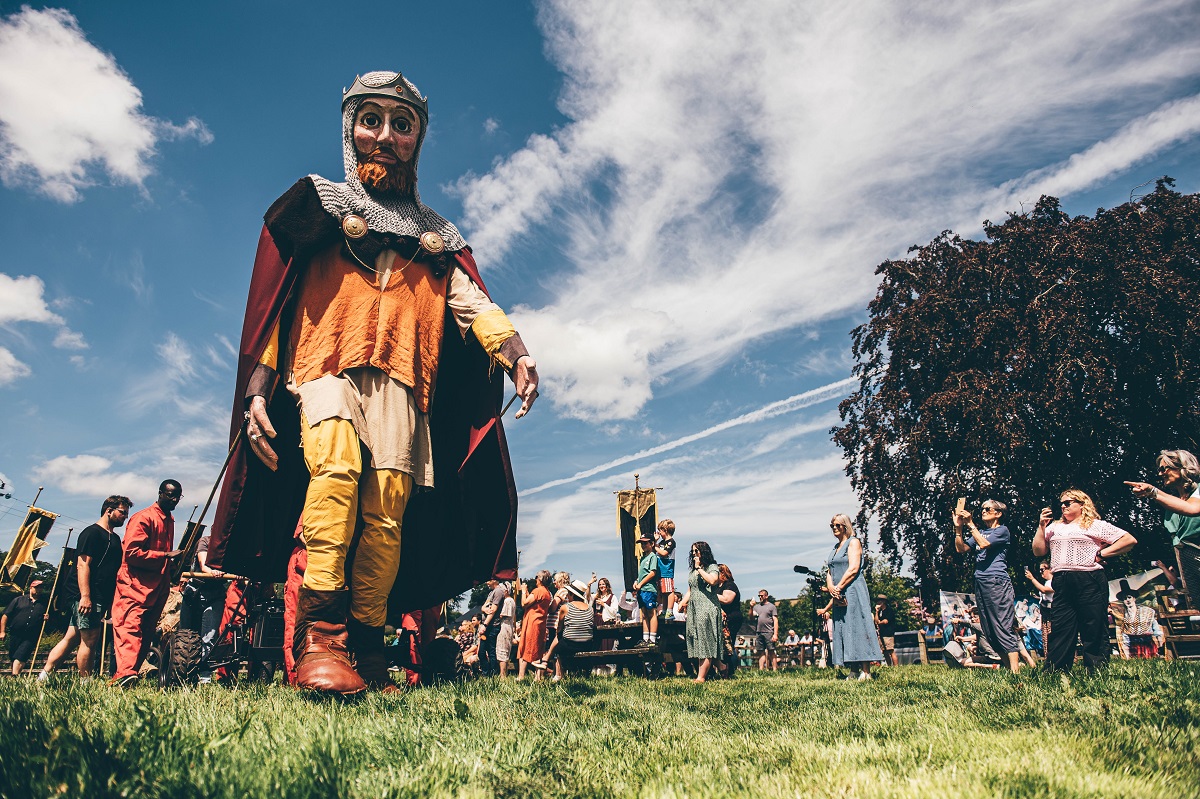
Wales’ most renowned moveable feast, the National Eisteddfod, is set to have a big birthday in a small village – its story begins in Cardigan circa 1176, and will write its latest chapter in Llantwd, just up the road, in 2026. Antonia Levay tells us more.
Buzz’s recent Super Furry Animals cover feature was a reminder that Welsh audiences have always had an appetite for live music, performance and shared cultural experiences. Long before festival wristbands, arena tours and streaming playlists, Wales had its own gathering place for creativity.
Eight hundred and fifty years ago, poets, musicians and storytellers came together in Cardigan Castle, under the patronage of Lord Rhys. Today, that tradition lives on through the National Eisteddfod – a festival that remains one of the most important celebrations of language, literature, music and identity anywhere in Europe.
In 2026, the Eisteddfod returns to its spiritual birthplace in west Wales to celebrate a remarkable milestone. A landmark anniversary not just for Welsh speakers, but for anyone interested in this nation’s cultural story – and the Super Furries will be just one among hundreds of performing acts from across Wales there this year.
The story begins with Rhys ap Gruffydd, better known as Lord Rhys, ruler of the ancient kingdom of Deheubarth. Following the completion of Cardigan Castle in 1176, he invited poets and musicians from across Wales and beyond to compete for prestigious chairs and rewards. Historians widely regard this gathering as the first recorded Eisteddfod.
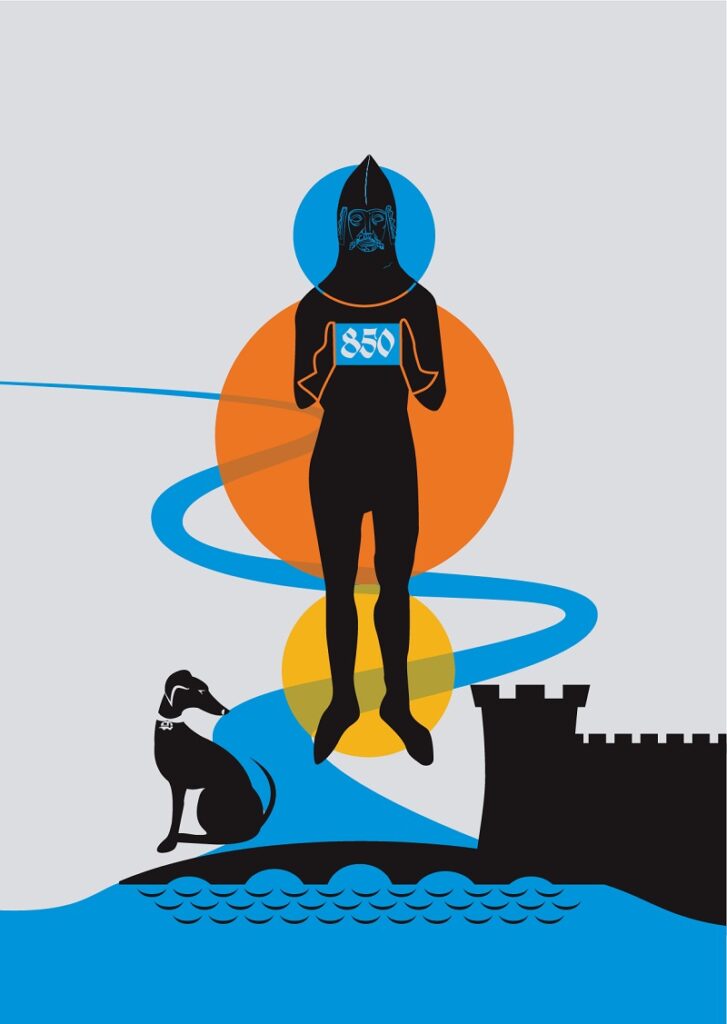
The word ‘Eisteddfod’ derives from the Welsh for ‘a sitting’ or ‘session’, reflecting a gathering of artists and performers. While the modern festival has evolved considerably, its core purpose remains remarkably similar: celebrating artistic excellence through friendly competition and performance.
Over the centuries, the tradition ebbed and flowed. It was revived during the cultural awakening of the 18th and 19th centuries before developing into the National Eisteddfod we recognise today. That process has seen it grow into Wales’ largest cultural festival – and one whose great strength is that it belongs to the whole of Wales.
Rather than remaining in one place, the Eisteddfod changes location annually, transforming a different community into a cultural capital for a week every August. In 2025, for example, the festival brought tens of thousands of visitors to Wrexham, highlighting the city’s growing cultural confidence and delivering a significant economic boost to the region.
Wherever it goes, the Eisteddfod leaves a lasting legacy. New Welsh-language initiatives emerge, community projects flourish, and local people become involved in everything from competitions and performances to volunteering and fundraising. The festival remains one of the most visible expressions of Welsh identity, providing a platform for the language while welcoming learners and non-Welsh speakers alike. It is where new poets are crowned, writers are discovered, musicians find audiences and artists showcase their work.
In an era dominated by global culture, the Eisteddfod celebrates local stories, regional voices and a language that has survived against considerable odds. More than 150,000 visitors attend annually, while thousands compete across categories ranging from poetry and prose to dance, music, science, technology and visual arts. Importantly, though, the festival is not simply about preserving tradition, with contemporary music alongside ancient ceremonies, cutting-edge visual arts sharing space with centuries-old bardic customs, and prominent exposure for LGBTQ+ programming, spoken word, modern theatre and political debate.
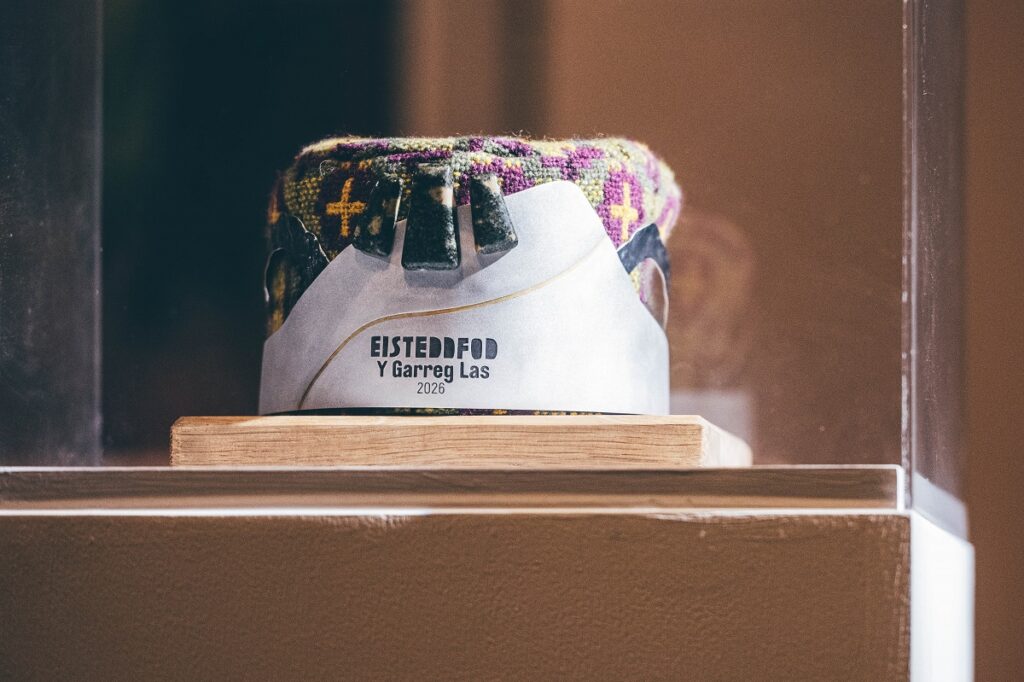
The 2026 National Eisteddfod – dubbed Y Garreg Las, or ‘blue stone’ in Welsh – takes place from Sat 1 to Sat 8 Aug in Llantwd, a tiny north Pembrokeshire hamlet not far from Cardigan Castle itself. The location was chosen to mark the 850th anniversary celebrations and reconnect the modern festival with its historic roots.
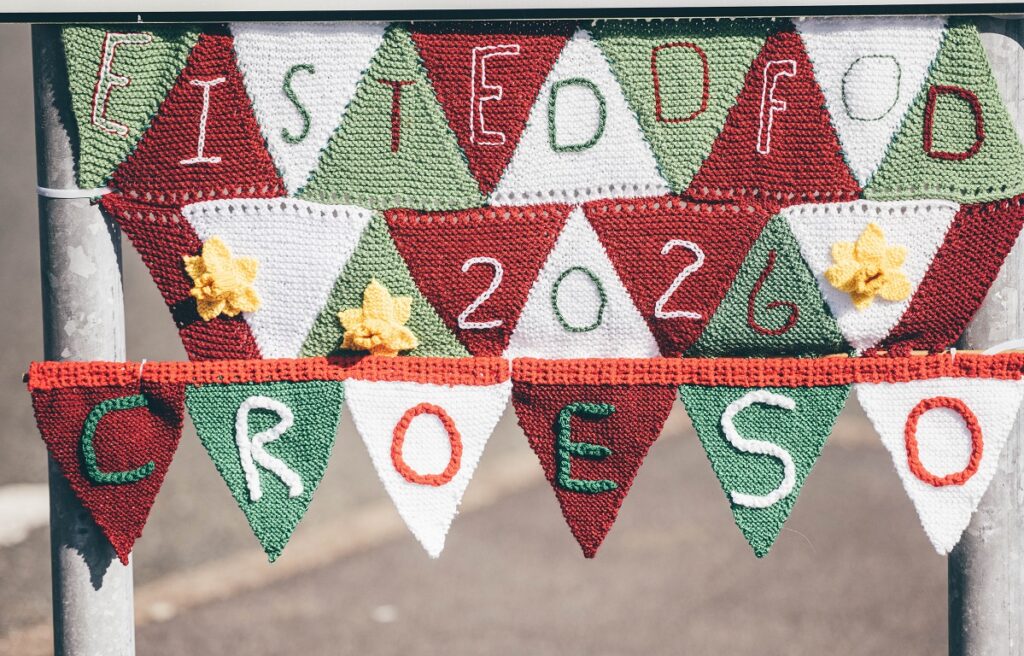
The programme will feature the traditional competitions, literary events, visual arts exhibitions, theatre performances, choir contests and major evening concerts that have become synonymous with Eisteddfodau. Visitors can also expect family activities, discussions, food and drink showcases and community events. The Pavilion remains the festival’s beating heart, while evening events across the Maes traditionally feature some of Wales’ biggest musical names alongside emerging talent.
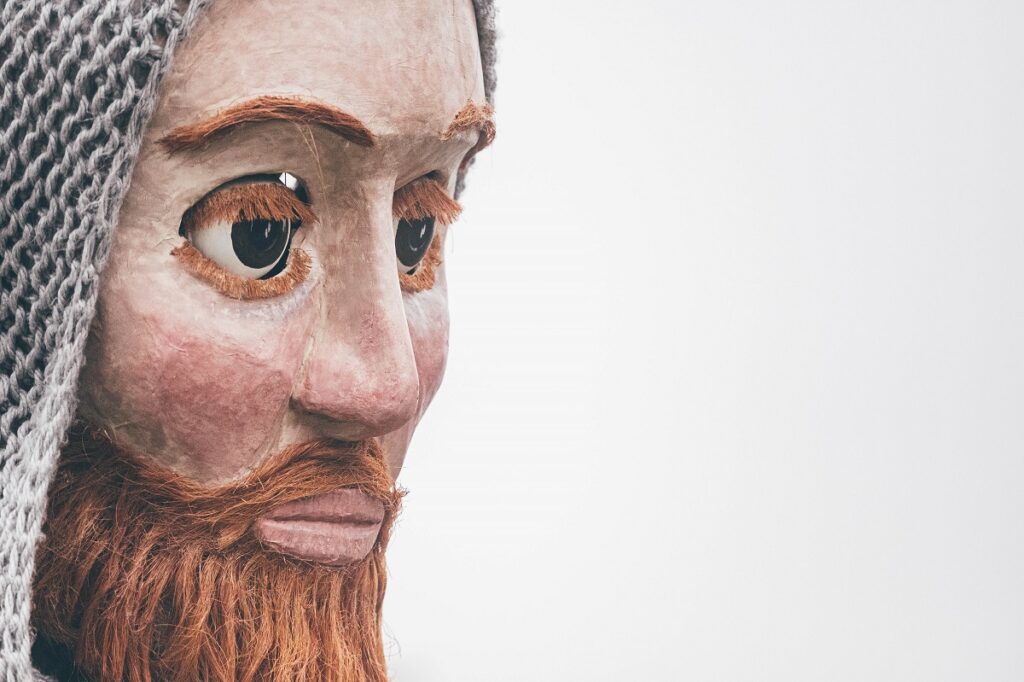
Ahead of the festival, a series of special events under the Carreg Filltir Las banner will celebrate the anniversary year. These include performances, talks, community projects and a symbolic journey retracing Lord Rhys’ route across west Wales towards Cardigan Castle [pictured here at various points of the journey]. A giant Lord Rhys puppet, cultural parades and educational projects for children are all part of the anniversary celebrations.
Perhaps the secret of the Eisteddfod’s 850-year history lies in its tendency to continually reinvent itself, and approaching culture as something built over generations. It belongs as much to the young poet nervously reading their first work as it does to established authors, musicians and performers.
The original prizes awarded by Lord Rhys in 1176 were reputedly given to the best poet and musician, and to this day winning the Eisteddfod Chair or Crown remains one of the highest honours in Welsh culture. Highlight of the week for many attendees will be the emotional Chairing and Crowning ceremonies, where entire audiences rise to celebrate literary achievement and poets receive rock star treatment.
The Eisteddfod has survived wars, political upheaval, industrialisation and the digital age. Few cultural events anywhere in the world can claim an unbroken legacy stretching back to the 12th century, and all this time after Lord Rhys welcomed artists to Cardigan Castle, Wales is still gathering to celebrate creativity.
Eisteddfod Y Garreg Las, various locations, Llantwd, Sat 1-Sat 8 Aug.
Tickets for the Maes: £25 per day/£24 senior/£20 under-19s/£15 under-16s/FREE under-5s. Family tickets also available; evening concerts priced individually. Info: here
words ANTONIA LEVAY
New Life (BPitch)
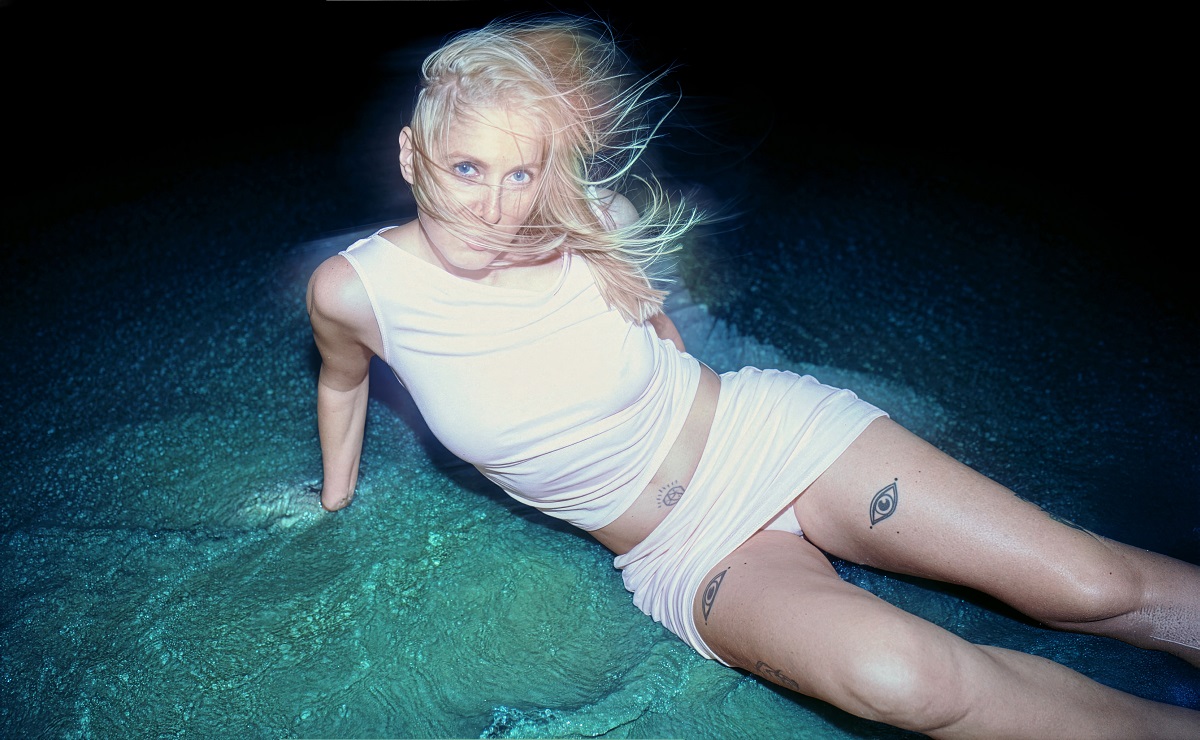
An influential figure in electronic music scene for more than three decades now, Ellen Allien has been described as the matriarch of the Berlin techno underground. Her BPitch Control label, founded in 1999 and now known just as BPitch, has been the platform for the great majority of her extensive discography, including her 10th and latest album New Life.
From the off, Allien is firing on all cylinders production-wise: if you like your techno hard, fast and driving, this one’s for you. Save for a brief letup in the form of Mein Hertz, tempos are relentless throughout, marching through with stripped-back percussion and synths providing the hook.
It’s not just one of the tracks being titled Riot that gives this album its anarchic feel. Around the time of her last album, 2020’s AurAA, Ellen Allien was helping us stay connected with her pandemic-era Balcony Streaming sessions; with New Life, she keeps our attention with 10 stellar tracks.
words EMMA J SMITH

