
Fans saw performances from former Little Mix singer Perrie Edwards and BBC Introducing Artist of the Year Jacob Alon.

Fans saw performances from former Little Mix singer Perrie Edwards and BBC Introducing Artist of the Year Jacob Alon.
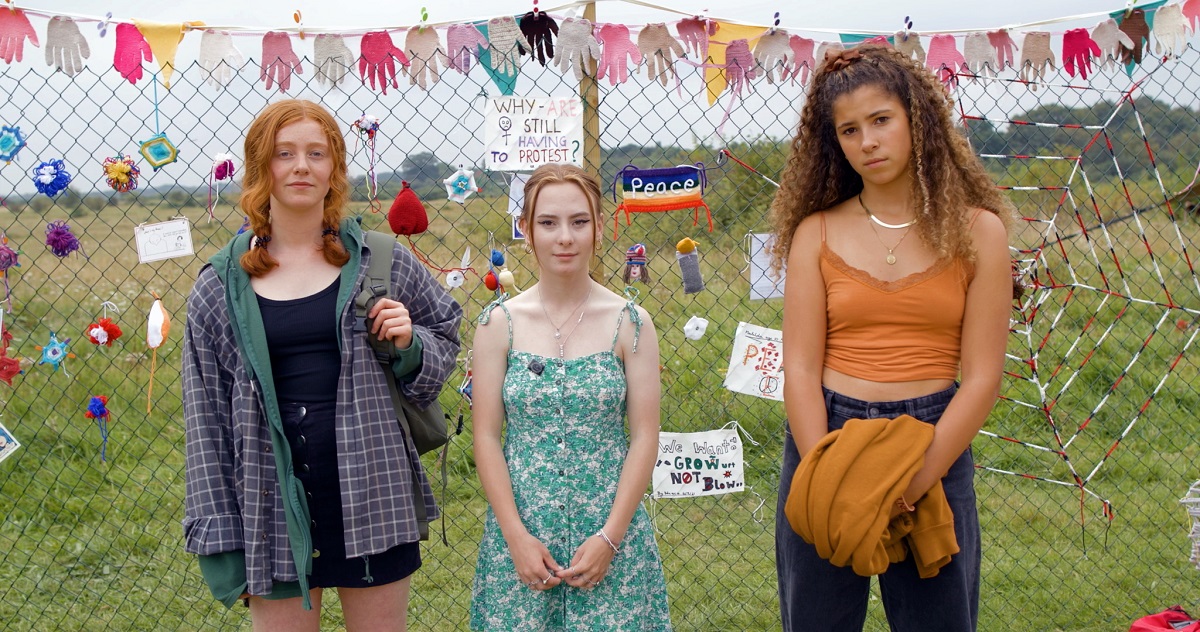
Ben Woolhead takes in a screening of Gentle, Angry Women, a documentary about the early 80s Greenham Common protests that combine a retrospective angle with the contemporary context. The film’s director Barbara Santi is also in the building to offer extra wisdom.
The most affecting narrative in Noisy Valley, Myfanwy Tristram’s new “documentary comic” about the protest stories of people from in and around the Rhondda, is that of Katheryn Edwards. Inspired by the actions of local women in Porth, the policeman’s daughter became involved in the Greenham Common protest as a teenager, living at the peace camp for a while and even spending time in prison for the cause. The experience would prove life-changing.
Not long after I’d interviewed Tristram, the book’s author/illustrator, for Buzz, Cardiff’s Chapter Arts Centre hosted a special screening of Barbara Santi’s film Gentle, Angry Women. In it, three feminist activists – teens, as Edwards was – trace the literal, political and personal journey their foremothers took four decades previously.
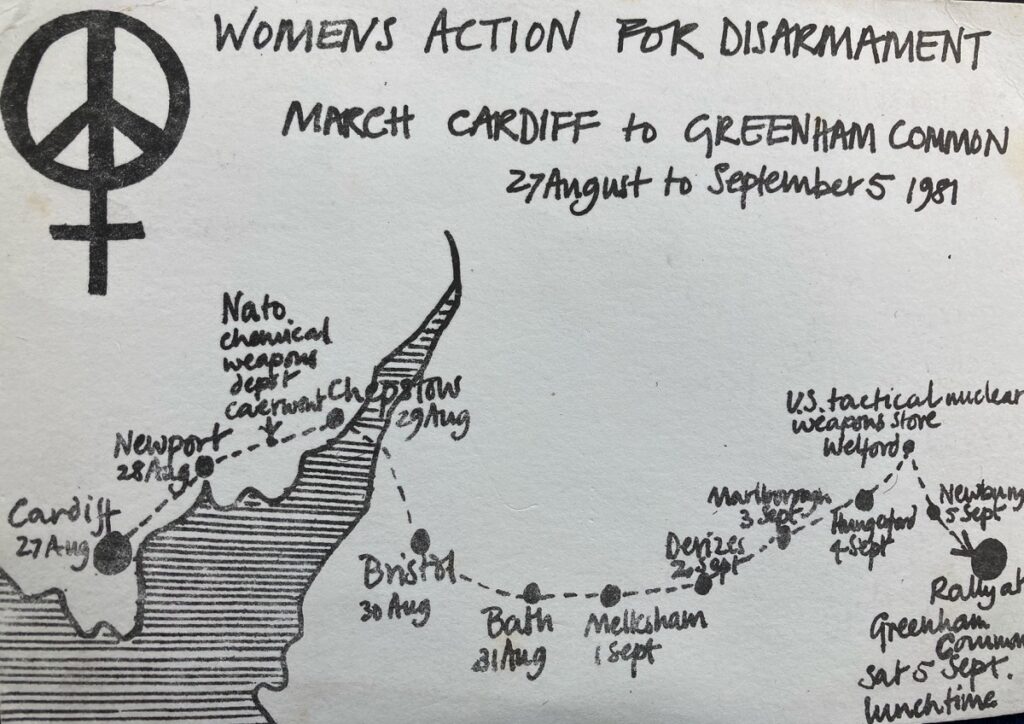
It’s remarkable (and troubling) that the story of Greenham Common isn’t more widely known – not least for its relative recency, scale and longevity. The protest, against the situating of US nuclear missiles on a military base in Berkshire, was catalysed in part by a group of women marching the 110 miles from Cardiff to the site in 1981. It lasted a phenomenal 19 years, attracted thousands of participants of all ages and walks of life, and – unlike the much more storied miners’ strike – did not become violent and ultimately had a successful outcome.
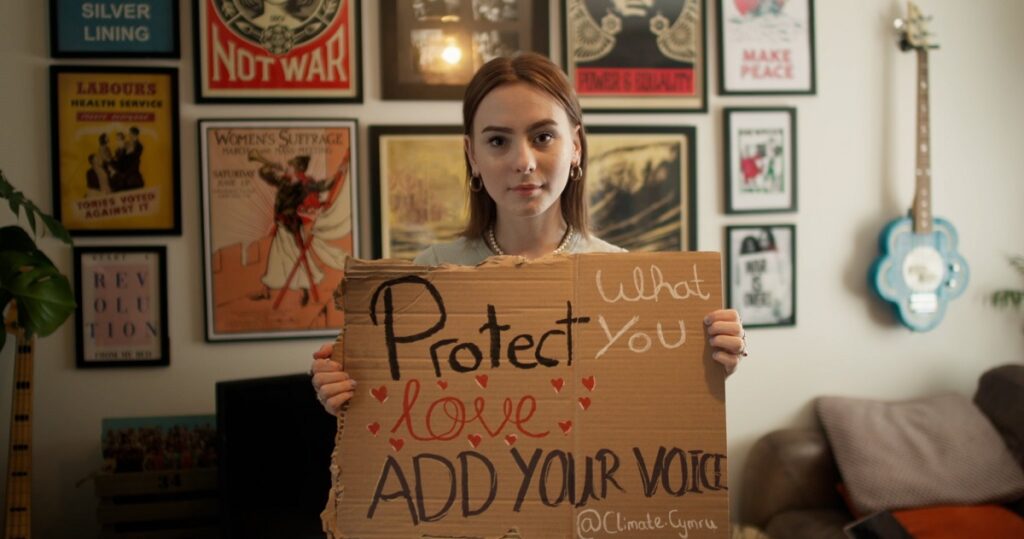
But perhaps most significantly, the protesters were almost exclusively women. One of Santi’s interviewees recalls that the few men who turned up were largely “a liability”, getting drunk and expecting the women to cook for them. The women, however, refused to allow the camp to become a patriarchal home from home.
In a Q&A after the screening, Santi admits to having known little about Greenham herself until she came across Rebecca Mordan, director of feminist theatre company Scary Little Girls, who has made it her mission to raise the protest’s profile in the public consciousness. With Mordan on board as consultant, Santi set about making a documentary that would tell the history of Greenham, but in a way that would underline the protest’s intergenerational dimension and its relevance today.
Enter three articulate, thoughtful, passionate teenage activists – politically-minded Poppy from Newport, anti-racism campaigner Xanthe from London and environmental protester Evie from Cornwall – and the idea of inviting them to recreate the Cardiff-to-Greenham walk to mark its 40th anniversary, in the company of some of those who made the trek first time around.
In the Q&A, Poppy recalls feeling increasingly angry and impotent at the state of the world in her teens, until Greta Thunberg (and a conversation with her mum) inspired her into channelling that rage into positive action. This was very much the spirit of Greenham. Fuelled by fury and defiance though it may have been, the protest remained peaceful and optimistic.
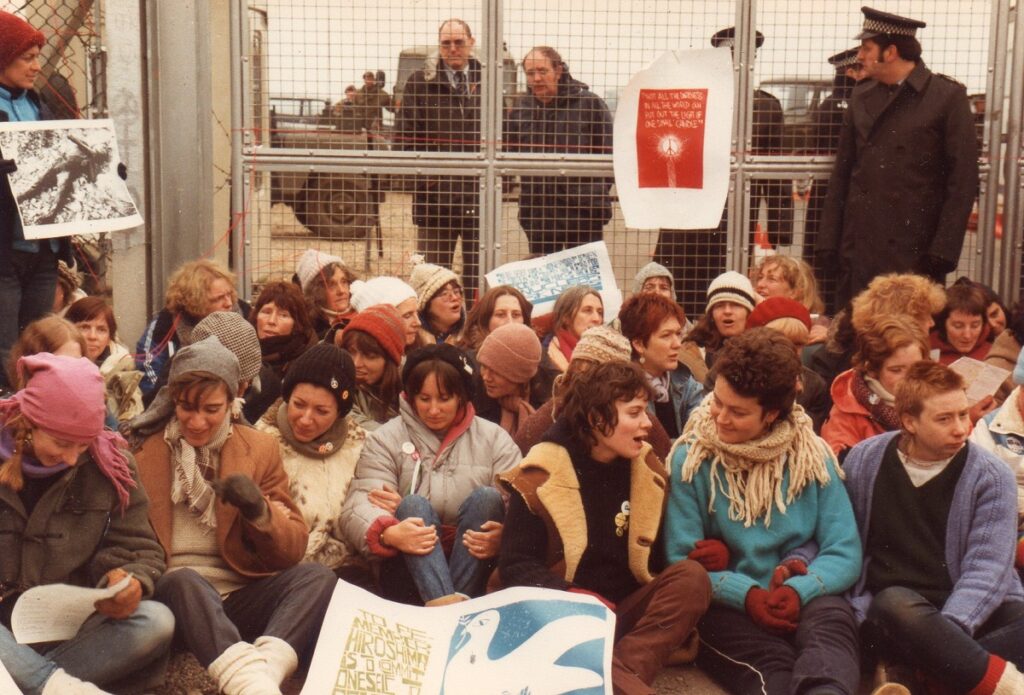
‘Community’ and ‘connection’ are words that crop up continually in the film – the latter literally exemplified in the ‘Embrace the Base’ action that saw 30,000 people encircle the perimeter fence and link hands. Another recurrent word is ‘intersectional’: the protest may have centred on nuclear de-escalation and disarmament, but as Edwards and those who feature in the documentary note, the camp was a hotbed of discussion of other interrelated issues – patriarchy, capitalism, environmental destruction.
Greenham’s consequences went beyond succeeding in its initial objective. For the very first time, many women felt that they had a voice and were able to use it to make a difference and bring about genuine change. Returning home, they understood the value of protest but also of activism in the everyday – of involvement in community initiatives striving against injustice and inequality and of simply changing their own day-to-day habits. It’s a lesson that Santi says that she has learned herself, from environmentalist Evie as well as the Greenham veterans. As Edwards puts it in Noisy Valley, “It’s about what ordinary people do. Because what we do is quite extraordinary.”
Furthermore, both the original protesters and Gentle, Angry Women’s young activists learned as much about themselves as about the world. Poppy emphasises to the Chapter audience that the recreated march created a “safe space” in which she felt comfortable simply being herself and expressing opinions. Edwards, who was able to come to terms with her sexuality in the company of the Greenham women, would no doubt wholeheartedly endorse that sentiment.
Such is the importance of the tale that Gentle, Angry Women tells, it deserves to be as widely publicised and viewed as possible – in homes and classrooms as well as independent cinemas. Santi, though, cites challenges: funding restrictions, schools failing to respond to emails, and the prohibitive costs of gaining and renewing licences for the use of archival footage.

The documentary’s significance is not merely as social and political history; its contemporary relevance is also critical. Amid tensions with Russia and the looming threat of nuclear escalation, there is a real danger of history repeating itself. For this reason, Santi says, it was important not to end on a high but to take Poppy, Xanthe and Evie from Greenham Common to the ongoing protest camp at nearby Aldermaston, where the former RAF site is heavily involved in the manufacture of nuclear weapons. The message is clear: there can be no resting on laurels. Victory may have been won at Greenham, but there remain battles to be fought. Gentle, Angry Women depicts – in the words of one veteran campaigner – the torch being passed from one generation of protesters to the next.
Gentle, Angry Women is screening at the Melville Centre, Abergavenny on Sun 28 June.
Info: here
words BEN WOOLHEAD
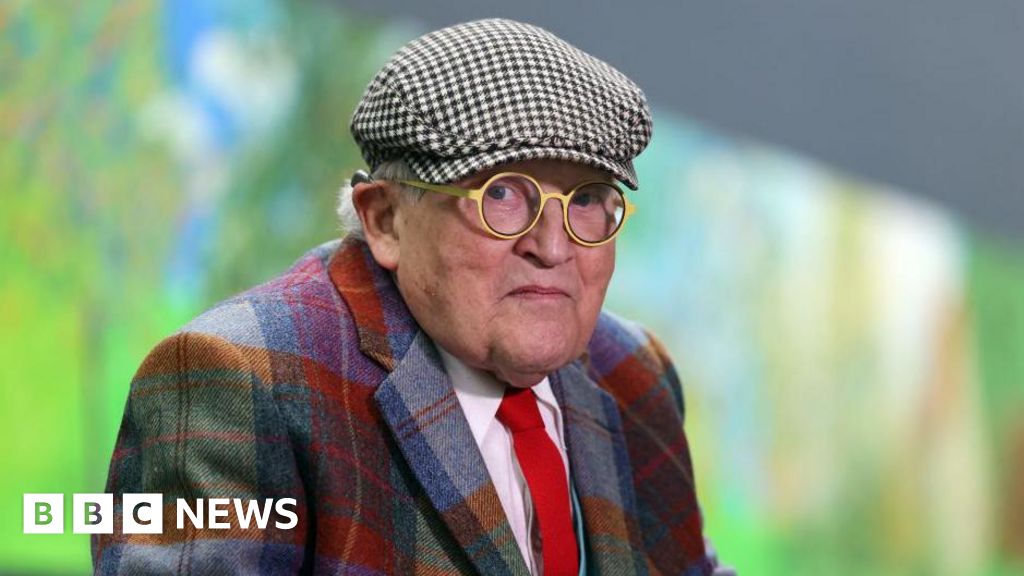
The artist, who passed away at his home in London earlier this month, requested just his partner and great-nephew attend.
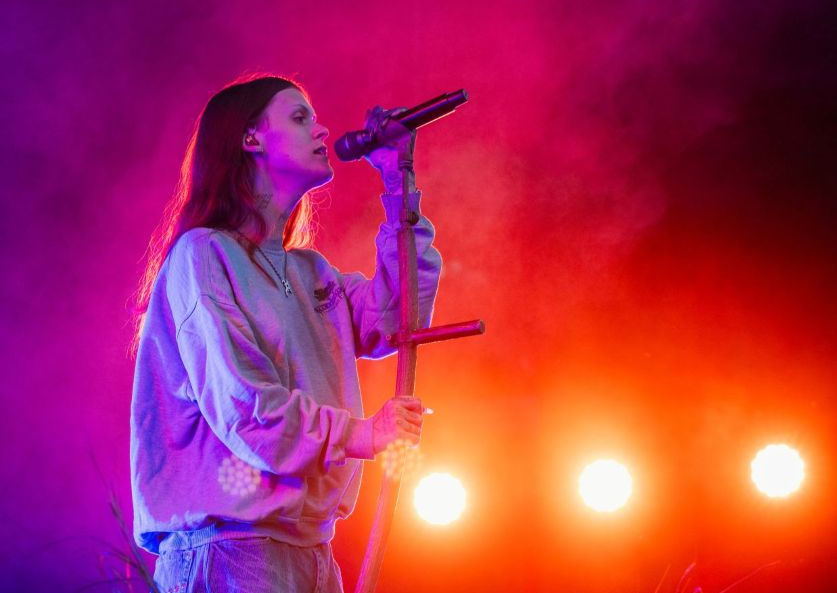
“This song is very slow,” says Ethel Cain, “and very sad and boring. It’s called Crush.” It’s not really any of those things, at least not relative to the other components of a 90-minute set which repeatedly and justifiably gazes into its own navel. It’s also the first song of a two-song encore, by which point it’s clear that the Floridian musician’s notably passionate fanbase have shown up and she can afford to be moderately arch.
I’d venture this was a wildcard booking in the now-annual Cardiff Castle summer programme. Cain, the artistic alias of Hayden Silas Anhedönia, exists in this strange and modern grey zone between cult appeal and actual mainstream stardom, with a musical approach to match. Her three albums to date, all featured this evening in varying quantities, wander (uniformly excellently) between Autotune-dusted alt-pop, Americana, shoegaze and forbidding experimental excursions. Willoughby Tucker, I’ll Always Love You, the latest of the trio, is being toured extensively, but Cain is perhaps not yet a proven draw in the UK; of her four dates here, this one is by some distance the largest, and the castle grounds are some distance from being full.
After the 90s Britpop-via-90s alt-rock of opening act Bar Italia is absorbed with polite patience, Cain and her four-piece band take the foliage-bedecked stage to a cinematic intro which is louder than most of the set. Sunday Morning and American Teenager are upbeat enough to chime with the still-prevalent sunshine, while if moody alt-folk number Janie has its swoonable qualities, its early placement may be a wilful test of the audience’s dedication. If so, they score a pass here, and it’s no surprise to see the front rows singing word-perfect whenever the big screen cameras find them.
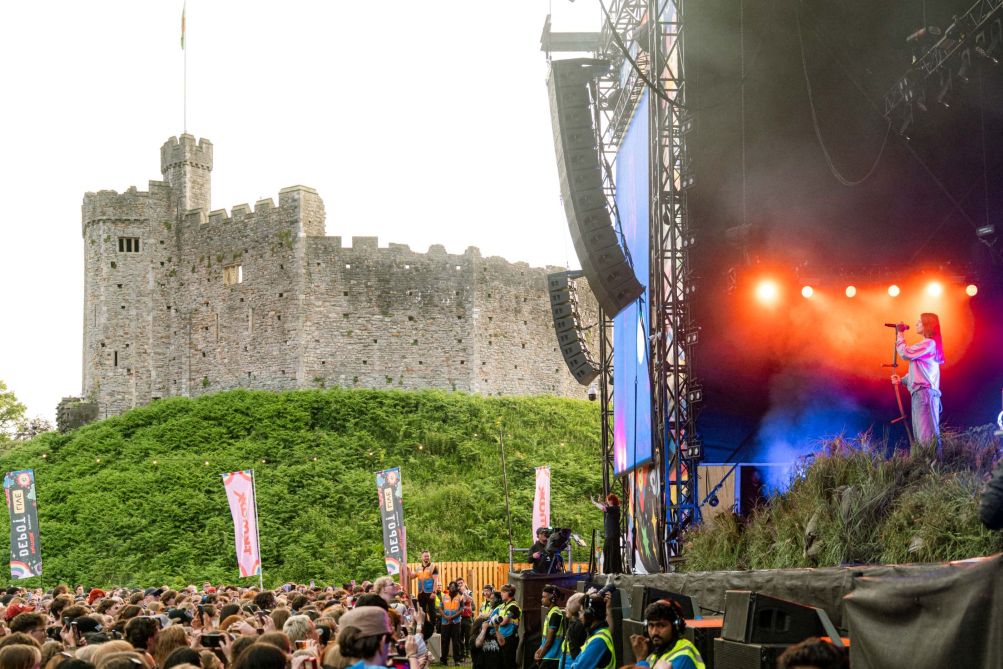
Songs such as Dust Bowl, on which Cain’s love of the slowcore subgenre is exercised, are only barely brushed up for big-gig consumption. A quasi-industrial drone section (Perverts, from the album of the same name) is a remarkable thing to experience in a setting like this, certainly if you’ve frittered enough of your life away watching similar-sounding acts playing to three dozen people in windowless rooms. Vacillator and the sludgy Ptolemaea, which follow, are no radio-friendly unit shifters either.
Collective attention is maintained across these stylistic cycles (hardly anyone is drinking, which is great for keeping idle chatter at a minimum) but there are certain moments the Ethel Cain ultras really raise their voice for. Swelling country-folk number Nettles is dispatched early on, but the emotionally fraught Tempest and A House In Nebraska – AOR guitar solo and all – lean into their climactic airs. The evening’s sign-off, Sun Bleached Flies, prompts a sea of raised-arms swaying which feels a little unsuited to the tenor of the song.
This was an odd evening in certain ways, but almost entirely in a good way. Ethel Cain has only had a public profile to speak of for about five years, and so must be learning on the job as well as operating in arenas (literal or otherwise) which are an unconventional fit for much of what she does. To that end, her success is a small beacon of hope, and can hopefully be marshalled over time. At least as important in all this is the opportunity and validation it gives young kids to be visibly queer in a space dedicated to celebrating this for a few hours.
Ethel Cain + Bar Italia, Cardiff Castle, Cardiff, Fri 19 June
words NOEL GARDNER photos DEPOT LIVE
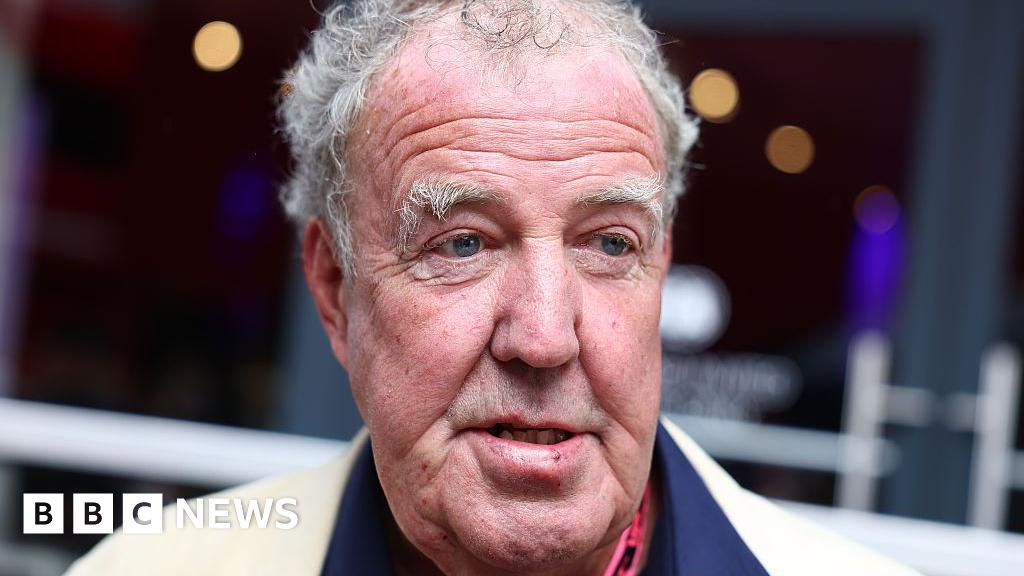
The presenter shared his “aggressive” cancer diagnosis on an episode of Clarkson’s Farm earlier this week.
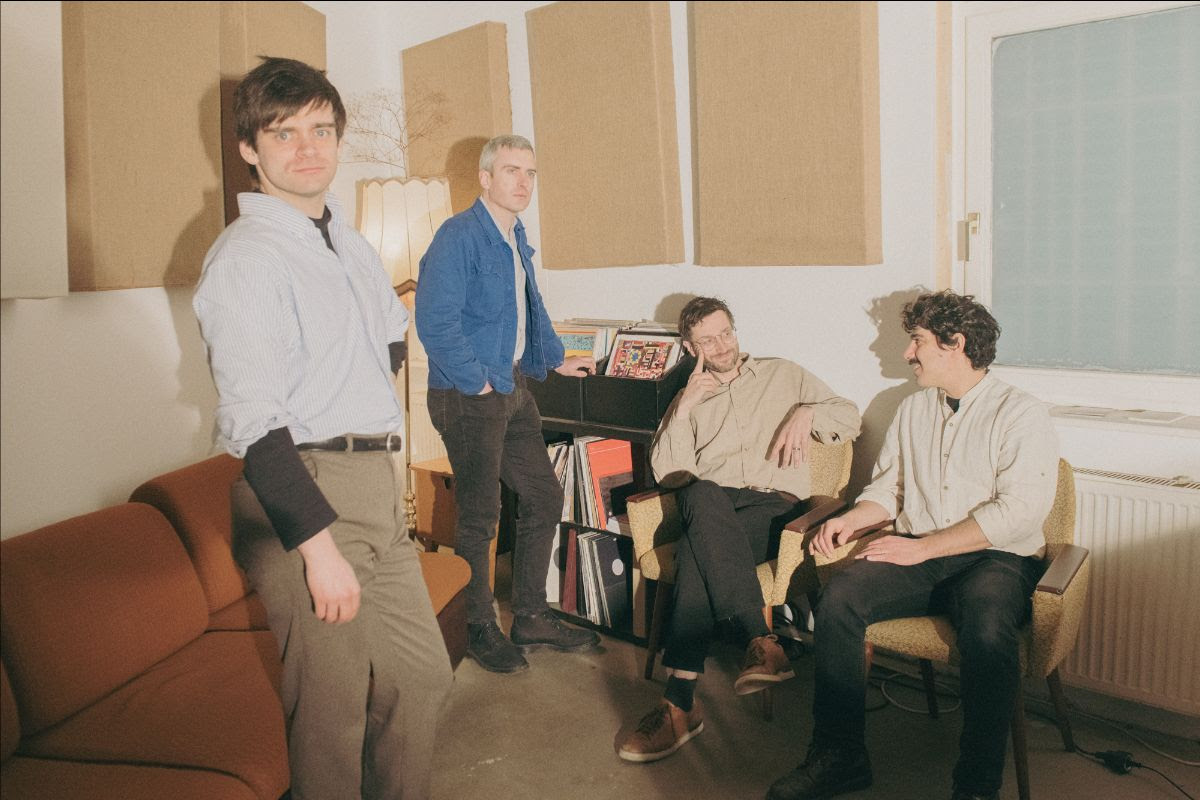
Demand To Be Taken To Heaven Alive! (RVNG Intl.)
Since assembling in Baltimore circa the early 2010s, experimental quartet Horse Lords have released six quote-unquote regular albums – Demand To Be Taken To Heaven Alive! being the sixth – and several other artefacts of substance, such as a 2025 album with avant-garde composer Arnold Dreyblatt. They pick apart conventional notions of the ‘guitar, bass, drums’ band setup so comprehensively that one almost feels crass describing them in those terms – it’s what you hear on this innovative, fluid, witty set, though, in cahoots with saxophonist Andrew Bernstein and vocalists Nina Guo and Evelyn Saylor, debuting in this hitherto instrumental combo.
With album and track titles proffering utopian and transcendental imagery, Horse Lords avoid the sort of musical modes you might associate with things of that nature (spacerock or spiritual jazz, say) but do succeed in sounding like they’ve beamed in from the future – one which uses its knowledge of part artforms to push things forward. Their Appalachian music influence, sometimes less than linearly expressed, is upfront on After The Last Sky, which rides a string band groove before Bernstein swoops in with a sumptuous sax section that sounds like he’s reimagining footwork rhythms for woodwind. Elsewhere, the members make keen use of the editing suite to reassemble their multifaceted arrangements into something yet more complex, closer to electronic music than rock as it’s generally defined.
words NOEL GARDNER

Damon Albarn, De La Soul and Moonchild Sannelly talk backstage as Gorillaz play their biggest show.
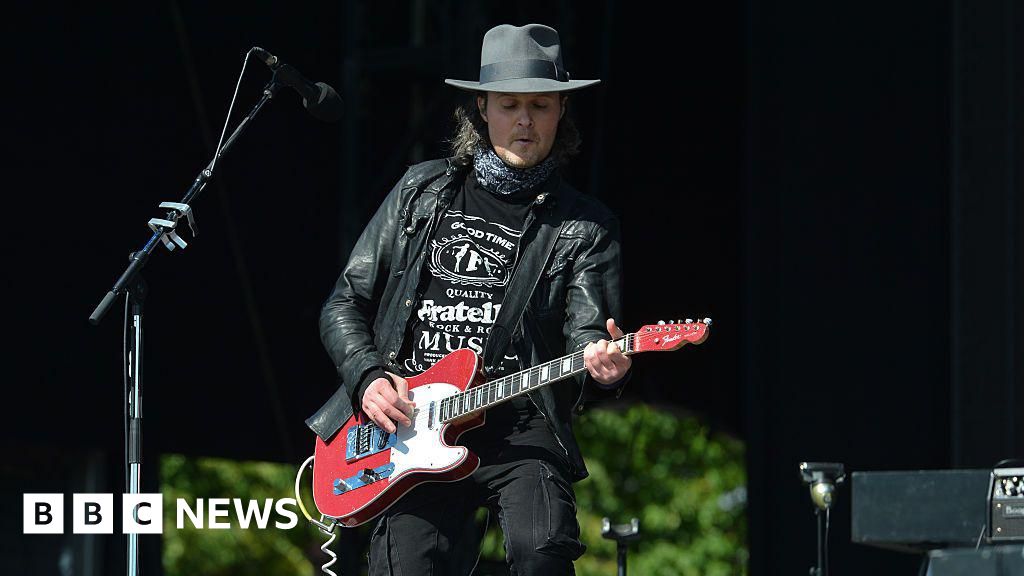
The festival’s first day saw torrential rain throughout the afternoon, but there was warm weather to start off Saturday.
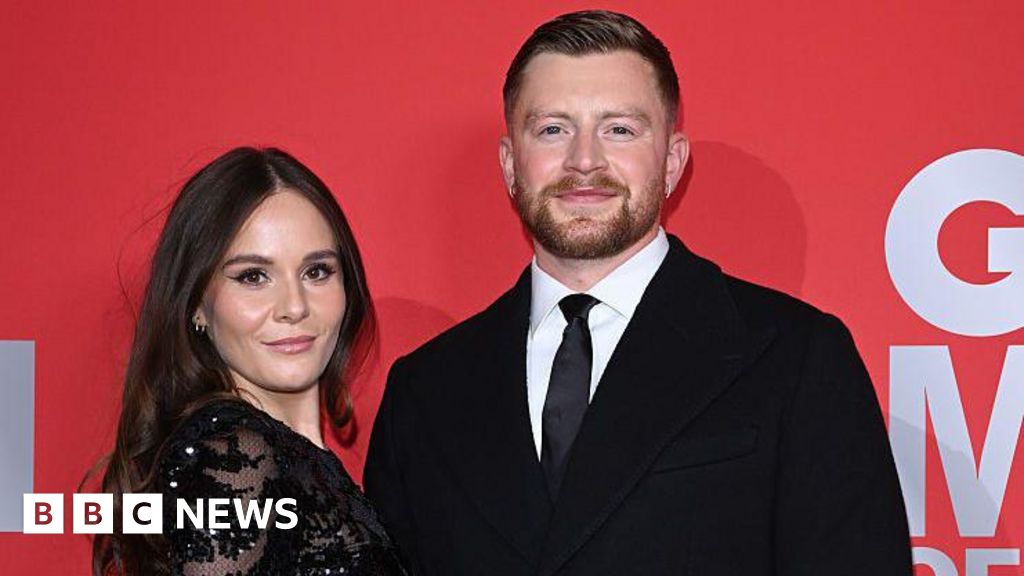
The news comes six months after Gordon Ramsay’s daughter and the Olympic champion married in a star-studded ceremony at Bath Abbey.
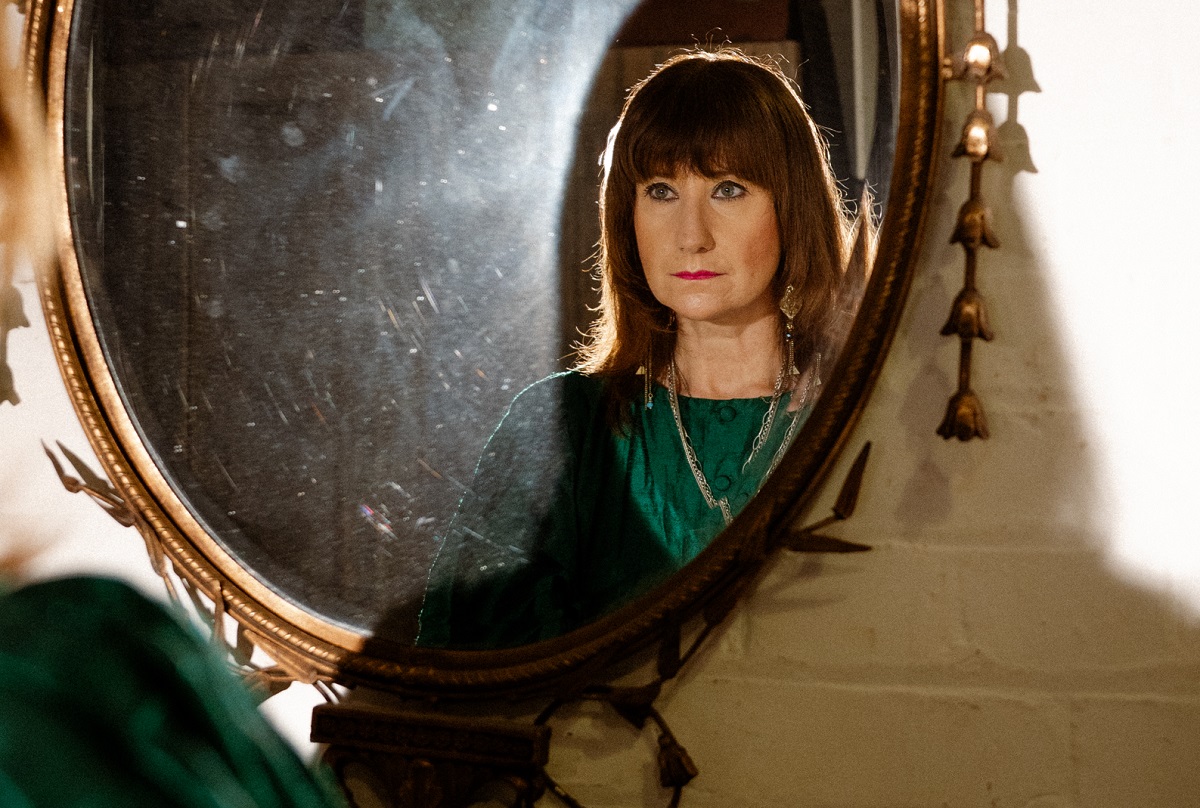
The Gods Laugh (Tak:til)
Alison Cotton has been quietly weaving her sonic spells in relative obscurity for a few years, but now – with folk horror flavour of the month in film and the likes of Lankum stripping folk music of its fusty, staid, twee trappings – it feels as though the witching hour has finally struck. Yet The Gods Laugh is also out of time, its roots reaching down into the dark, fertile mulch of tradition.
These mournful incantations – sometimes skeletal, sometimes cinematic – draw together harmonium drones, ethereal echo-chamber choirs, electronic swells and faint percussion like spectral fingers tapping on windowpanes. I Am sets a John Clare poem to music, its autumnal chill ceding to sharp viola feedback and foreboding minimal drums, while the moment during the metallic shimmer and haze of What Were Those Words You Spoke To Me? when a haunted music box comes to life is enough to send shivers up any spine.
The Gods Laugh is a portal to the spirit world, a door flung open to let in the night, a source of inspiration to screenwriters – and Cotton’s best record yet.
words BEN WOOLHEAD

