
Limp Bizkit and Guns N’ Roses were the other headliners at this year’s metal and rock extravaganza – we went along.
Limp Bizkit and Guns N’ Roses were the other headliners at this year’s metal and rock extravaganza – we went along.
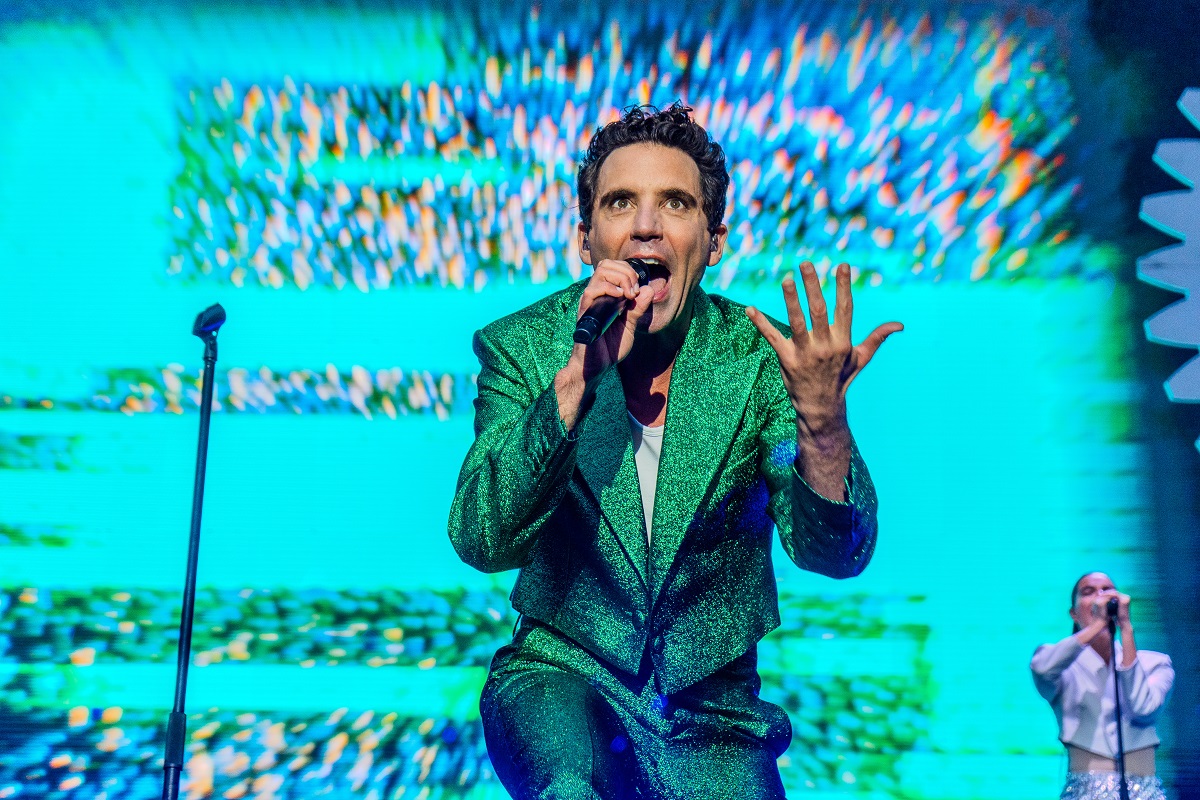
What are the signs that summer is arriving in Cardiff? Well, there’s the blue skies and warmth in the air, which are both missing this evening – but there’s also the unmistakable sound of live music coming from within the castle walls. In this instance, the closing strains of Gwenno’s Dancing With Volcanoes floating in the air.
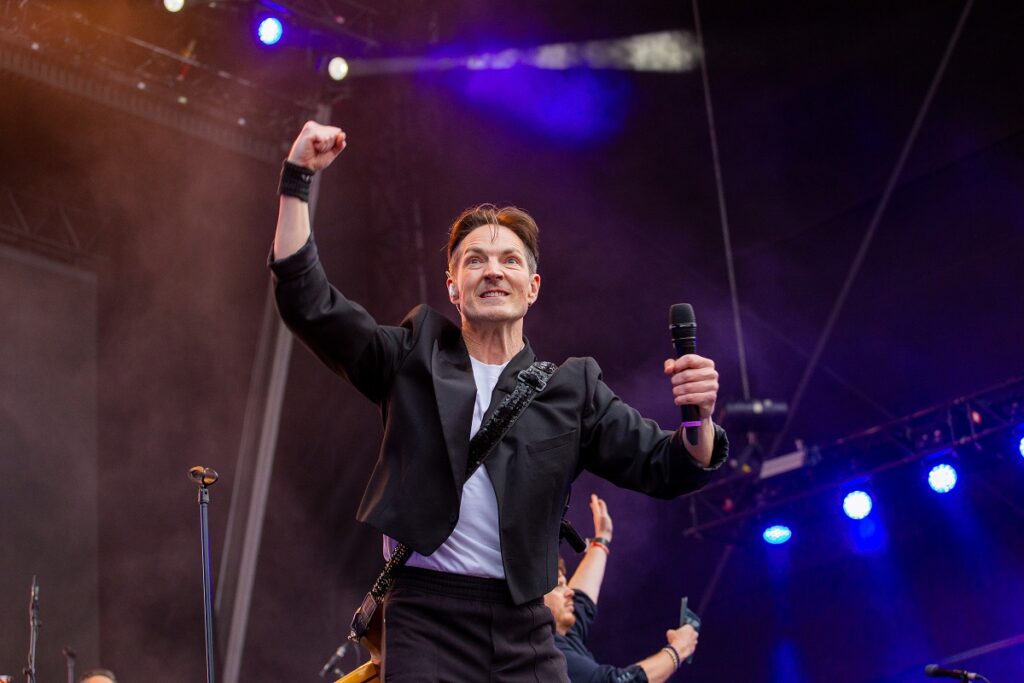
It’s Pride weekend, of course, and queer icon Mika is in town for the first time ever to kick off proceedings, with support from the aforementioned Gwenno and indie poppers The Feeling. The latter’s set is filled with bangers in the form of I Thought It Was Over, Never Be Lonely, Love It When You Call and a fair few more. Leaving the stage with a hearty shout of “protect the dolls” and “fuck Reform”, we’re suitably warmed up for what is coming next.
As the clock hits 9pm, a dramatic countdown fills the air with pulsing synths behind it as Mika’s band takes to the stage before the man himself appears in an excellent sparkling green suit with red trainers (wearing our colours, as he later comments) for Modern Times. “Tonight is super special to me,” he begins. “This is 20 years of waiting to say this… this is the first gig we’ve ever done in Wales. Noswaith dda Cardiff!”
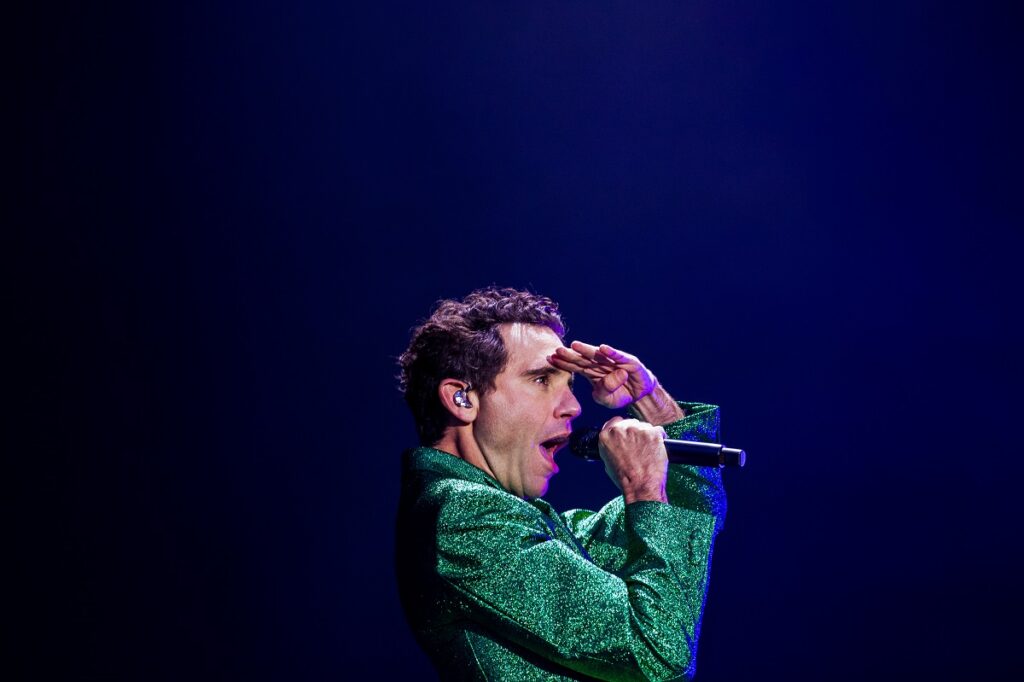
To say there is a multitude of bangers tonight would be an understatement. The likes of Relax (Take It Easy), We Are Golden, and Ice Cream are all excellent – as are the sheer amount of outfit changes, with the green suit giving way to a pink counterpart, then a yellow cowboy number embroidered with roses. There’s even a bit of a wardrobe malfunction when the most fabulous silver glittery suit trousers split during Lollipop – in due course, Mika will throw the remains into the crowd.
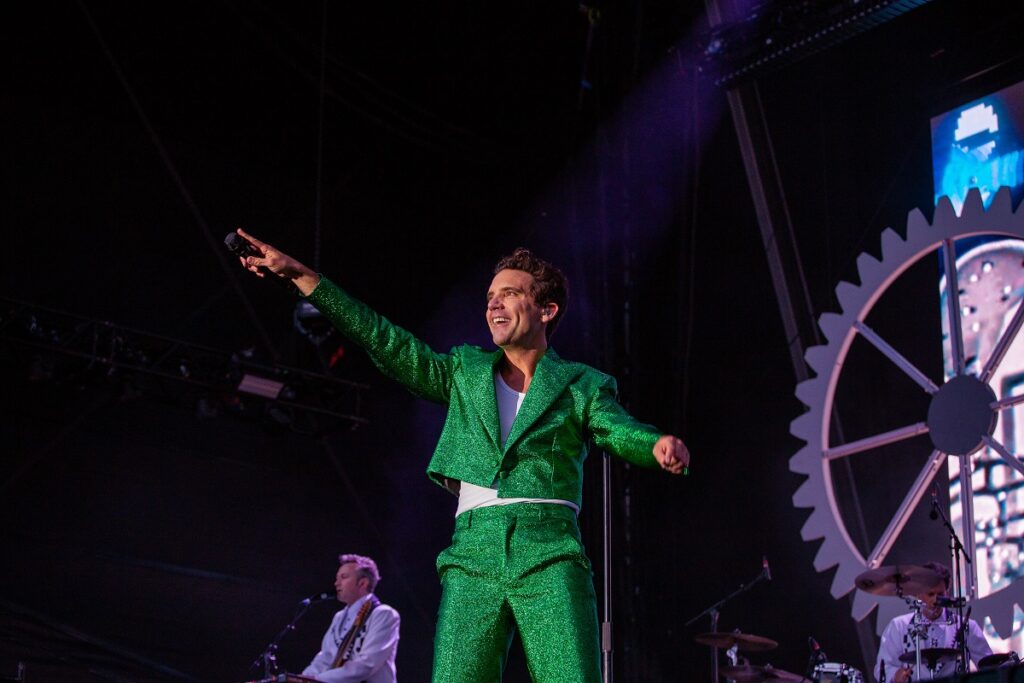
Big Girl (You Are Beautiful) sees him talking about acceptance and the now long-gone Butterfly Lounge in California, before dancing and singing through the crowd in a moment so joyful that it’s impossible not to get sucked in. Grace Kelly generates a ripple of happiness throughout the castle, before one more costume change for the end of the night with Love Today.
Mika, The Feeling + Gwenno, Cardiff Castle, Fri 12 June
words JOSHUA WILLIAMS photos ZACK KINGSTON-BUTLER
The New Zealand-born reporter was credited with having invented the doorstep interview technique.
The singer-songwriter is among six people presumed dead in air crash over Rio de Janeiro on Sunday.
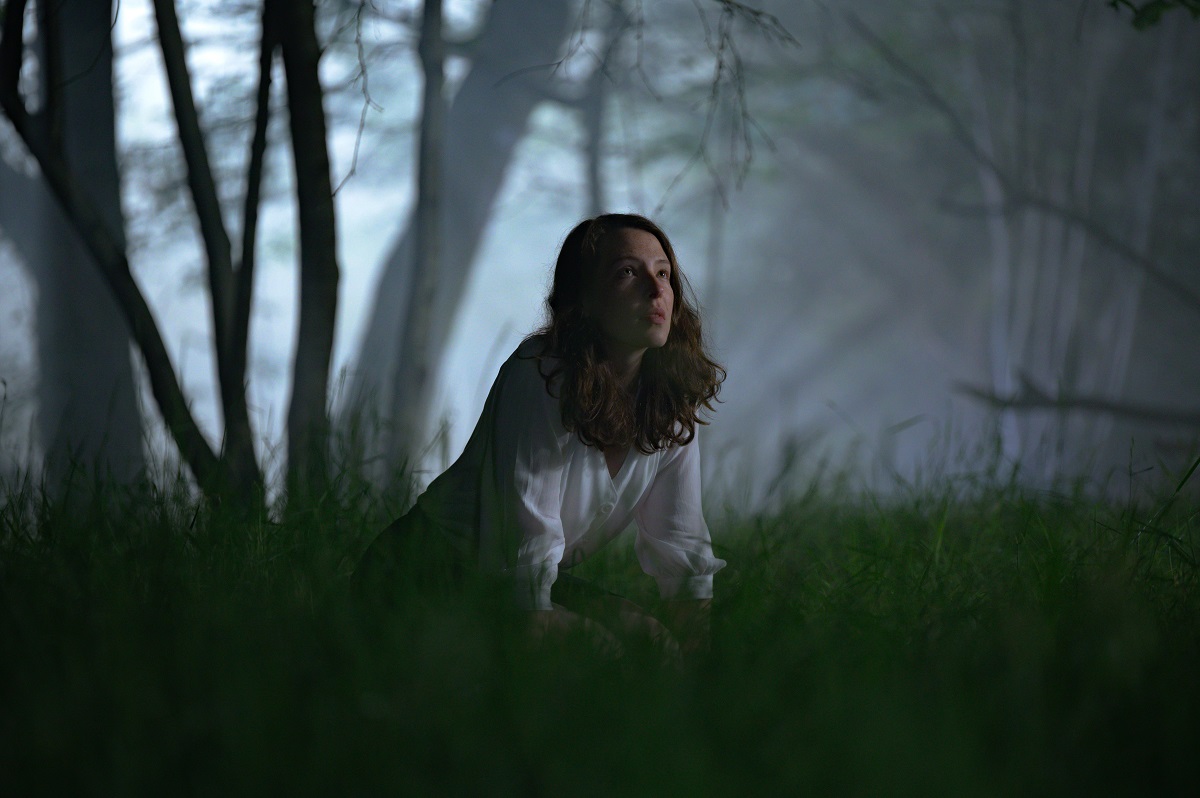
Nia Edwards-Behi, co-director of the Abertoir Horror Festival and programmer for the Wales One World Film Festival, writes for Buzz in collaboration with Film Hub Wales about the fluctuating history of Welsh-language cinema, concerns of a “cultural void”, and the hope that the release of Effi O Blaenau this month might spark an uptick.
Though there were pioneers of cinema working in Wales in the medium’s earliest days, it was 1935 before the first Welsh-language film was produced, namely Y Chwarelwr (directed by Ifan ab Owen Edwards). Over a decade later came the next, Yr Etifeddiaeth (John Roberts Williams, 1949), followed by Noson Lawen (G. Mark Lloyd, 1950).
Two decades later, some of the nation’s greats recognised the power of cinema in the fight for language rights and established the Welsh Film Board. Despite their heroic efforts in the 70s and 80s – which included producing cult films Gwaed Ar Y Sêr and O’r Daear Hen (Wil Aaron, 1975 & 1981) – there was little official support for their work. And almost a century after Y Chwarlewr, and filmed in the same area, comes Effi O Blaenau, directed by Marc Evans and adapted by Gary Owen from his stage play, Iphigenia In Splott.
The Welsh language has received relative prominence on the big screen recently, thanks in the main to Gwledd (2021) and Y Sŵn (2023), both collaborations between director Lee Haven Jones and writer Roger Williams. It’s unusual, however, that Effi reaches the big screen less than a year since another Welsh language film – namely Tanau’r Lloer (Chris Forster, 2025). The last time this happened, as far as I know, was a decade ago, with Yr Ymadawiad (Gareth Bryn) and Y Llyfrgell (Euros Lyn); before that, 2008. It’s veryrare to get to see more than one Welsh-language film in cinemas in a year – often, indeed, there’ll be none.
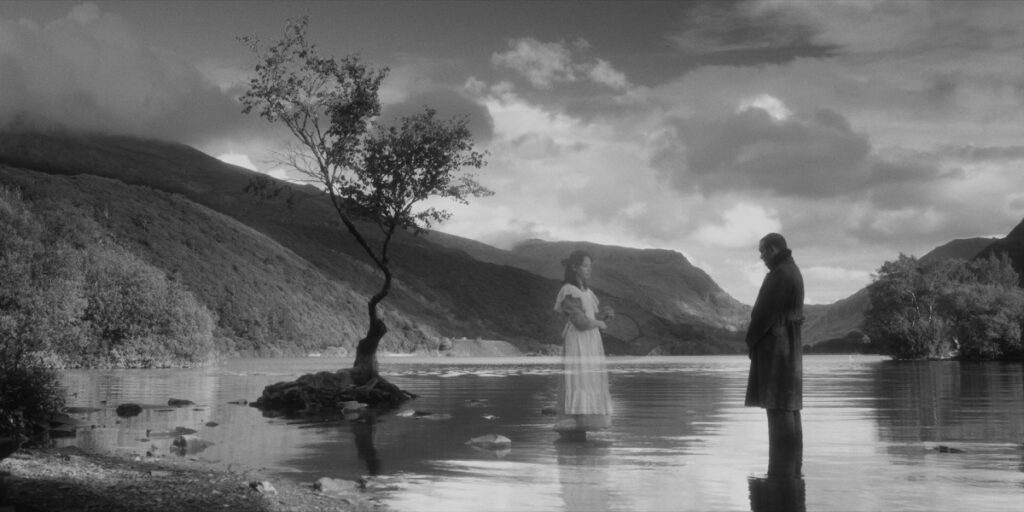
Since the arrival of S4C in the 1980s, and official recognition for Welsh-language rights, the last four decades have seen what feels like significant screen activity in Welsh. It’s fair to say that the small screen dominates in this regard, whether that’s television, computer or phone. We’re fortunate in Wales that so many independent cinemas are willing and able to hold special or one-off screenings, as this is often the only way to see Welsh-language films on the big screen. Rare are the Welsh language films that are widely released, by a ‘major’ distributor.
There is a loss to culture when its imagination cannot be seen on the big screen. For some, there might not be a difference between watching a film in the cinema and watching a series on one’s phone, but that’s a sad perspective. Being able to come together, to watch and listen to ourselves, in the sacred space of the cinema, is an experience that cannot be recreated elsewhere, no matter how good our home entertainment systems.
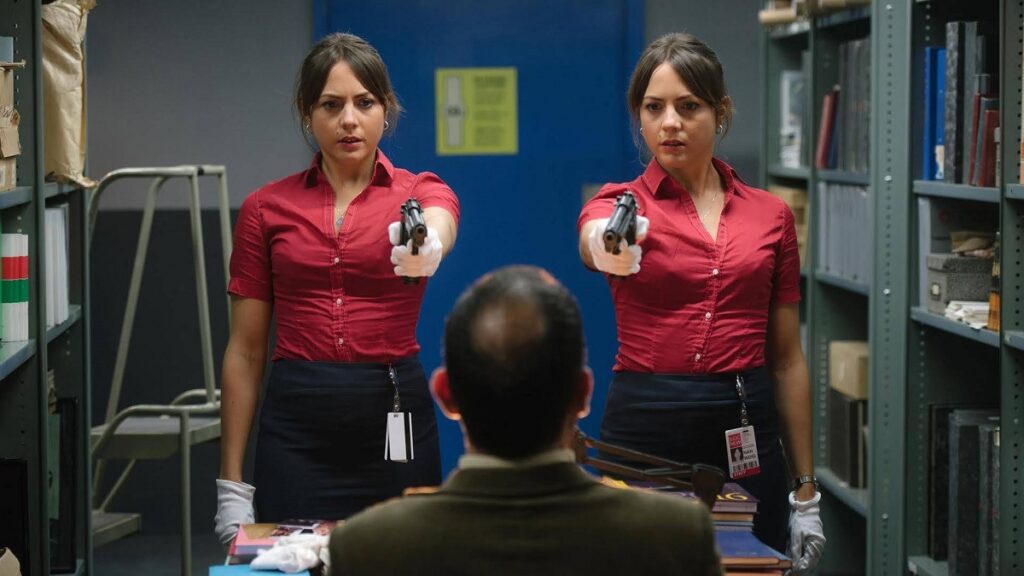
Without hearing the Welsh language – and all its accents and dialects – in the cinema, an idea grows that there is no such thing as a Welsh-language film, and that the cinema is not the place for its speakers. There is a cultural void, for us, and for the rest of the world.
I’m not from Blaenau Ffestiniog, but perhaps one of my favourite things about Effi – as well as its gripping story and brilliant performance by Leisa Gwenllian – was how familiar it felt. From the tunnels of the A55, to Victoria Dock, to nain watching Dechrau Canu, Dechrau Canmol, to every single Welshified swear word that comes from Effi’s mouth – the film, despite its tragedy (she’s based on a Greek heroine, after all), is comfortable.
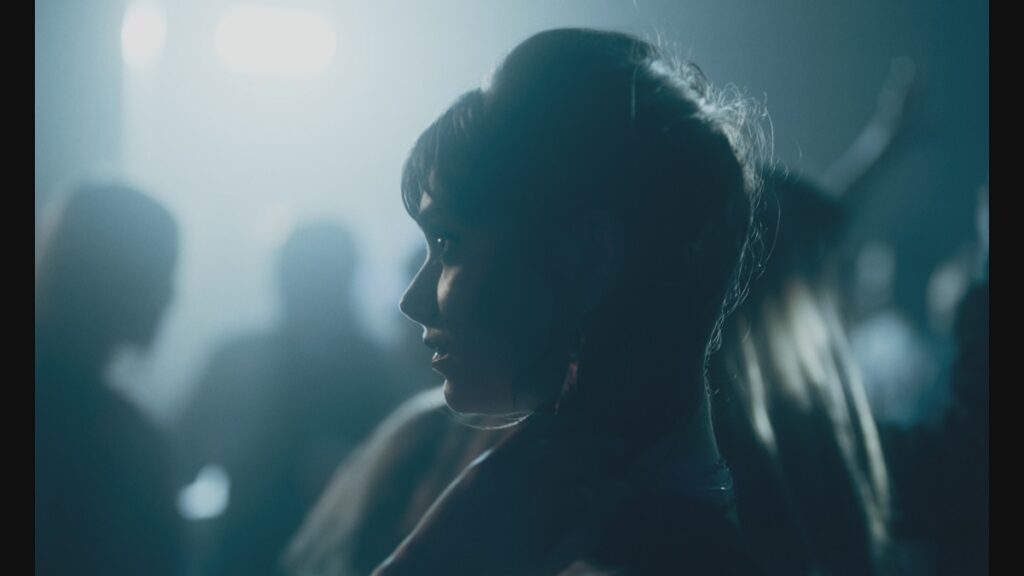
The sheer pleasure of recognising locations, characters, familiar vocabulary in a film is unparalleled. No matter how cynical one gets, the frisson of recognising a little something of ourselves in a film is important, and being able to do that in a cinema full of other people feels even more essential. It creates a temporary community, in the dark, allowing for cultivation, creation, and reinforcement of communities in the light of day.
Effi O Blaenau is released in cinemas on Fri 19 June; its Welsh premiere is at Cellb, Blaenau Ffestiniog, on Wed 17.
Info: here
This article was commissioned by Film Hub Wales as part of its Made In Wales project, which celebrates films with Welsh connections, thanks to funding from Creative Wales and the National Lottery via the BFI.
words NIA EDWARDS-BEHI
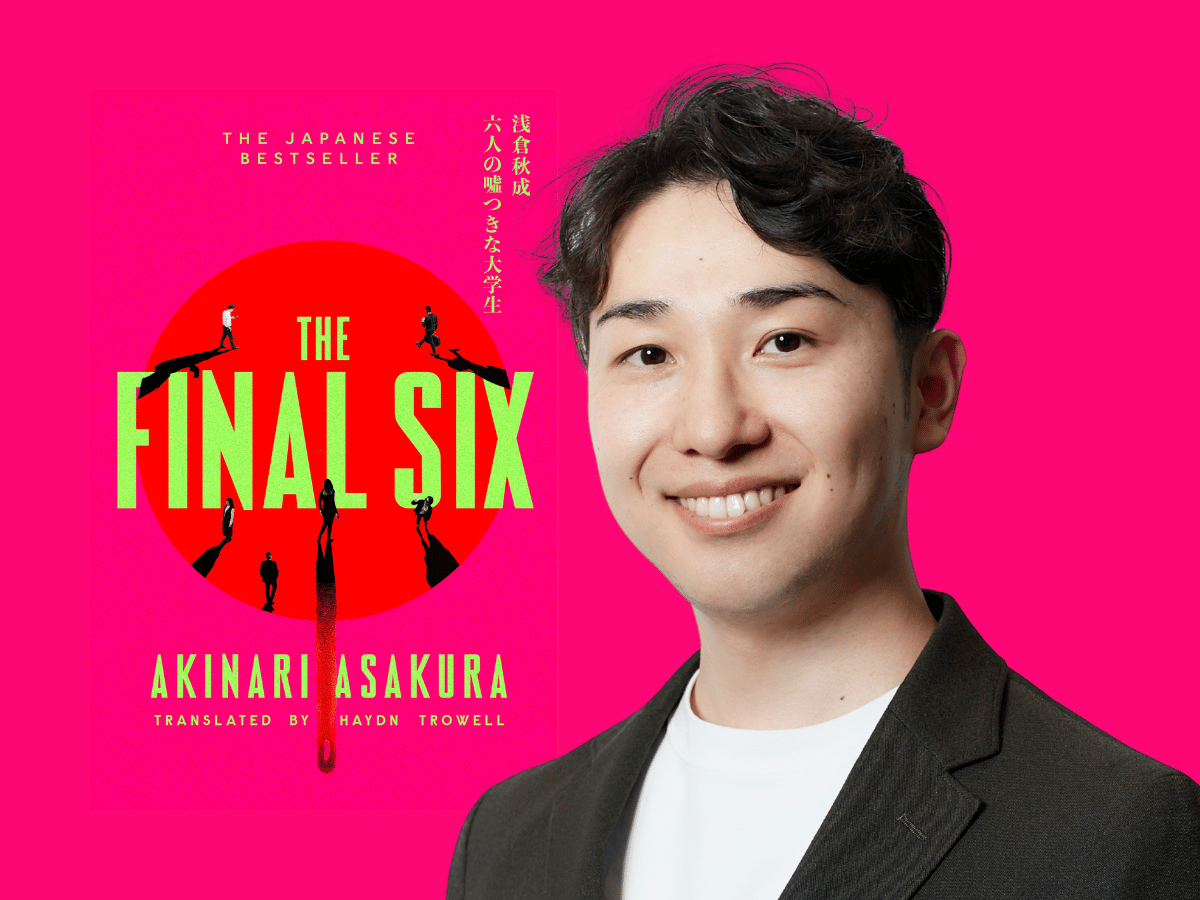
Turning the typical job interview process on its head, Akinari Asakura’s The Final Six is a suspenseful thriller. Most of us can relate to the wracked nerves and sweaty palms that come with being grilled by a potential employer, and when Shogo Hatano applies for a graduate position at one of Japan’s biggest tech companies, he’s thrilled to reach the final six.
However, there’s a catch: the candidates must reconvene in a month and decide between themselves who should get the role. As discussions commence, they notice six envelopes addressed to each candidate in the room – each one containing a damning secret that threatens to destroy the path they imagined would lead to the role of their dreams.
Narrated in two parts, the first dedicated to the plight of the candidates before the group vote, while the second investigates the unravelling. The characters are layered, and manage to invoke a multitude of reactions – anger, sympathy, sadness – showcasing the dark and the light of their behaviour.
Well-paced, engaging, and with a heightened tense atmosphere, The Final Six is a fascinating twist on the conventional psychological mystery and an impressive work of fiction in its own right. A bestseller in Asakura’s native country, and with Japanese fiction rising in popularity, I predict it will enjoy similar success in this part of the world.

The singer songwriter’s first collection is inspired by the experiences that shaped him before he was famous.
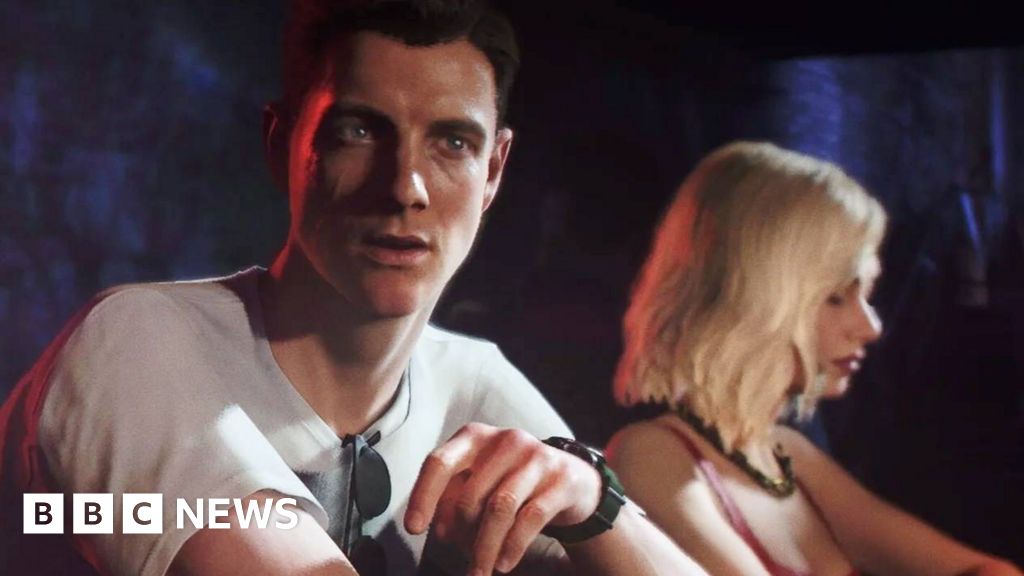
The BBC went behind the scenes as the score for the blockbuster James Bond video game was recorded.
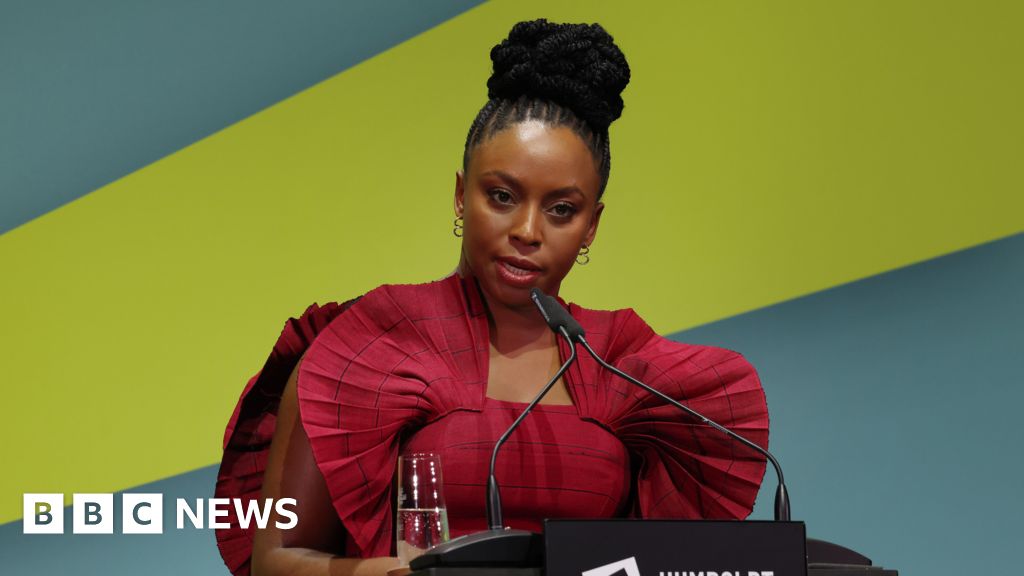
Chimamanda Ngozi Adichie’s 21-month old son died in a Lagos hospital, which she says is trying to stop an inquest into the circumstances of his death.
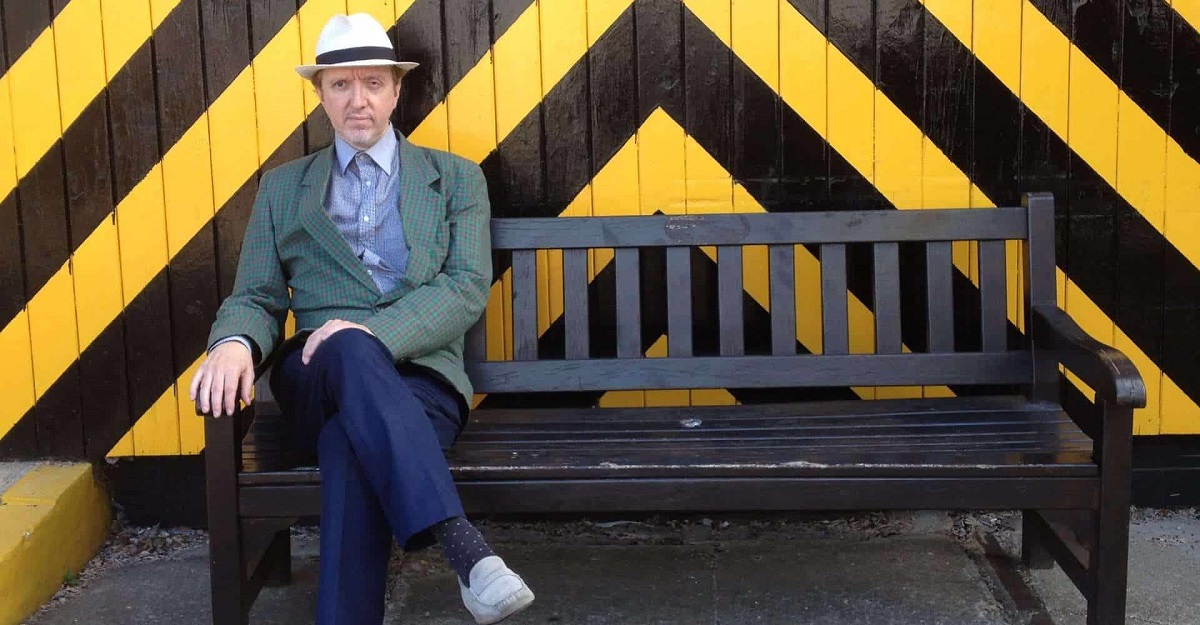
Orchestra Music, Volume Four (Toccata Classics)
Two new releases from the Toccata Classics label showcase the variety in their output. After hearing his Blaze Of Glory live in both 2023 and 2026, David Hackbridge Johnson is on another new Toccata album, this being the fourth of his orchestral music. His Piano Concerto No.3, After Bruno Schulz, was quite the surprise: with nods to the Polish writer, there is dab after dab of jazz, Stravinsky, cabaret and tinges of avant-garde flutterings. Ravel might just be a through line as well.
This concerto is fun and jaunty, though appears to be the last recording from the elastic pianist Jonathan Powell, who died at the end of last year; his playing has the mousetrap irony and jumpscares the piece insists upon. Also on the album is Johnson’s Symphony No.18, a pleasant English idyll. With many nods to landscape paintings of England, the musical palette is also of the land, with Britten and Vaughn Williams. The atmosphere of soothing brass at the start, after the spiralling strings, might be my favourite passage. Conducted by Johnson himself with the Moravian Philharmonic Orchestra, I doubt this could have been better conceived.
Volume Six: The Teacher And His Disciples
The Teacher And His Disciples, meanwhile, is a huge tonal shift, and a new discovery for me. Marc’Antonio Ingegneri (c. 1534/36-92) a once-forgotten composer of the Italian Renaissance, has gotten several outings with Toccata. This album would channel numerous pieces looking at Christ and his relationship with his disciples, all rather fittingly in twelve motets.
The Choir of Girton College, Cambridge have some really lovely singers and Gareth Wilson as director is equally as committed with these precious works, recorded for the first time. The Western Wyndes offer gentle ensemble touches on organ and brass, adding to the glory, and leader Jeremy West is another faithful captain on command. These are soft motets, very safe territory to those familiar with choral music of the era; while there’s a purity to it all, I wonder if it needed just a little more spice. My heart did admittedly skip a beat when track 13 crashed the web browser I was listening on. Scary!
words JAMES ELLIS
