The Vale of Glamorgan Council has received two new planning applications in Penarth, including proposals for improved hotel spa facilities.

The Vale of Glamorgan Council has received two new planning applications in Penarth, including proposals for improved hotel spa facilities.

Hitting 50 is one of life’s biggest milestones – and Kelly Clarke decided to celebrate by having IVF to become a first time mother.
Now aged 55, she says that using a donor egg and sperm to welcome a little girl, who she named Lyla Rae, is one of the best decisions she ever made.
She said: ‘Even though UK doctors called me geriatric, I had no medical problems at all.
‘I was at my peak fitness when I conceived and I had the most amazing pregnancy, feeling her inside me was my dream come true.’
Ms Clarke, who lives in Crawley, Sussex, decided it was time to explore motherhood after enjoying a 23-year career working as an air stewardess and then holding senior positions at Gatwick Airport.
After being made redundant during the pandemic, she was forced to turn to universal credit before retraining as a swim teacher.
In 2020, she travelled to Athens to undergo IVF, spending just under £3,000 including flights and accommodation.
She chose to use an anonymous sperm donor so that she wouldn’t have to co-parent and could bring Lyla up exactly how she wanted to.
Kelly Clarke with her daughter Lyla Rae, who was born in March 2021 following Greek IVF
Lyla, now five, was born in March 2021 weighing 7lbs 8oz.
She said: ‘I conceived with a donor egg and donor sperm as the clinician said it was too risky to use my eggs and the official recommendation was a donor.
‘I trusted the experts completely.
‘She is not my egg but she is mine, I grew her and without me she wouldn’t be here.’
Since becoming a mum, Ms Clarke has encountered some struggles, particularly as a single mum, but feels being older helped her overcome the challenges.
‘I don’t think I would have done as well as I am now if I was a younger mum, it would have been different and I would have made it work, but I wouldn’t have been able to do as much,’ she said.
‘For me at this point of my life, I don’t look at her and think “I need a babysitter so that I can go out and do things”.
‘I’ve done the partying, I’ve done the flying, I’ve travelled, I’ve swam with sharks, I’ve done so much and I can show her all the pictures.

Ms Clarke after welcoming her much longed-for baby
‘Now I can share the experiences with Lyla and I’m not looking at her wishing her life away just so I can get mine back.
‘My life is being a mummy and I’m living my best life.’
What has helped Ms Clarke is that she managed to pay off her mortgage in full just before Lyla’s first birthday, leaving her salary from working as a teaching assistant at Lyla’s school to be spent solely on family life.
She said: ‘When I became a mum I needed a good set up, so I went and sorted the good set up myself.
‘I want to spend as much time as possible with Lyla Rae, I don’t want other people picking her up or dropping her off because that’s my job, so I went out to find something that fits around our schedule.
‘Lyla is amazing, I am so lucky. She is in reception at school and reads and writes so well, she knows my phone number, she is polite and kind.
‘She is so chatty and a proper storyteller, just like me.’
Ms Clarke is sharing her story days after a new study linked lower rates of IVF success in older women with womb-related ageing.
Researchers at IVIRMA Global Research Alliance, an assisted reproduction institute in Italy, have found that older women have a lower chance of successful fertility treatment even when using eggs donated by younger women – with success rates falling sharply from around the age of 49.

She recommends becoming a mother later in life to all her friends
The findings challenge the widespread belief that donor eggs can effectively ‘reset’ a woman’s reproductive clock. Researchers suggest that age-related changes to the womb lining may make it more difficult for an embryo to implant and develop successfully.
The study, involving 1,774 women, identified the age of 49 as a potential tipping point, after which the risks associated with treatment may begin to outweigh the benefits despite the use of young donor eggs.
Compared with women aged between 35 and 40, those over 49 were significantly less likely to have a live birth and had more than twice the odds of suffering a miscarriage.
The findings come as increasing numbers of women undergo fertility treatment later in life. Figures from the Human Fertilisation and Embryology Authority, the UK’s fertility regulator, show that the number of women in their fifties having IVF with donor eggs has risen by 67 per cent over the past decade.
Ms Clarke is happy to encourage other women to look into becoming mothers later in life.
‘I’ve spoken to a few friends who were umming and ahhing about it and I would 100 per cent recommend doing it,’ she said.
‘You’ll regret not doing it as once that baby is here, the love is worth everything and you’ll think thank goodness I did it.
‘I couldn’t recommend it enough to anyone who was thinking about having a kid – just do it.
‘At the end of the day you’re as old as you feel.’
Experts often highlight that older mothers face increased risks – as do their unborn children, who are more likely to have genetic conditions.
But Ms Clarke claims she experienced minimal side effects.
‘All I suffered from were migraines but I already suffered from them and I couldn’t take my normal medicine,’ she said.
‘The only cravings were strawberries and pineapple and the only thing that got fat were my ankles.’

The changes also see the departure of long-serving presenter Norman MacLeod, after almost 40 years with the company.
In a statement he said: “I’ve had an incredible career at STV, working alongside some truly wonderful colleagues who have made it so special.
“I’ll miss the team enormously, but the time feels right to embark on a new adventure.”
The exact format which will be broadcast from Monday is being kept under wraps. It is understood the distinct content for the north will include some regional news plus sport and a separate weather forecast.
The part of the programme which will be shown in both areas is likely to include major stories from the north.
One source at STV said: “It’ll be something of a soft launch. The branding won’t change. Some familiar faces including presenter Andrea Brymer will still be there. Hopefully viewers will feel reassured that is still the service they know and trust.
“Critics who claimed major stories in the north like severe weather, high court cases or big council rows won’t be covered are simply wrong. But there will be fewer purely local stories.”
The changes have led to 30 job losses and a one-day strike but in the end there were no compulsory redundancies.

By the time people reach midlife, many have the wisdom they lacked in their 20s, a clearer sense of where their life is headed and fewer concerns about what others think.
But this stage of life also brings a wave of changes that can make it feel as though you’re starting all over again.
Aside from the dreaded ‘midlife crisis’, hormonal shifts such as menopause and a slowing metabolism can make it easier to gain weight, particularly around the midriff, leaving many feeling as though their bodies are working against them.
Amid these changes, many forget that midlife – officially defined as between the ages of 40 and 65 – can also bring a serious problem: an increased risk of heart disease, an umbrella term for a range of conditions that affect the blood-pumping organ and the arteries leading into it.
As a result of natural ageing and lifestyle factors – obesity and overweight rates tend to surge at this age in the UK – blood vessels tend to become less flexible, and blood pressure and cholesterol rise, both of which are triggers for heart disease.
But according to Dr Oliver Guttmann, a consultant cardiologist at the private HCA Wellington Hospital in London, a number of seemingly harmless everyday habits – from choosing seemingly healthier ‘fat-free’ foods to the time you go to bed – could also be quietly increasing the risk of heart disease.
He told the Daily Mail: ‘I don’t think most people in their 40s and 50s are thinking about heart disease at all. They’re too busy – juggling work, kids, sometimes ageing parents too – and heart health just isn’t on the radar until something actually happens. They thought this was a problem for later in life, for when they’re older.’
We asked Dr Guttmann for his expert opinion on the simple lifestyle changes people in midlife can make to reduce their risk of heart disease, which claims the lives of around 170,000 Britons every year.
Dr Oliver Guttmann says a number of seemingly harmless everyday habits could be quietly increasing the risk of heart disease
Many people in midlife have reached senior positions at work, with longer hours and packed schedules often pushing dinner later into the evening.
But according to Dr Guttmann, eating too close to bedtime could be problematic.
He said: ‘Eating close to bedtime forces the body to manage a large metabolic load – digestion, insulin response – right when it should be winding down.
‘This is linked to poorer nutrient metabolism, disrupted sleep, and over time, higher risk of weight gain and metabolic syndrome, both of which feed into heart disease risk.’
Research has consistently linked late-night eating with a greater risk of obesity, which raises the risk of serious complications including type 2 diabetes and heart disease.
Over time, excess weight can damage the arteries, allowing fatty deposits to build up.
If these block the arteries supplying the heart, they can trigger a heart attack. If they affect blood vessels supplying the brain, they can also increase the risk of stroke and vascular dementia.
A study in 2022 by Harvard Medical School found that overweight or obese adults who ate the same meals around four hours later in the day felt hungrier and burned fewer calories, suggesting meal timing may play a role in weight gain and, ultimately, heart health.
Walking through supermarket aisles, it can be tempting – particularly for those looking to shed weight – to reach for foods labelled ‘fat free’.
From yoghurts and cheeses to popular condiments, there is no shortage of products marketed as the healthier choice.
Dr Guttmann, however, advises looking beyond the front of the packet, warning that removing fat often means products may contain additives that may also be harmful to health.
He said: ‘When fat is stripped out, manufacturers often add sugar, salt, or thickeners to compensate for lost taste and texture.
‘So a ‘fat-free’ label can mask a product that’s actually worse for cardiovascular health than the full-fat version, particularly where refined sugar is the substitute.’
Many fat-free products contain these added sugars and extra salt, which can increase the risk of heart disease and weight gain.
Some also contain thickeners and stabilisers, such as xanthan gum, to improve texture.
While these are generally considered safe by food regulators, some people report digestive side effects such as inflammation, bloating or diarrhoea when consuming large amounts.

Heart disease – the umbrella term for a range of conditions that affect the heart – kills around 170,000 people every year in Britain
It’s not just fat-free products that deserve a closer look, says Dr Guttmann.
Many foods that appear healthy at first glance can contain surprisingly high amounts of salt, potentially increasing the risk of high blood pressure.
High blood pressure is the leading preventable cause of stroke, and Britain’s fourth biggest killer per year.
He said: ‘Many products marketed as healthy – flavoured yoghurts, soups, sauces, even bread – carry surprisingly high salt content used to enhance flavour or preserve shelf life.
‘People are far more salt-aware when eating crisps or ready meals than when reaching for something branded as nutritious, which is exactly what makes hidden salt so dangerous – it’s consumed without suspicion.
‘This can contribute to high blood pressure and increase the risk of heart disease and strokes.’
Dr Guttmann’s warning is backed up by national data showing that much of the salt in the average British diet is hidden in everyday foods rather than added at the table.
Public Health England estimates that around three-fifths of the salt Britons consume has already been added to processed foods, while just 15 to 20 per cent comes from salt added during cooking or at the table.
It’s not just avoiding late-night meals that matters – keeping a regular bedtime could also help protect your heart.
A 2024 study led by researchers at the University of Ottawa, which analysed data from more than 72,000 UK adults, found that people with irregular bedtimes and wake-up times were 26 per cent more likely to suffer a heart attack or stroke than those who kept a consistent sleep schedule, even if they got the recommended amount of sleep.
Dr Guttmann said: ‘Irregular sleep patterns disrupt the body’s circadian rhythm, which plays a key role in regulating blood pressure and cortisol – the body’s main stress hormone.
‘Going to bed at wildly different times each night keeps the cardiovascular system in a state of flux rather than allowing it to settle into its natural nocturnal dip in blood pressure.
‘Over years, this can contribute to sustained hypertension (high blood pressure), which is one of the biggest drivers of heart disease.’
With more people working from home since the Covid pandemic and spending hours at a desk, many Britons are moving less than ever before.
But experts have consistently warned that prolonged periods of sitting can increase the risk of developing serious heart problems, even among those who exercise regularly.
Worryingly, just one in three adults in the UK achieves at least 30 minutes of physical activity a day, while around 20 million fail to meet the recommended minimum of at least 150 minutes of moderate exercise each week.
And Dr Guttmann warns that prolonged periods without physical activity could be a growing driver of heart disease.
He explained: ‘Sitting for long stretches slows circulation, reduces insulin sensitivity, and is independently associated with higher cardiovascular risk – even in people who exercise regularly.
‘It’s not just about calories; prolonged stillness affects vascular function in ways a single workout doesn’t fully offset.’
The good news is that even small bursts of movement can help, as a study published last month in the British Journal of Sports Medicine found that taking five-minute walking breaks throughout the working day can improve health.

Health officials in the Southwestern US are on high alert amid a surge of a life-threatening mosquito-borne illness.
Mosquitoes in at least 13 cities in Orange County, California – just south of Los Angeles – have tested positive for West Nile virus, according to the Orange County Mosquito and Vector Control District.
The county’s latest surveillance data shows 38 positive mosquito samples, with the largest concentration of 15 samples in Fullerton.
There have also been seven positive samples in Buena Park, three in Anaheim, three in Santa Ana and two in Huntington Beach.
Brea, Costa Mesa, Cypress, Garden Grove, Newport Beach, Seal Beach, Stanton and Westminster have each reported one positive sample.
Additionally, Ventura County – northwest of Los Angeles – reported its first mosquito samples that were positive for West Nile virus. In northern California, Yolo and Sacramento counties have also found West Nile positive mosquitoes.
California has, however, only reported one human case of West Nile virus so far this year, in Los Angeles County. But in neighboring Arizona, there have been 35 human cases so far, 29 of which were in Maricopa County, which includes Phoenix.
California’s Orange County Mosquito and Vector Control District has said it will implement mosquito control treatments in a 4.5-square-mile area of Fullerton from July 9 through July 11 between 1am and 5am.
West Nile virus is caused by a bite from Culex mosquitoes (pictured above) and is most common in Great Plains states
‘We only treat when there is an abundance of mosquitoes and the presence of disease,’ district officials told KTLA. ‘Then that triggers us to go out with our trucks and knock down the adults [mosquitoes].’
One Fullerton resident told the outlet that the mosquitoes in the area have ‘been getting pretty bad.’
Hi, I’m Emma Bardwell, a nutritionist with more than 15 years’ experience helping people improve their health and lose weight.

I’ve been there. I was overweight, unhappy with my skin and stuck in a rut. Then I changed the way I eat. You can now do the same with my tried-and-tested healthy eating plan. And for DailyMail+ subscribers, it’s completely free.
Click here to sign up and start your journey
‘I don’t go out anymore because you go out and then just mosquitoes, like, right in your face,’ they added.
The Sacramento-Yolo Mosquito and Vector Control District said in a press release it will continue to monitor the virus through ‘widespread mosquito trapping and testing’ according to the press release, and the department will also adapt ground treatments in virus-positive areas.
California has reported a total of 261 West Nile-positive mosquito samples in 2026, along with 133 in dead birds and one in a horse, according to the state’s case dashboard.
West Nile virus is caused by a bite from Culex mosquitoes and is most common in Great Plains states like North Dakota, South Dakota, Nebraska and Colorado, though cities like Los Angeles, Chicago and Dallas-Fort Worth also record high levels due to large populations.
Many of these states have also extended mosquito season – which runs from late spring through early fall – due to the increases in mosquito prevalence later in the year.
The disease usually causes no symptoms, but in one in five patients, it can lead to fever, headaches, nausea, diarrhea, joint pain and pain behind the eyes.
And one percent of cases are neuroinvasive, meaning the virus penetrates the blood-brain barrier and travels to the meninges, causing meningitis and potential paralysis.
CDC data shows 56 human cases of West Nile virus so far this year in 15 states, 44 of which were neuroinvasive. Last year there were a total of 2,100, up from 1,800 the year before.

Arizona has reported the most human cases of West Nile virus cases this year so far with 35, according to CDC data
It’s unclear how many of last year’s cases were neuroinvasive, but CDC data shows there were 1,342 hospitalizations for neuroinvasive disease.
There have been no deaths recorded this year and 172 last year.
Older adults, people with weakened immune systems, and those with certain chronic conditions face the highest risk of severe illness due to West Nile.
Even survivors of severe West Nile illness may experience long-lasting complications, including memory problems, chronic fatigue, muscle tremors, or permanent neurological damage.
West Nile virus can be prevented primarily by avoiding mosquito bites.
CDC officials recommend using insect repellents that contain the ingredient DEET, wearing long sleeves and pants outside and staying inside between dusk and dawn during the summer.

The hottest week in haute couture was accompanied by scorching temperatures as the biggest names in the world of fashion and celebrity descended on Paris for Couture Week.
Brands such as Schiaparelli, Balenciaga, Chanel and Dior showcased custom, handmade designs that take hundreds of hours to create.
Haute couture week, which happens twice a year, is so exclusive that you have to be invited to present a collection by the French fashion industry’s governing body.
Shows across the four-day period attracted star-studded attendees, including Bad Bunny, Hudson Williams, Sabrina Carpenter and Cardi B.

South West Wood Products Ltd has withdrawn its application to process wood at Berth 31 on Barry Docks, following a decision by the Vale of Glamorgan Council’s planning committee to refuse permission last September.
The facility had already faced criticism for operating without planning consent and spreading sawdust into nearby homes and businesses, including the Wimborne Road industrial site and residential streets in Barry town centre.
Town Councillor Dennis Clarke said: “The withdrawal of the applications for a permit, and for planning permission, is another success for the town in avoiding an unnecessarily polluting and dangerous development on the Docks.

“This comes after excellent work by the Fire and Safety Service, and Natural Resources Wales, who sent a 17-page demand for explanations to South West Wood Products Ltd.
“We still have concerns as to how this process developed, and are grateful to those members of the public who sent in objections that prevented the Vale Council from progressing their initial strong recommendations to grant permission.”
Concerns about limited consultation time over the Christmas period, new information from the applicant, and other deficiencies led to a deferral in January before the application was ultimately withdrawn in June.
The site remains usable as a dockside berth for the loading, sorting, and storage of shipped goods. However, the council has warned that enforcement action could follow should unlawful wood processing resume.

Vale of Glamorgan councillor Millie Collins, who represents Barry Docks and The Bendricks, said: “Despite assurances about dust mitigation from the site, there has never been a plausible other reason given for the amount of dust that local residents have seen on their cars and on the street.
“As we saw with the Incinerator, which has now been defeated, it is a challenge having an industrial area so close to housing in Barry.
“Berth 31 should continue to be used for its accepted use for loading and unloading shipped goods.”
The Barry Greens also welcomed the decision.
Local member Saar Lenaerts said: “The Barry Greens welcome the news that Berth 31 will no longer be used for wood processing.
“For many months, residents in Castleland and the Waterfront area have had to put up with wood dust settling on their cars, homes and neighbourhood.

“Local residents have repeatedly provided the council with photographic evidence showing the scale of the problem, demonstrating that this was not an isolated incident but an ongoing issue affecting the community.
“We recognise that the docks are an important industrial area. However, industrial activity must be managed responsibly, particularly when it takes place so close to established residential communities and areas earmarked for future housing.
“Everyone in Barry has the right to breathe clean air, regardless of their postcode.”

Anya described Leo as a ‘happy baby’ (Image: PA Real Life)
The parents of a 16-month-old boy who displayed common cold-like symptoms, including a runny nose, described it as their “worst nightmare” when they discovered he had suddenly passed away in his sleep. Anya Sousa, 41, a beauty therapist from Sheffield, described her son Leonardo, affectionately known as Leo, as a “very easy and happy baby”, while her husband Hugo Sousa, 45, a restaurant manager originally from Portugal, recalled that their son “always wanted to cuddle”.
In the days leading up to Leo’s death on January 1, 2024, Anya revealed that the entire family – including their daughter Sienna, now six – had been suffering from colds following a holiday in Portugal, leading her to attribute his low energy and lethargy to him feeling “under the weather “. Anya dropped Leo and Sienna off with her mother, Diane Middleton, cautioning her that they had all been “poorly”, though nothing appeared particularly concerning at the time.
Diane settled the children down to sleep as usual, but by 8am the following morning, Sienna approached her grandmother saying she could not “wake Leo up”. It was then that Anya’s mother discovered Leo “not breathing and cold”, prompting her to immediately contact the emergency services, who instructed her to carry out CPR.
Anya and Hugo were urgently contacted and, upon completing the 10-minute journey, found Leo already in the back of an ambulance. Hugo confessed they were “not prepared” to see their son had died, with Anya adding that their “whole world changed” from that moment onwards.
A full post-mortem examination in May 2024 revealed traces of Streptococcus A (Strep A) in Leo’s blood. According to the NHS, Strep A symptoms are most commonly mild – encompassing flu-like symptoms, a sore throat and a rash – but can occasionally develop into something far more serious.
Following Leo’s death, Anya and Hugo raised over £10,000 for the charity Sudden Unexplained Death in Childhood (SUDC UK) by completing a 50km Ultra Challenge Walk in the Peak District on July 4, 2026.

Hugo, Leo, Anya and Sienna (Image: PA Real Life)
Anya said: “The last thing you expect is to find your child dead in the morning. Now, usually my daughter’s awake before us, but on occasion, she’s still asleep in bed.
“The walk up to her bedroom is horrendous even today because you’re not going up to wake her up with kisses and cuddles, you’re going up to see if she’s still alive. No parents should have to do that.”
The couple described Anya’s pregnancy with Leo and his birth on August 15, 2022, as “absolutely fine” with “no issues or problems”. Anya recalled that Leo contracted a staph infection within a couple of months of being born, requiring antibiotics and triggering eczema that left his skin itchy and red, yet it “never bothered” her son and he remained a “happy baby” throughout.
In December 2023, the family embarked on a Christmas break to Portugal, returning just two days before New Year’s Eve. Upon coming home, Anya noted they were all exhausted and suffering from cold-like symptoms.
On New Year’s Eve, they visited the park and Anya observed Leo was “a bit quiet” before returning home. Hugo played hide-and-seek with Leo until departing for his 3pm shift as a restaurant manager.

Leo was found ‘not breathing and cold’ (Image: PA Real Life)
He recalled his final memory of his son: “He was just lying on the living room floor, playing. It was just like any other day.”
That evening, Anya said Leo was sick following dinner, though this wasn’t unusual when he was “so snotty”, so she provided him with some milk afterwards and he was “absolutely fine”.
Anya said: “Apart from a cold, he didn’t have a temperature, he had nothing.”
She brought Leo and Sienna to her mother’s as arranged, and confirmed that Diane would administer some paracetamol suspension for his symptoms before bedtime.
Anya described what unfolded next: “Sienna and Leo were sleeping in the same room, so Sienna had gone into my mum’s room and said, ‘I can’t wake Leo up’. So my mum went into the room and she found him not breathing and he was cold. Deep down, I think she knew that he was already dead, but she rang for an ambulance and they told her to give him CPR.”
When paramedics turned up, they assumed CPR duties and Diane contacted Anya and Hugo with the devastating news, though handed the phone to a paramedic, who explained Leo wasn’t breathing and they must come immediately. The parents reached the scene within 10 minutes to discover the road sealed off by police and an ambulance with Leo already inside.
Hugo said: “I didn’t know what to do, so I just froze.”
Anya recalled: “I remember being next to my son and I’ve never seen a dead body before, let alone my own child.”
Following a check on Diane, who Anya described as being in “complete shock”, officers escorted the parents to hospital, where they were permitted to see Leo once more. Hugo stated: “This was my worst nightmare.”
Anya explained: “They asked if I wanted to hold my baby and I did, but then I completely freaked out. And then I felt guilty that I couldn’t hold my own baby… it was just absolutely horrendous.”

Hugo said Leo ‘always wanted to cuddle’ (Image: PA Real Life)
Hugo revealed that informing their relatives left him “broken” as they were “screaming on the phone”. Within a week, Anya noted an initial post-mortem examination discovered that Leo showed no obvious life-ending indicators such as choking, suffocating or a heart problem.
Regarding the potential cause of death, Hugo commented: “They couldn’t see anything.”
Five months afterwards, in May 2024, a comprehensive coroner’s report identified Streptococcus A in Leo’s bloodstream.
Anya recounted a pathologist informing her: “He should have been a lot more ill – there should have been a lot more symptoms.”
In the months following Leo’s death, the couple’s key worker informed them about SUDC UK, a charity supporting individuals who have experienced the sudden unexpected death of a child. The parents received counselling and connected with other parents who had endured similar circumstances, which Anya described as “really helpful”.

Leo presented with a simple runny nose (Image: PA Real Life)
Two years on, the couple felt emotionally ready to raise funds for the charity by tackling a 50km Ultra Challenge Walk in the Peak District on July 4. Anya described the walk as a “real struggle” and “emotional”, particularly as she carried Leo’s beloved Mickey Mouse teddy throughout the entire route.
As they crossed the finish line, dressed in matching T-shirts bearing Leo’s face, Hugo said: “I just looked to the sky and said, ‘I love you’.”
The pair, together with six friends and family members, have collectively raised an impressive £10,000 to date.
Anya said: “We did this to support other families that are affected. I think the main thing we want to do is to raise awareness, increase funding for research, and for more people to know that support is there.”
To make a donation, visit their fundraising page.
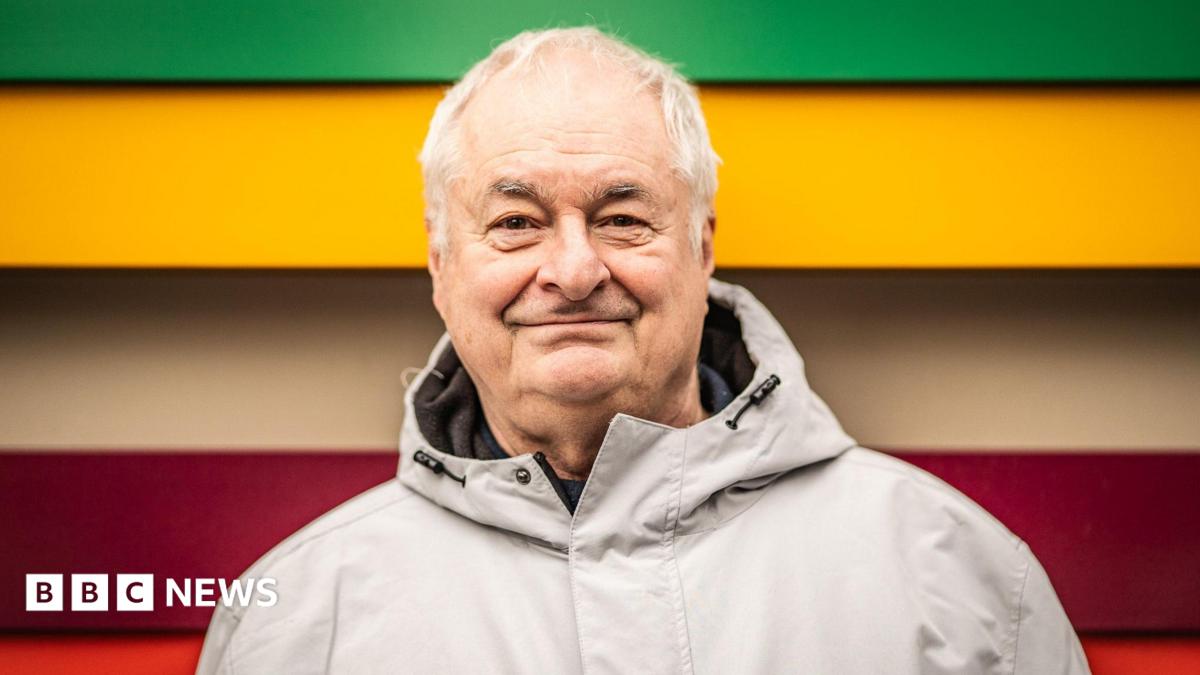
Veteran radio DJ Paul Gambaccini has been diagnosed with Alzheimer’s disease.
In a statement, the BBC Radio 2 and Greatest Hits Radio presenter said: “As Freddie Mercury once sang, you can’t turn back the clock, you can’t turn back the tide. Ain’t that a shame.
“There’s no denying it’s a serious condition with an uncertain future, but for now life goes on as normal.”
Gambaccini, who was given the diagnosis in 2025, said he would continue to present his programmes on both stations.
Radio 2 said it sends “our love and best wishes to Paul”, and added it would continue to support him on his “beautifully crafted weekly music show”.
In his statement, Gambaccini, 77, said he would “be as open as I can as things progress”, and that he was grateful for the kindness and support he had already received.
“For now, I wish to be given the space to keep on broadcasting the music I love to the listeners I love even more. These are the days of our lives,” he said.
Greatest Hits Radio content director Andy Ashton praised Gambaccini for “bravely sharing his diagnosis of Alzheimer’s disease.”
“We know our audience will wholeheartedly share his own desire to keep on broadcasting the music he loves to the listeners he loves even more.”

Bristol Airport(Image: PAUL GILLIS / Reach Plc)
People heading to Bristol Airport have been warned to expect to delays on Friday morning due to an ongoing police incident. Parts of the A370 in Bristol have been closed due to the incident.
A closure has been in place between Brunel Way and Colliters Way since shortly before 5am.
Bristol Airport has warned passengers to allow extra time for their journeys and is asking people to use an alternative route if possible. Diversions are in place.
A social media post said: “Due to a police incident between Brunel Way and Colliters Way Bristol on the A370 we have been advised of a diversion route in place as parts of the route is closed.
“Please allow additional time for your journey to the Airport and use an alternative route if possible.”
Get daily breaking news updates on your phone by joining our WhatsApp community here. We occasionally treat members to special offers, promotions and ads from us and our partners. See our Privacy Notice